


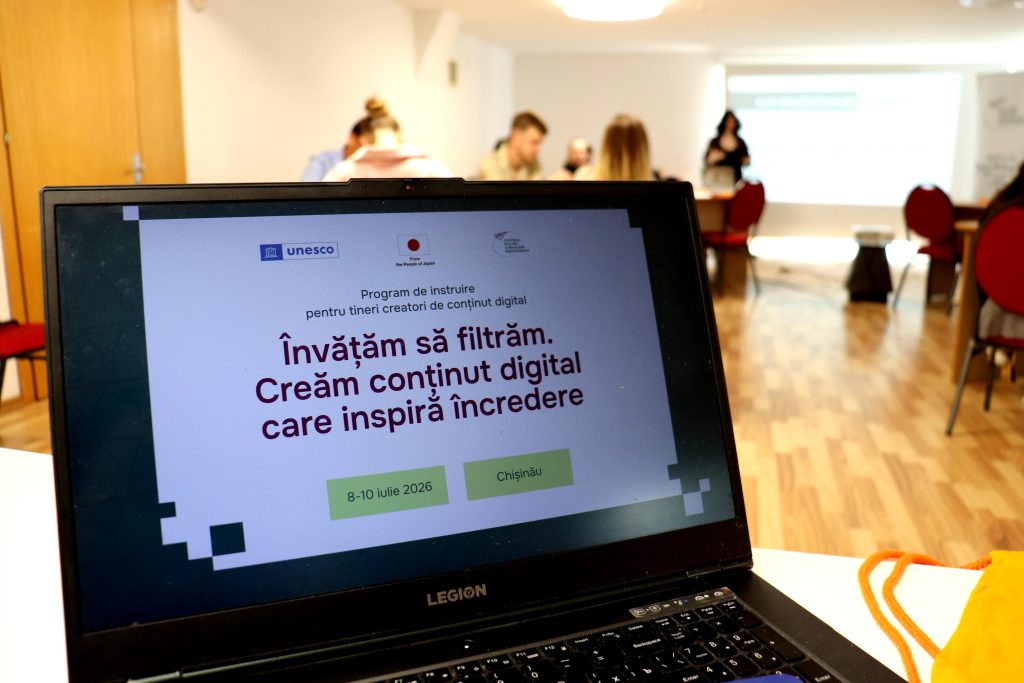
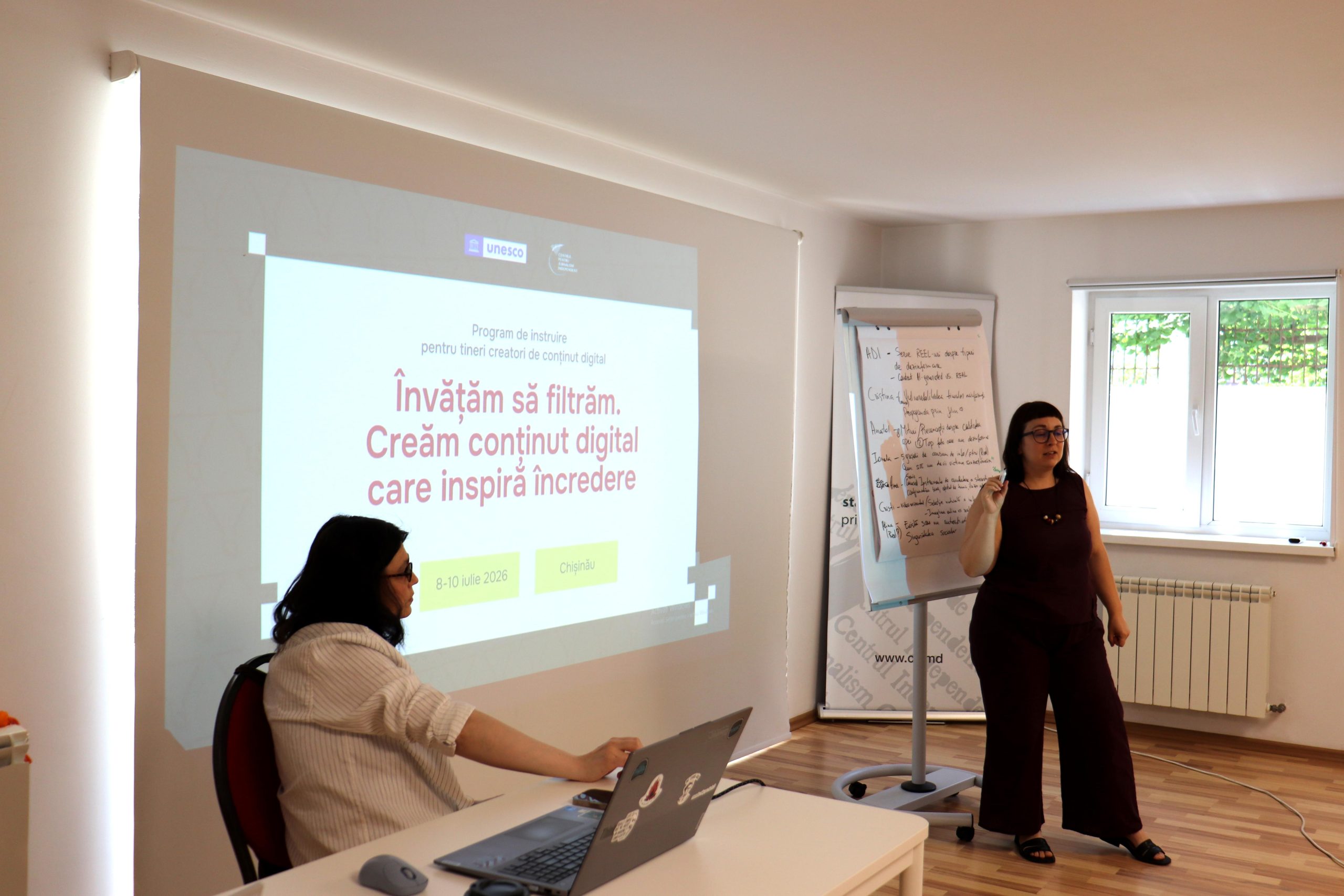
Fourteen digital content creators, journalists, and students passionate about media and communication developed the skills needed to create and distribute credible and relevant content online as part of the first training program, “Learning to Filter: Creating Digital Content That Inspires Trust.” The program was organized by the Independent Journalism Center (IJC) from July 8-10, 2026, in Chișinău and was supported by UNESCO through the Government of Japan.
At the start of the training, Mariko Mori, First Secretary at the Embassy of Japan in the Republic of Moldova, noted that “digital content plays an important role in how both accurate and false information circulates and is formed.” “Through this program offered by the IJC and UNESCO, we are pleased to contribute to strengthening an information environment based on trust and resilience in the Republic of Moldova,” said Mariko Mori.
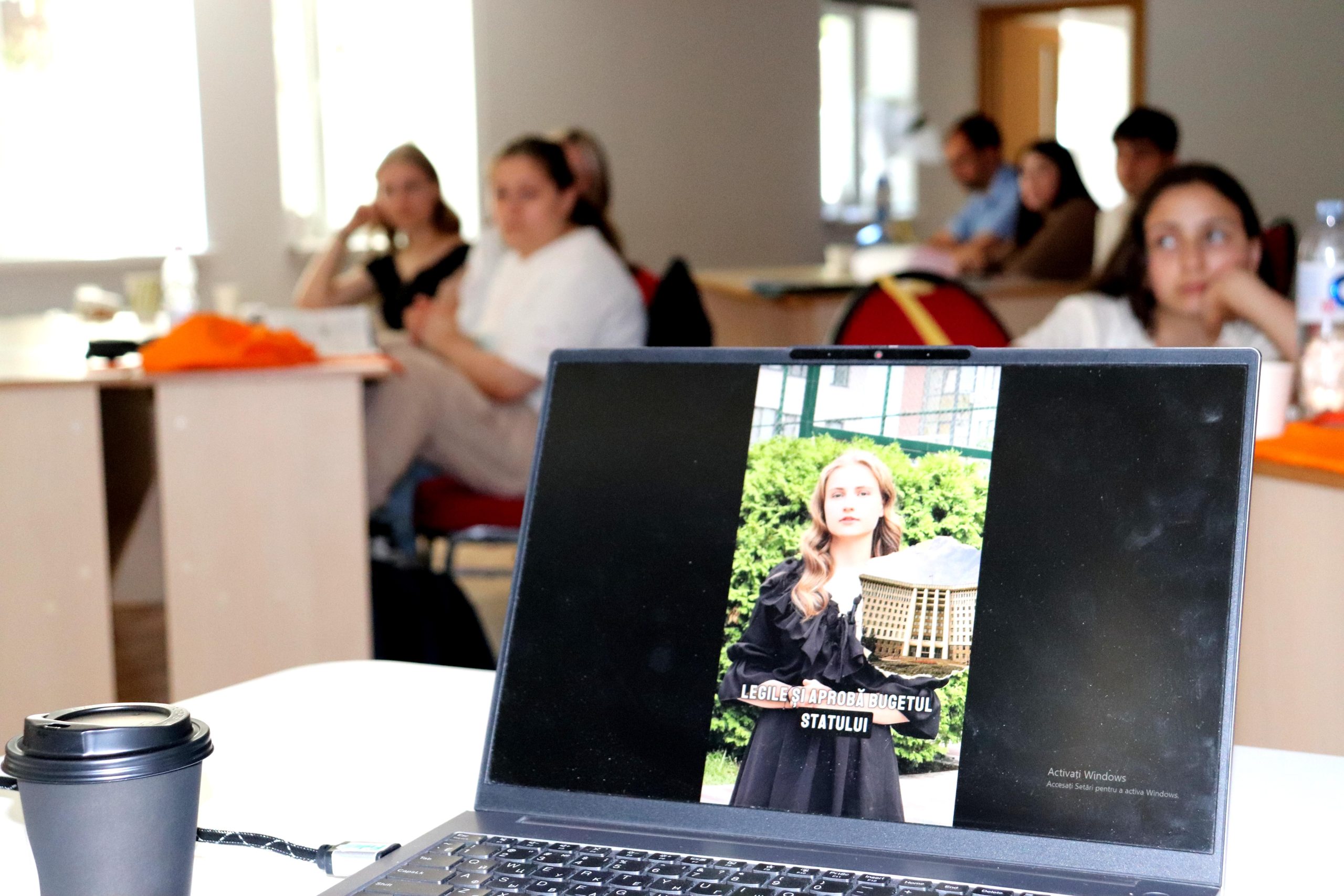
During three days, together with trainers Ana Sârbu and Ana Gherciu, participants learned how to verify information, recognize disinformation, use digital platforms responsibly, and create content that inspires trust.
“We hope that, by the end of this training, every participant will feel more confident in the process of creating digital content – from choosing a topic and drafting a story, to filming, framing, sound, editing, or creating engaging carousels using various digital platforms. At the same time, we will emphasize the responsibility that every content creator has – to verify information and provide the public with credible, well-researched, and relevant material. When we combine creativity with critical thinking, we contribute to creating a safer information space,” said Ana Sârbu.
“A meaningful message truly resonates with people when it’s conveyed through an authentic story. Storytelling isn’t just about creativity. It’s also about the responsibility to create content that informs, builds connections, and inspires trust. Never stop asking questions, being curious, or following up with clarifying questions. That’s what makes the material authentic,” mentioned Ana Gherciu.
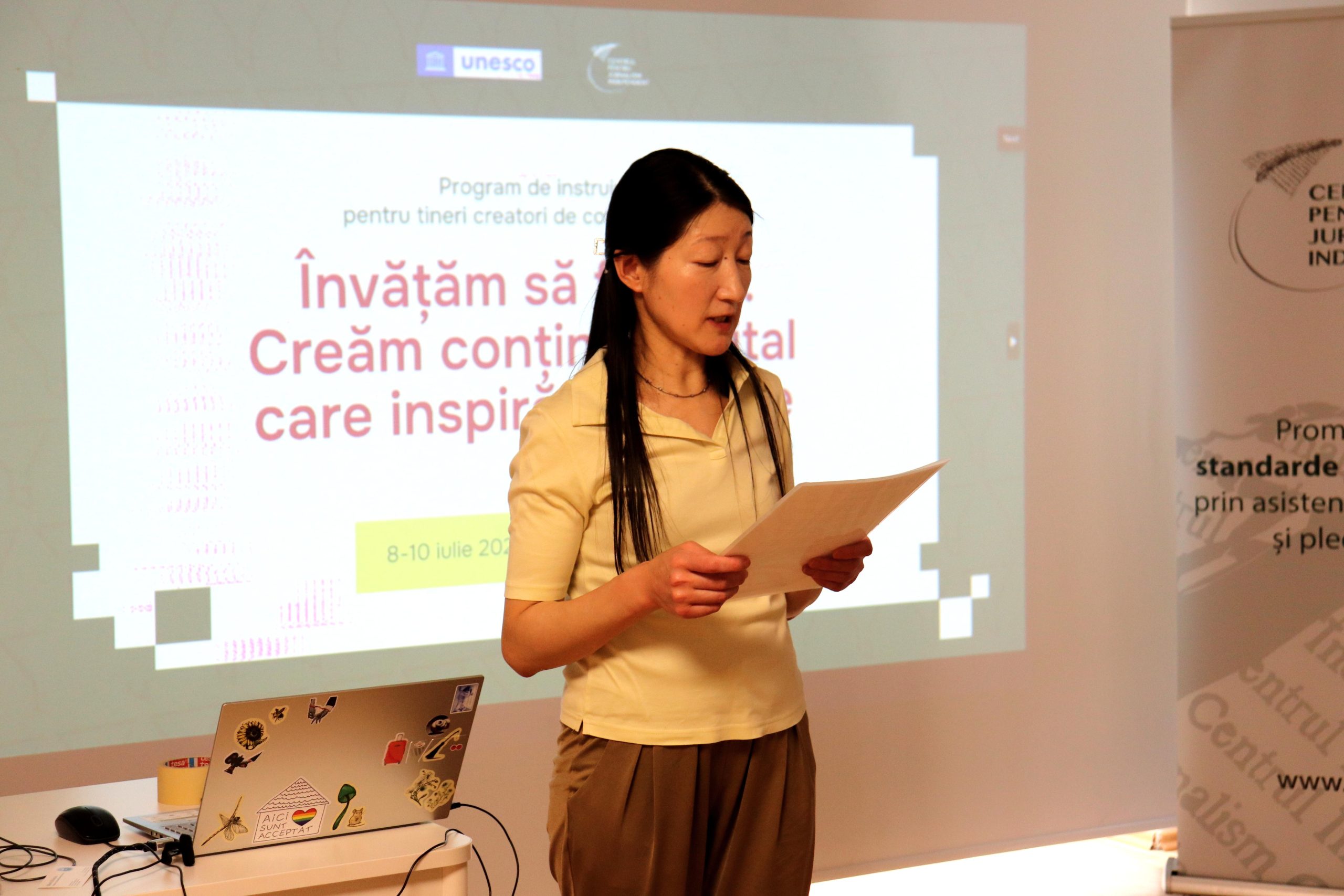
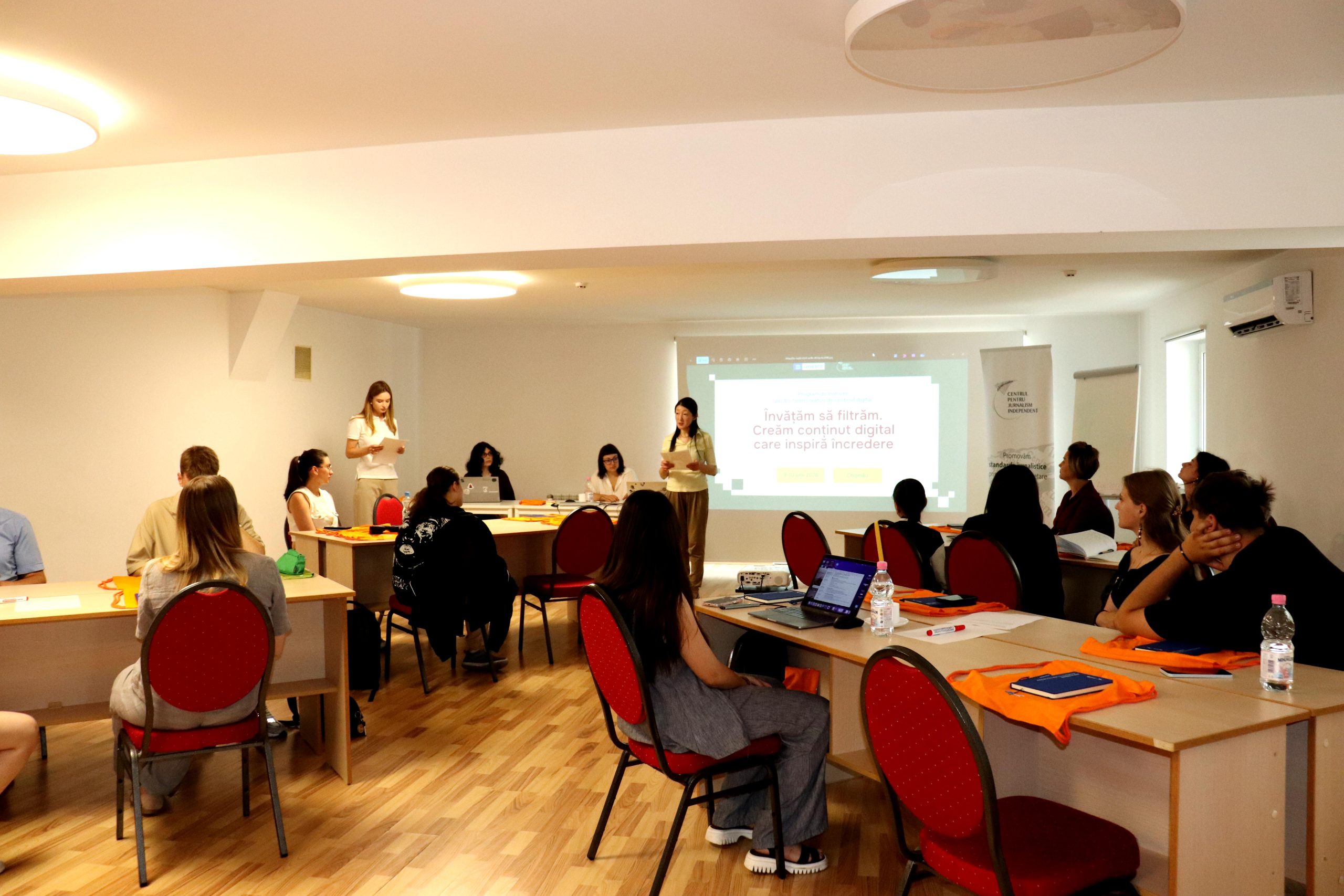
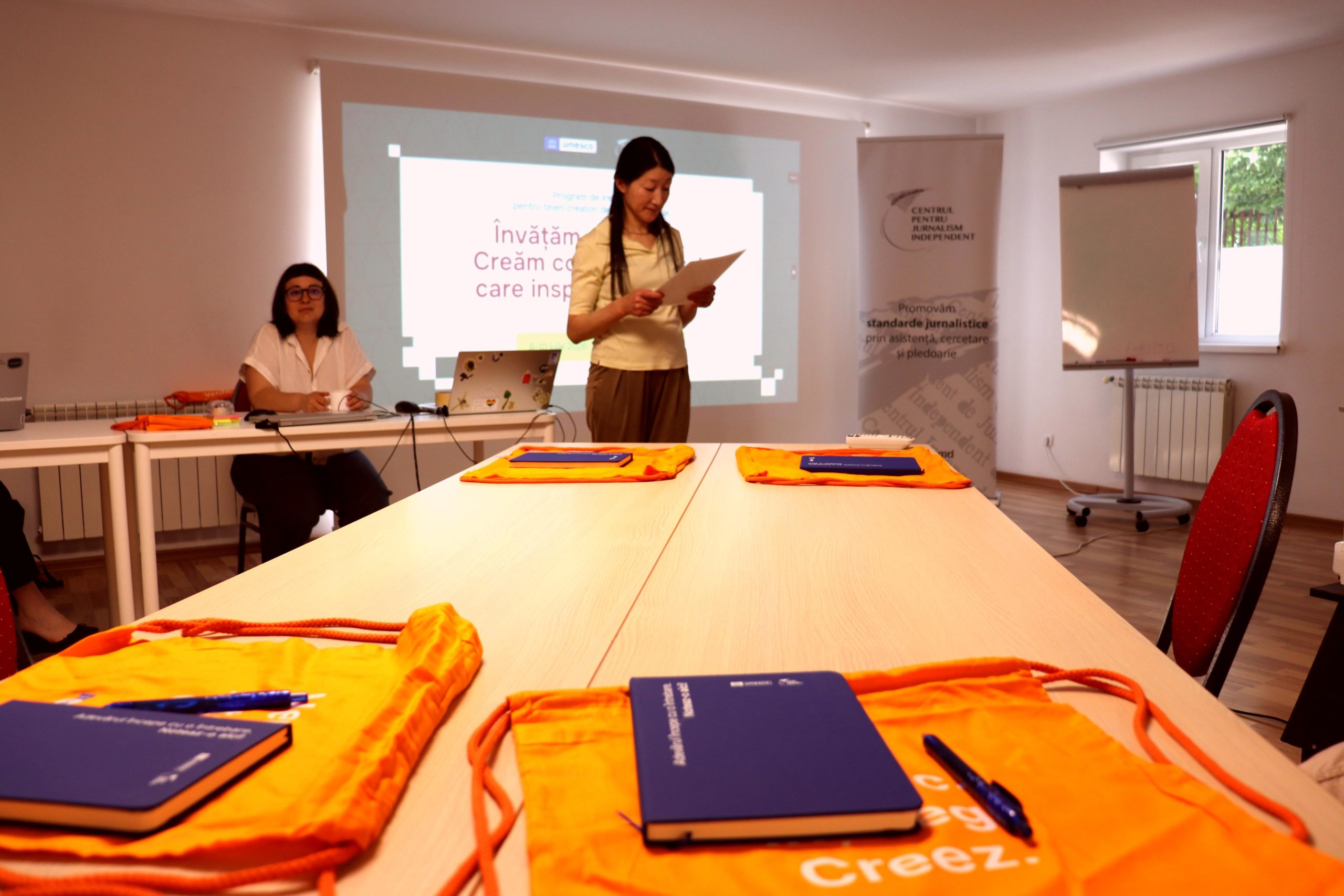
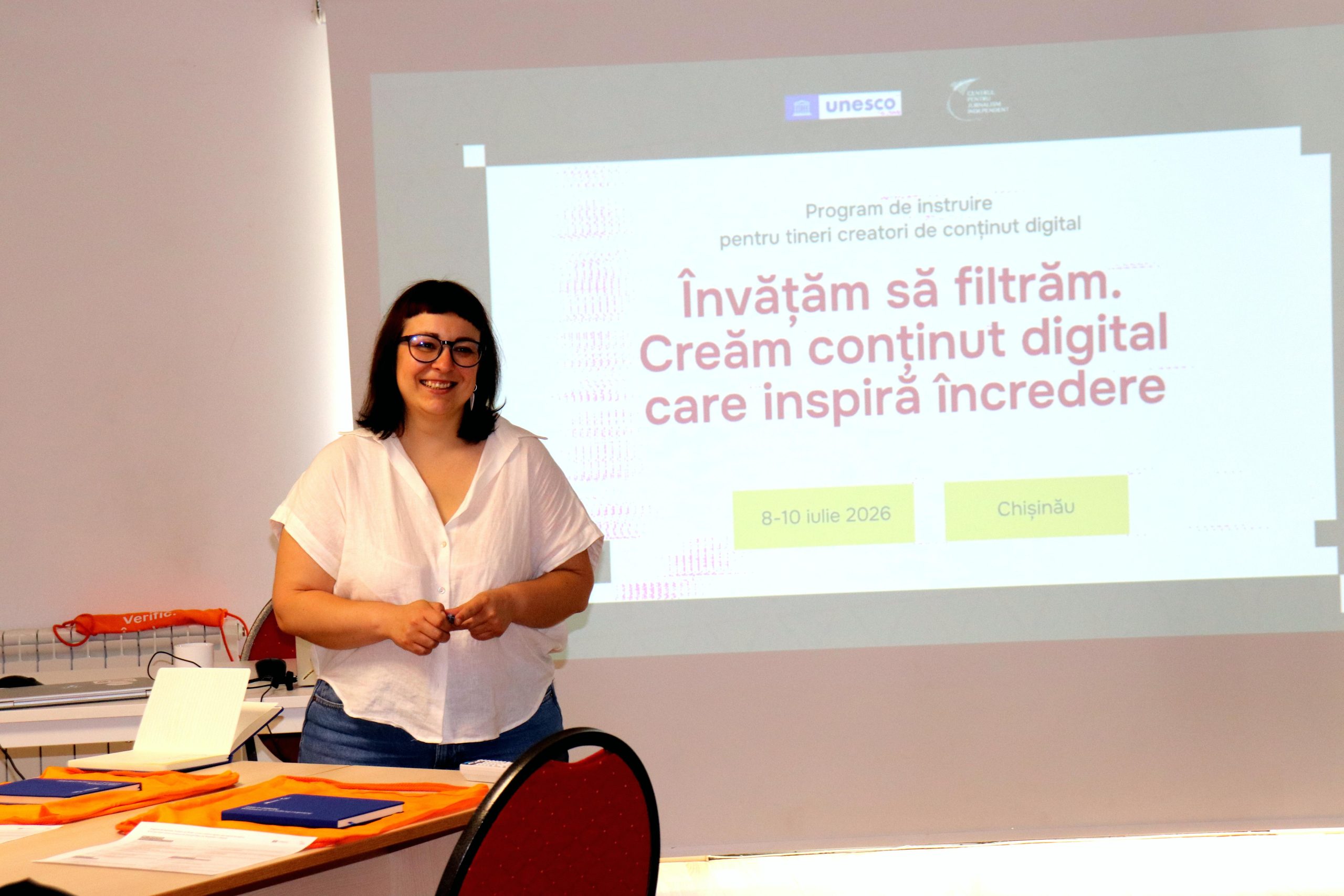
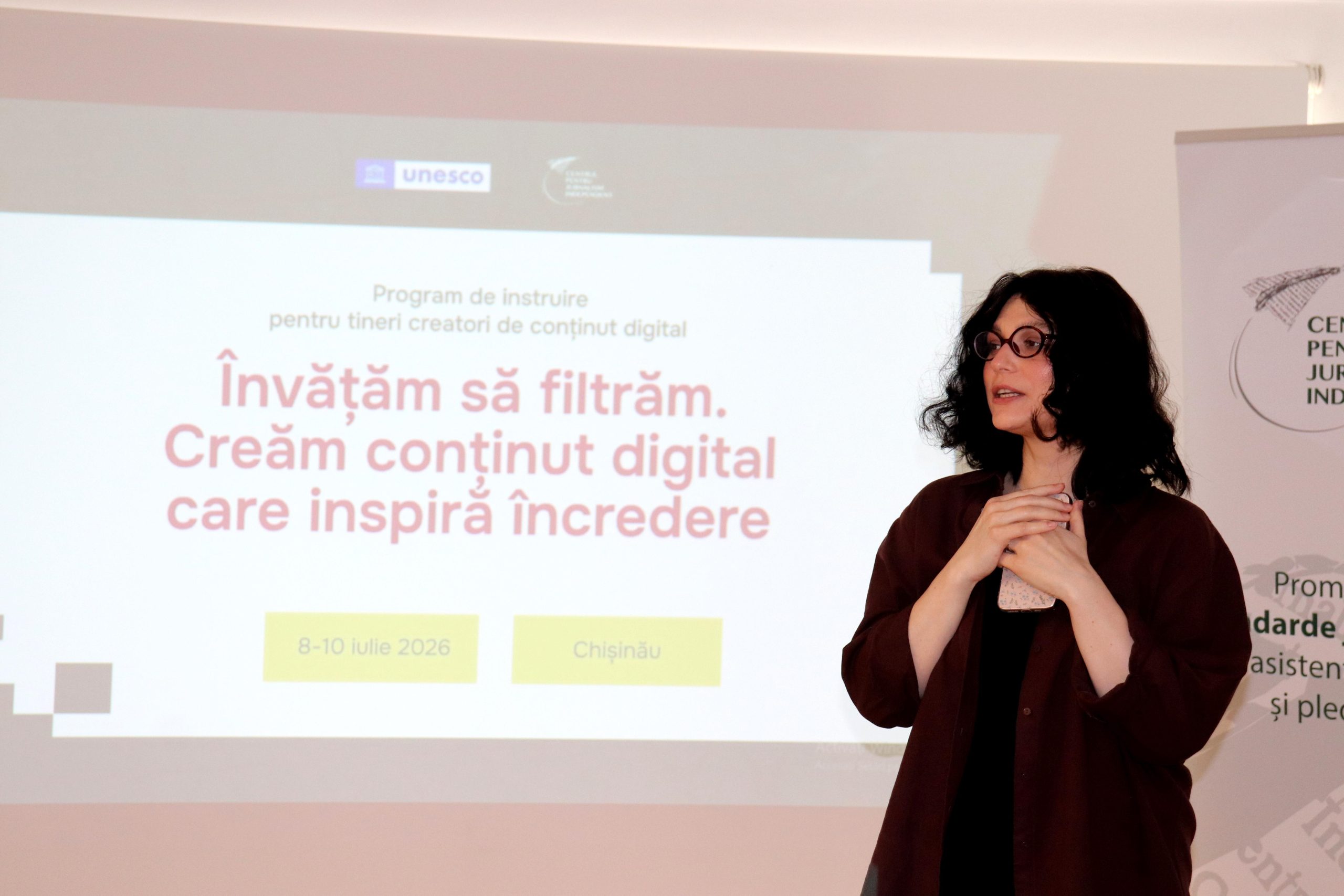
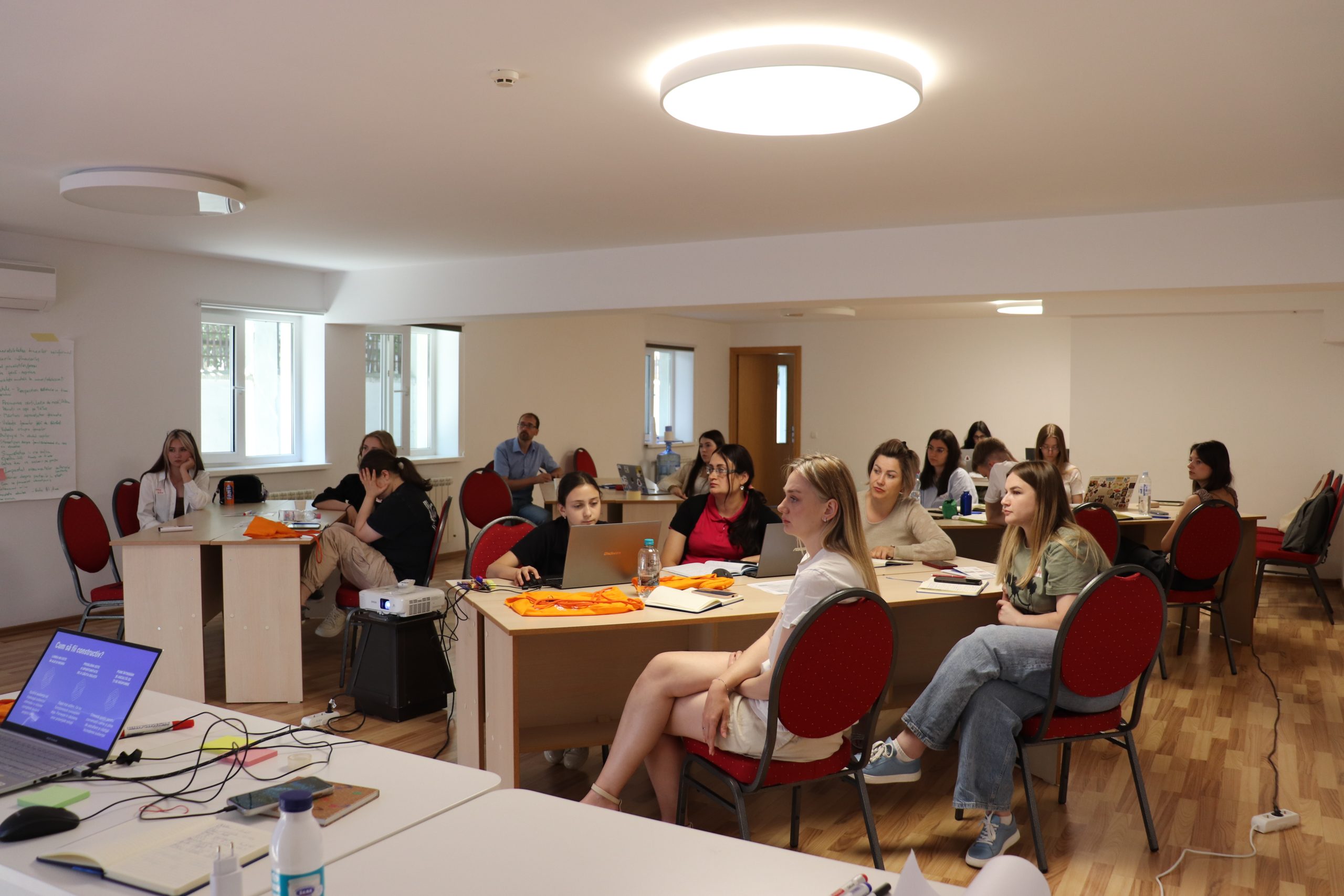
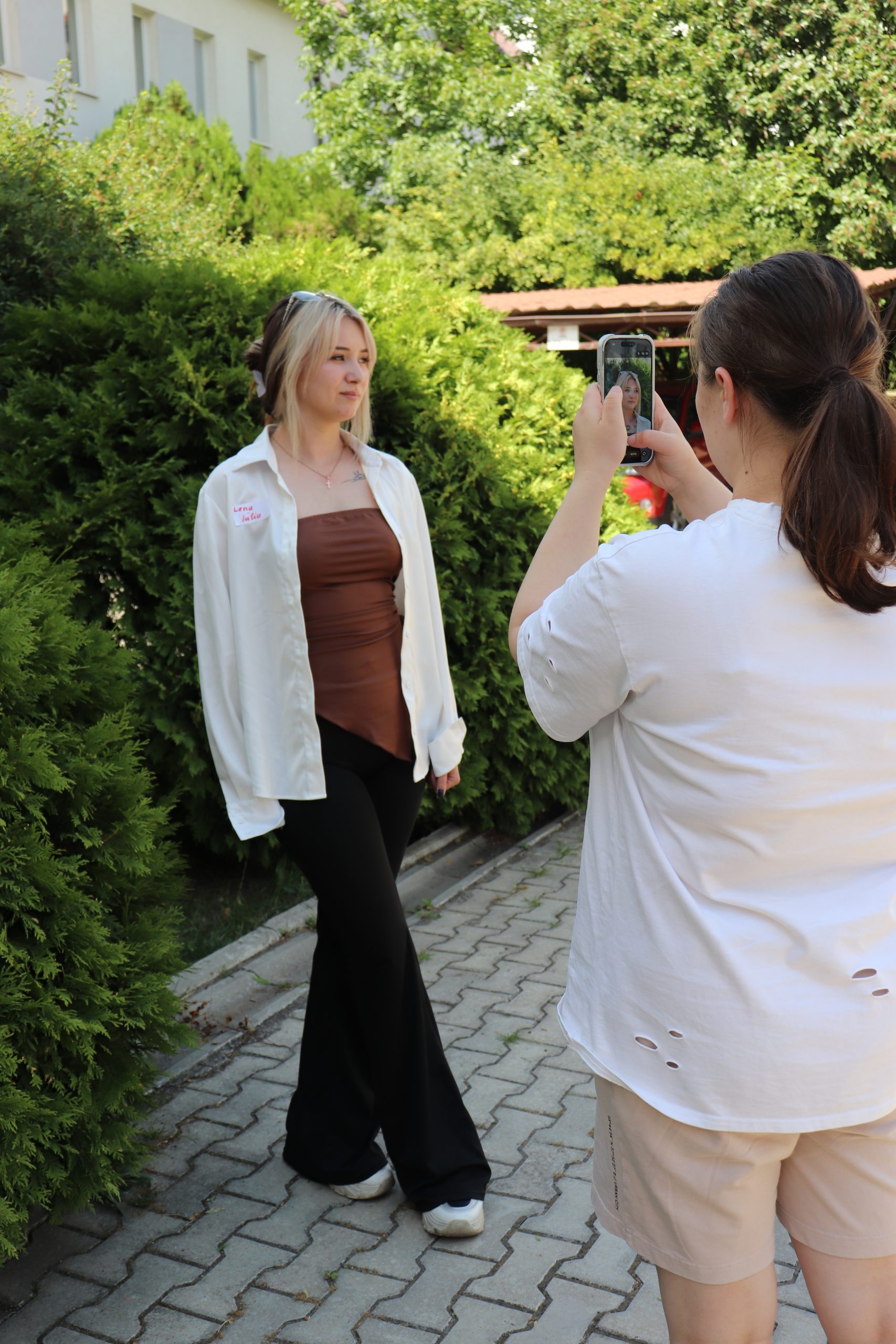
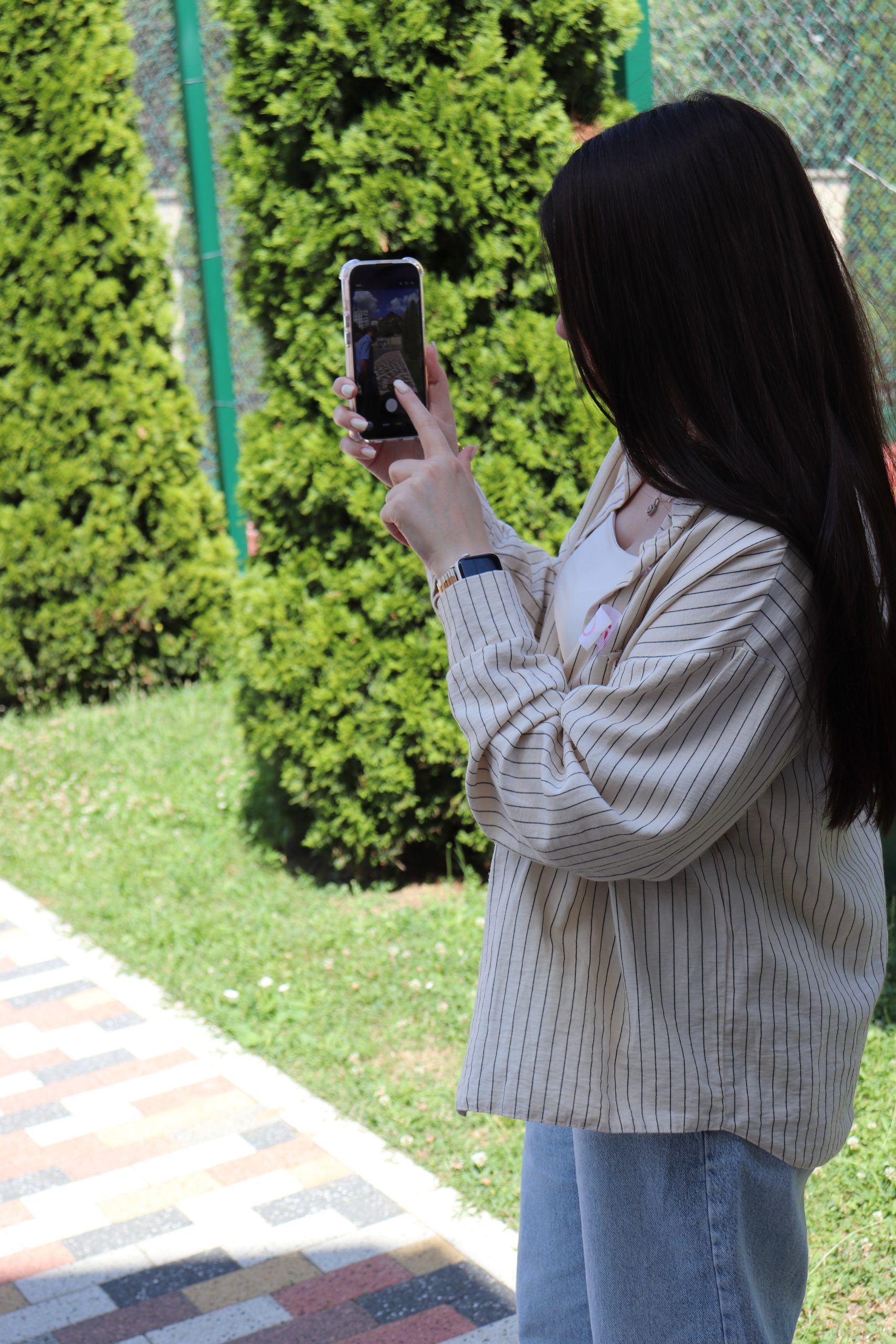
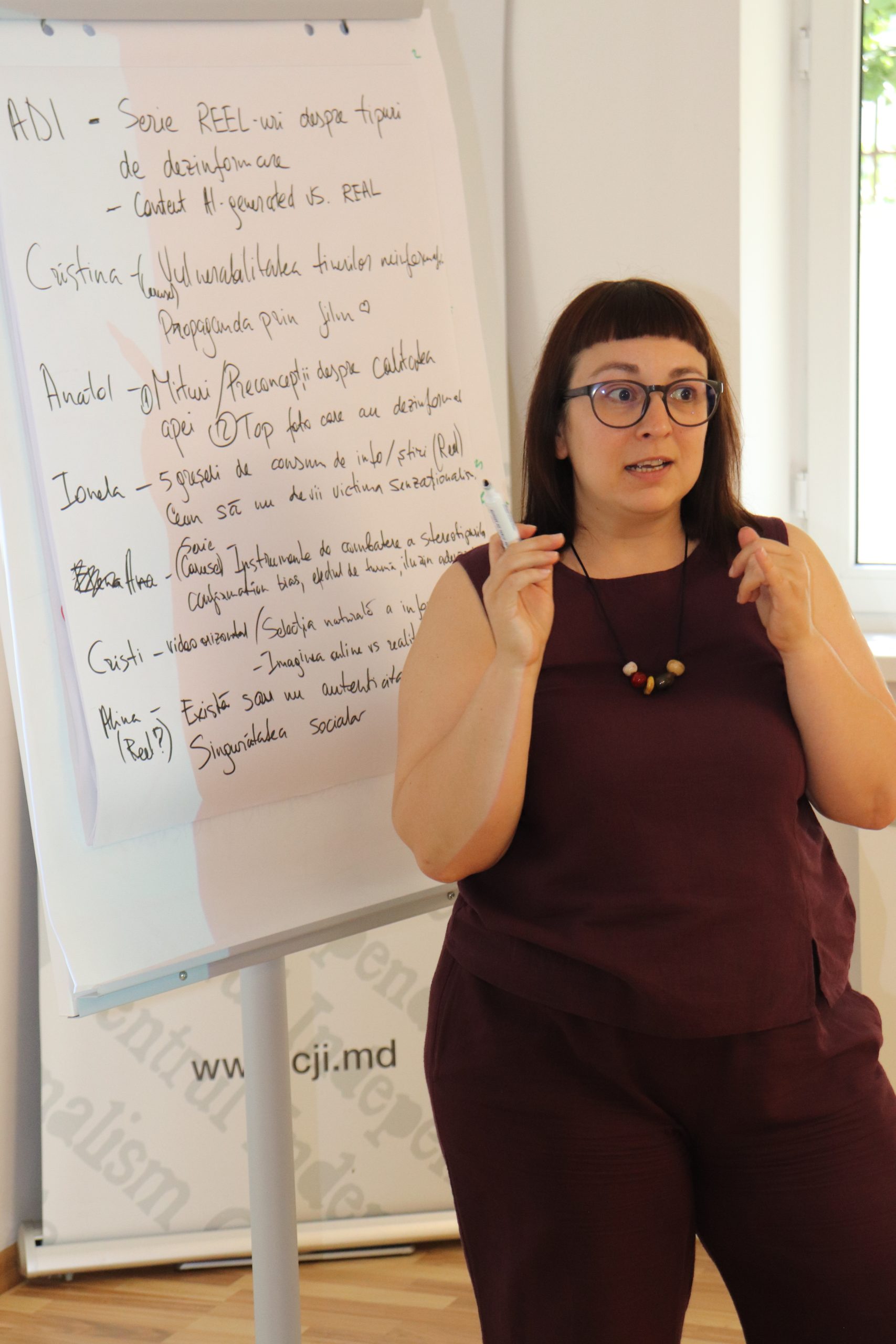
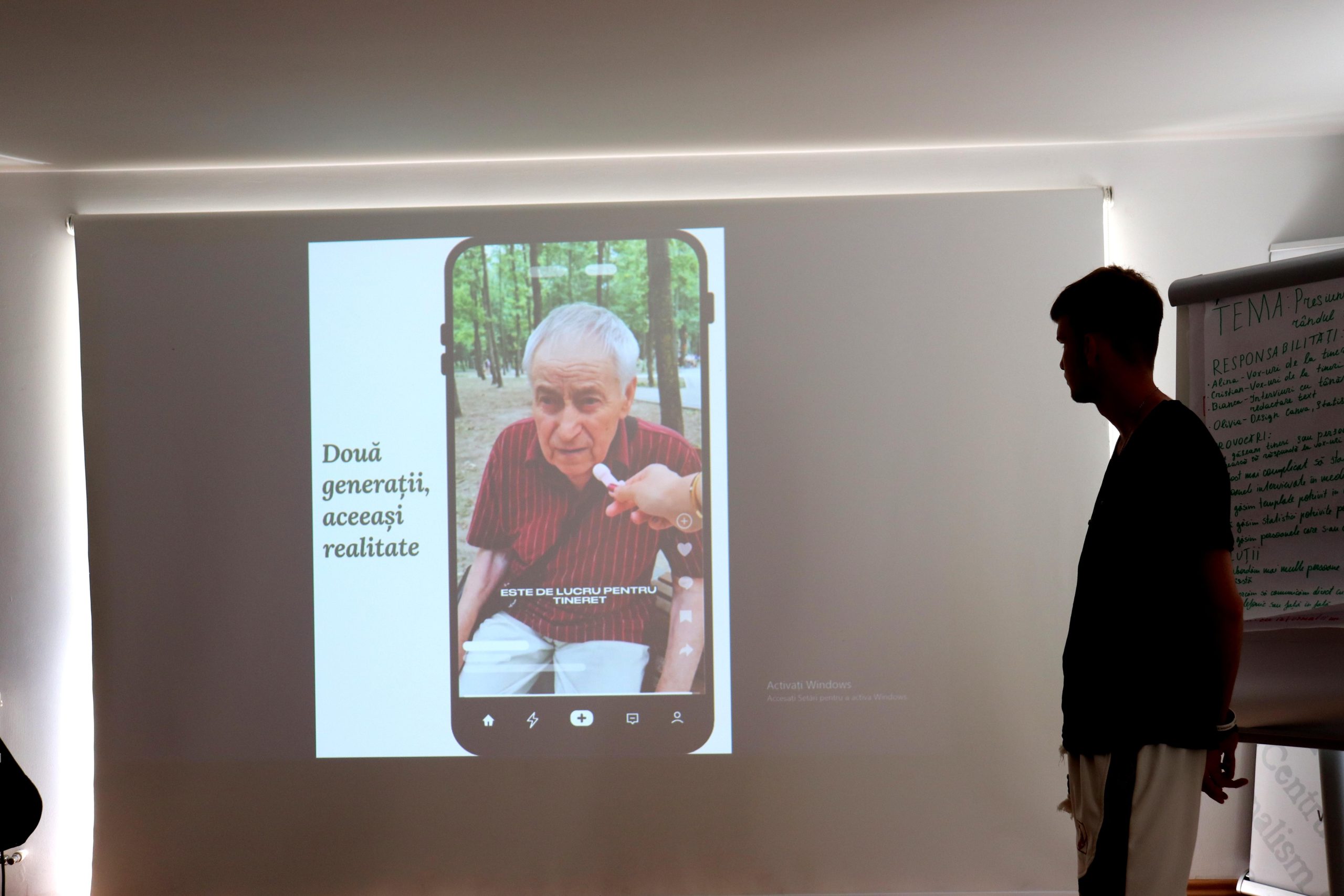
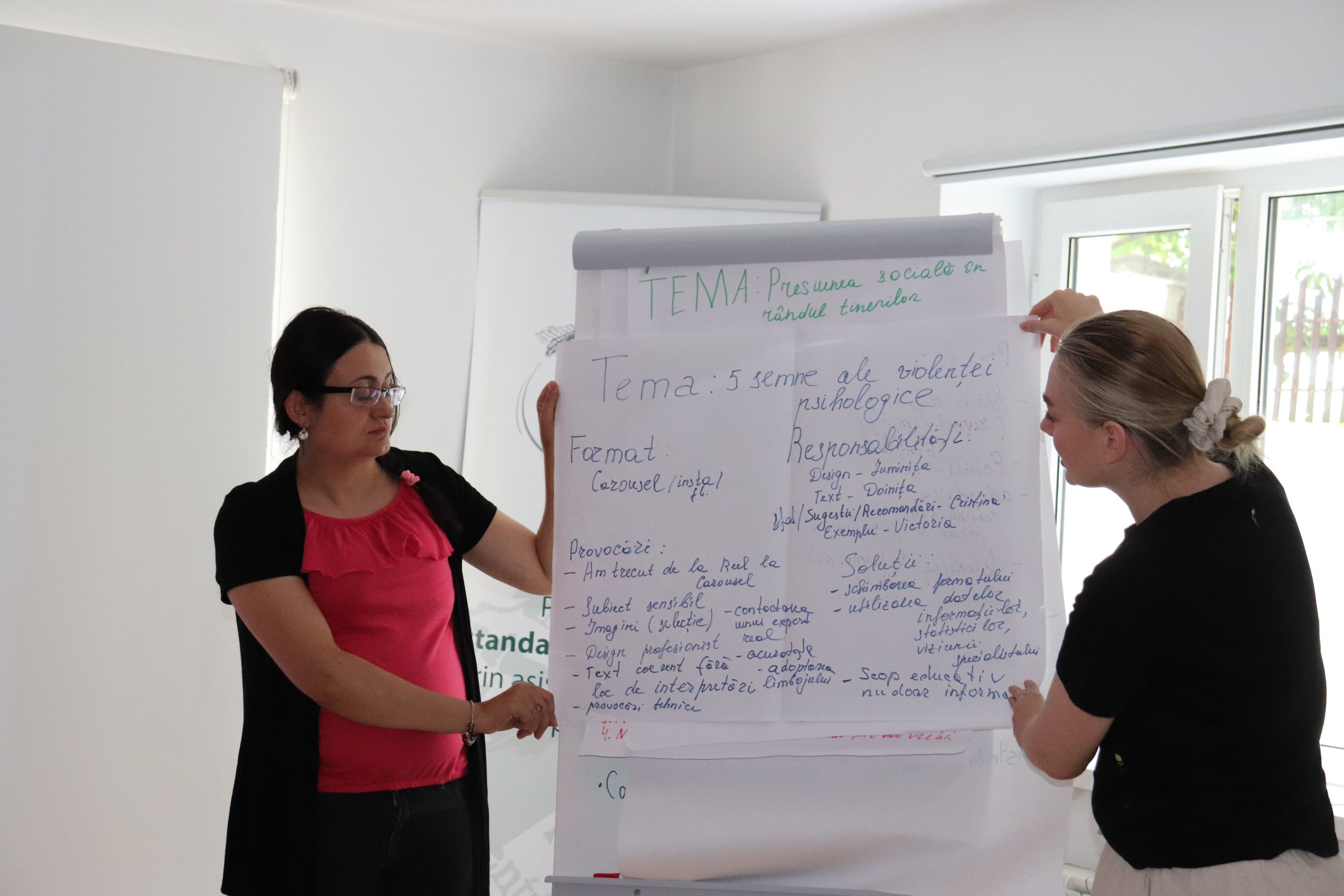
Participants combined theoretical sessions with practical ones, exploring various ways to promote journalistic content through videos, infographics, articles, multimedia content, short videos, and more. They also analyzed and tested various storytelling techniques and formats tailored to social media and practiced creating videos and carousels. Finally, they identified relevant topics for the content they will produce in the coming months, focusing on promoting critical thinking in society, fact-checking, information security, the responsible use of digital platforms, tools for combating stereotypes, and the vulnerabilities of young people in relation to propaganda.
The young people appreciated the importance of such a program for developing the skills needed to create various types of content that promote critical thinking in society.
Ana Pujila, student:
The training program was useful because it emphasized the use of various tools for creating media content, some of which were more nuanced, detailed, and technical. I also developed teamwork skills that I will use in the future.
Anatol Zalevschi, EcoTV Moldova:
The training was useful and informative. I appreciate the clear and accessible way in which the trainers explained the topics. They provided constructive feedback and relevant insights on the materials we produced. As a result of this course, I gained new knowledge and had the opportunity to practice creating impactful journalistic materials.
Cristina Basiul, Youth Media Center, Chișinău:
I enjoyed the training and the fact that we discussed in more detail how to analyze a topic, identify sources, etc. It was exactly what I needed, but ideally, the program should be more extensive so we can go into greater detail, both in terms of design and editing.
Ionela Chiriac, student:
I enjoyed all the activities; the information was conveyed very clearly and in a way we could understand. I learned several techniques for filming, editing, and creating carousels. It was interesting, very useful, and I’ll definitely participate in workshops like this again.
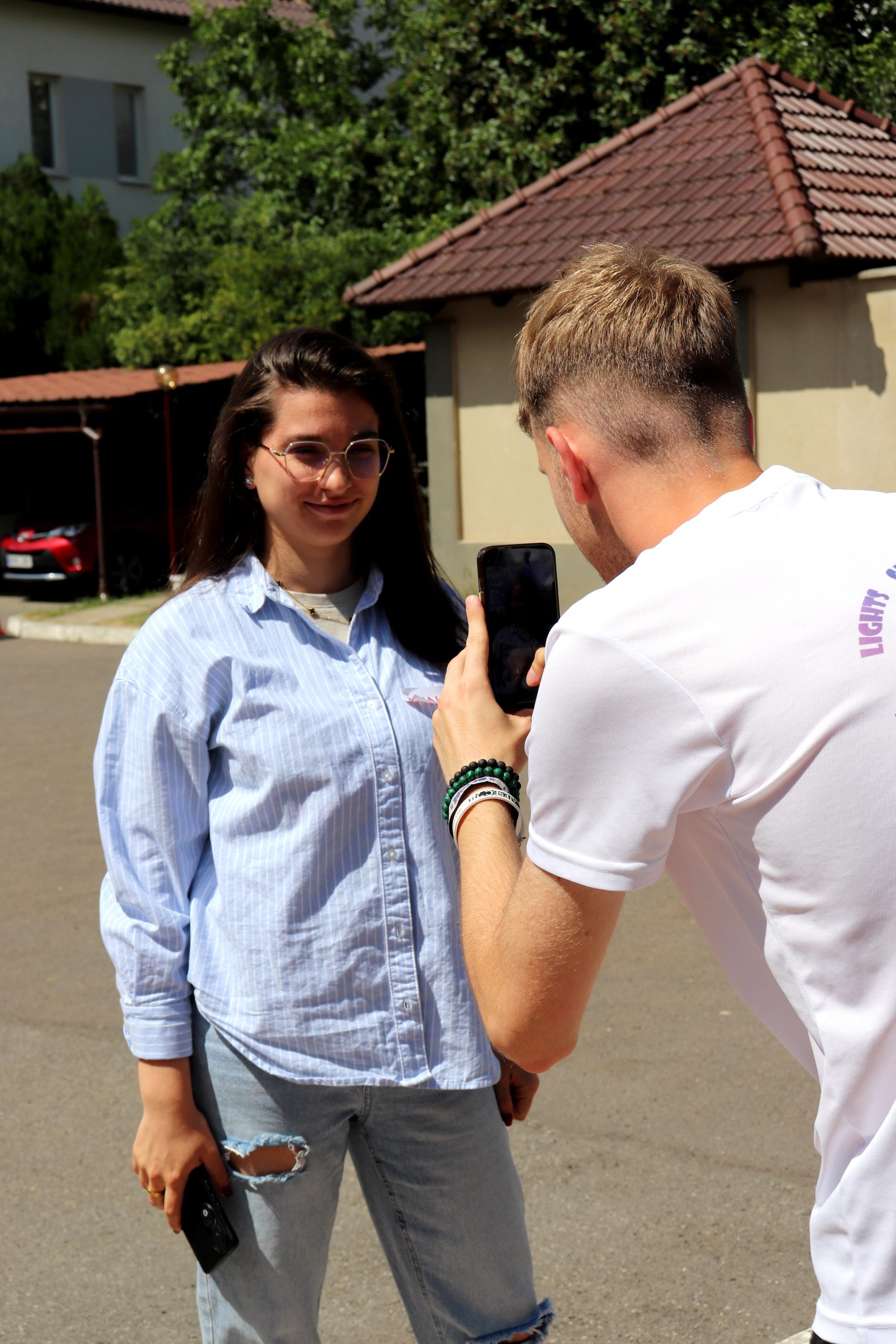
The second training program will take place July 15-17, 2026, with another group of young people participating.
After the training, participants will have approximately two months to create and publish at least one piece of content addressing topics related to critical thinking and responsible information consumption, challenges regarding access to information, media literacy, critical thinking, fact-checking, combating misinformation, and critical consumption of information in the digital space.
As a result, the six best media pieces will each be awarded $300 during Media Education Week, organized by the IJC in October 2026.
The IJC organized the training within ”Building Information Integrity in Moldova: Youth Media and Information Literacy (MIL), Sector Mapping, and Stakeholder Dialogue” project, implemented with the support of with UNESCO and government of Japan.

