


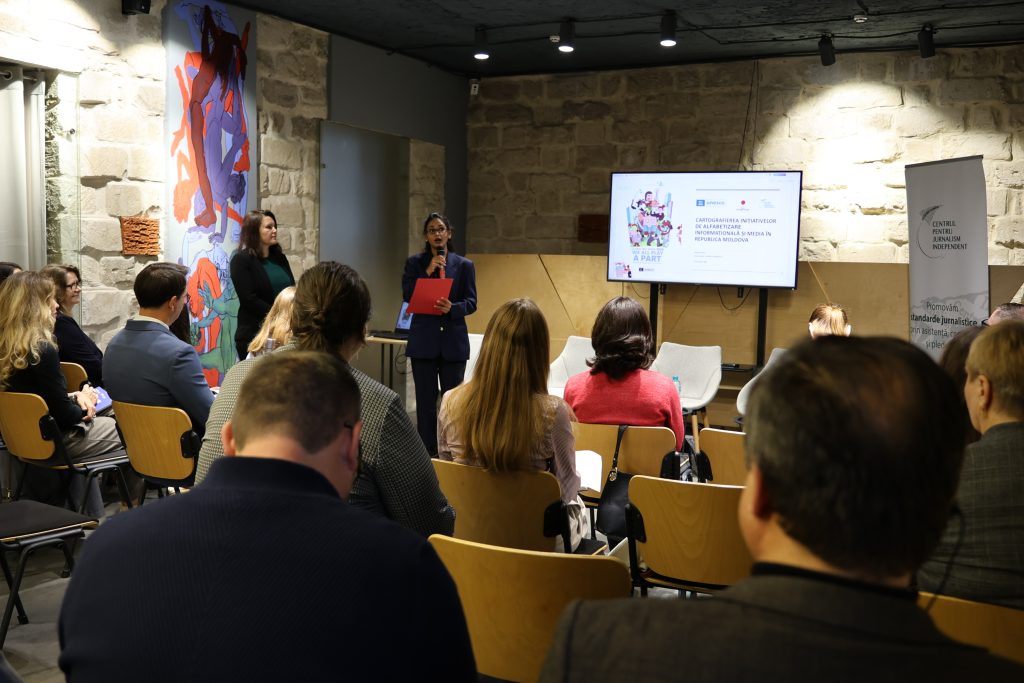
Combating disinformation, developing critical thinking skills, and strengthening citizens’ resilience to manipulation and propaganda are among the key priorities of organizations implementing media and information literacy (MIL) initiatives in the Republic of Moldova, according to the findings of a nationwide mapping exercise. The findings were presented on 27 October 2026 by the Independent Journalism Center (IJC), in collaboration with UNESCO, as part of Global Media and Information Literacy Week 2026.
The event brought together representatives of civil society organizations working in media education, as well as donors and implementing partners supporting and promoting MIL initiatives across the Republic of Moldova.
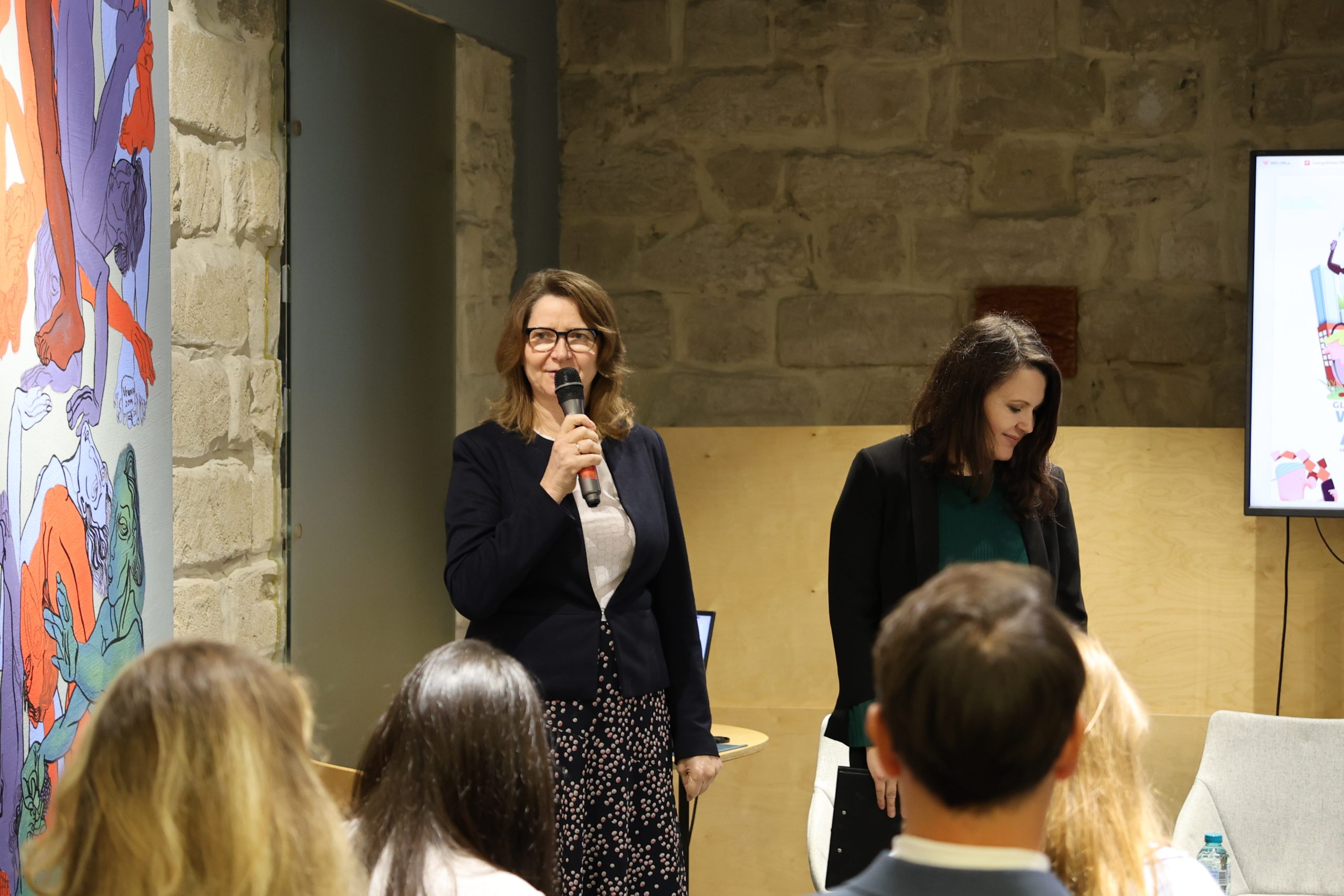
At the opening of the event, Nadine Gogu, Executive Director of the IJC, emphasized that “the findings of the mapping exercise highlight the need to establish a permanent mechanism for coordinating MIL initiatives, bringing together all relevant stakeholders, including civil society organizations, public institutions, the media, and development partners.” “Such a mechanism would facilitate dialogue and cooperation among stakeholders, help identify shared priorities, avoid duplication of efforts, and ensure that resources are directed more effectively towards underserved groups and regions,” Gogu stated.
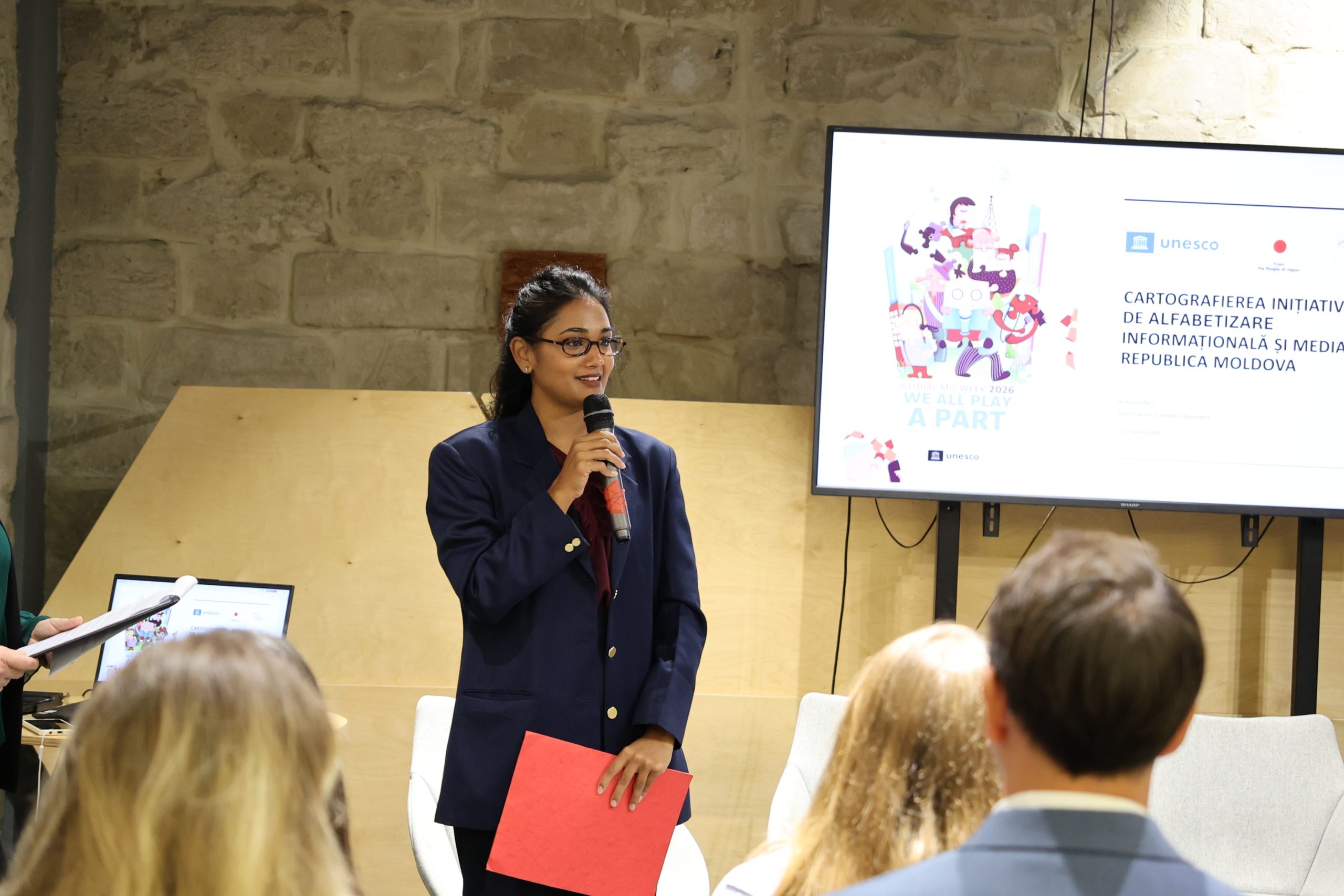
Samrita Menon, Associate Specialist in UNESCO’s Media and Information Literacy and Digital Competencies Unit, highlighted the importance of the findings for future cooperation. “The findings of this mapping exercise reveal a critical opportunity before us: to chart the future of media and information literacy initiatives in Moldova. Through strategic coordination and cooperation, we can collectively strengthen the media and information ecosystem in a way that is inclusive, empowers citizens, and safeguards information integrity for generations to come,” she said.
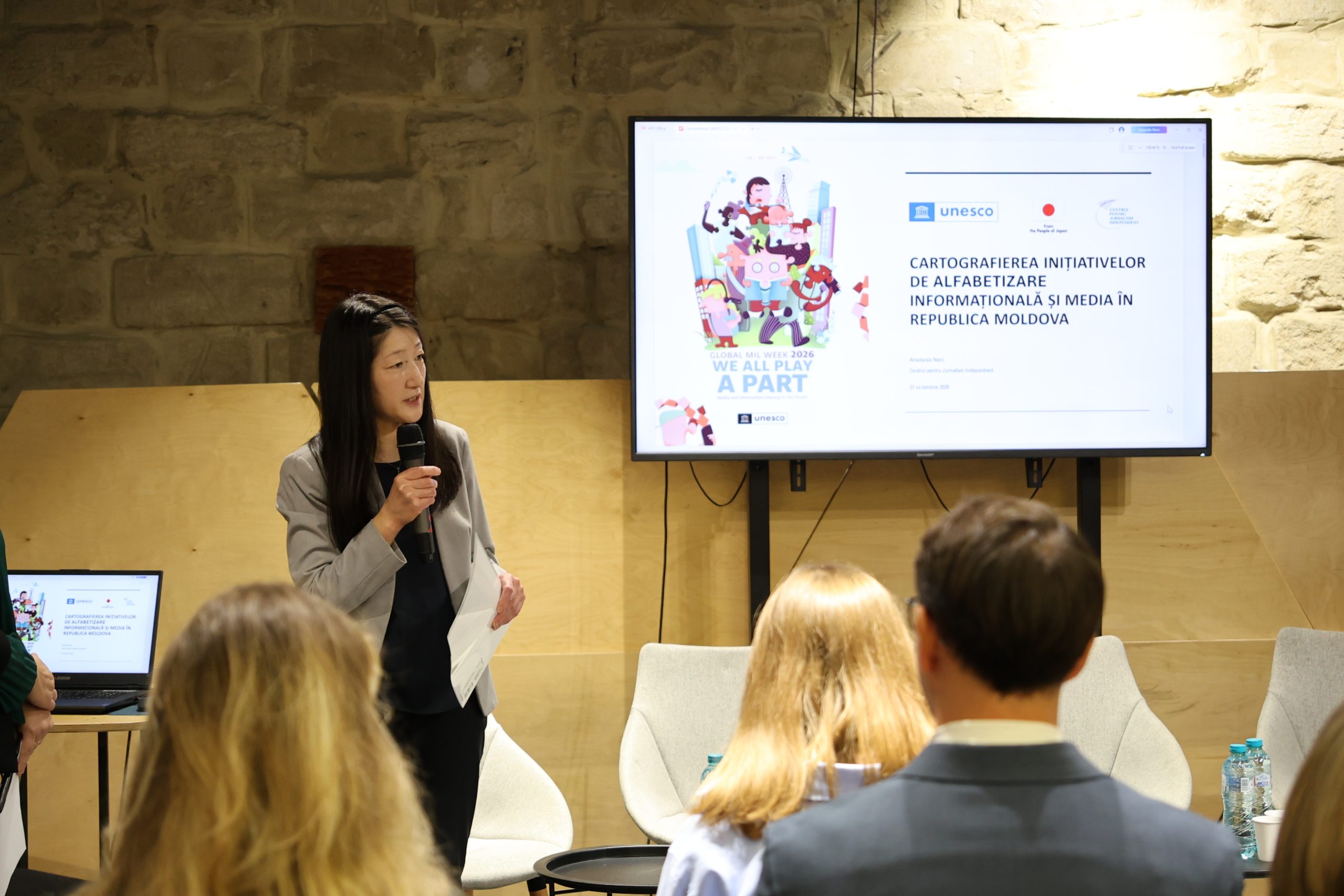
Mariko Mori, First Secretary at the Embassy of Japan in the Republic of Moldova, reaffirmed Japan’s commitment to supporting media and information literacy initiatives. “The Government of Japan recognizes the importance of media education and is proud to support this project in the Republic of Moldova, as a country that shares the fundamental value of democracy,” she stated.
“We believe that media and information literacy is a long-term investment in building a well-informed society and strengthening the resilience of our democracies. I hope today’s presentation will help us better understand the initiatives already underway in Moldova, identify areas where further efforts are needed, and encourage closer cooperation among all those involved,” Mori added.
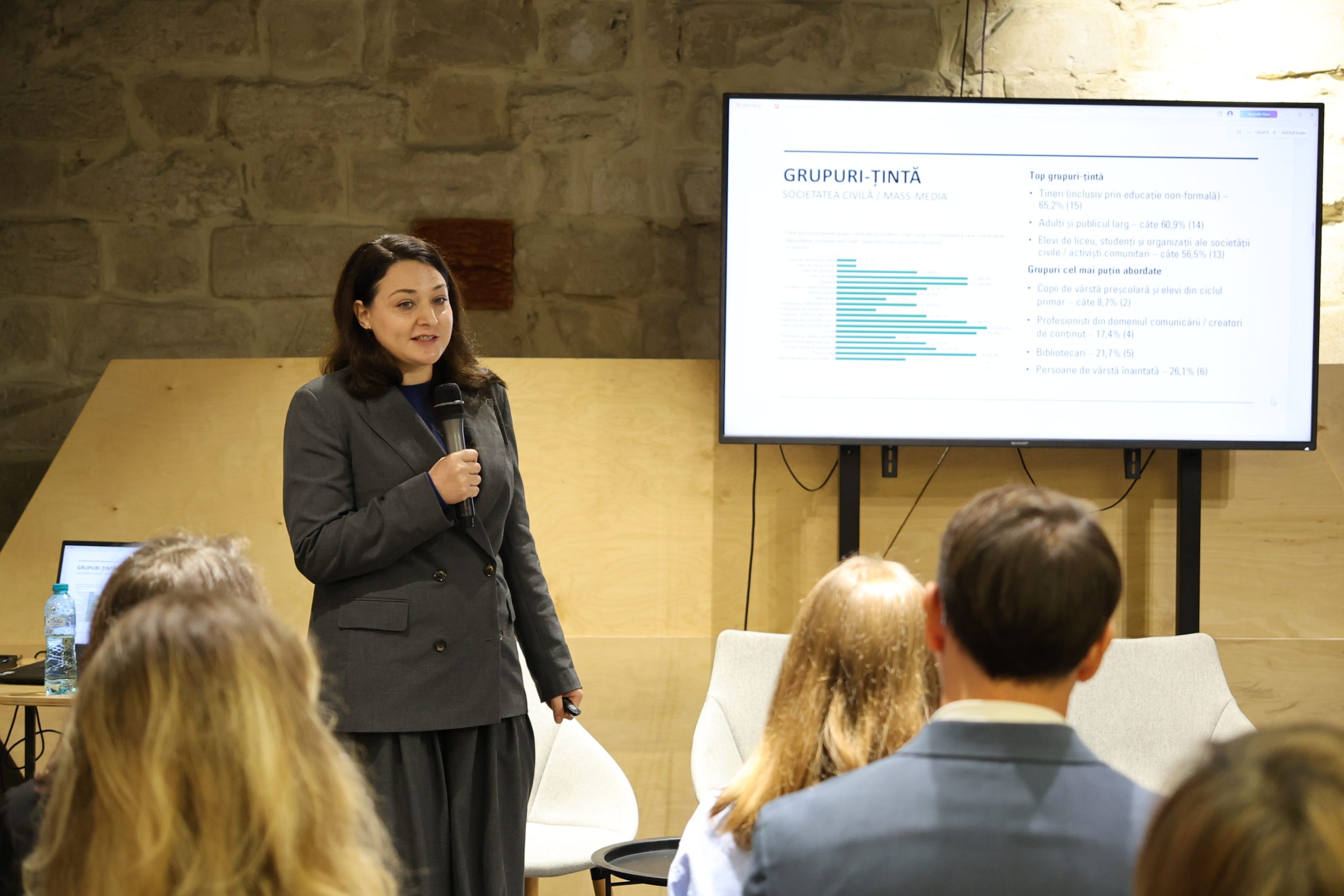
The mapping exercise aimed to identify key stakeholders working in the field of MIL, the topics they address, their target audiences, and the geographical coverage of their activities, with the broader goal of improving coordination and cooperation. The exercise was based on information provided by organizations and donors implementing or supporting media and information literacy initiatives in the Republic of Moldova.
According to the findings, most participating civil society organizations and media institutions focus on developing critical thinking and information analysis skills. Other key areas of activity include combating disinformation, fact-checking, strengthening information literacy, and building resilience to manipulation and propaganda.
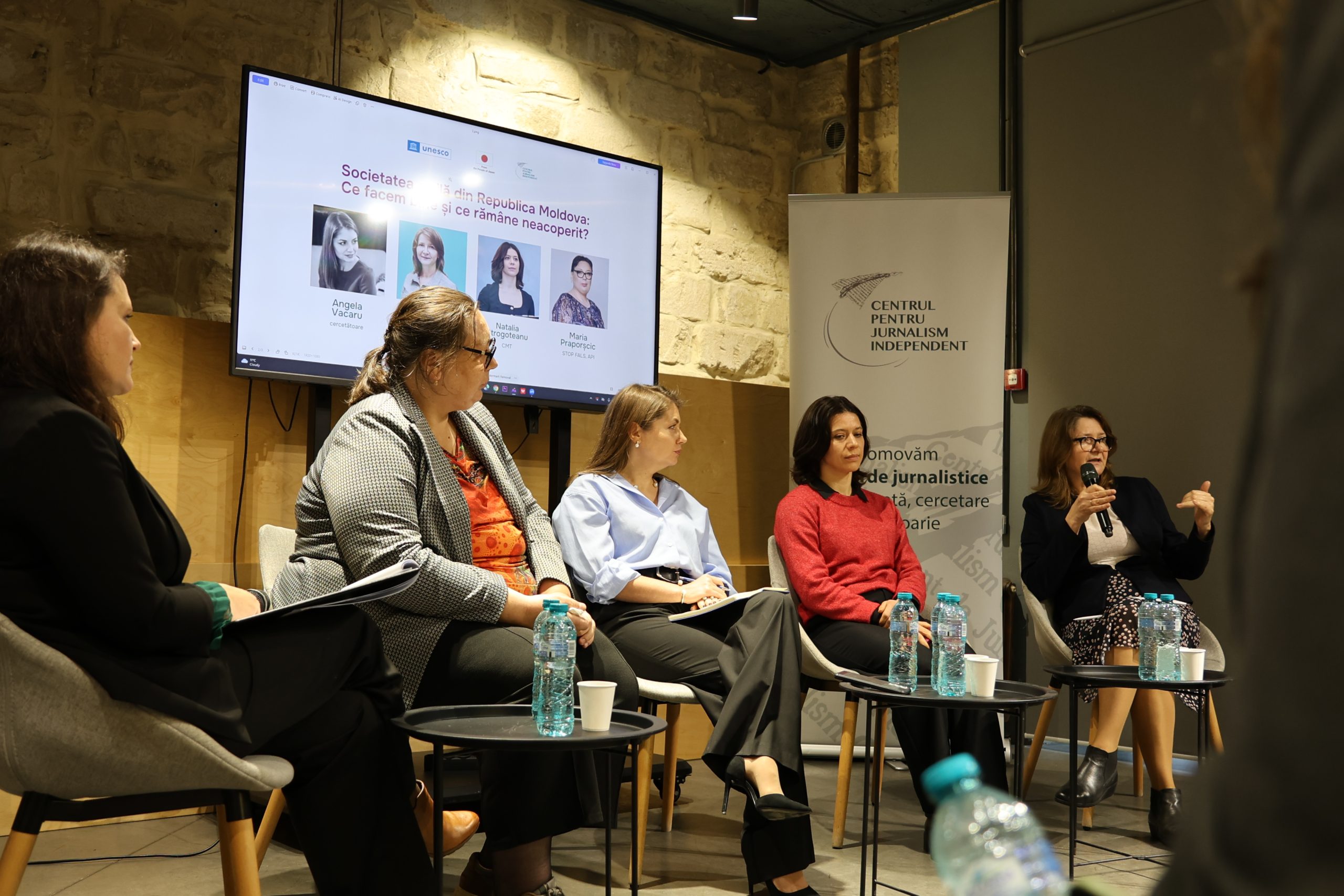
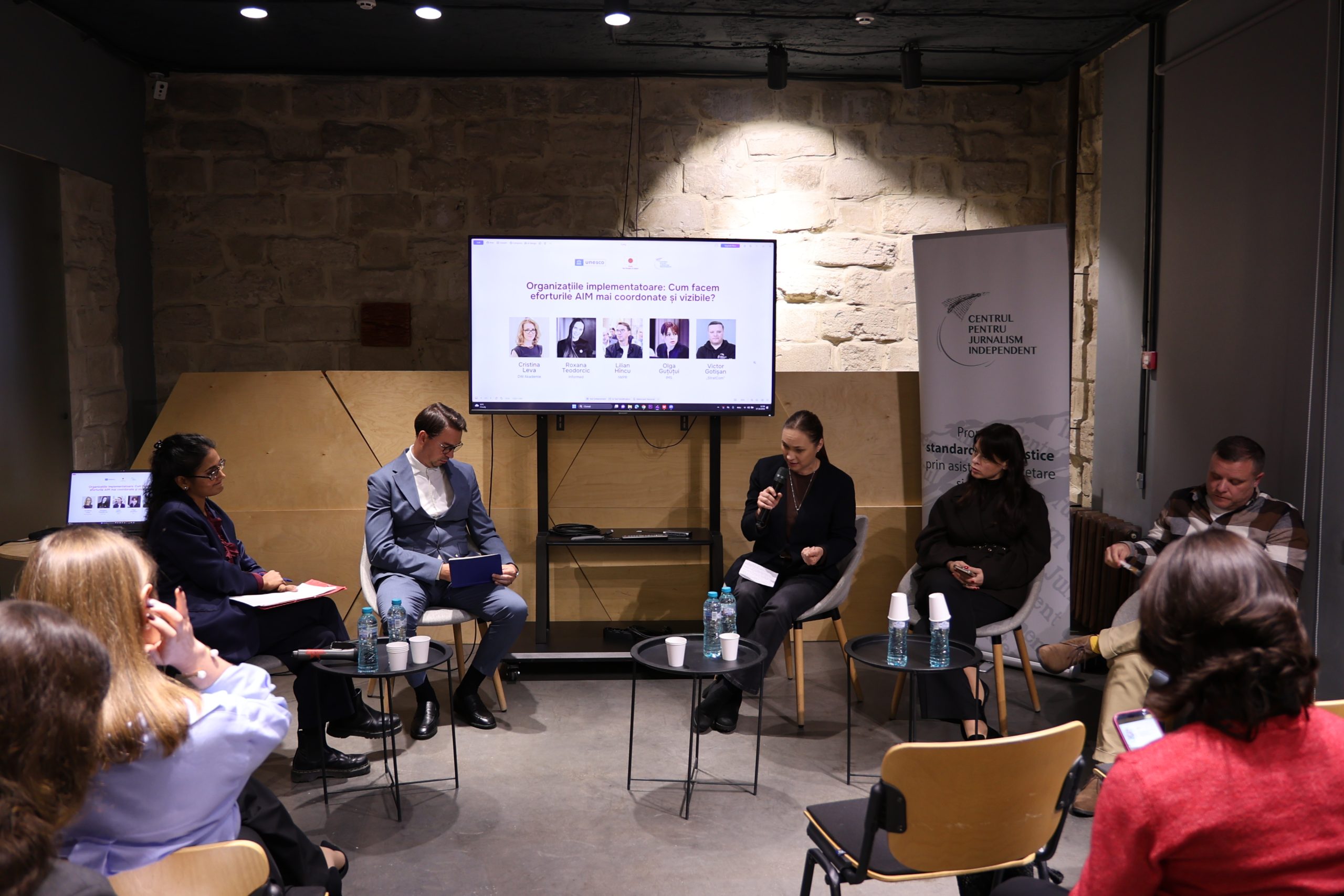
During the discussions, participants expressed interest in developing practical mechanisms and tools to strengthen cooperation among civil society organizations, public institutions, media outlets, academia, and development partners.
The activity is organized by the IJC within ”Building Information Integrity in Moldova: Youth Media and Information Literacy (MIL), Sector Mapping, and Stakeholder Dialogue” project, implemented with the support of with UNESCO and the Government of Japan.

