



A network of 25 media education promoters from civil society, more than 60 educational activities delivered in over 30 communities across Moldova, and approximately 1,500 beneficiaries aged between 5 and 75 years. These are the results of the post-training programme Media Literacy for NGOs, implemented between February and May 2026 and presented during a closing event organised by the Independent Journalism Centre (IJC) at the end of May.
Opening the event, Ina Grejdeanu, IJC Strategic Development Director, highlighted the contribution of participants to strengthening media education at community level.
“Three months ago, we presented you with a challenging task, and today we have come together to reflect on the results achieved. Through the activities you carried out, we have once again seen that media literacy can bring together people of different ages, interests and perspectives, encouraging dialogue, the exchange of ideas and stronger community ties,” she said.
According to Grejdeanu, the programme results also provide a foundation for future initiatives aimed at expanding media literacy to more communities and contributing to the development of societies that are better informed, more connected and more resilient.


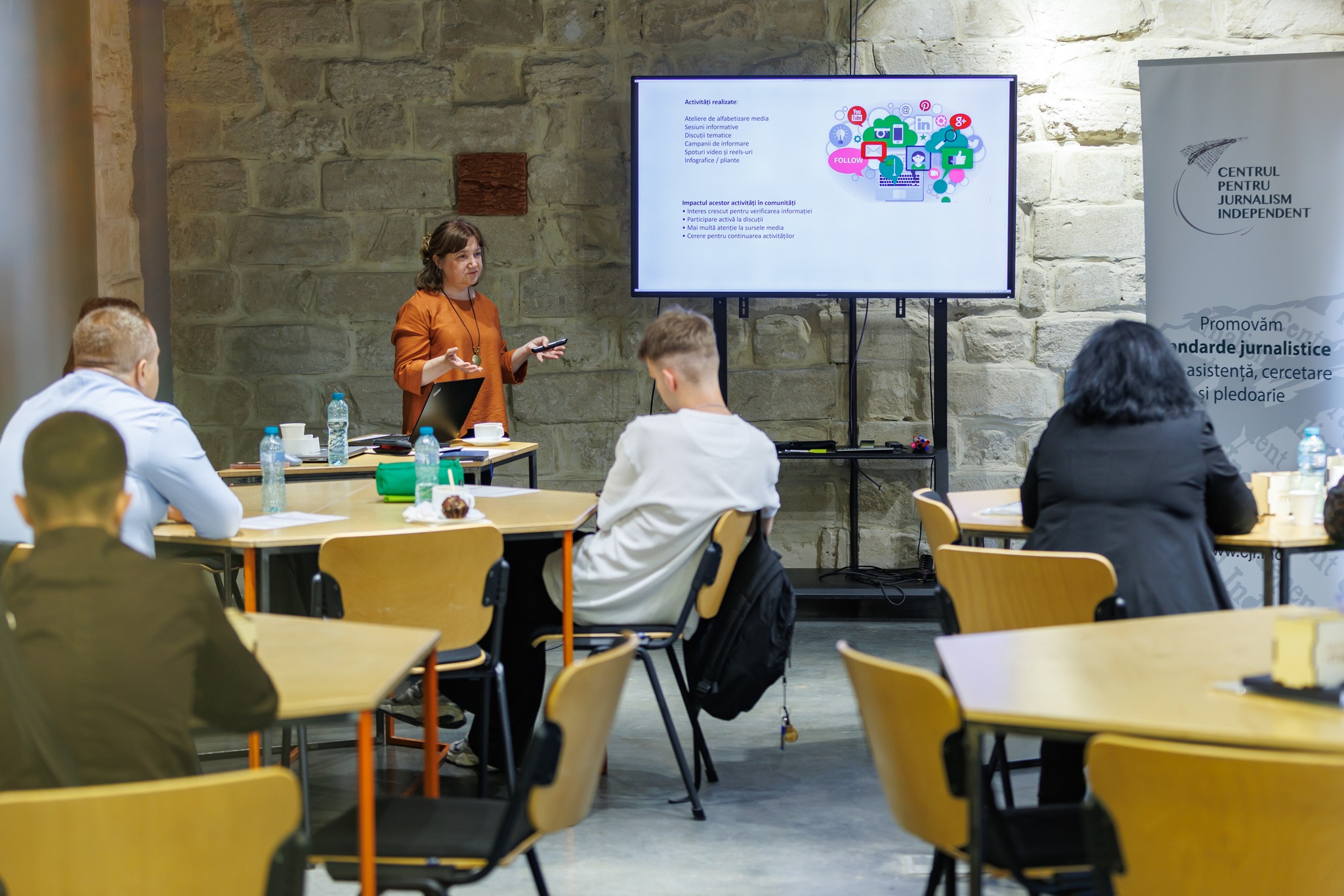
Victoria Tataru, IJC Programme Coordinator, reviewed the activities implemented under the programme and emphasised the increasingly important role of civil society organisations in promoting media literacy.
“In a society overwhelmed by information, where falsehoods often spread faster than facts and emotions are frequently exploited for manipulation and propaganda, NGOs are essential partners in strengthening media literacy. It is encouraging that the training delivered in February did not end with the workshops themselves. You demonstrated responsibility and civic engagement by reaching out to organisations and communities, planning activities and sharing the knowledge you gained. In doing so, you helped people strengthen their ability to analyse, verify and understand information from both traditional media and online platforms, recognise disinformation, use social media safely and avoid digital traps,” she noted.

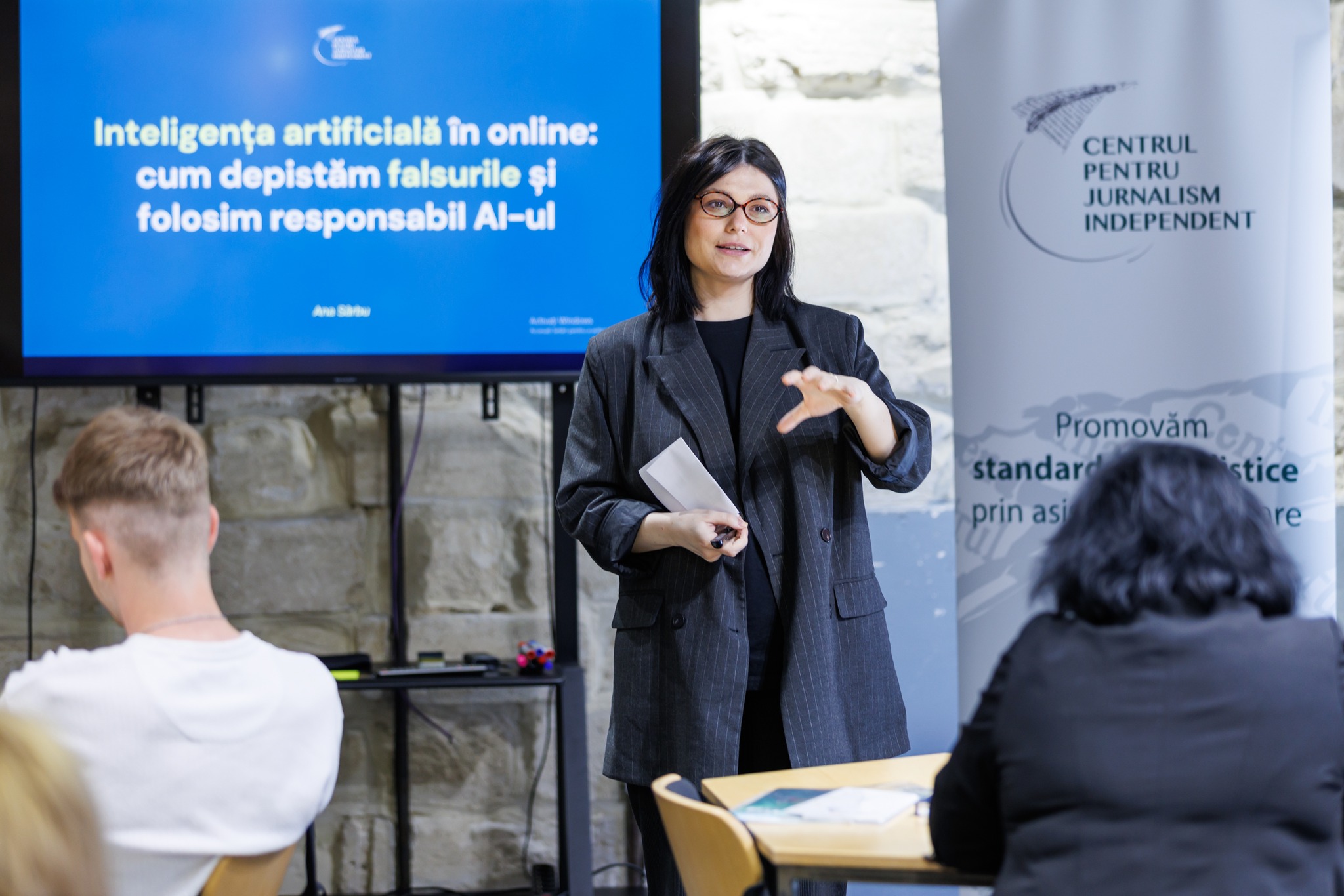
Ana Sârbu, media literacy expert and trainer within the programme, spoke about the growing challenges posed by artificial intelligence and demonstrated practical ways of identifying AI-generated false content. She also encouraged participants to use emerging technologies responsibly in their professional activities.
“Critical thinking does not develop overnight. However, every well-timed question and every evidence-based discussion contributes to building a community that is better informed and more resilient to disinformation and propaganda. We already know that emotion is not information, and that a story’s popularity online does not guarantee its accuracy. Media literacy makes the difference, and the voice of civil society can amplify critical thinking throughout communities,” she said.
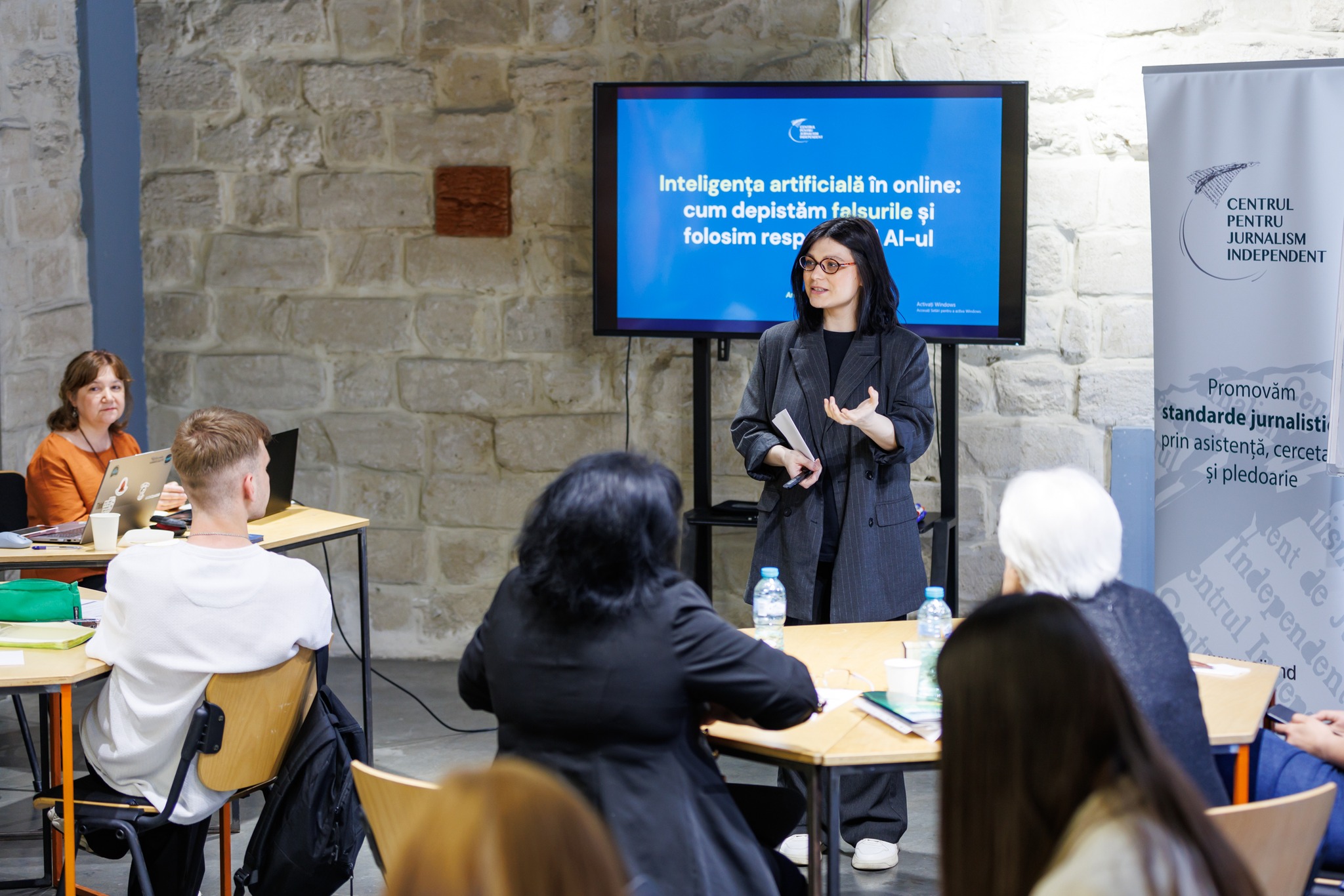

The event also provided an opportunity for participants to share the results of their initiatives. Representatives of local non-governmental organisations, community leaders and opinion leaders from youth centres, media production and media education centres, local action groups, vocational schools and charitable foundations presented their experiences, lessons learned and best practices, while also exploring opportunities for future collaboration.
Ala Bugai, President of the NGO Femeia de Azi from Drochia, presented three activities implemented with around 70 young participants. These included the workshop Reflecting Together: Intergenerational Dialogue for Accurate Information, organised at Viorel Cantemir Gymnasium in Sofia village, as well as the workshops Breaking Fake News in 90 Minutes and Resilient NGOs: Recognising and Countering Information Manipulation, held at the Young Writers and Journalists Hub within the Drochia Children’s Creativity Centre.
“The activities were very well received by young people, who proved to be active, responsive and genuinely interested in these topics. I was pleased to see that, afterwards, they began asking more questions and expressed a desire to bring discussions about media literacy to other young people living in rural communities,” Bugai said.
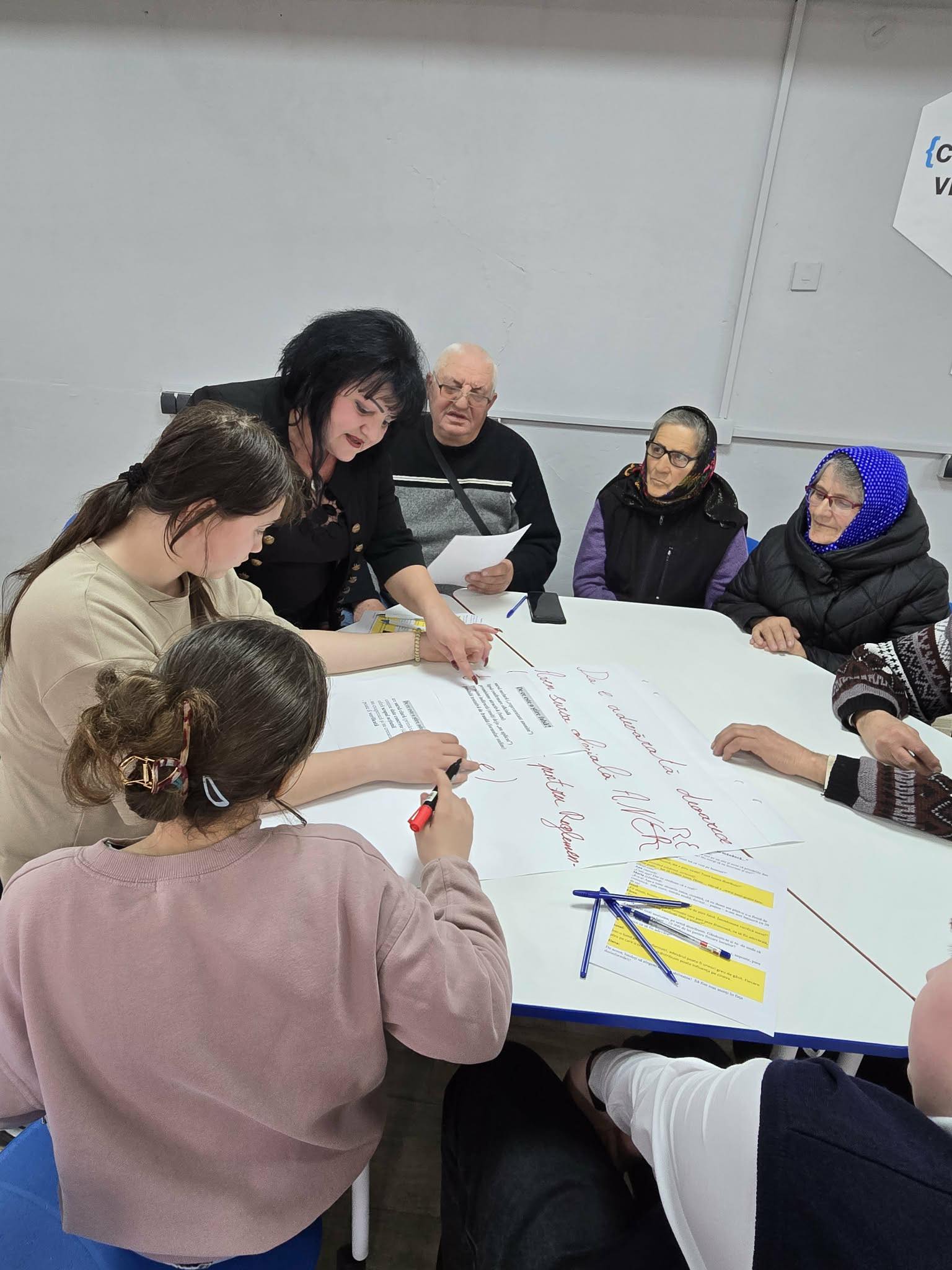
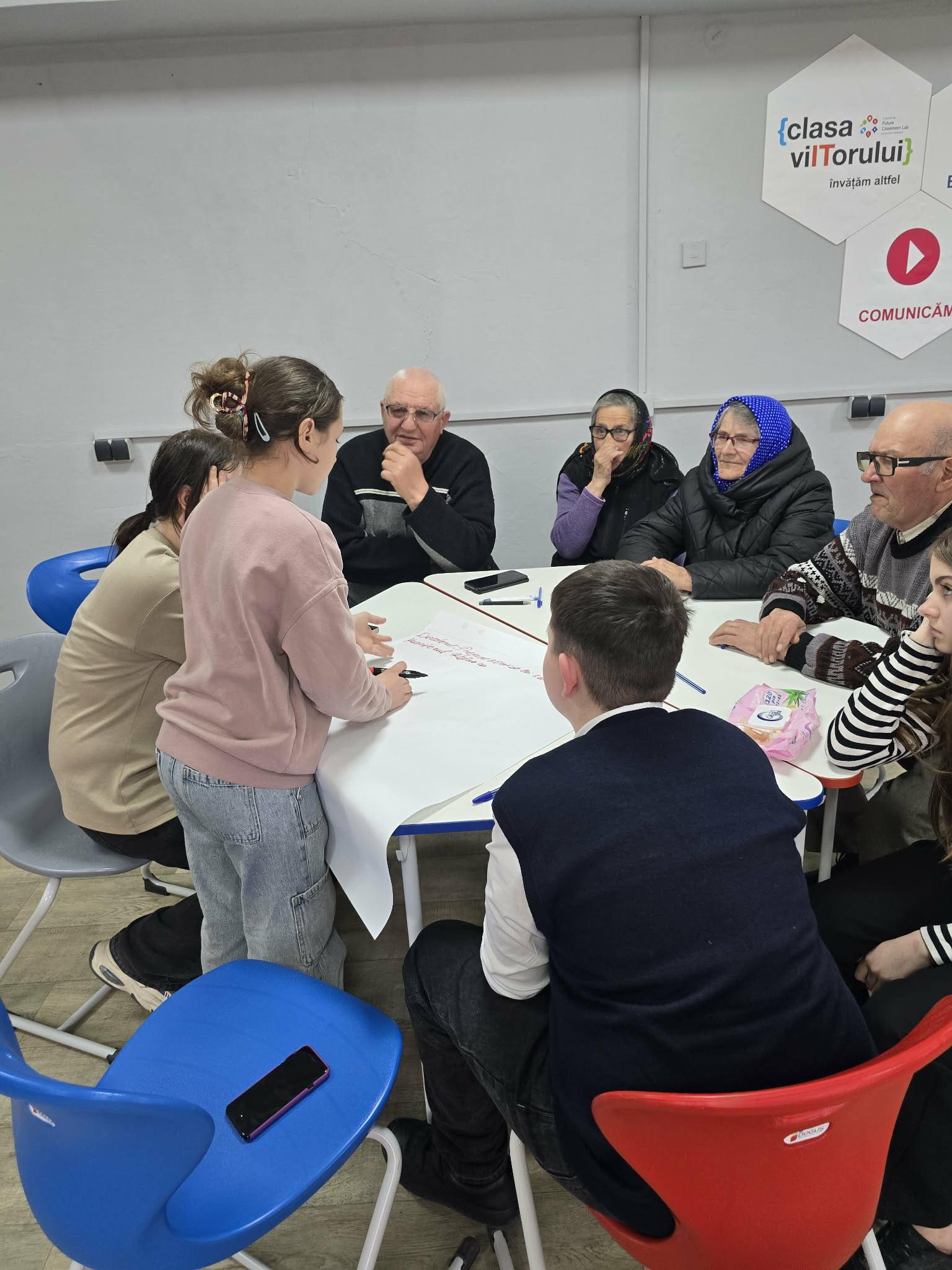
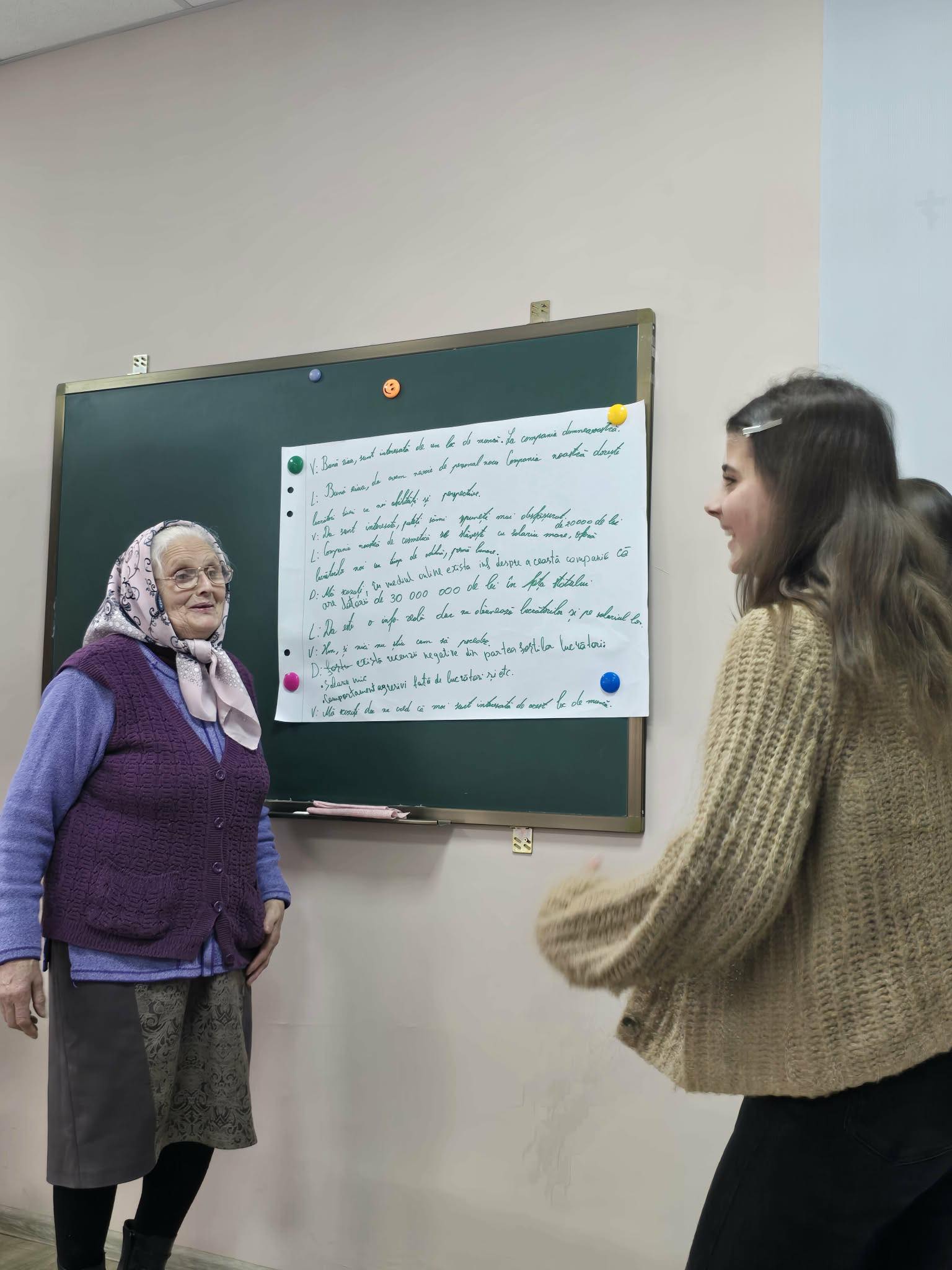
Galina Spătaru, President of the Network of Active Seniors of Moldova from Viișoara village, Edineț district, highlighted the importance of media literacy for older generations.
“We live in a digital age where each of us navigates an enormous volume of information. Sometimes it can be difficult to distinguish truth from manipulation and to find the arguments needed to convince those around us. For older people, this challenge is even greater, as many still tend to believe that everything they hear on the radio or see on television is true,” she explained.
To illustrate the impact of the activities, Spătaru presented a video showcasing sessions organised within the network. She noted that discussions about media literacy have already become a regular feature of meetings among senior citizens.
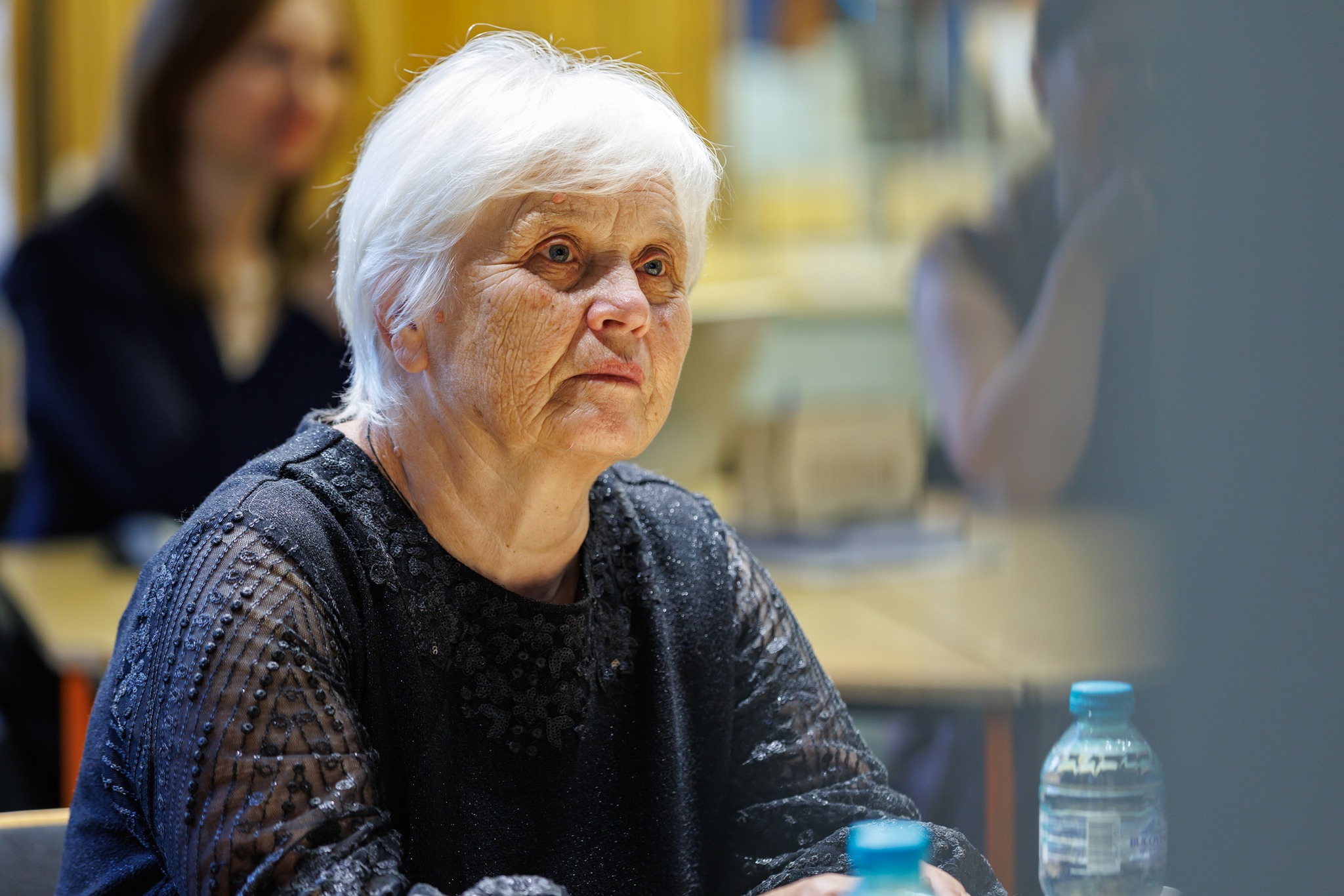


Serghei Mihai, leader of the initiative group Young Promoters of the Future, spoke about activities carried out at Vocational School No. 2 in Cahul. He noted that many students admitted finding it difficult to distinguish reliable news from false information.
“Participants were eager to learn about methods and tools for verifying information, including content generated using artificial intelligence. They recognised that the large volume of contradictory information circulating on social media can influence perceptions and distort reality,” Mihai said.


Ina Panfil, representing the NGO SinCopa from Florești, presented activities organised for the youngest beneficiaries—children aged between 5 and 14 who attend the Fireflies and Children’s Universe clubs at the Luceafărul Youth Club.
“Through interactive exercises, educational videos and real-life examples, children learned how to distinguish between information, opinion and rumours, identify manipulation and use simple fact-checking techniques. The activities were complemented by creative workshops involving recycled materials, helping to create an engaging and welcoming learning environment,” she said.
According to Panfil, the impact of the activities extended beyond the institution itself, as children continued discussing media literacy both at home with their parents and at school with their peers.
The event also featured video materials produced by programme participants. Cristina Caracas, representing the Children’s Media Production and Media Education Centre in Bălți, shared the story behind two short videos that generated significant engagement online.
The young protagonists of the videos had initially participated in media literacy activities.
“Inspired by what they had learned, they became interested in discovering how media content is produced, from filming to editing. As a result, they created videos that help young people better understand how media content is made and how false or manipulative information can be identified,” Caracas explained.
Other organisations also proudly showcased their initiatives. Cătălin Lisnic, a volunteer at the Wings of Life Youth Centre in Edineț, presented the information campaign Stop Fake News, aimed at both young people and adults in the community.

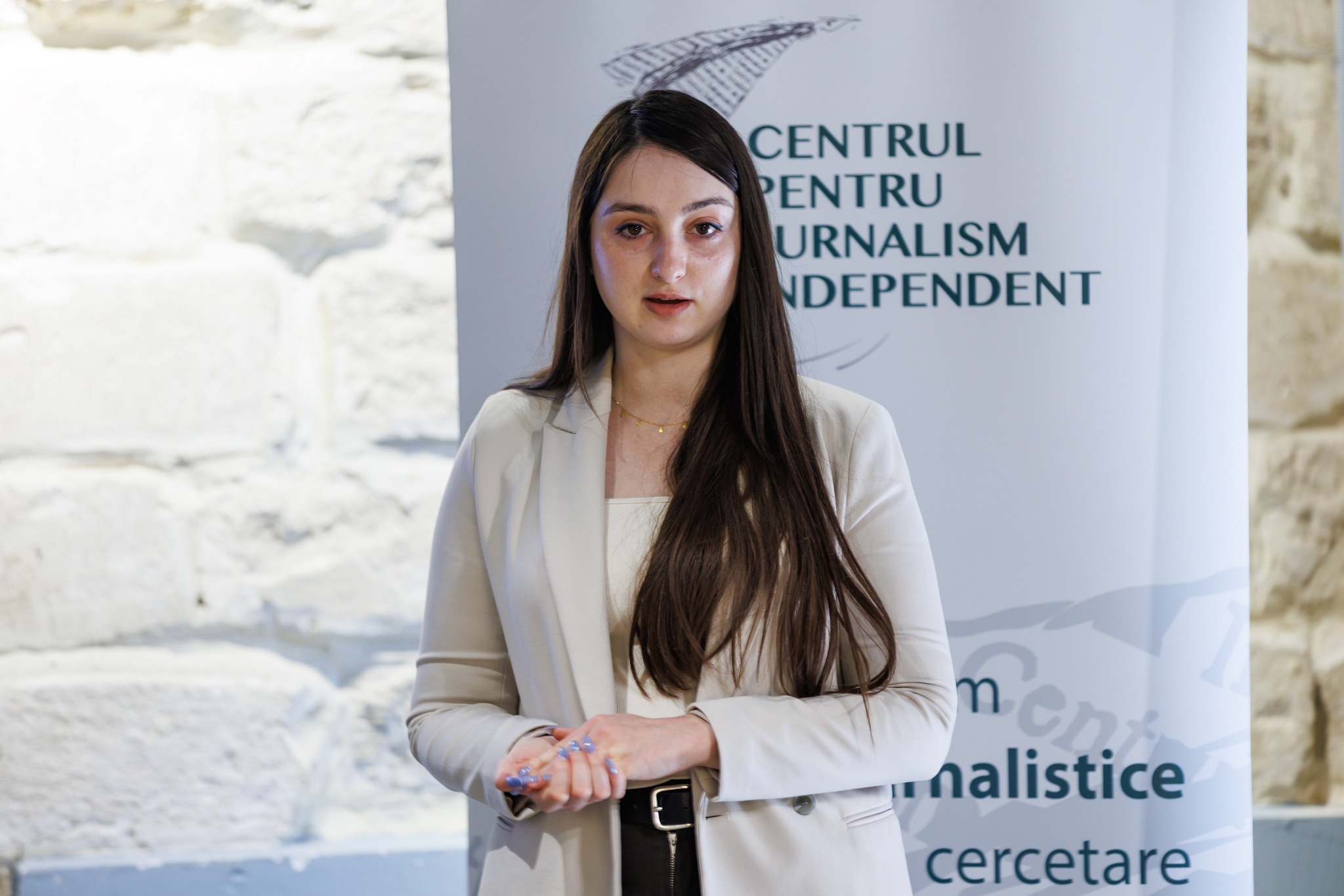
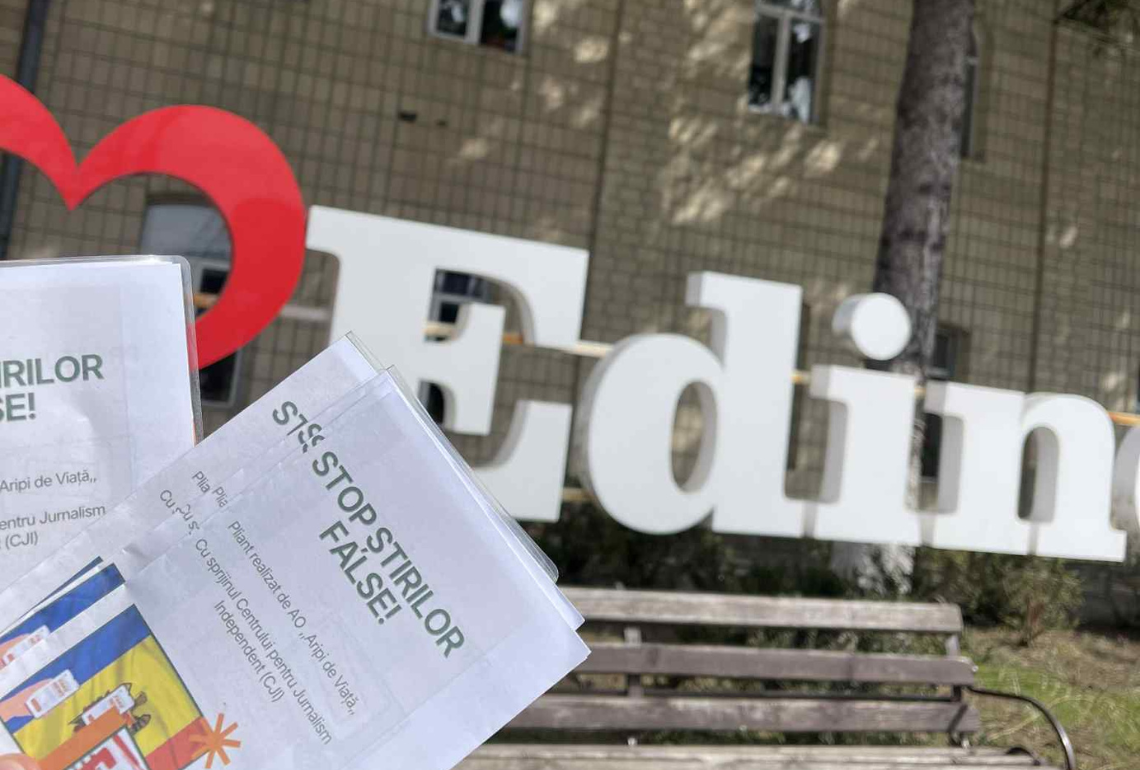


Svetlana Filippova, founder of the public association Magic, Education and Inclusion, highlighted the impact of activities organised for young people and adults with disabilities.
“This was a new experience both for me and for our beneficiaries. Interest was so high that, once the activities had ended, we received additional requests to participate. I sought to make the sessions as interactive and accessible as possible, using practical examples and exercises that helped participants understand how to verify information and avoid disinformation,” she said.
Media literacy was also a new area of work for Natalia Zaiaț, Director of the Local Action Group Ocolul Cubolta in Dondușeni.
“The primary mission of local action groups is to implement economic development projects. However, because we also promote social cohesion, media literacy activities integrated very naturally into our work. The information and messages promoted through the project reached all 17 member communities of our local action group,” Zaiaț noted.
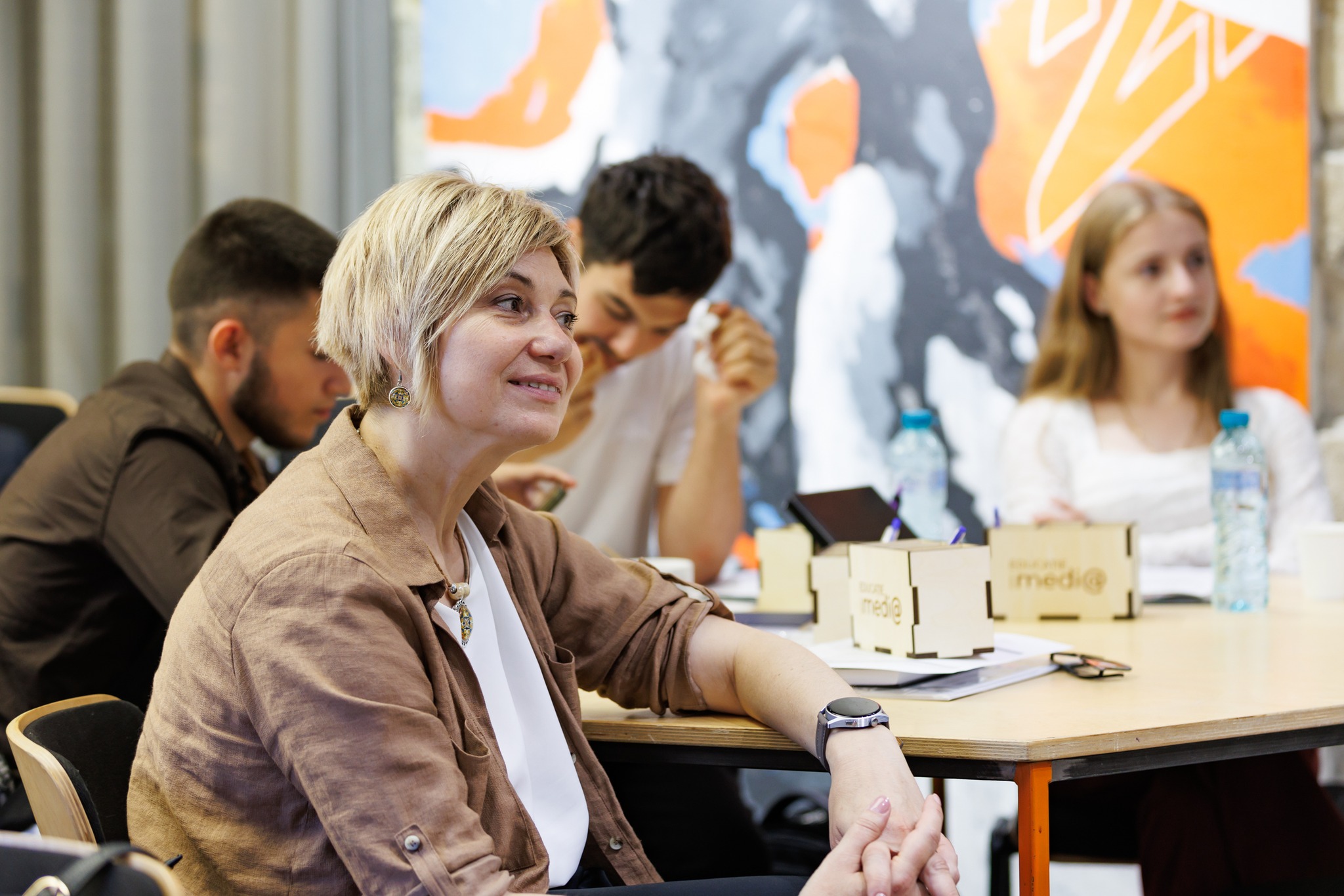
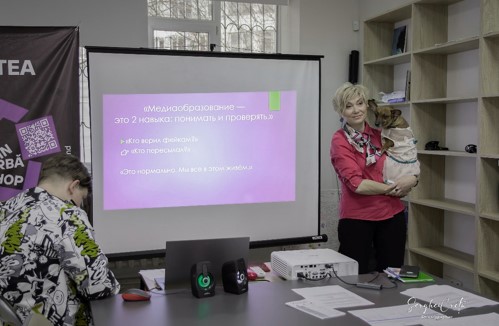
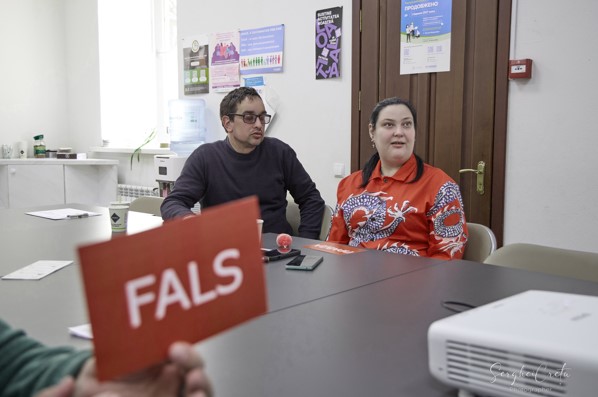


The experiences shared during the event demonstrated that media literacy can serve as an effective instrument for strengthening social cohesion and civic engagement. In an era where every citizen is both a consumer and a creator of information, the ability to think critically, verify information and make informed decisions remains more important than ever.


The closing event of the Media Literacy for NGOs programme was organised within the project “Fostering social cohesion and trust through media literacy and inclusive media content”, implemented by the Independent Journalism Center from October 1, 2025, to June 30, 2026, with the support of Switzerland.

