


Inclusion and critical thinking. Teachers learned how to make media education accessible to students with special educational needs
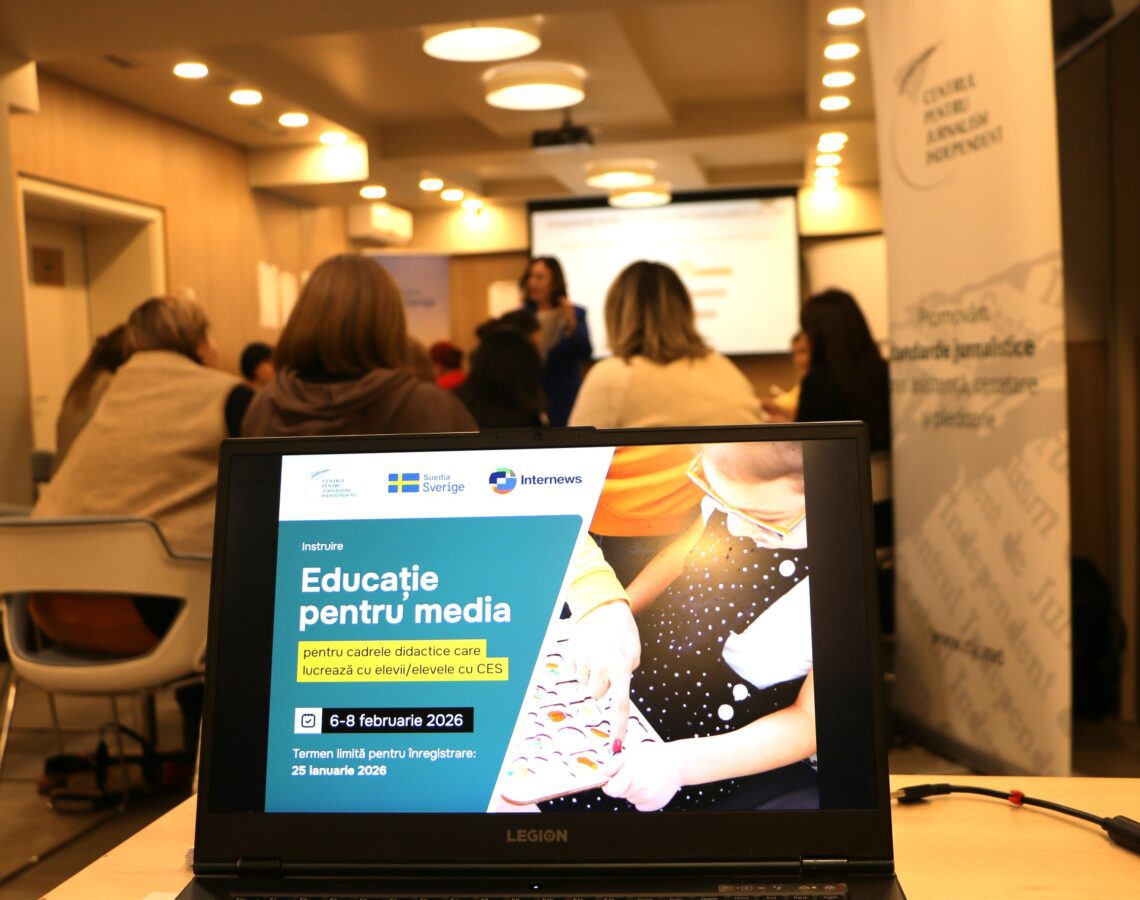
Twenty teachers who have students with special educational needs in their primary and secondary school classes learned ways to integrate media education concepts into inclusive teaching activities. The training program took place in Chisinau from February 6 to 8, 2026, and the trainers were Loretta Handrabura and Natalia Grîu.
At the beginning of the training, Mariana Tabuncic, IJC program manager, gave an overview of the IJC activities in the field of media education. “In the nearly a decade that we have been involved in media education, we have developed two editions of Media Education textbooks in Romanian and Russian, trained hundreds of teachers, and created various educational resources so that the subject of Media Education could take root in our schools. Now, through this training, we aim to make media education inclusive and media education concepts accessible to students with special educational needs. We hope that the training will provide you with the knowledge and tools you need to effectively integrate media education concepts into inclusive teaching activities,” said Mariana Tabuncic.
The program has been adapted to address the challenges faced by students with special educational needs. During the training, participants learned how to develop students’ critical thinking through media education, how to use media literacy techniques and tools adapted to inclusive education, practiced various inclusive learning methods, and were familiarised with media education resources adapted for students with special educational needs created by the IJC.
The training was based on the curricula of the optional Media Education courses at primary and secondary school level, as well as the updated version of the Media Education textbooks. The digital version of the textbooks of the same name was also used, and video media education lessons for students with hearing impairments were presented and used. Participants also received as working tools scenarios for educational games with assessment indicators for students with special educational needs, game cards, a guide for teachers working with students with special educational needs, a guide for parents of students with special educational needs, and parent-school commitment forms.
During the training program, teachers addressed topics such as online safety, information quality, the impact of audiovisual media on media consumers, virtual games, etc. All topics were presented from the perspective of inclusive teaching. Teachers also learned what media education activities can be organized in the classroom to maintain the interest of students with special educational needs and how they can collaborate with the parents of children with special educational needs to build an inclusive classroom environment.
“Media Education becomes truly relevant when every student feels seen, heard, and supported. When working with students with special educational needs, we don’t just focus on adapting content. Much more important is creating a space of trust where the student feels safe,” said Loretta Handrabura.
“Inclusion in media education means turning classroom diversity into a resource. When we provide accessible tools and flexible methods, we give students with special educational needs the chance to understand how the world of information works, to develop their critical thinking, and to convince themselves that their voice matters,” emphasized Natalia Grîu.
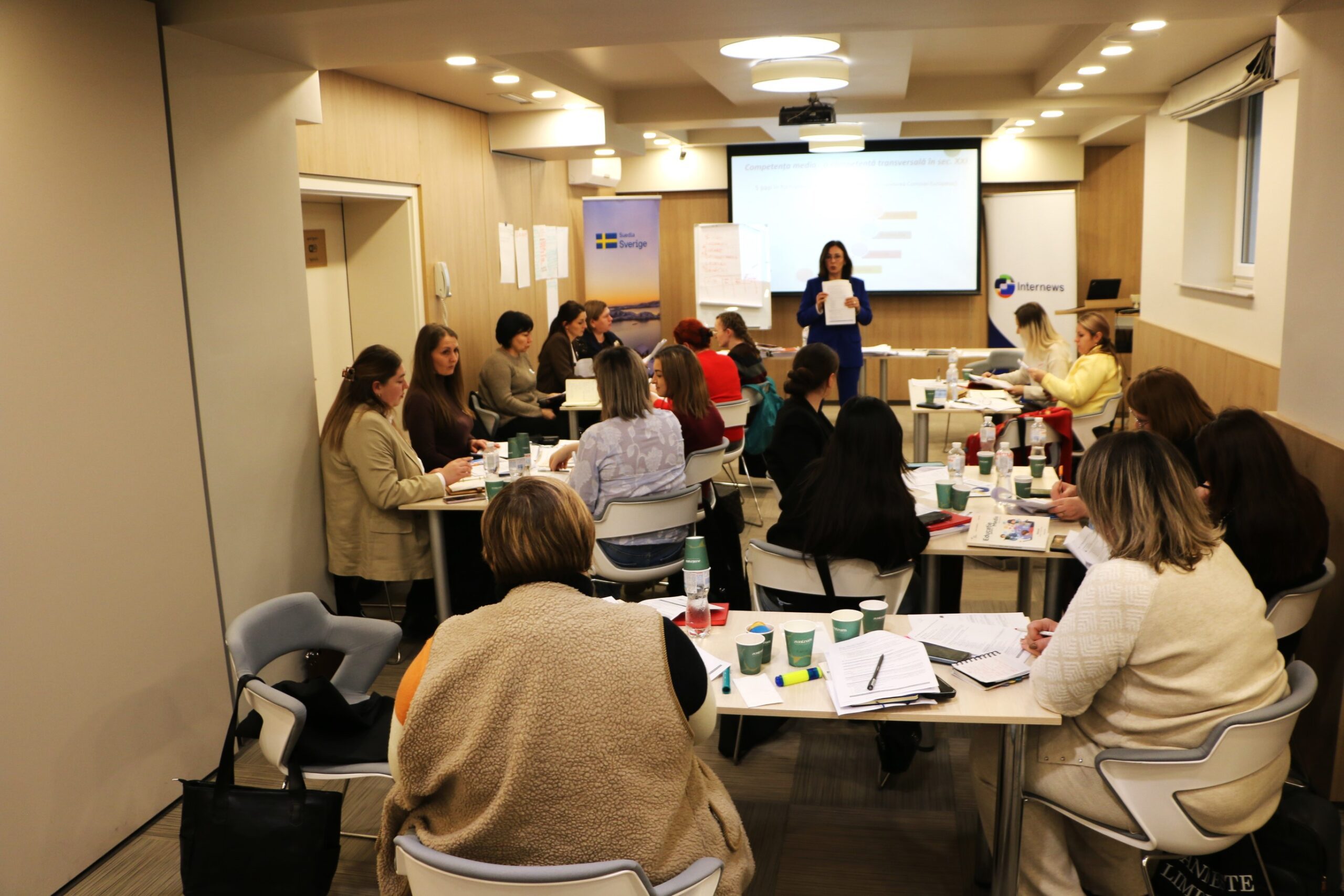
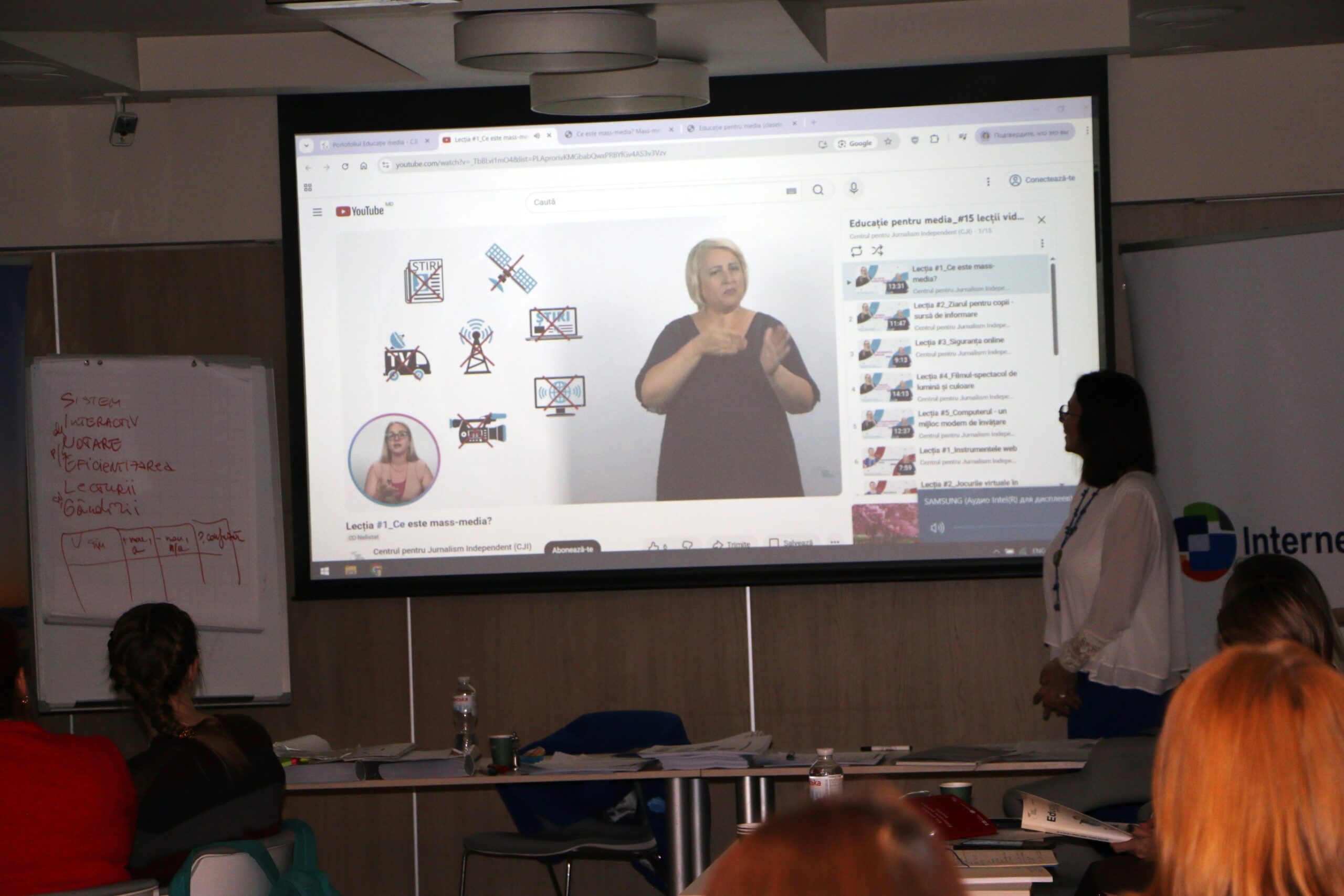
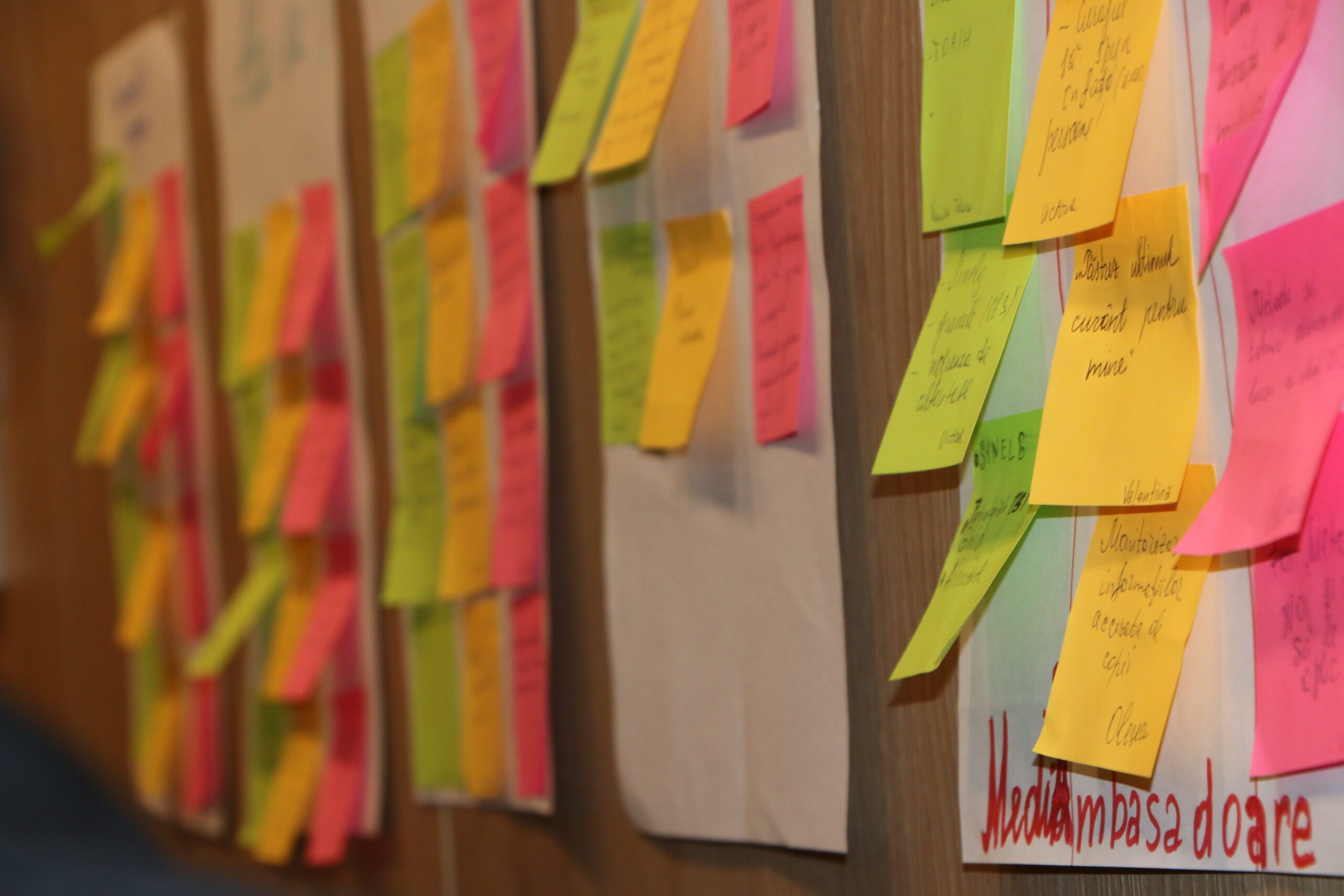
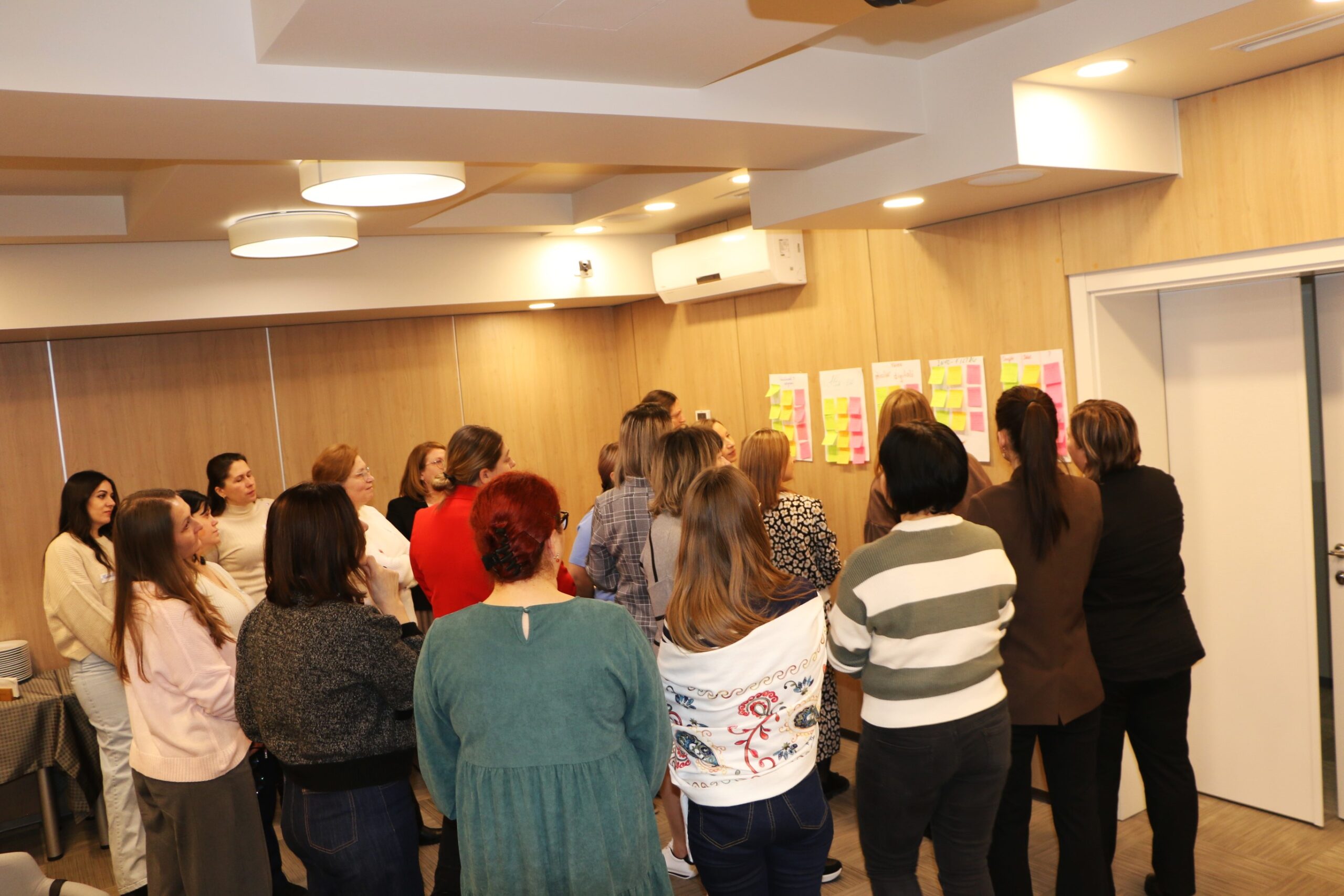
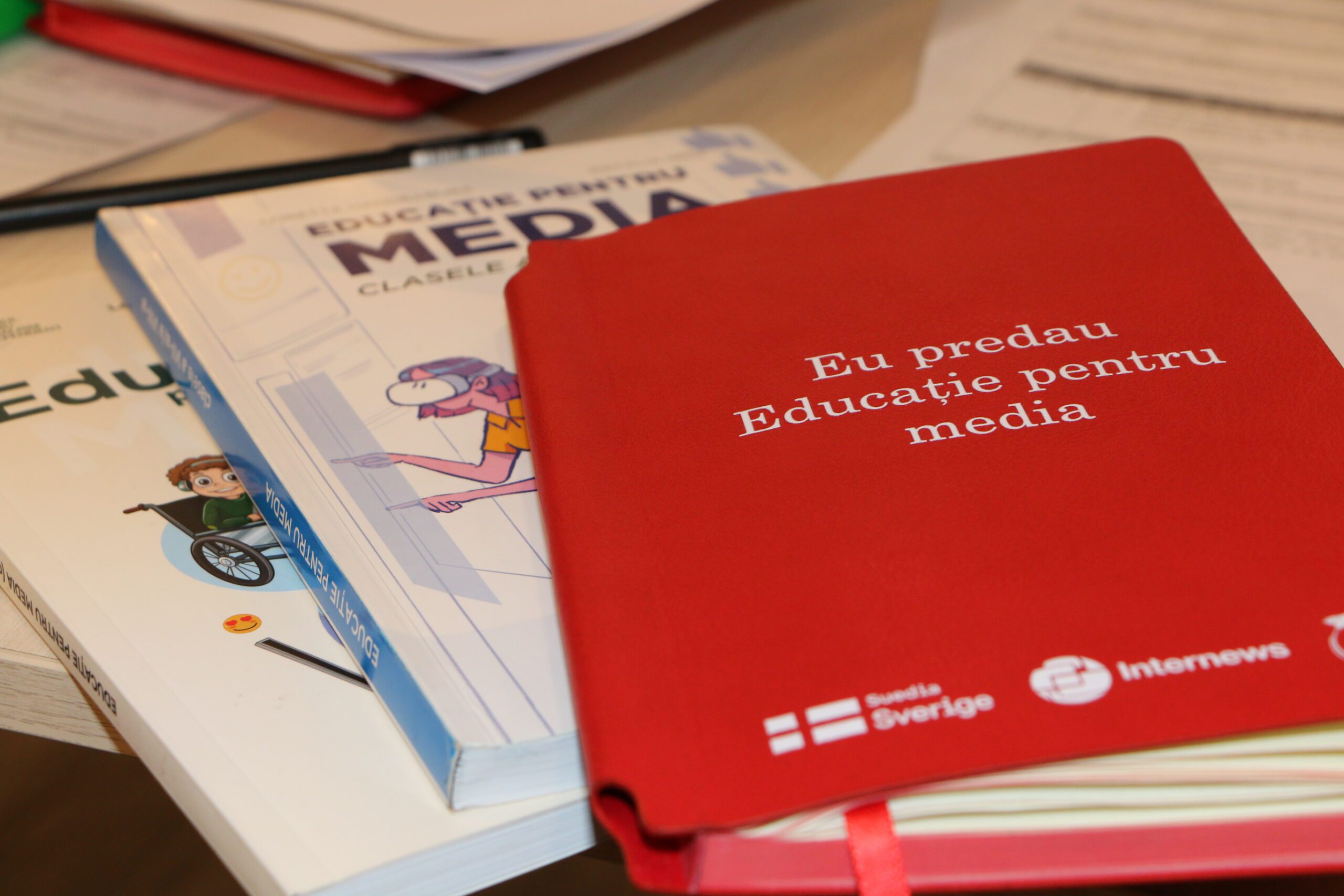
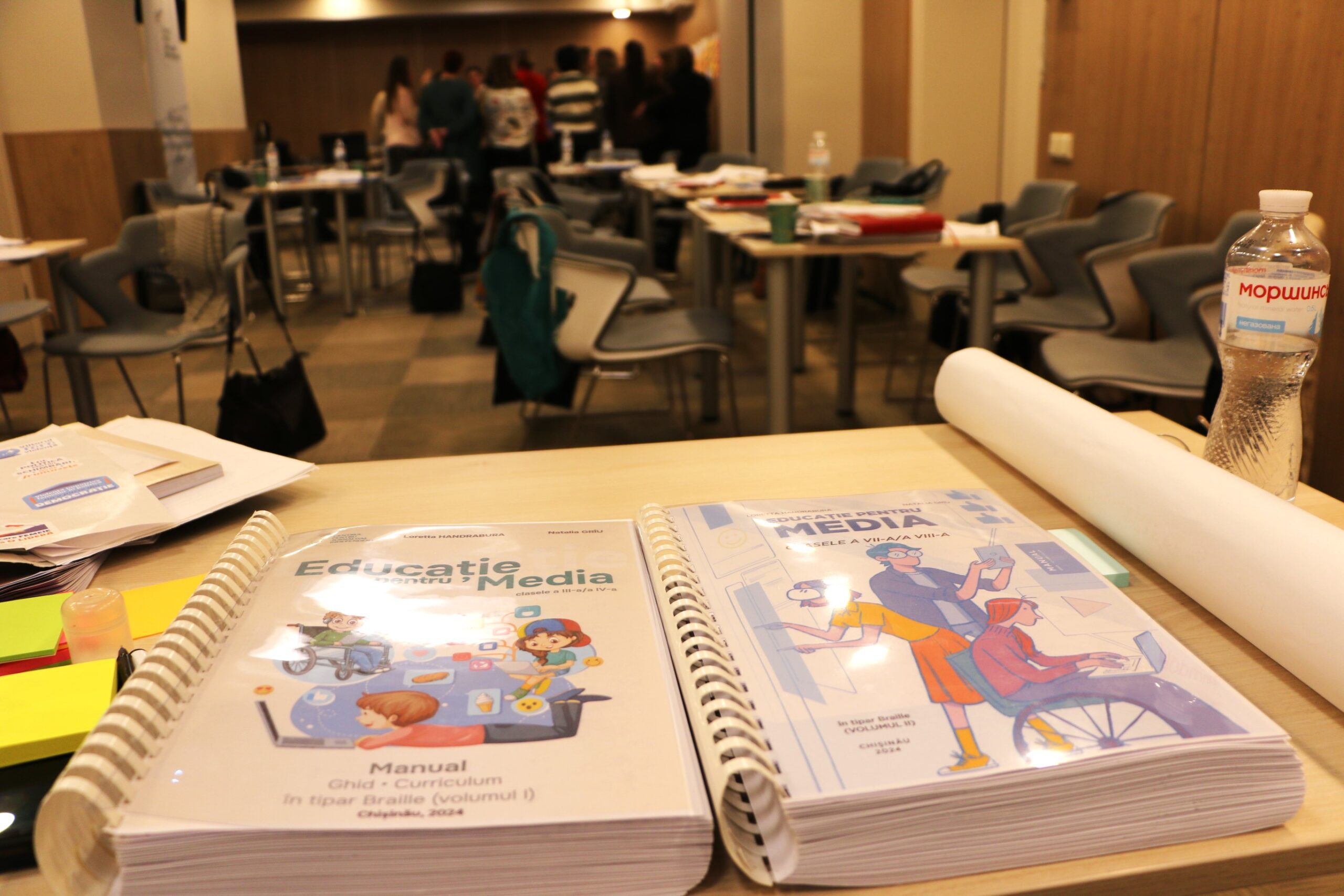
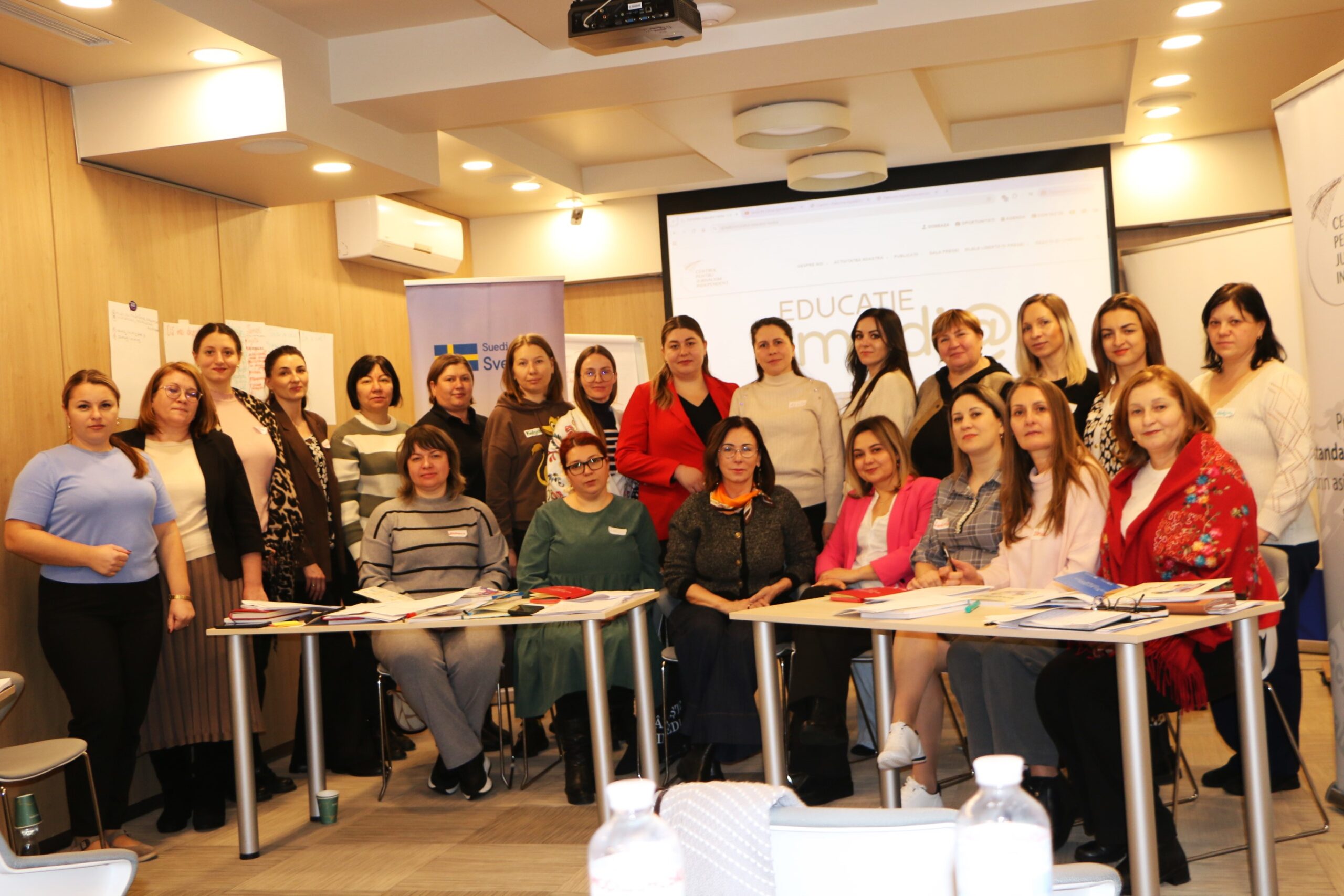
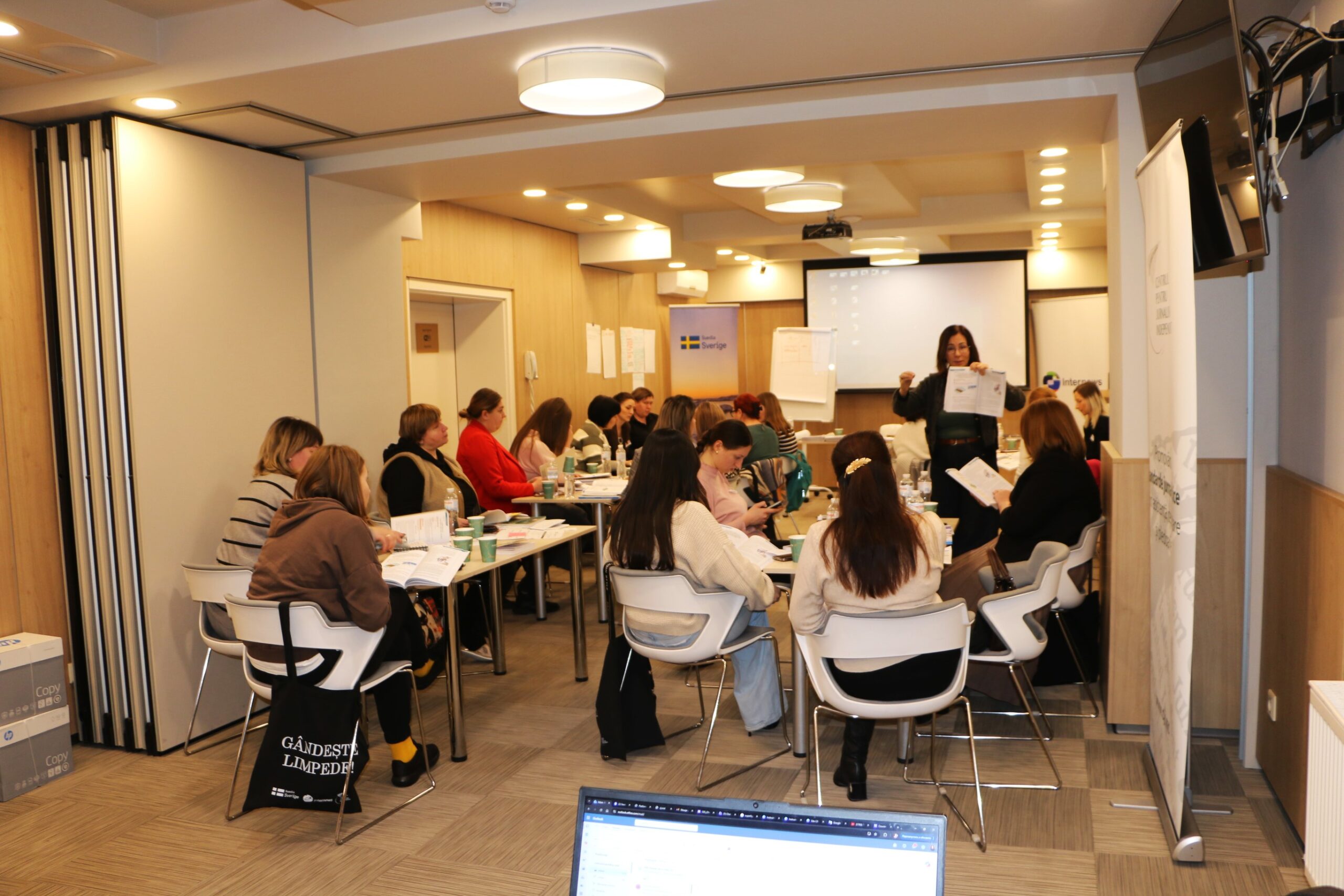
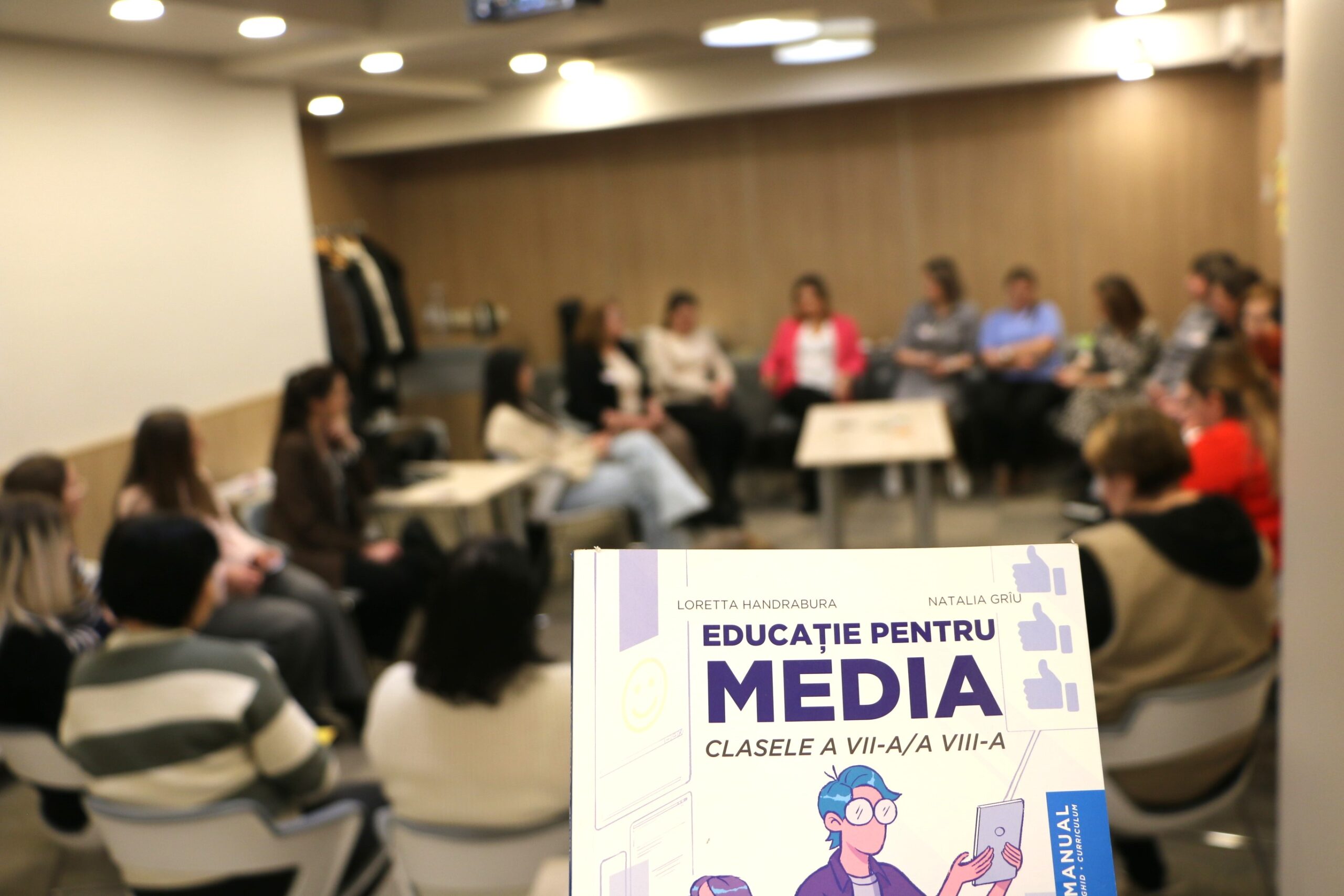
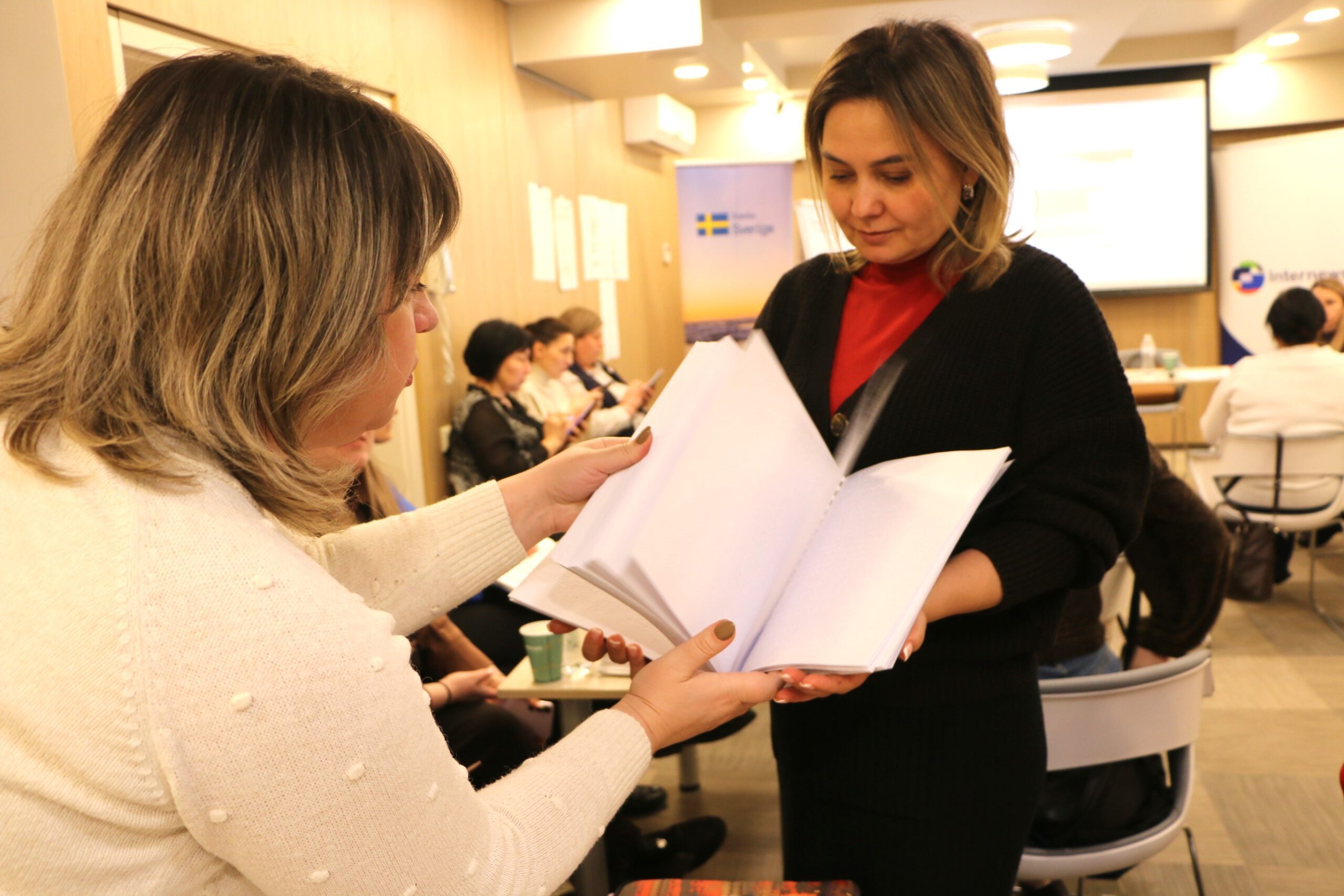
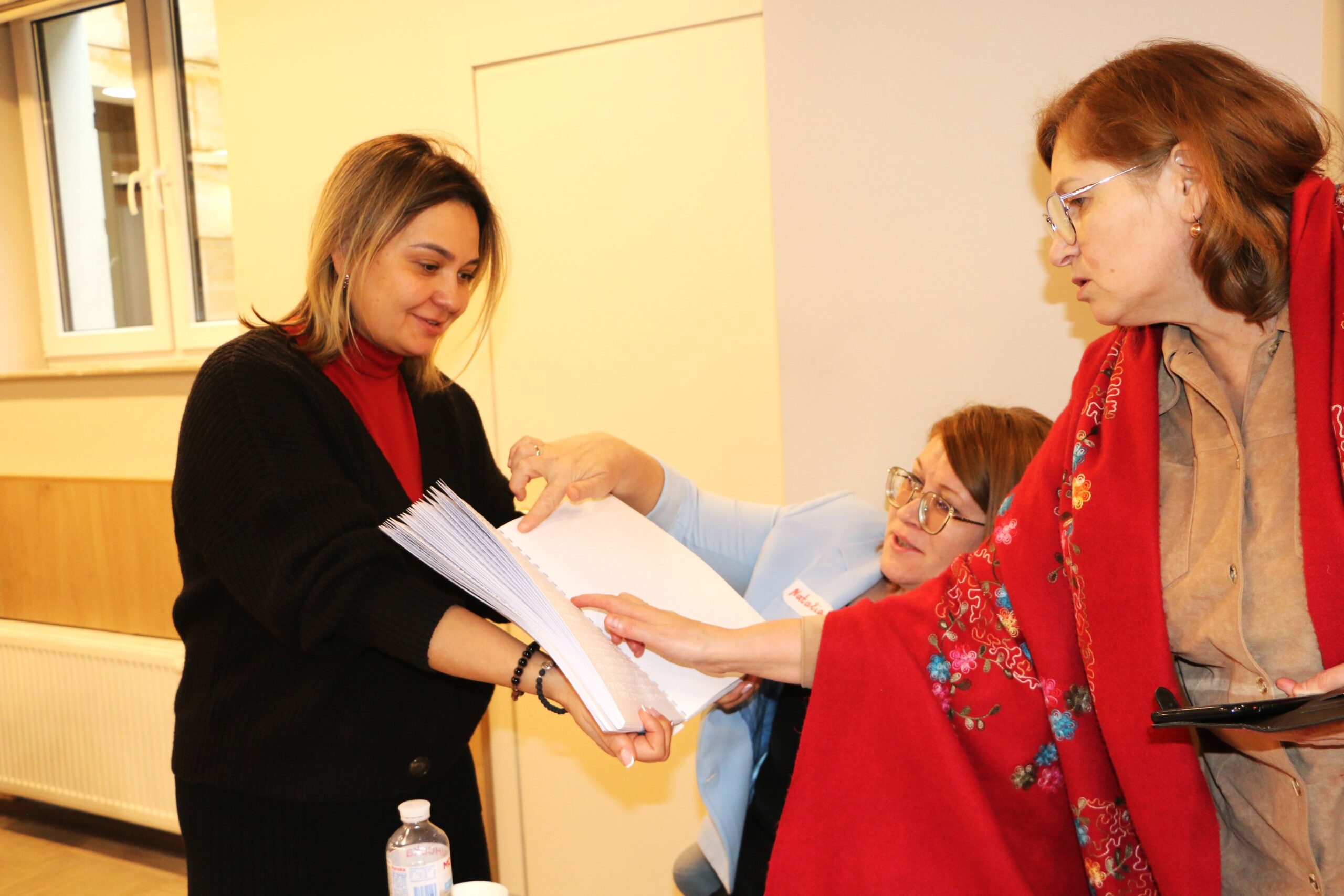
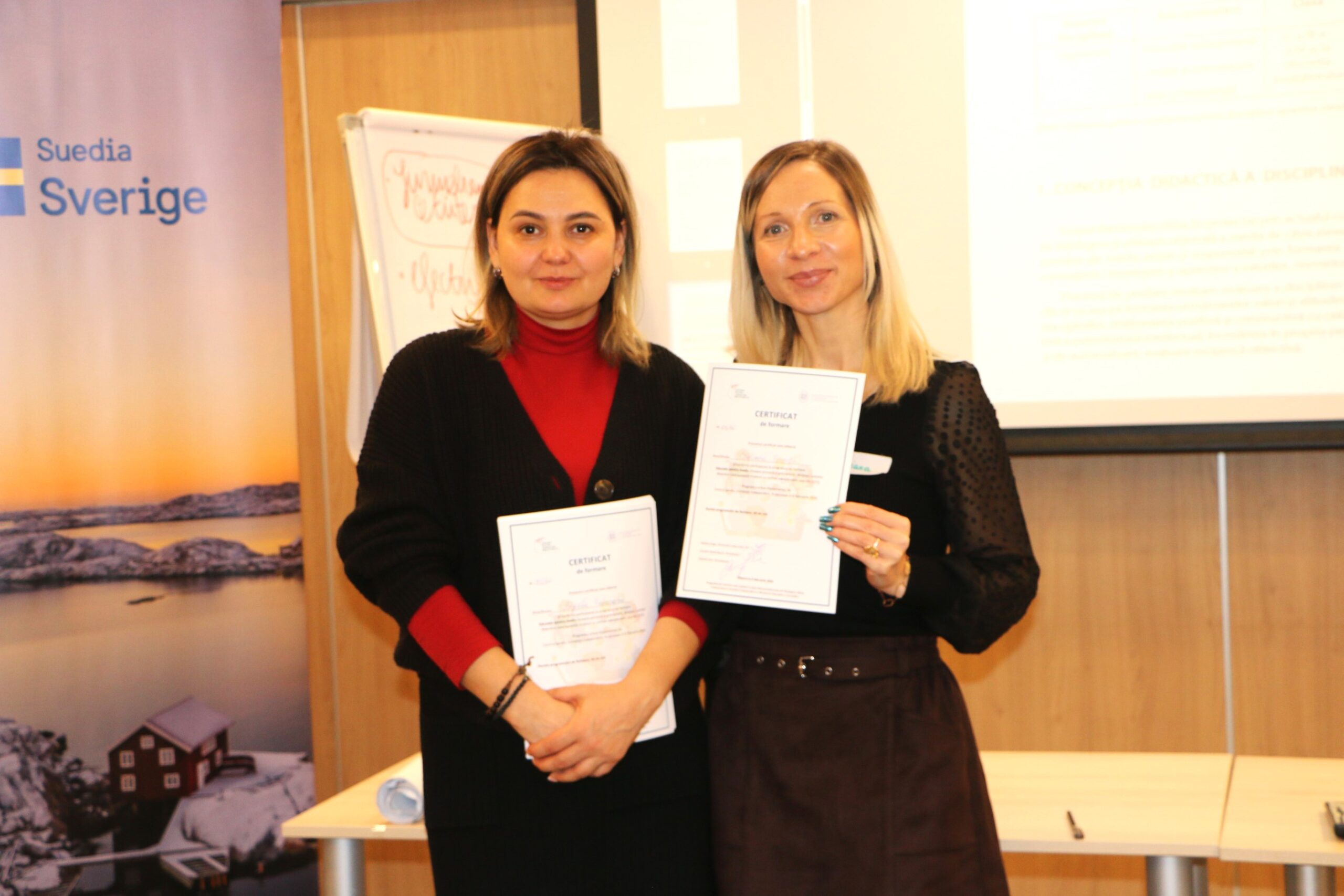
Teachers were encouraged to promote an inclusive approach in the teaching-learning process at school.
Iuliana Terentii, teacher at Special School No. 12 for children with hearing impairment, Chișinău municipality:
This media education training program was more than a learning experience. It was a step towards a more conscious, inclusive, and open education for all. I discovered valuable tools, inspirational ideas, and dedicated people who believe in the power of media education to build bridges, not barriers. I leave here with a sincere desire to return and continue to grow through learning.
Ludmila Seminiuc, support teacher, Mihai Eminescu Theoretical High School, Falesti:
During the training, I received not only valuable information, but also practical tools designed to transform theory into meaningful activities tailored to the needs of students with special educational needs. The intelligence and professionalism with which this course was presented gave me the confidence and energy I needed to become more creative in my daily work. I am grateful for the way you have managed to bring depth to education, offering a lesson in dedication that will be passed on to my young students. I received not only useful tools for the teaching process, but also the motivation to bring about change in working with students with special educational needs.
Mihaela Bradu, teacher at Mircea Bologa Gymnasium, Parcova village, Edinet district:
We appreciate the effort, the quality of the content, and the learning atmosphere that motivated, challenged, and inspired us. This training helped us, first of all, to develop our media skills and, secondly, to better understand the needs of students with special educational needs. We will certainly apply many of the adapted methods and tools in our teaching activities to make media education inclusive.
To date, the IJC has trained 253 primary school teachers, 263 secondary school teachers, and 361 high school teachers. The optional course Media Education has been taught in Moldovan schools since 2017 and is included in the framework program of the Ministry of Education and Research of the Republic of Moldova at all three levels of education – primary, middle, and high school. The IJC has developed the Media Education curriculum and textbooks, which are provided free of charge to educational institutions.
This activity is part of the project supported by Sweden “Media Literacy Advancement and Support to Moldovan Media” and implemented by Internews, which aims to contribute towards the growth of a diverse, independent and financially viable media landscape in Moldova, and to empower Moldovan youth to navigate their complex information environment.
