


The IJC launches the 2026 Media Information Literacy Index, measured for the first time in the Republic of Moldova
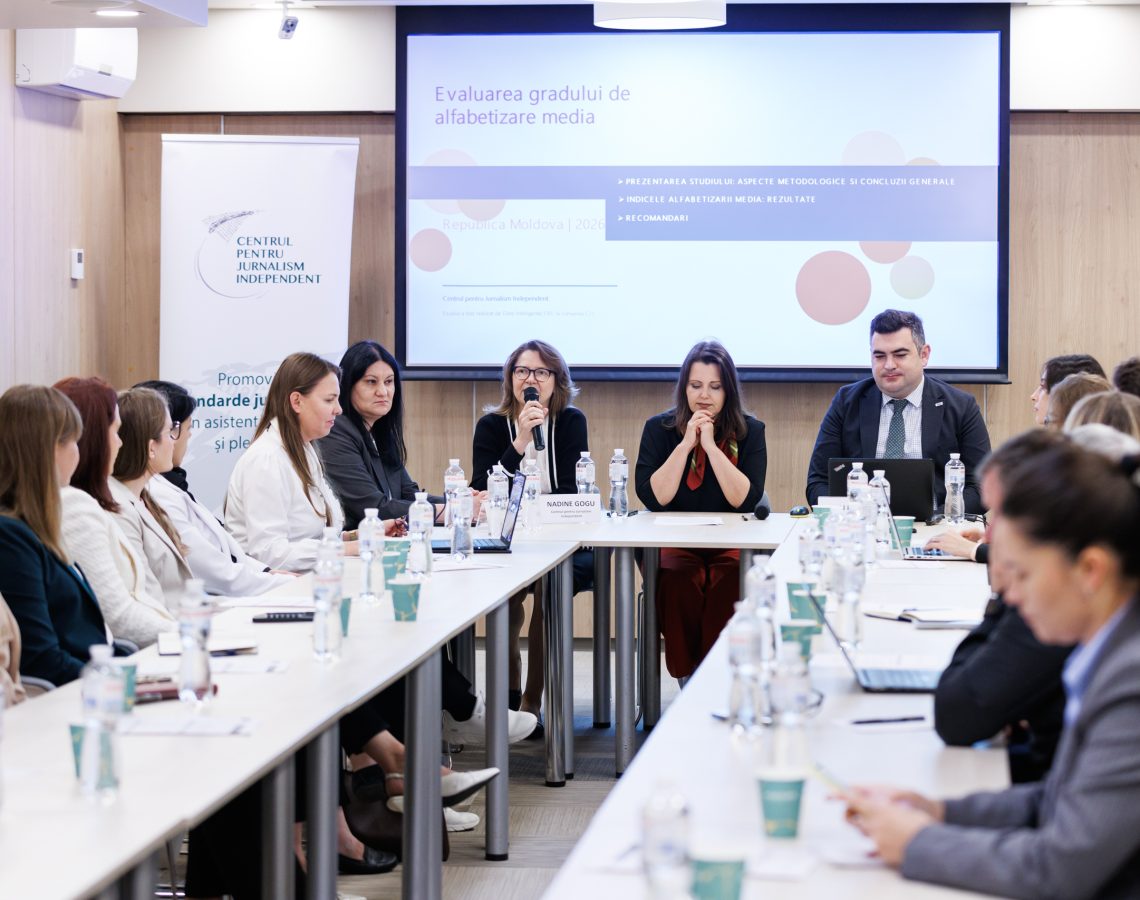
The overall level of media literacy in the Republic of Moldova is moderate, while nearly half of the population remains vulnerable to disinformation. This is one of the key findings of the study” Assessment of the Level of Media Information Literacy in the Republic of Moldova”, launched by the Independent Journalism Center (IJC) on September 23. The study was conducted by the sociological research company Date Inteligente at the request of IJC.
The research shows that Moldova’s national Media Information Literacy Index (MIL) for 2026 has an average score of 55.1 points. At the same time, 48.3% of respondents fall within the critical and low media literacy categories. The data reveal considerable disparities by age, region, and area of residence. Higher levels of media literacy are found among younger people, urban residents, and people living in Chișinău municipality. By contrast, older people, rural residents, and people living in certain regions of the country record lower levels of media literacy.
According to the research, the greatest vulnerability lies in people’s ability to act when exposed to disinformation. The lowest-scoring dimension of the MIL is civic action and the reporting of disinformation, at 19 points, compared with 83.5 points for the responsible sharing of information. The findings show that people are far more likely to refrain from sharing problematic content than to report it or take other steps to counter it.
Citizens say they can identify certain signs of suspicious content, but they do not always verify the information. Most respondents can recognize some common indicators of problematic content. For example, 58.6% consider the absence of an author’s name to be a red flag, while 72.2% view excessive emotional language as suspicious. However, only 35.1% of those surveyed say they would actively verify a questionable news story.
Another finding of the study is that fact-checking skills are acquired primarily through individual learning. Media literacy relies largely on personal experience and to a lesser extent on formal education. A total of 44.7% of respondents say they taught themselves how to verify information, while 18% acquired these skills from friends or people they trust. At the same time, 14.6% of respondents acknowledge that they do not know how to verify information. Lack of time is the main obstacle to participating in training activities, cited by 38.9% of respondents.
Artificial intelligence poses a new challenge to media literacy. The research confirms that part of the population has limited knowledge of how AI-generated content is created and does not yet have the skills needed to critically assess its authenticity. The use of AI tools is far more common among young people aged 18–29 (84.1%) than among people over the age of 67 (16.7%), while the ability to verify the outputs generated by these tools remains limited.
Social media dominates news consumption, although television remains relevant. According to the survey, social media is the main source of information for 69.3% of respondents, while 46.4% obtain information from television. People combine digital and traditional sources, but internet use varies significantly by age, indicating that access to information is not equal across all population groups.
The study was conducted to examine how Moldova’s adult population accesses information and interacts with media content. It explores several key areas: the channels through which people access information; the criteria they use to select and assess sources, as well as their level of trust in those sources; their ability to identify problematic content and verify information, along with the obstacles they encounter in doing so; and their perceptions of the risks posed by disinformation, manipulation, and AI-generated content.
“The Media Information Literacy Index shows us where the greatest vulnerabilities lie, which population groups need more support, and how we can intervene to ensure that media literacy initiatives are effective and have a meaningful impact,” said Nadine Gogu, Executive Director of the IJC. According to Gogu, the study provides a benchmark for future research, as its methodology enables media literacy levels to be measured over time. “We hope the findings will be put to practical use by newsrooms, educational institutions, libraries, public authorities, digital platforms, civil society organizations, and development partners,” she concluded.
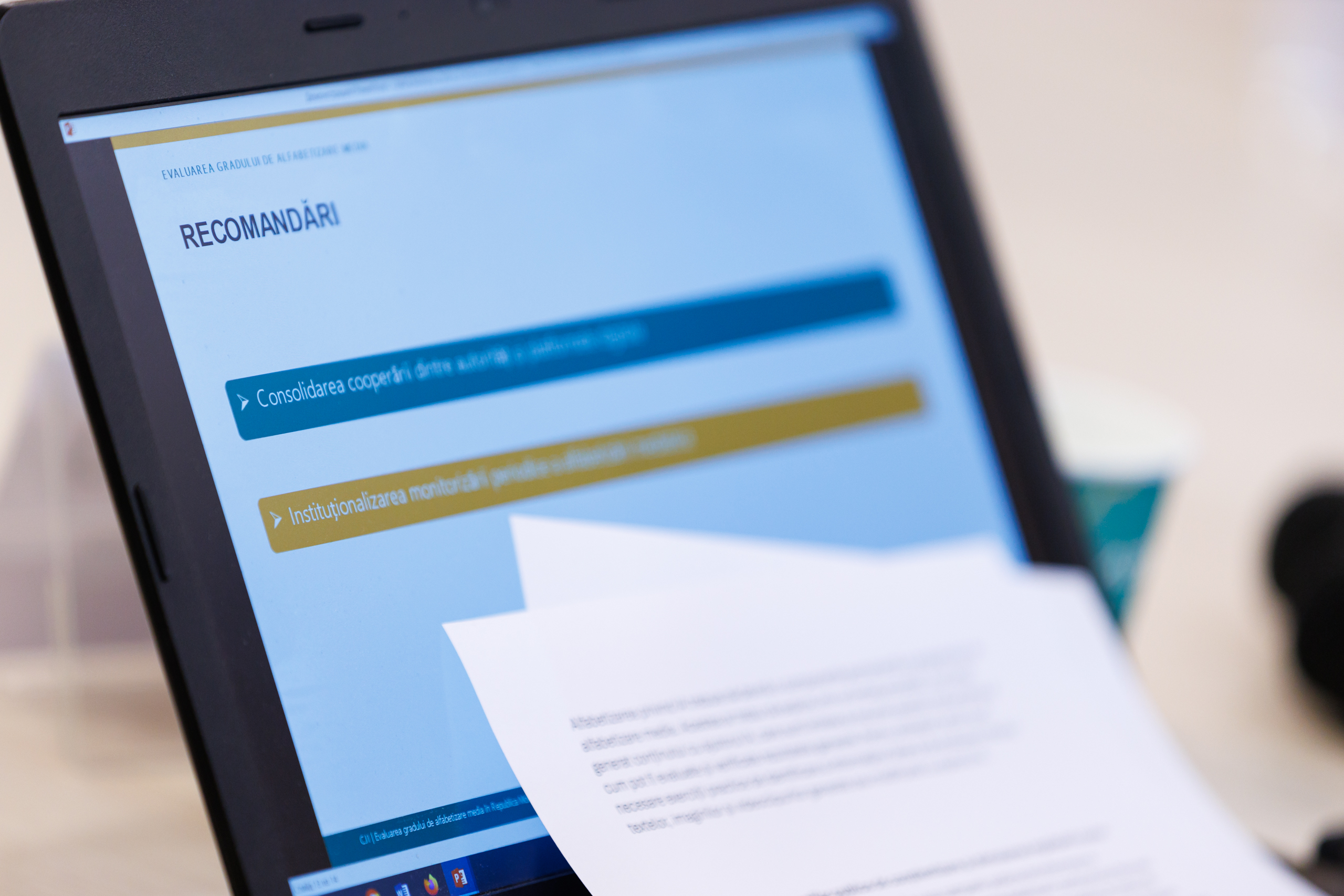
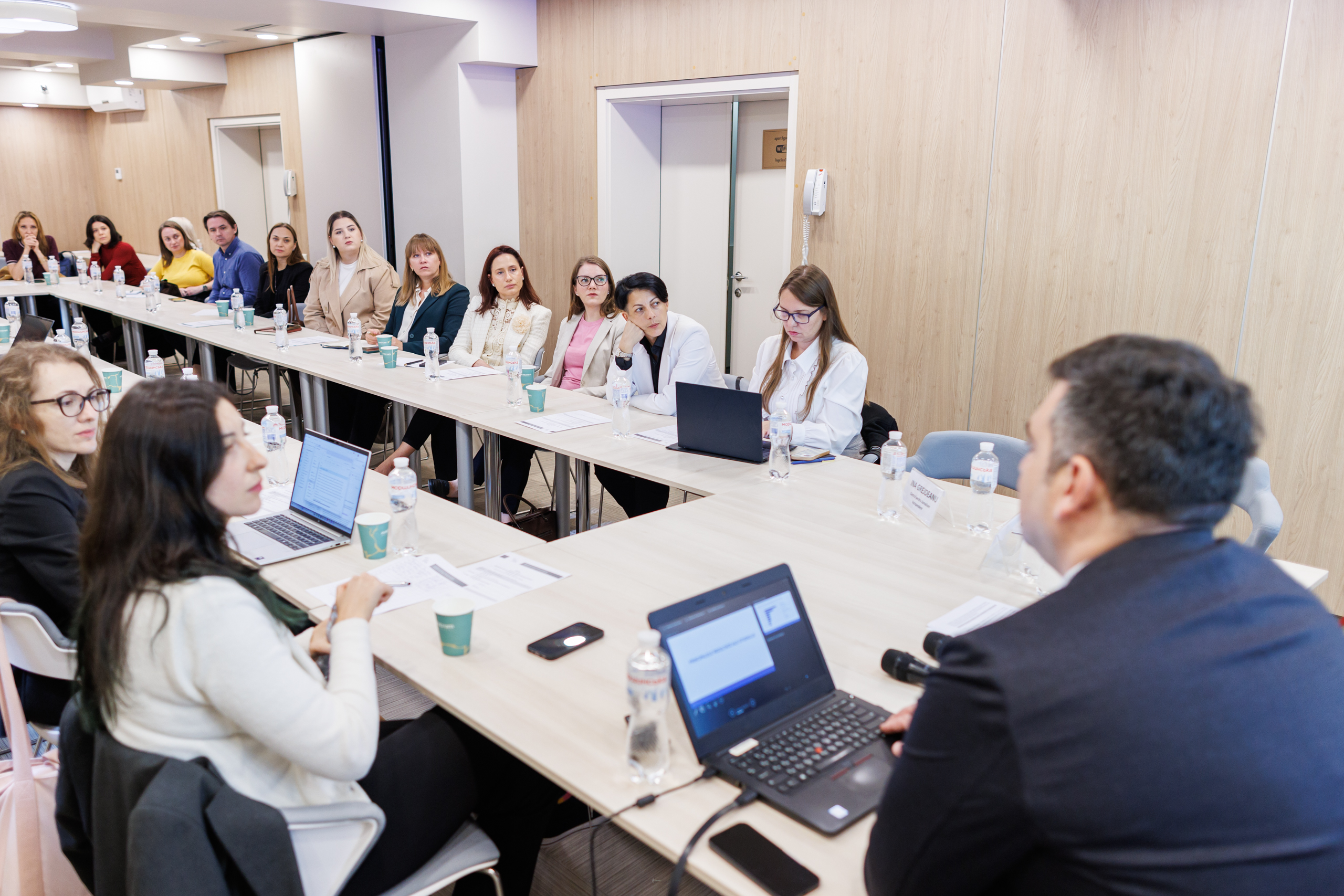
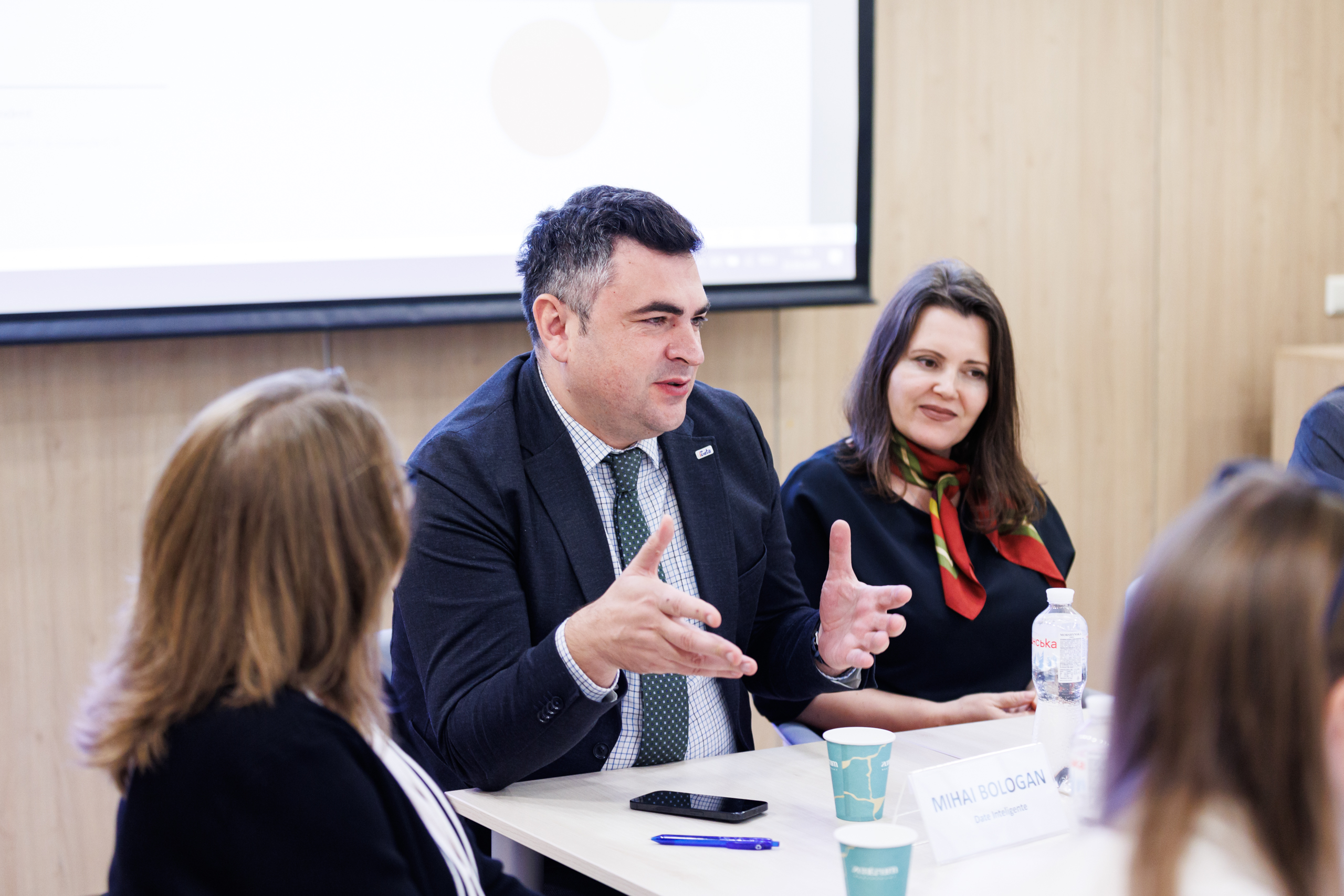
The study employed a mixed-methods design, combining quantitative and qualitative approaches, with a clear division of analytical roles. The quantitative findings are based on 1,008 valid responses. Data were collected between May 27 and June 20, 2026.
The qualitative component comprised six focus groups and five in-depth interviews with media representatives and experts in the field, as well as an exercise involving the analysis of a stimulus material.
The English-language version of the study will soon be available on the IJC website.
