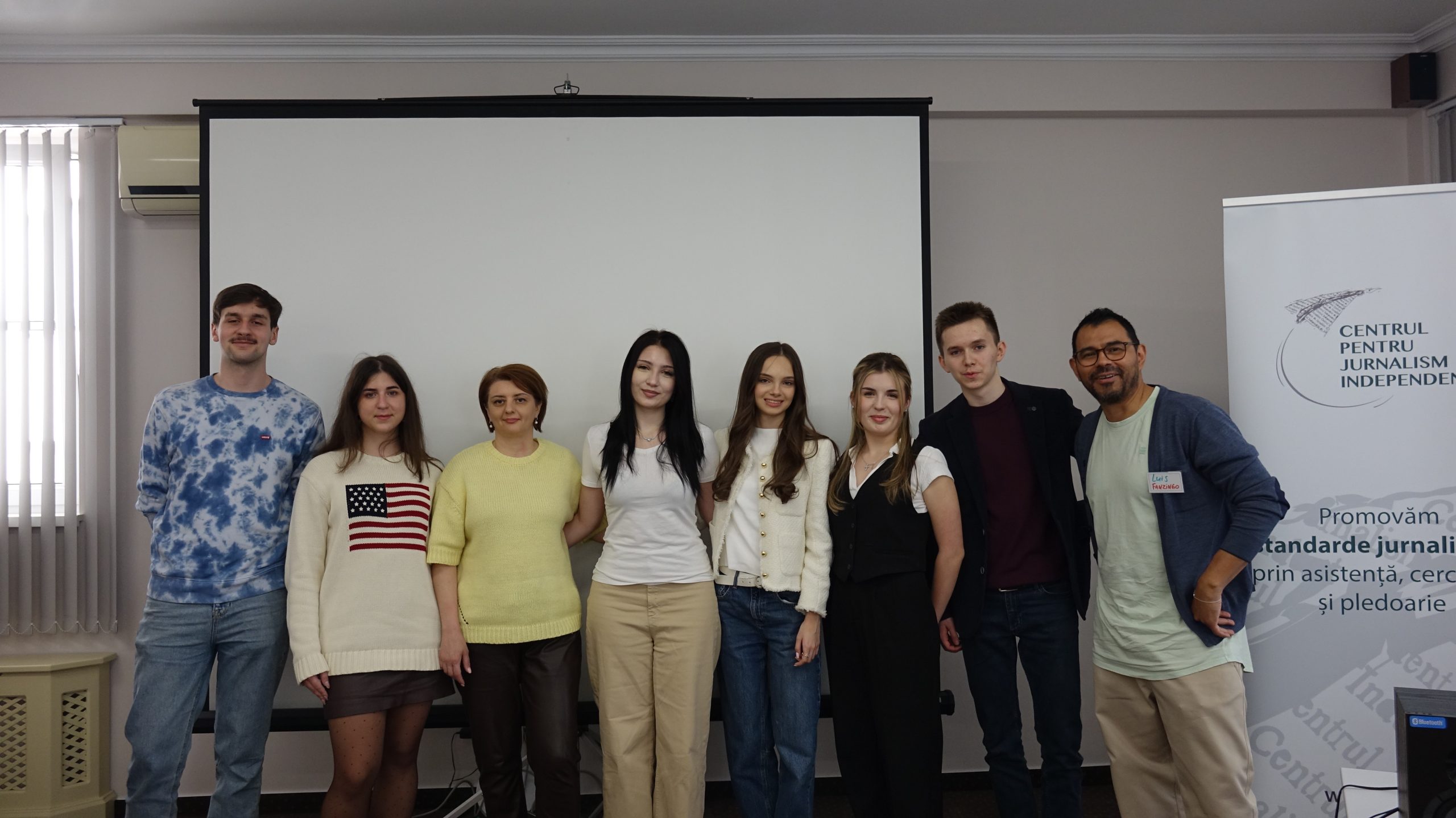
Young journalists from Moldova and Ukraine learn to counter disinformation through video content adapted to new digital realities
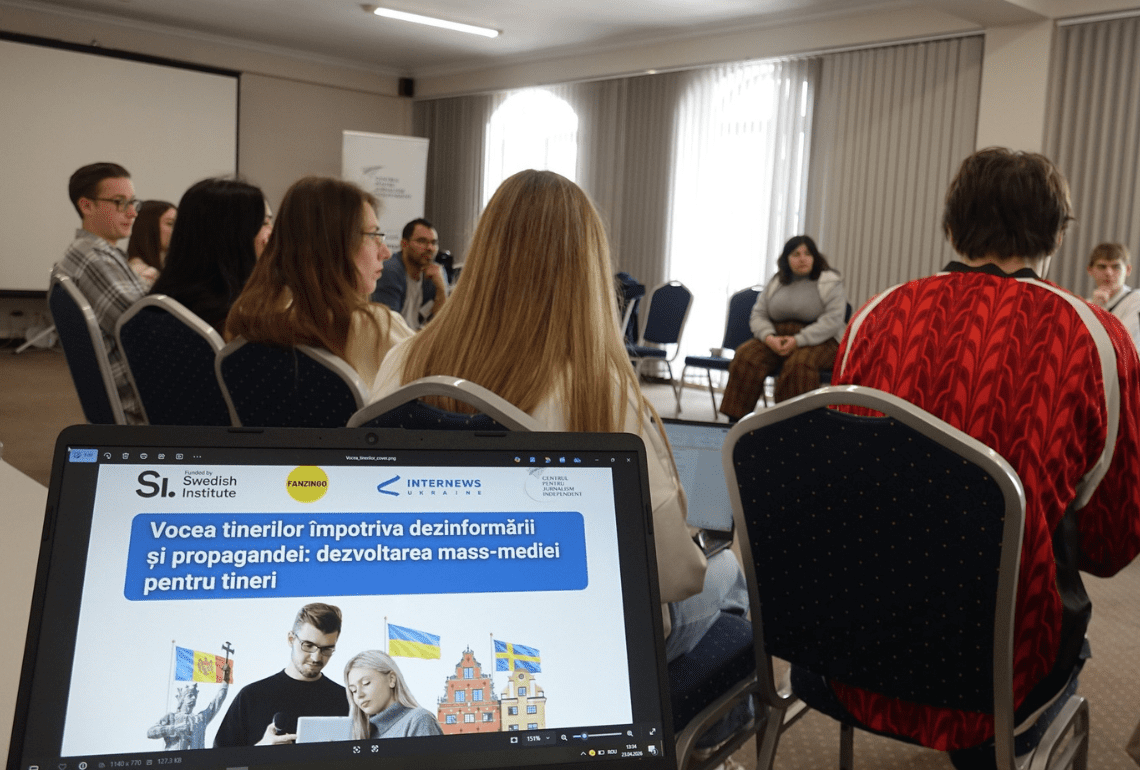
How can we professionally and effectively address topics such as disinformation and propaganda? What visual tools and verification techniques can make a difference in a journalistic piece? How can we efficiently reach young audiences, including through social media? These and other questions were explored over two days during the training program “Youth Voices Against Misinformation and Propaganda: Developing Youth Media for the Future”.
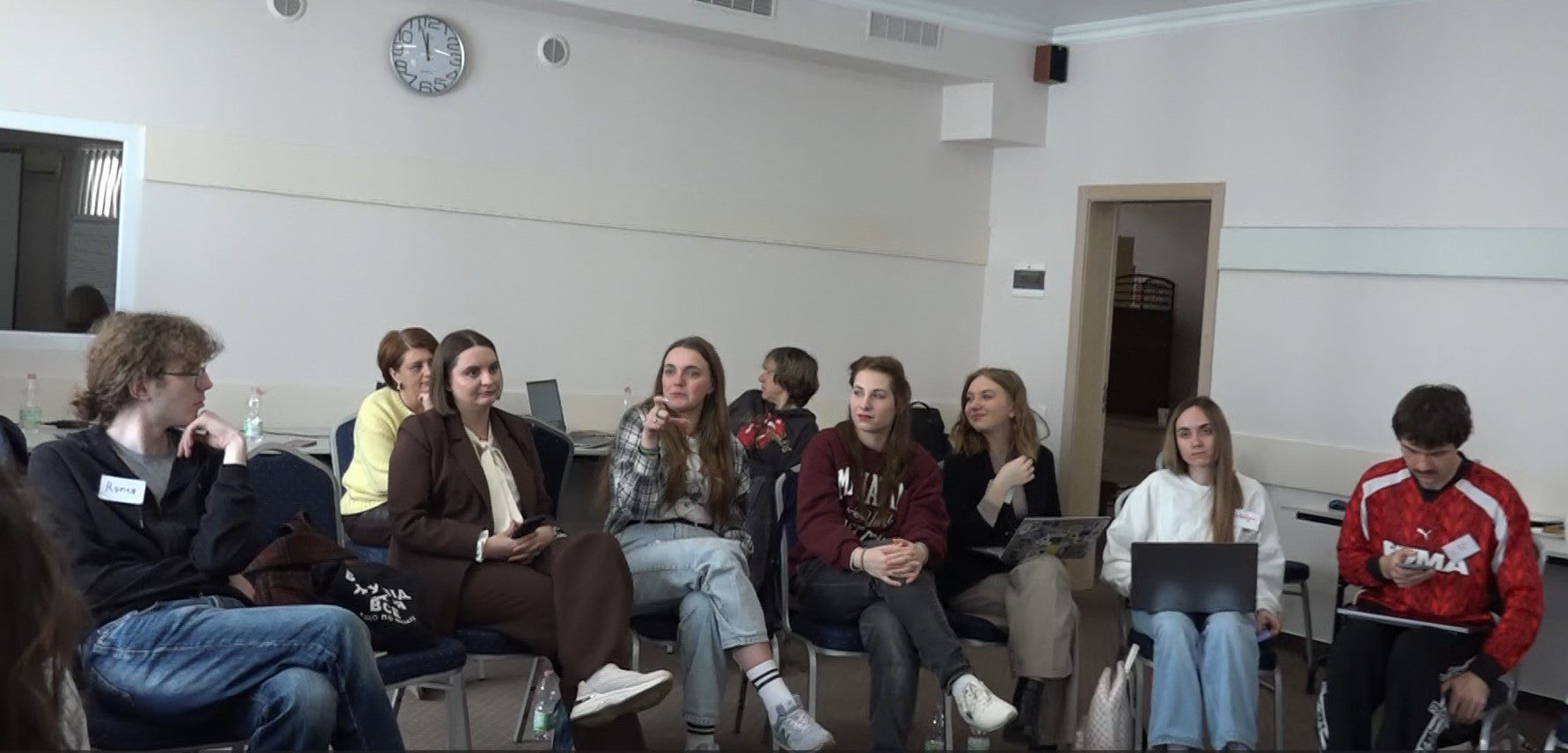
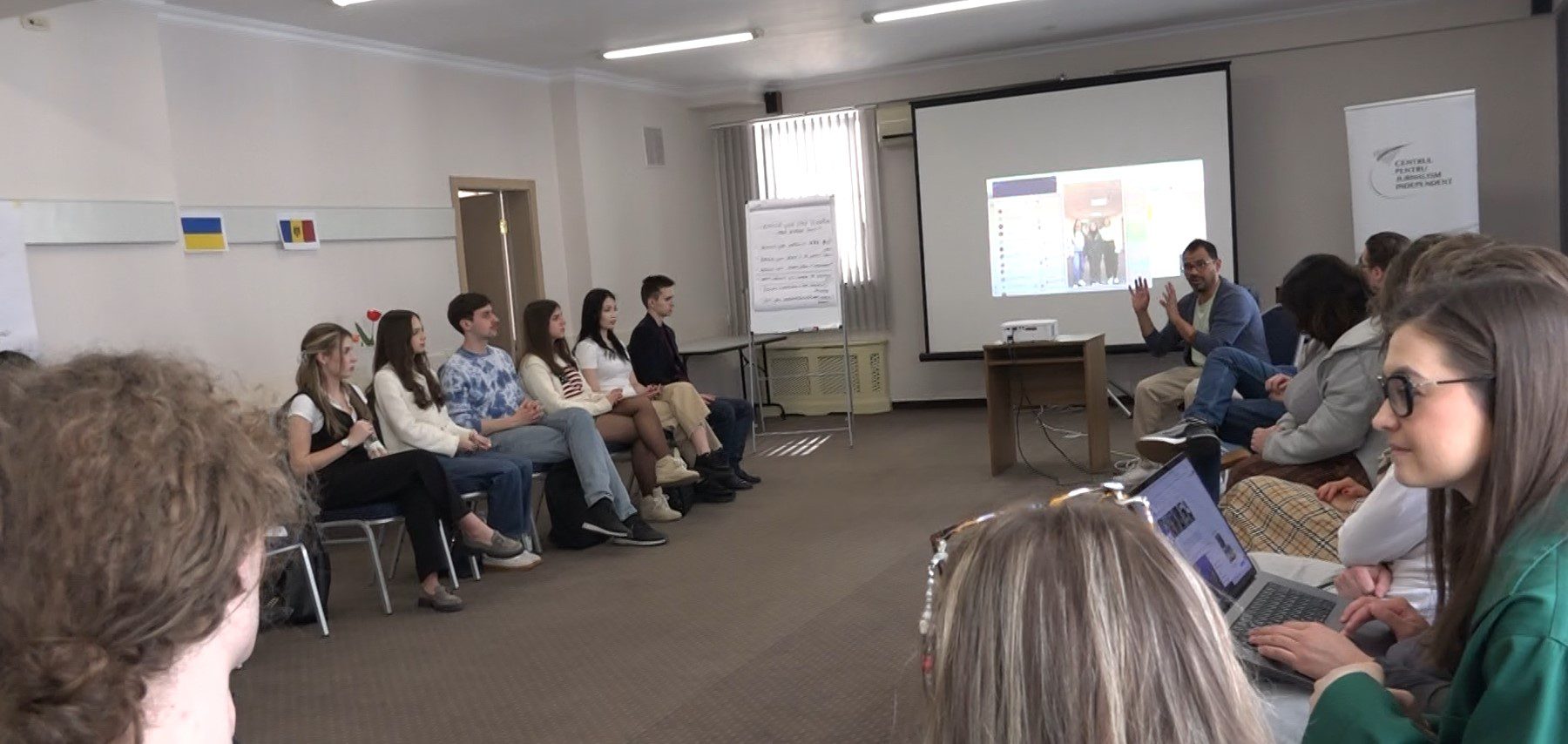
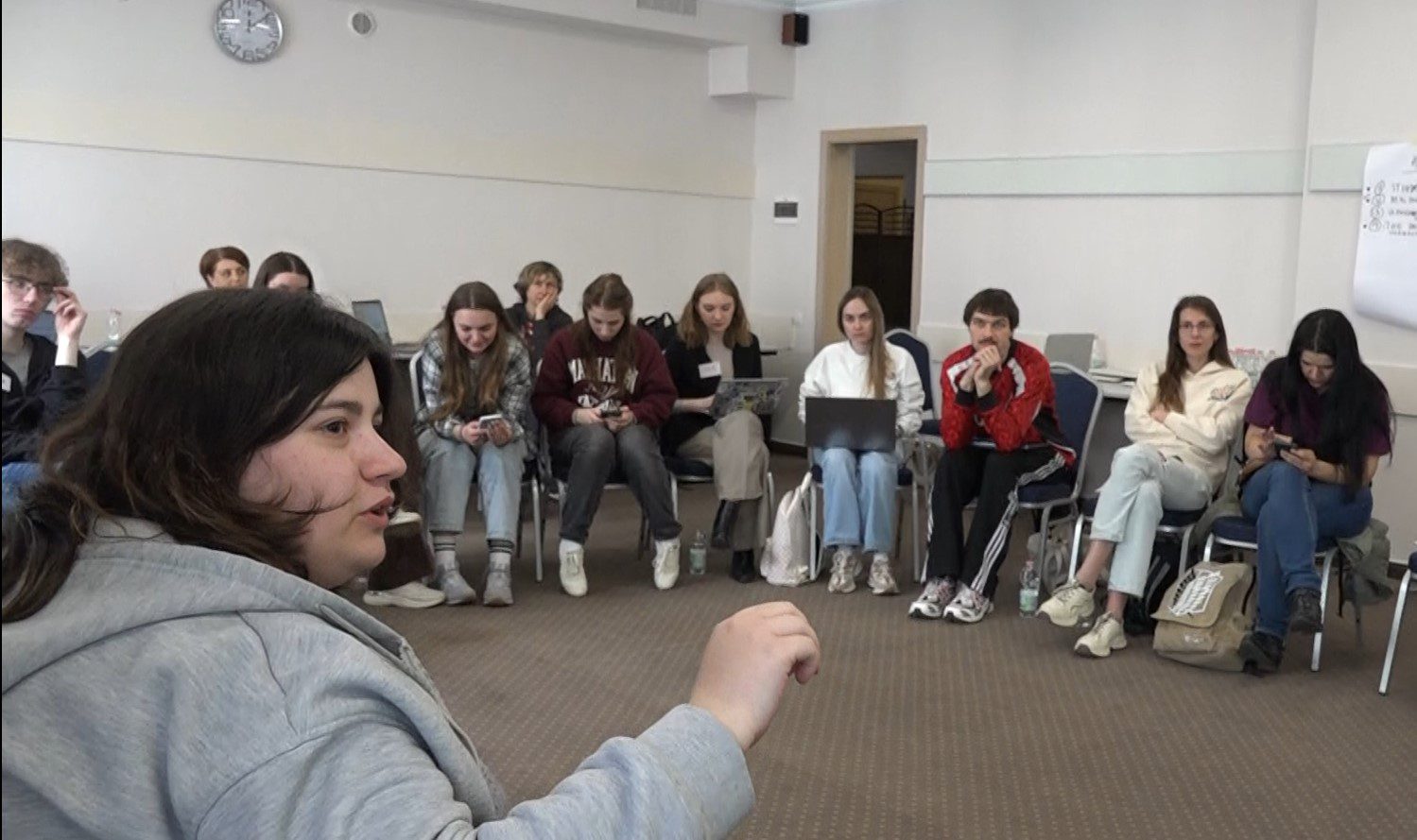
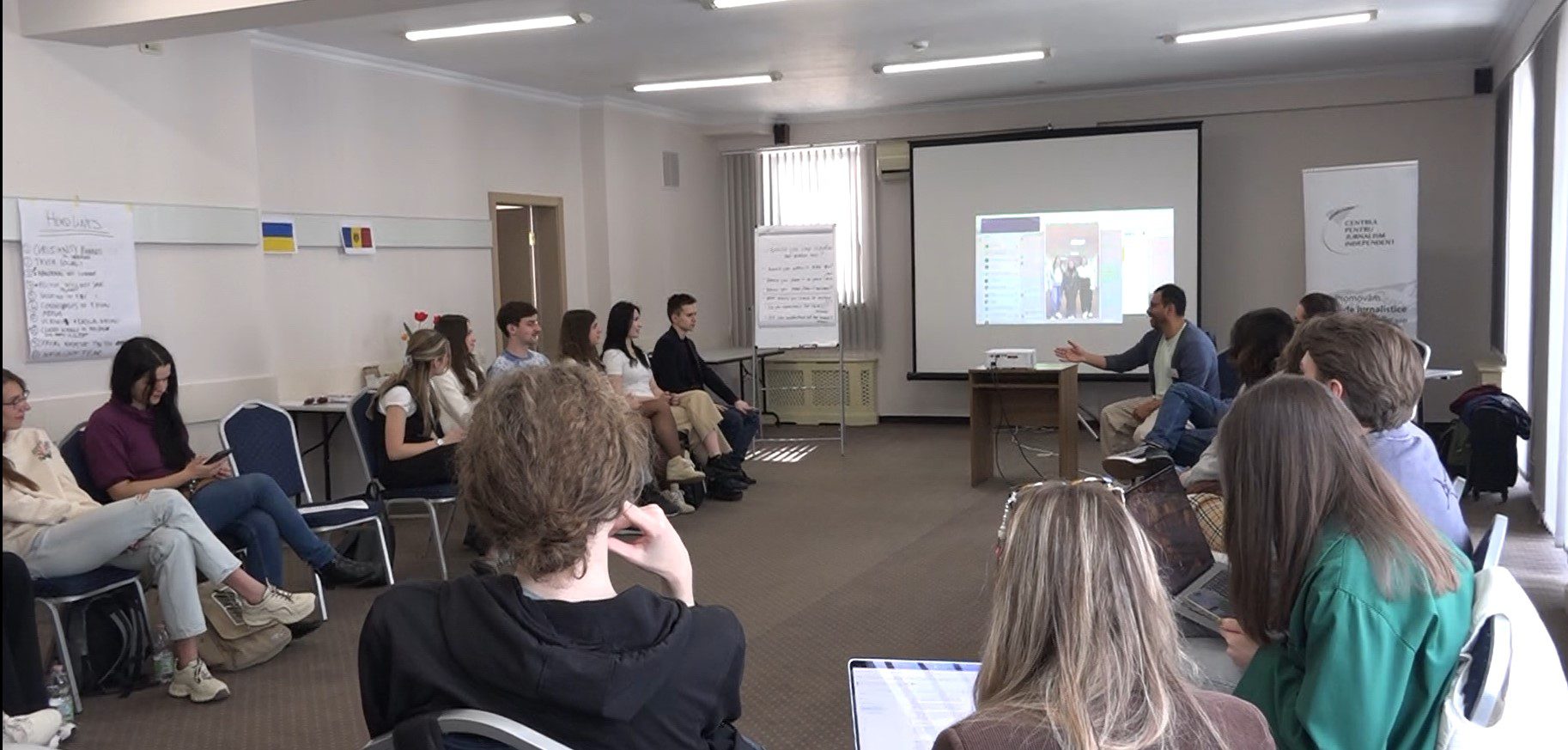
The event took place on April 22-23, 2026, in Chișinău and brought together young journalists from 18 media organizations in Ukraine and Moldova. The activity was organized by the Independent Journalism Center, in partnership with Internews Ukraine and Fanzingo Media House from Sweden.
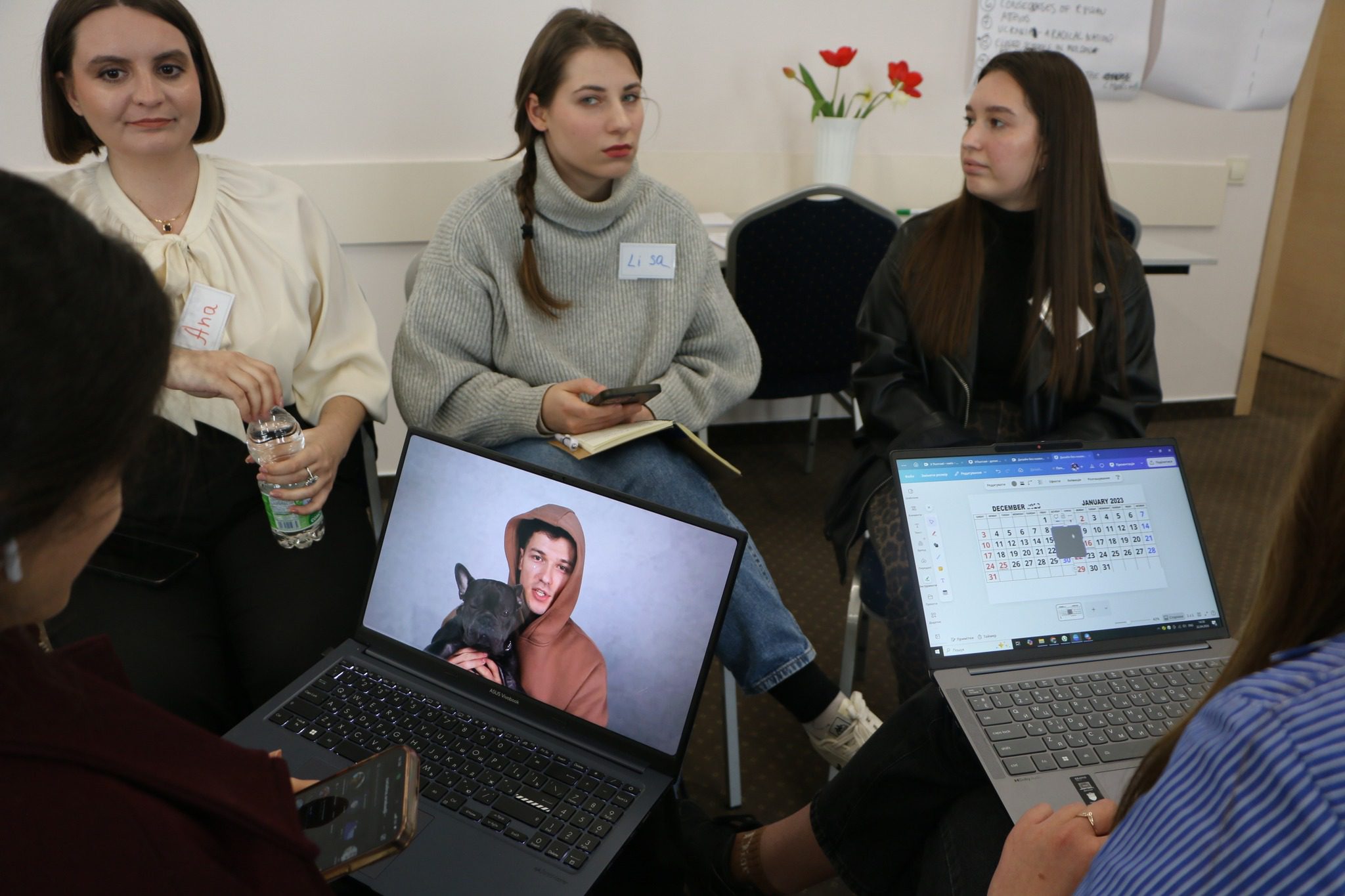
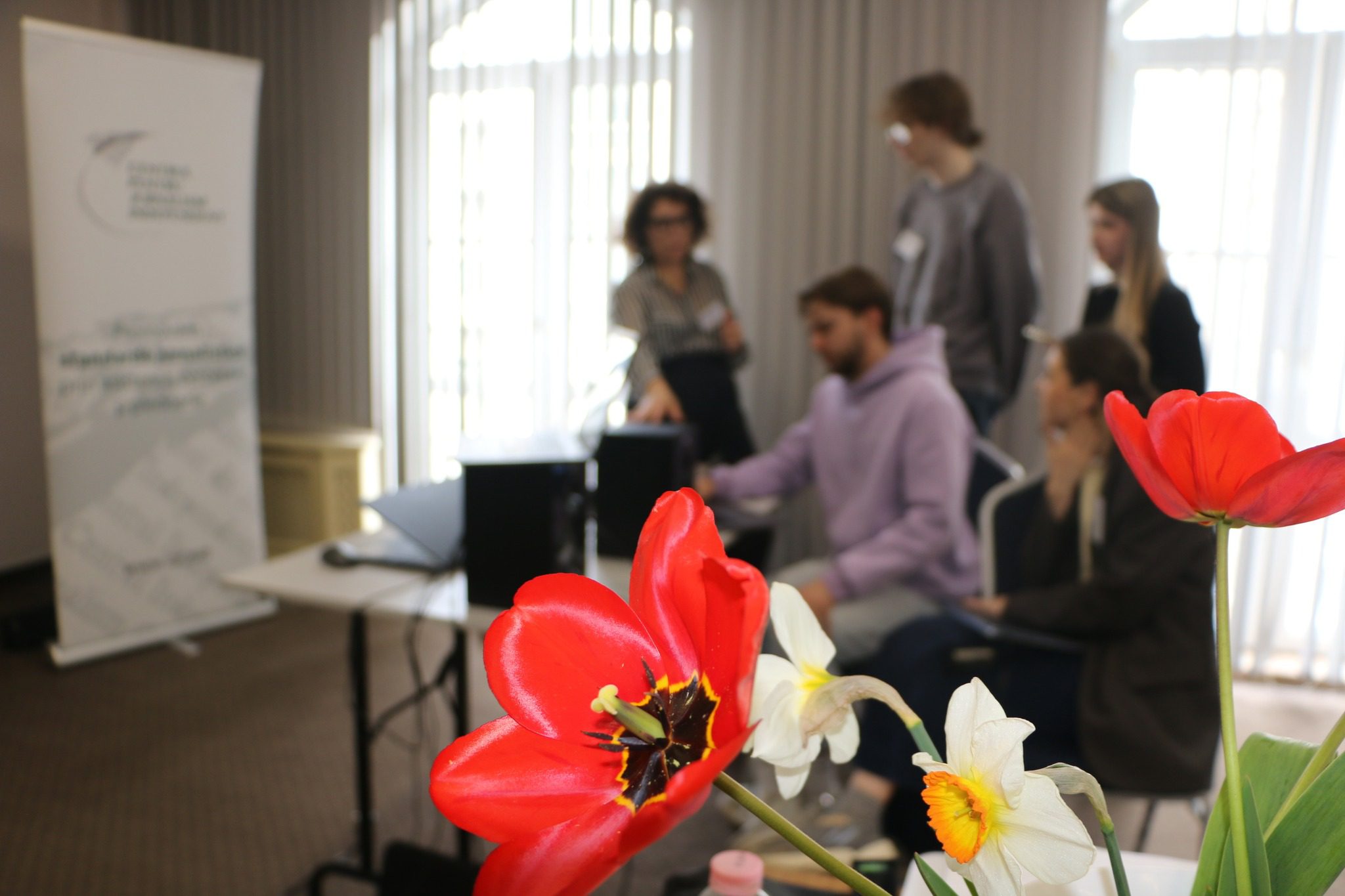
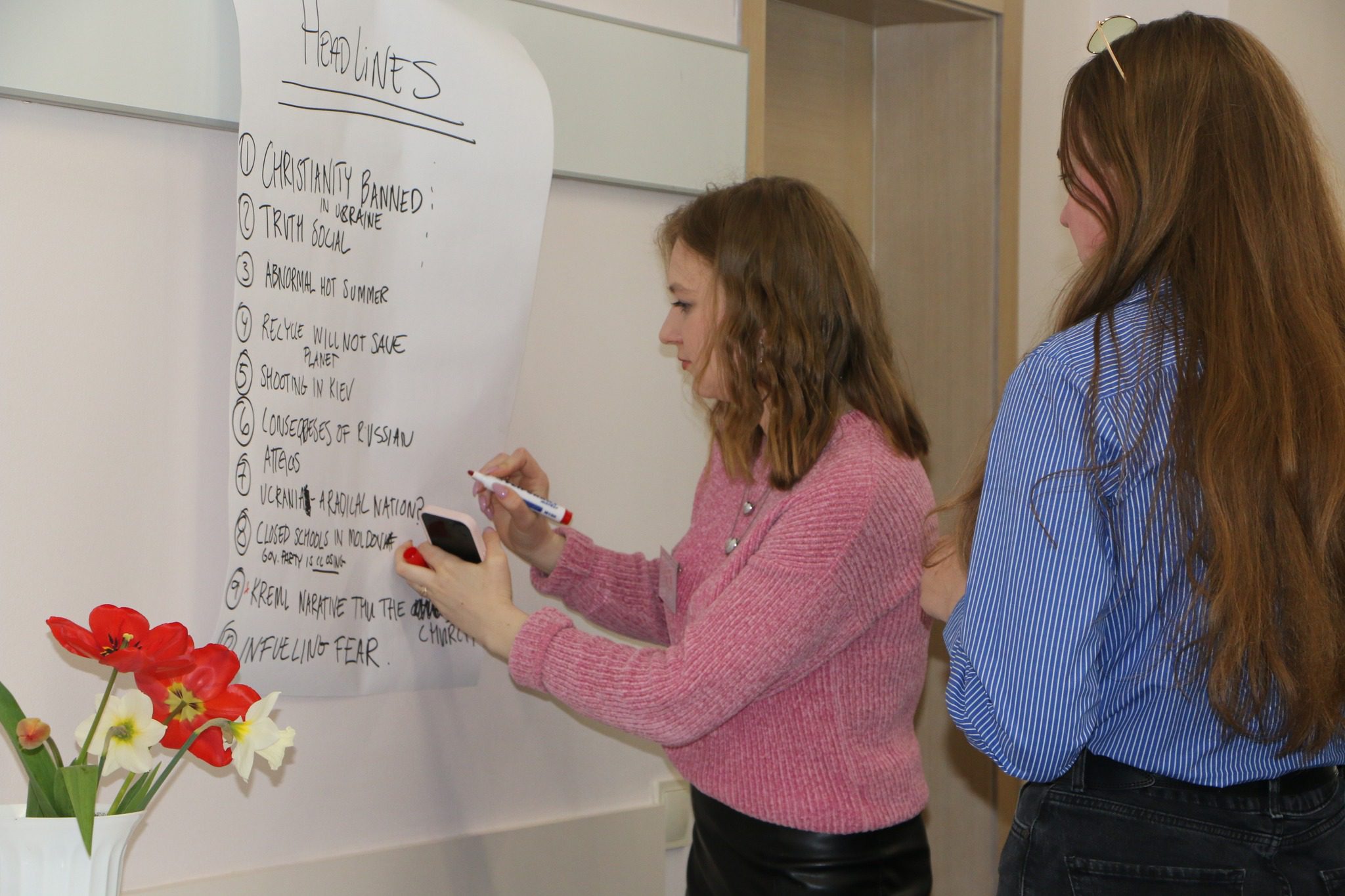
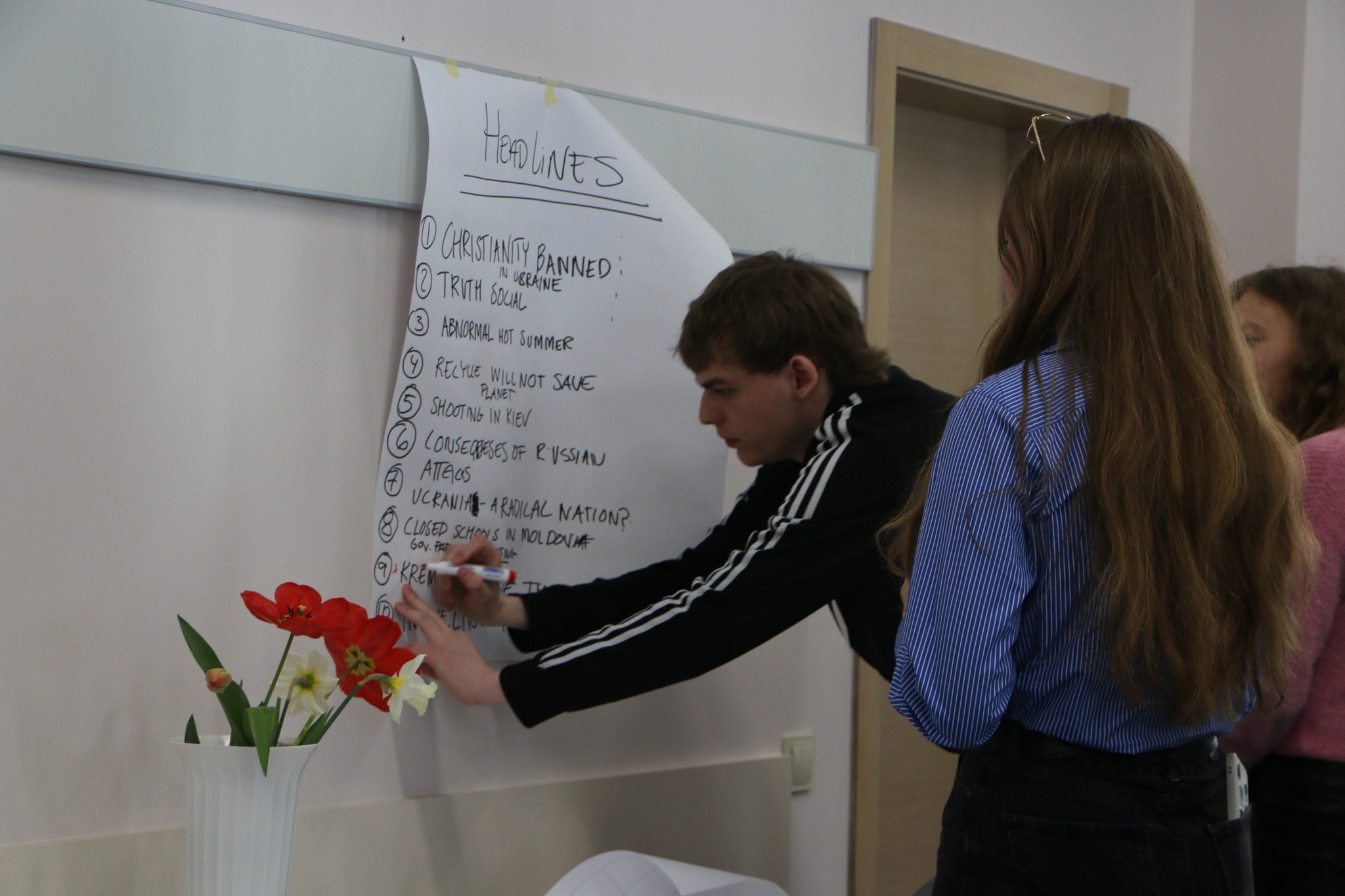
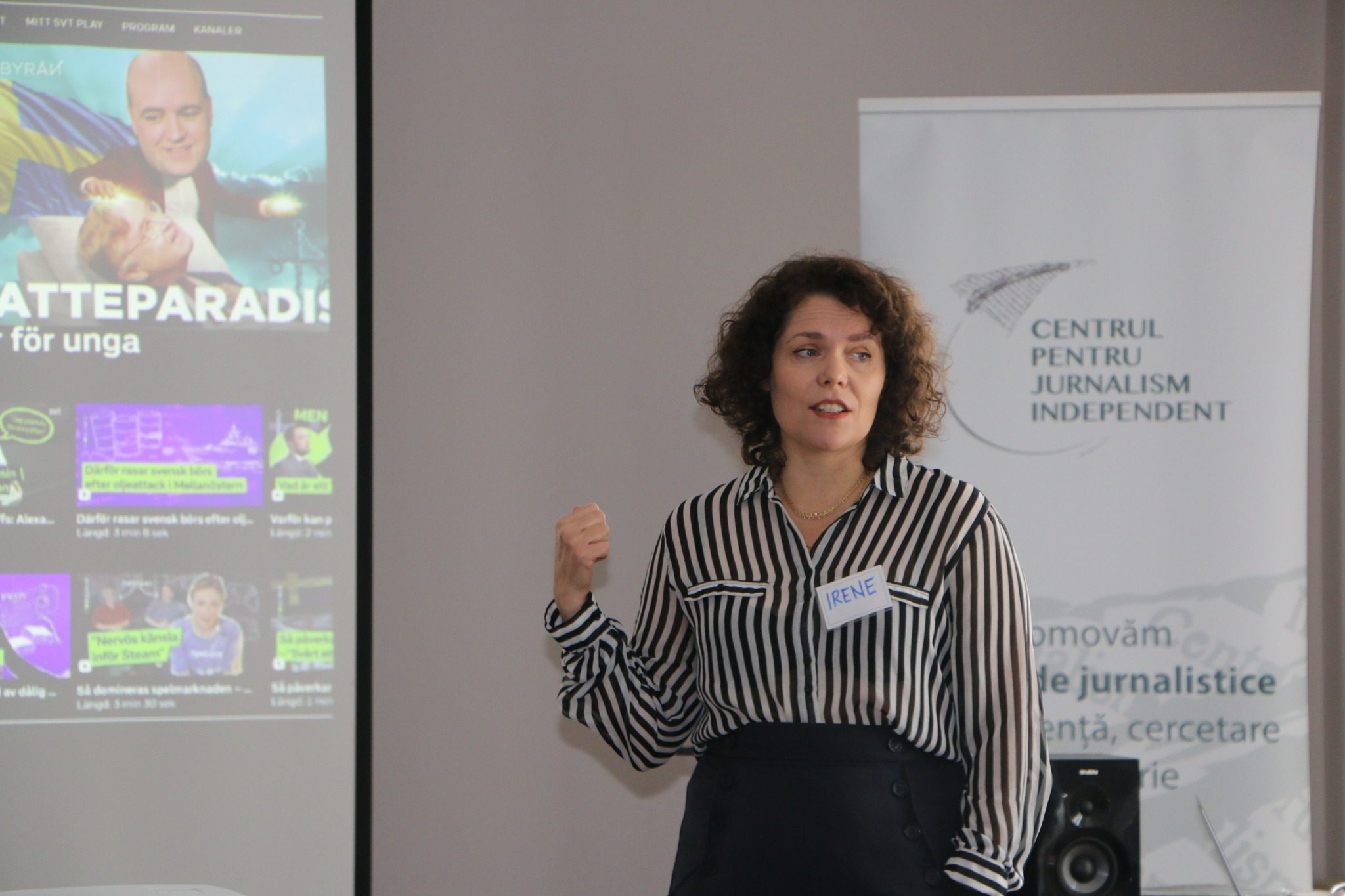
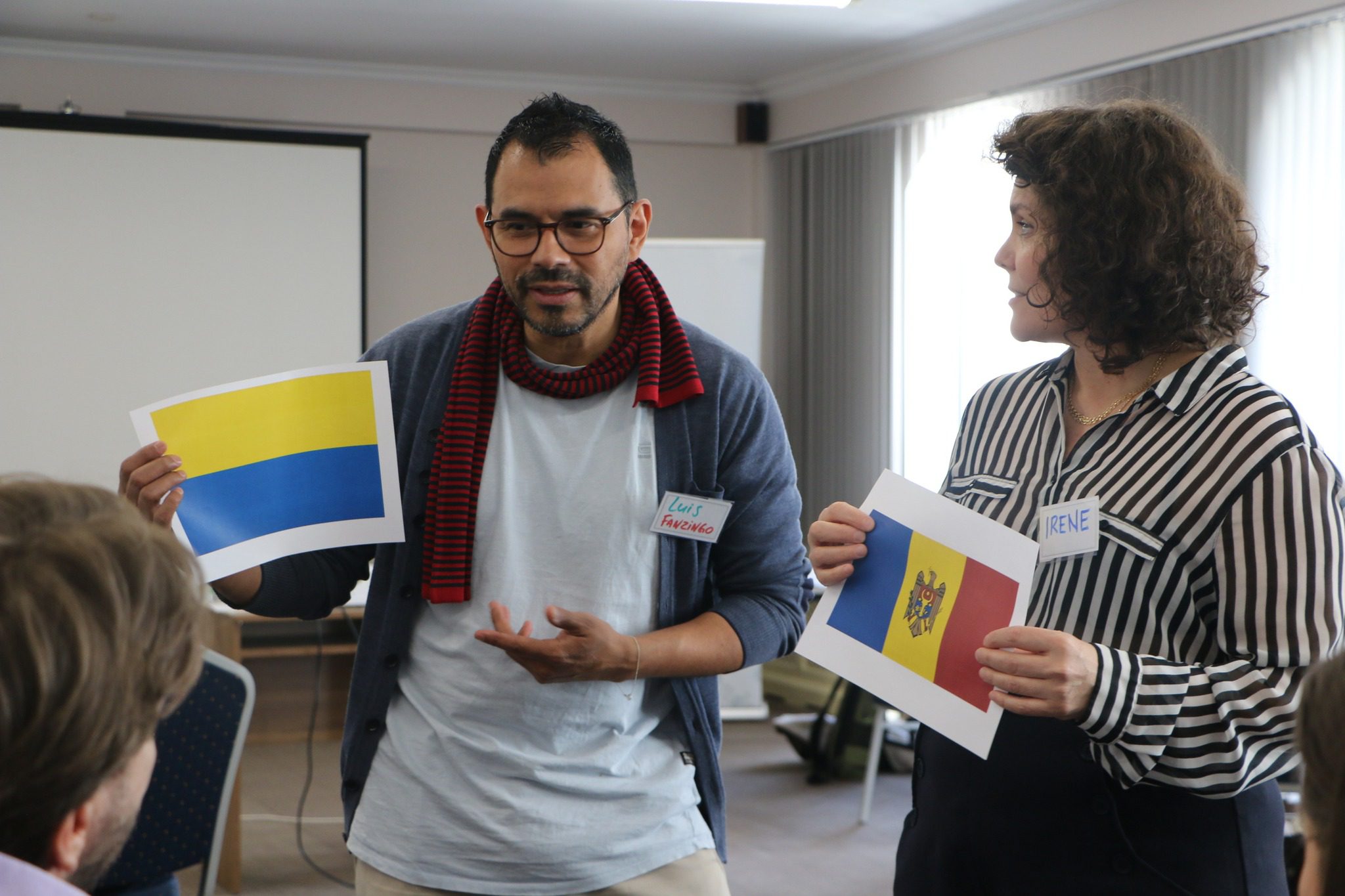
The training program was led by Irene Lopez, film producer and graphic designer at Swedish Television (SVT), and Luis Lineo, former journalist and reporter at Radio Sweden, who also participated as an international expert from Fanzingo in a previous training. The trainers presented concrete examples from their experience in creating content about disinformation for children and adolescents, emphasizing visual clarity, narrative structure, and audience relevance. They also provided practical advice on how to use graphic, verification, and educational elements in producing video materials aimed at debunking disinformation narratives encountered in certain media sources or on social networks.
The first day focused on identifying and analyzing real cases of disinformation, propaganda, and manipulation. Participants worked with examples from the information space of Moldova and Ukraine, which they later transformed into explanatory video materials. The emphasis was placed on debunking falsehoods through clear arguments, rigorous verification, and the use of accessible visual elements.
“Participants demonstrated a high level of engagement and responsibility at all stages of the training program, and the results confirm its effectiveness,” said Luis Lineo. He also noted that the project represents the first Fanzingo initiative in Moldova and Ukraine and creates the premises for further development.
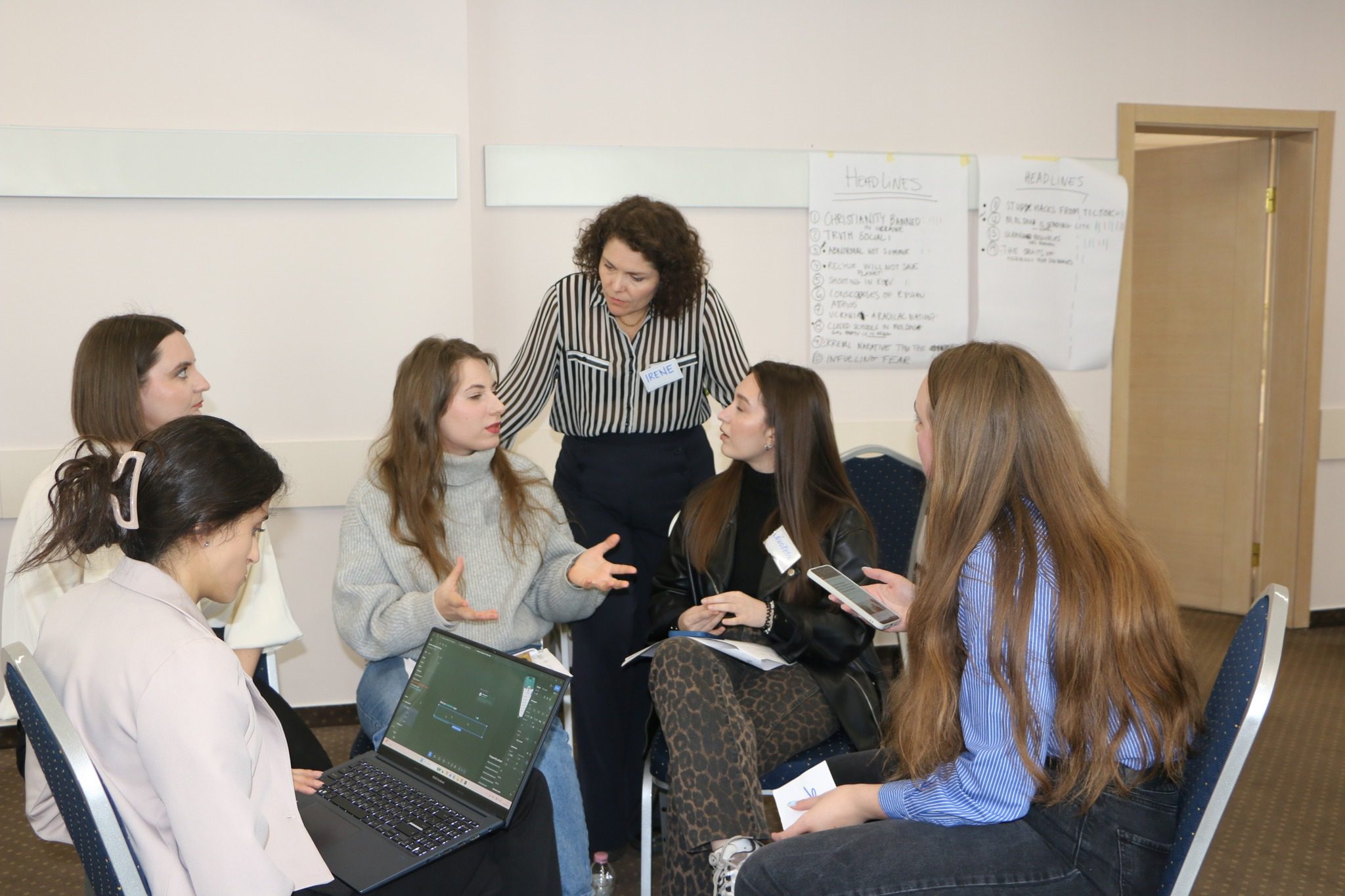
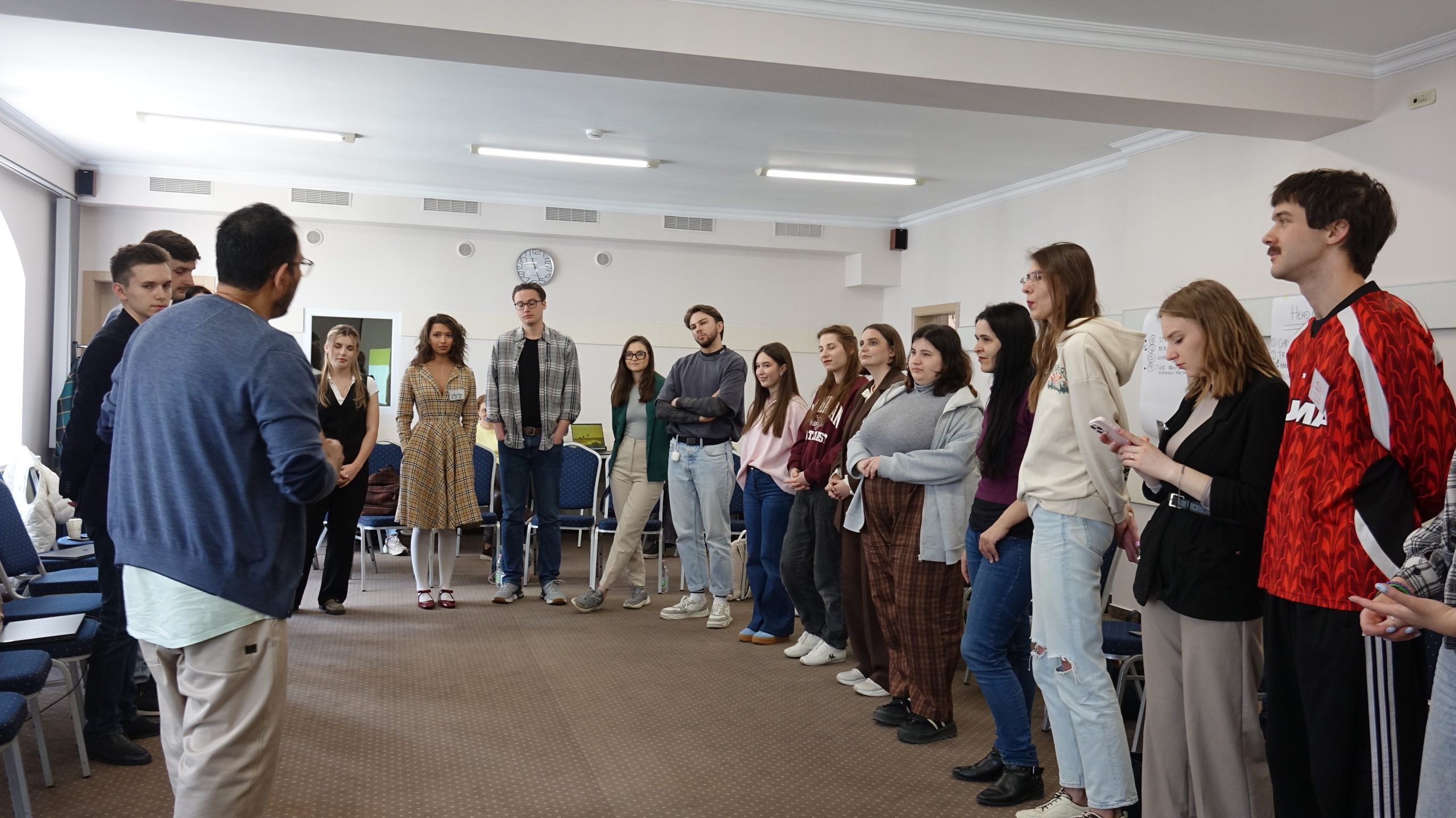
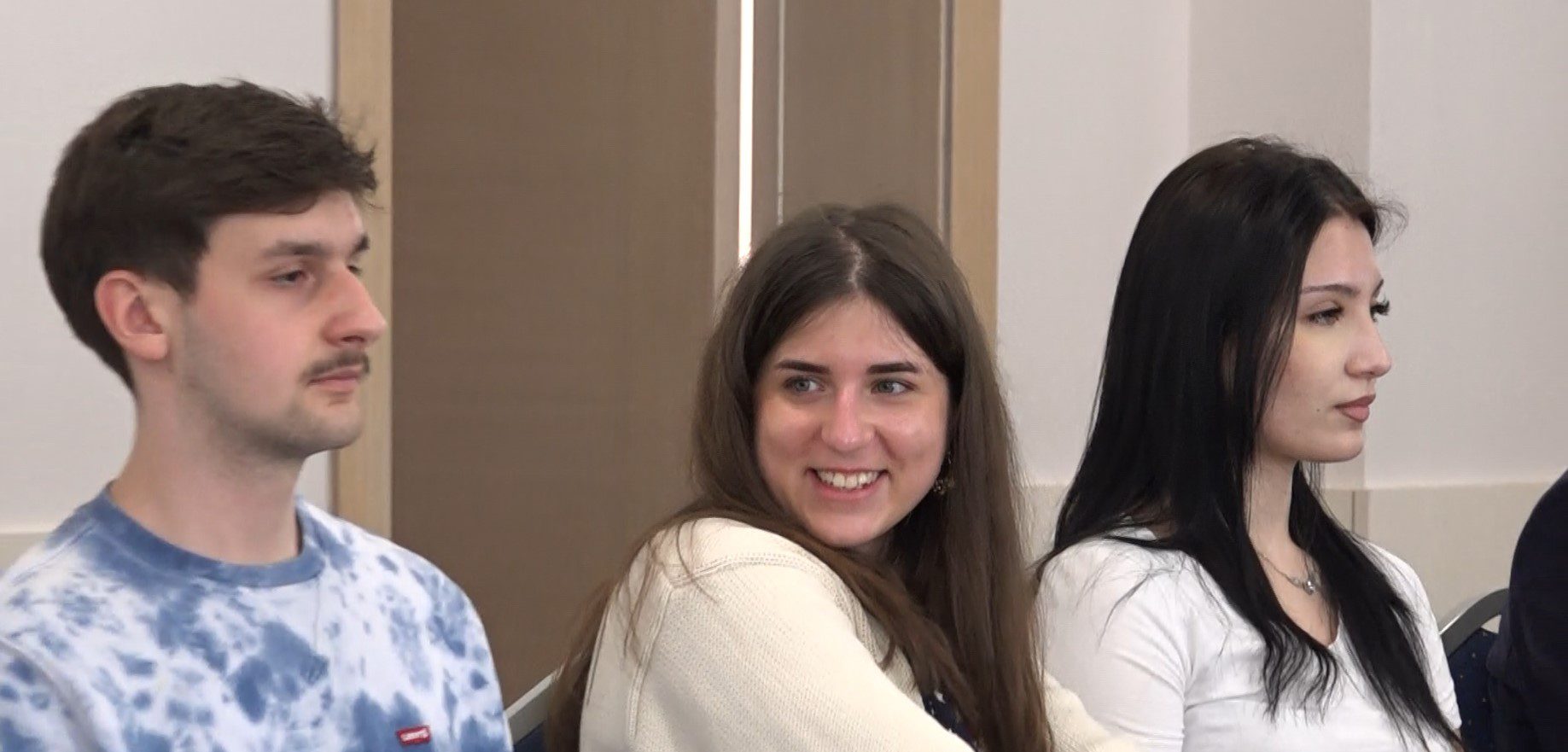
During the training, participants worked in four mixed teams and developed four video products addressing some of the most common disinformation narratives circulating in the information space of Moldova and Ukraine. The materials were tested on a real audience – 11th-grade students from the „Prometeu-Prim” Lyceum of Creativity and Inventics in Chișinău. Invited as evaluators (focus group), they watched the produced videos and provided feedback on message clarity, content appeal, and relevance to their audience.
This stage highlighted an essential aspect: without testing and adapting to the audience, even the most accurate information may fail to have impact. Direct interaction with high school students showed how quickly and honestly young audiences react and how important it is for journalistic messages to be simple, visual, and direct.
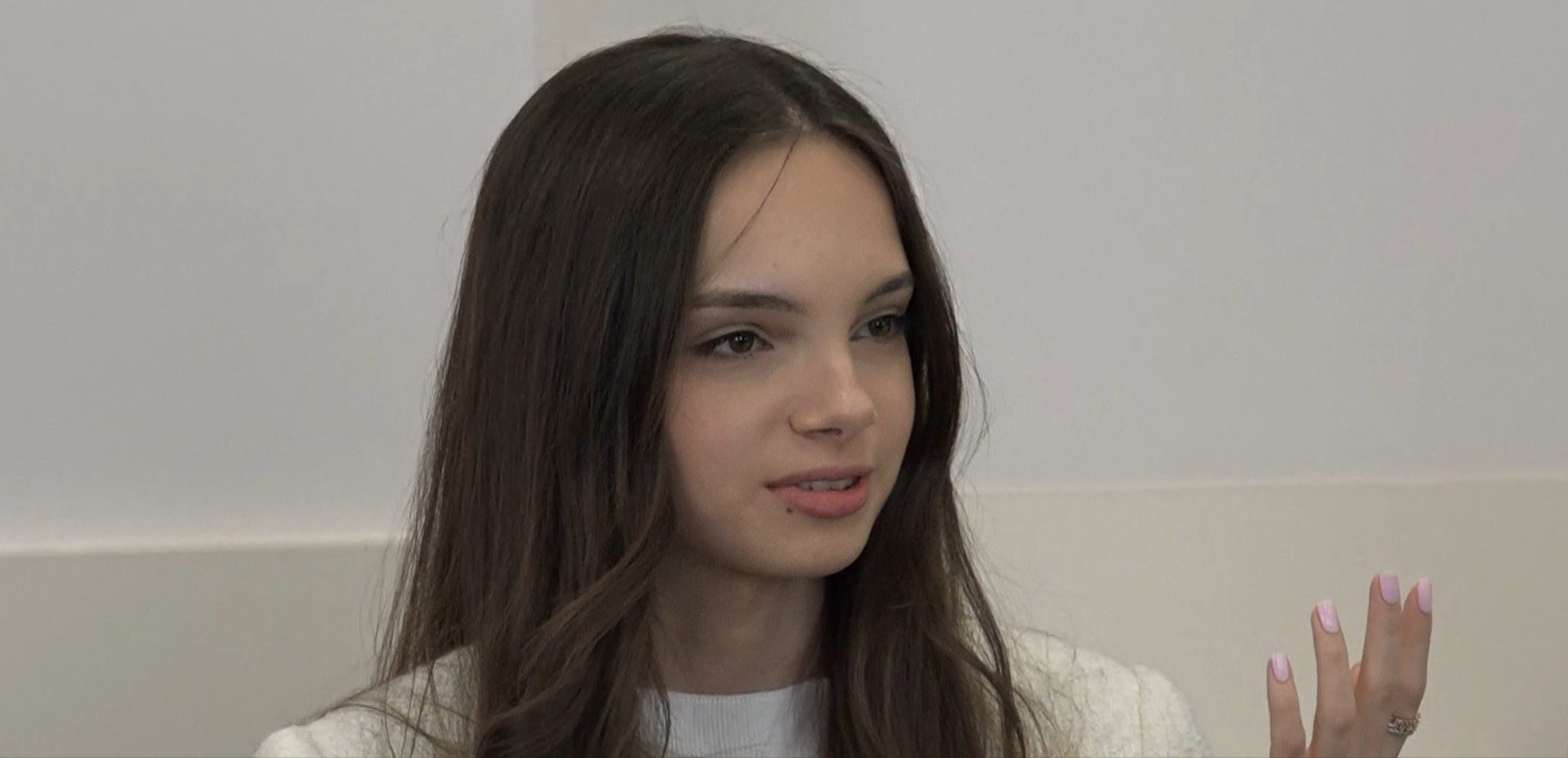
“Countering disinformation starts to look different when you move from theory to practice,” noted Ana Pisarenco, journalist at the independent media project eurOpinii. She emphasized the importance of testing ideas and continuously adapting content based on audience reactions.
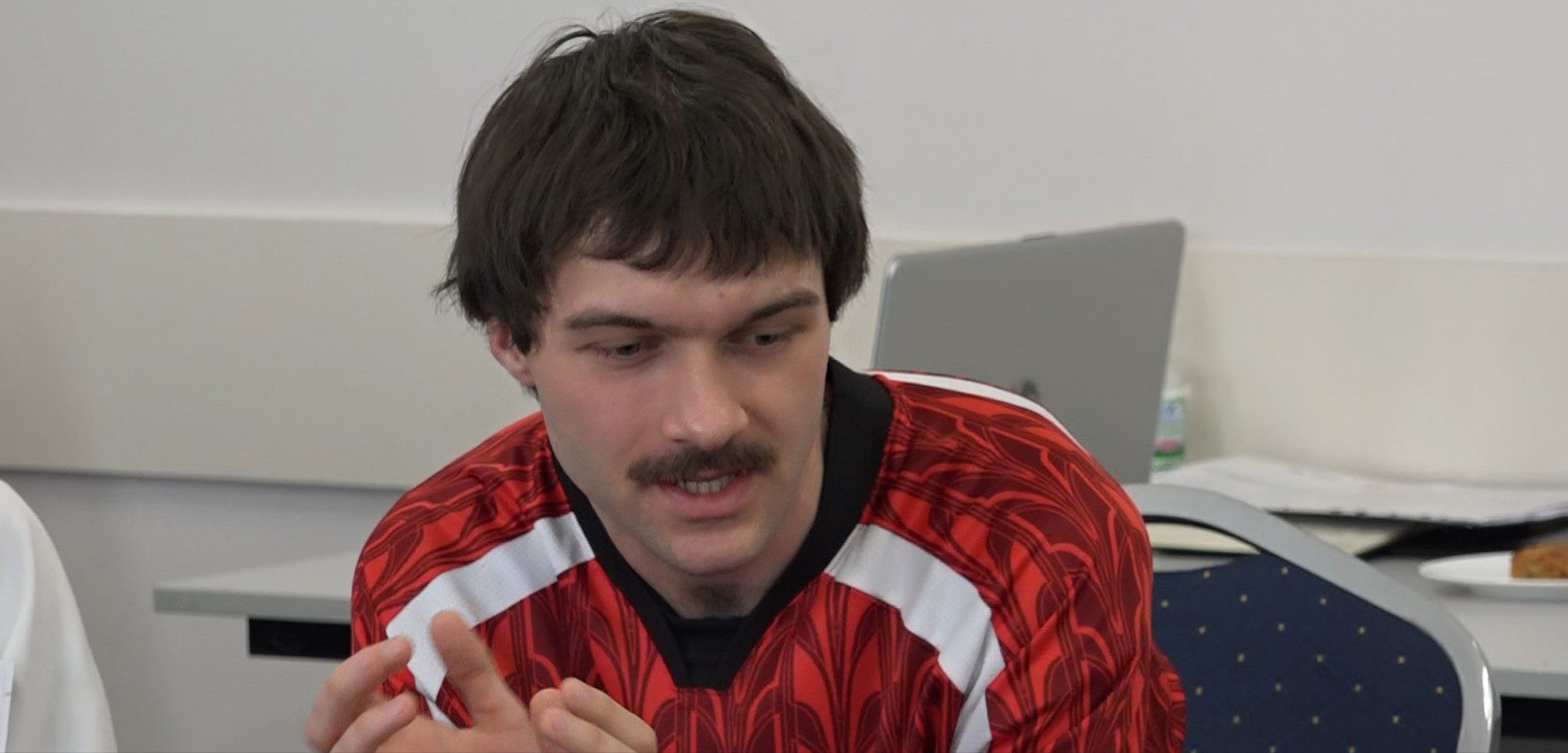
In turn, Vlad Țurcan, journalist at Moldova.org, remarked that there is no magic formula or fixed instruction for creating effective journalistic content that is also appealing on social media. “We need to constantly observe our audience and remain open to change if we want our messages to reach the intended audiences.”
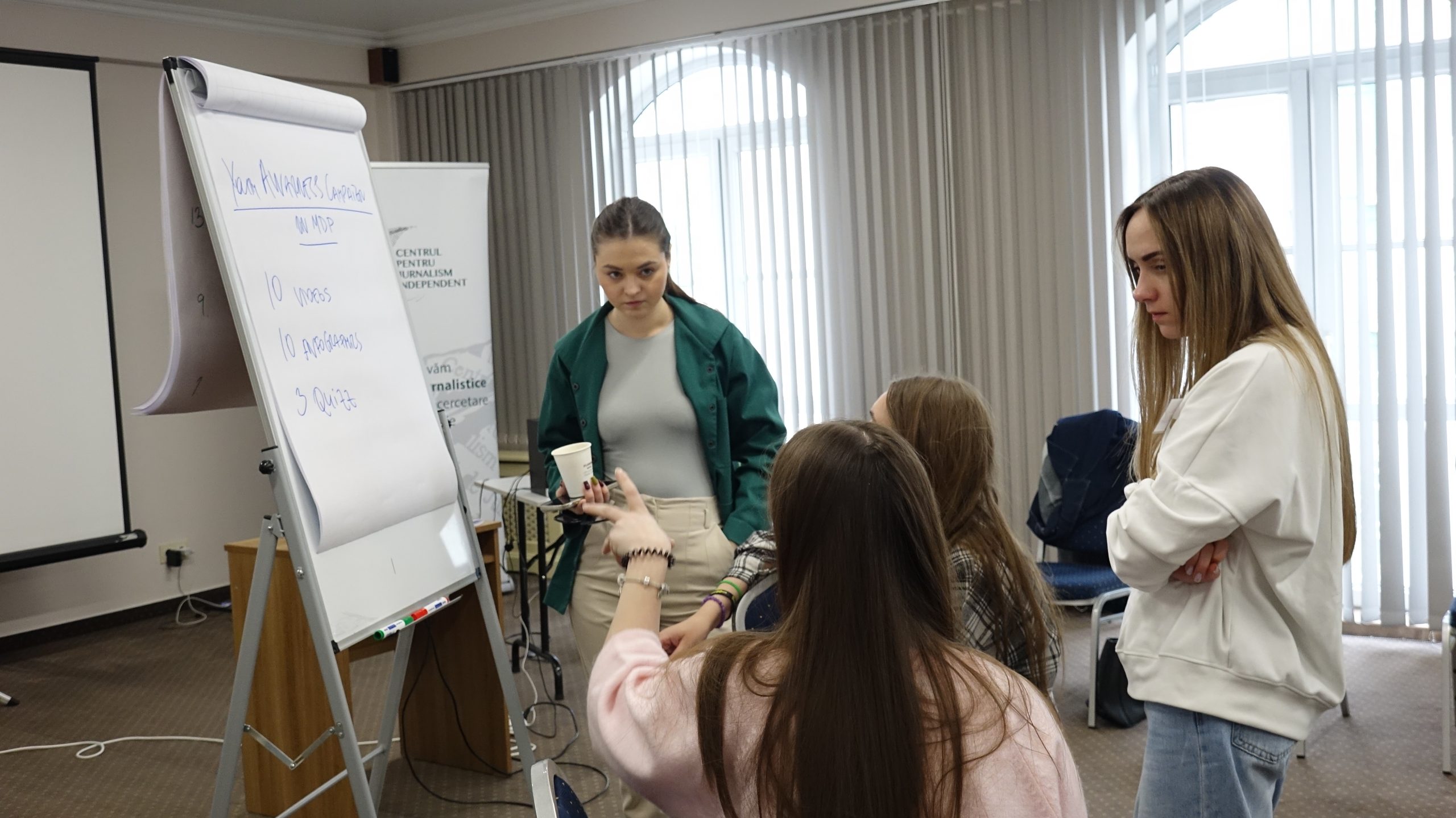
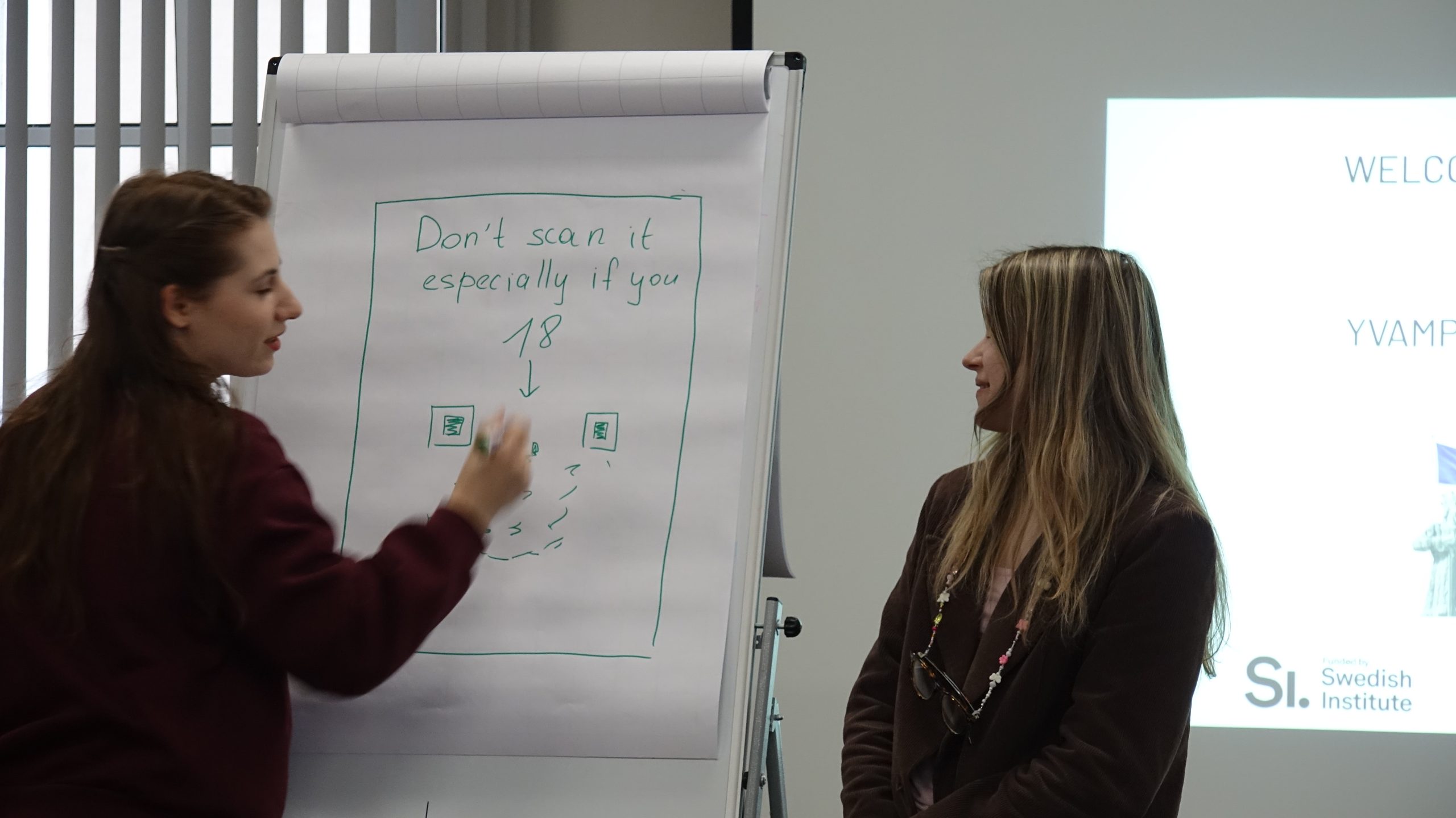
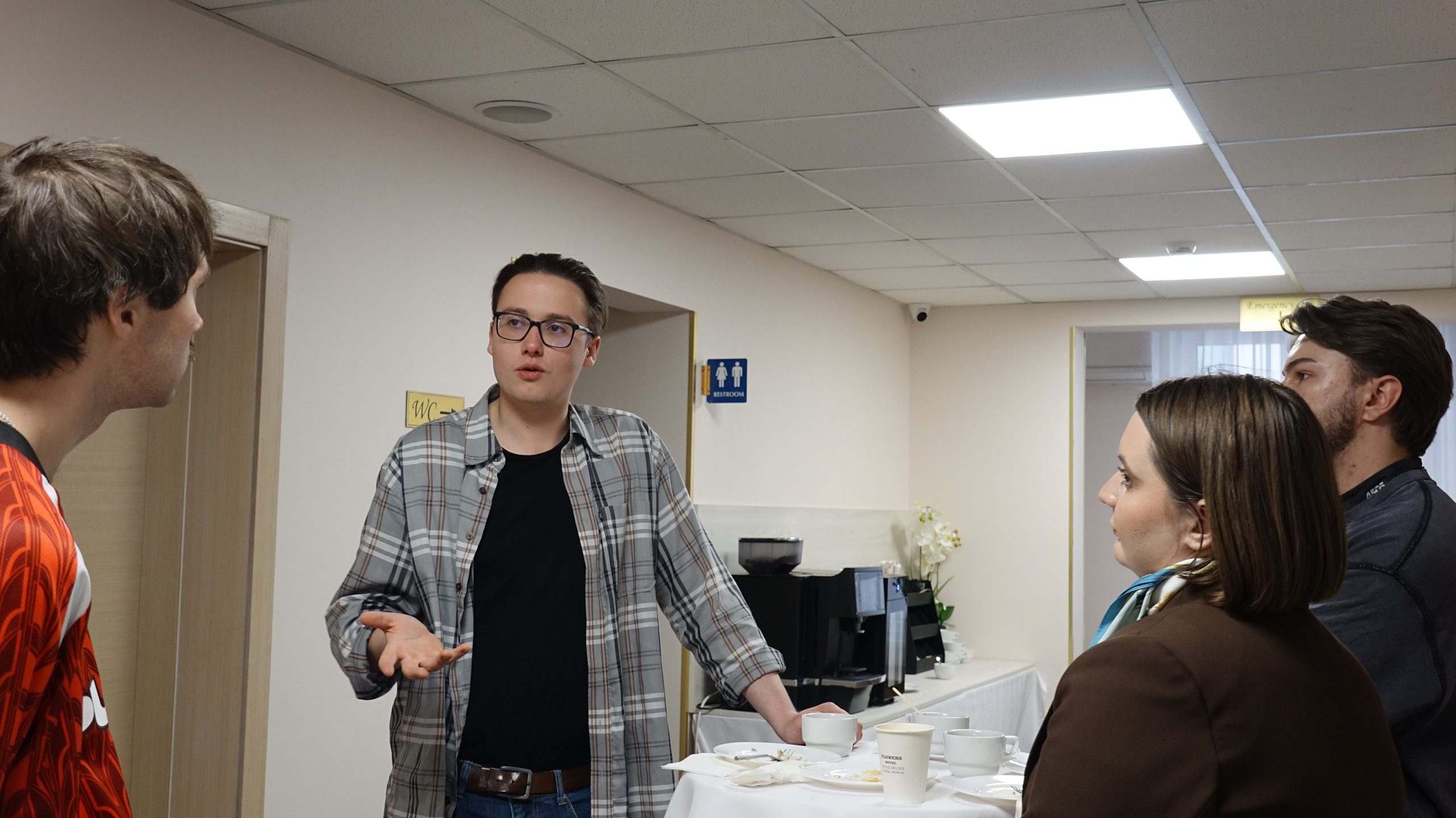
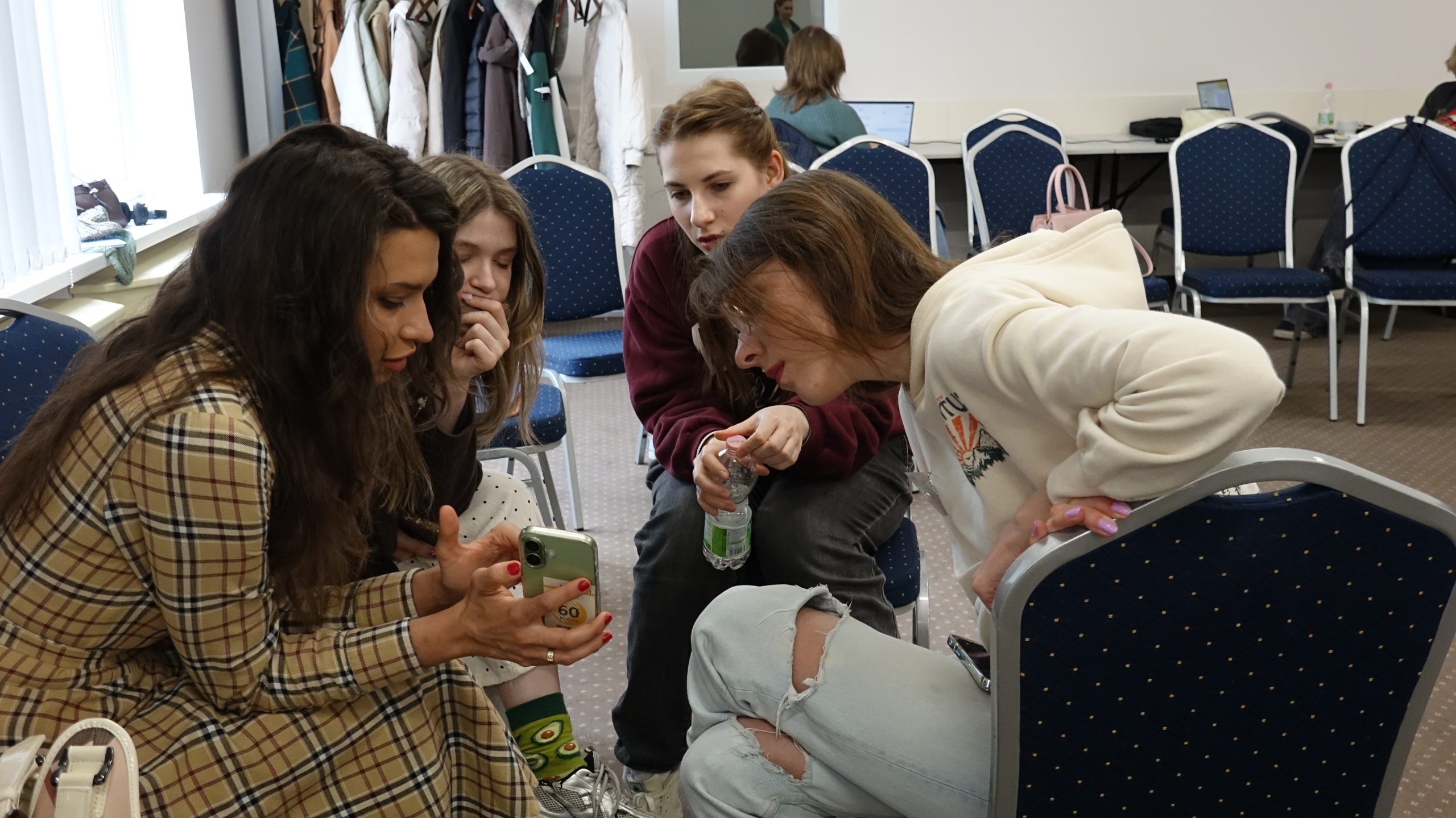
Participants from Ukraine also highlighted the usefulness of practical exercises and feedback from high school students, noting that it provided many ideas on how to work with teenagers and adapt messages in a simpler way.
Vladyslav Lesyk, journalist at Rubryka in Ukraine, pointed out that producing video content is accessible but requires consistency to build an audience. “I’m glad I realized it’s not that difficult to create this type of video content. On the other hand, to reach the audience – in our case, teenagers – you need to be consistent. It was great to receive feedback from the high school students in Chișinău, who I found very well prepared, with strong critical thinking skills. I listened to them with interest and found useful insights to reflect on, analyze, and apply in my future work,” the young journalist said.
His colleague, Daria Maslencova, journalist and editor at The Ukrainian Review, emphasized that after the training she feels much better prepared to adjust her messages according to the target audience. “For me, it was not difficult to recognize fake or misleading news, disinforming or manipulative content, or how propaganda works. However, after this training, I understood how to combat these phenomena more effectively. What is required of us now is to adapt our messages to our target group. I saw the feedback from the high school students and will definitely take their suggestions into account,” said Daria.
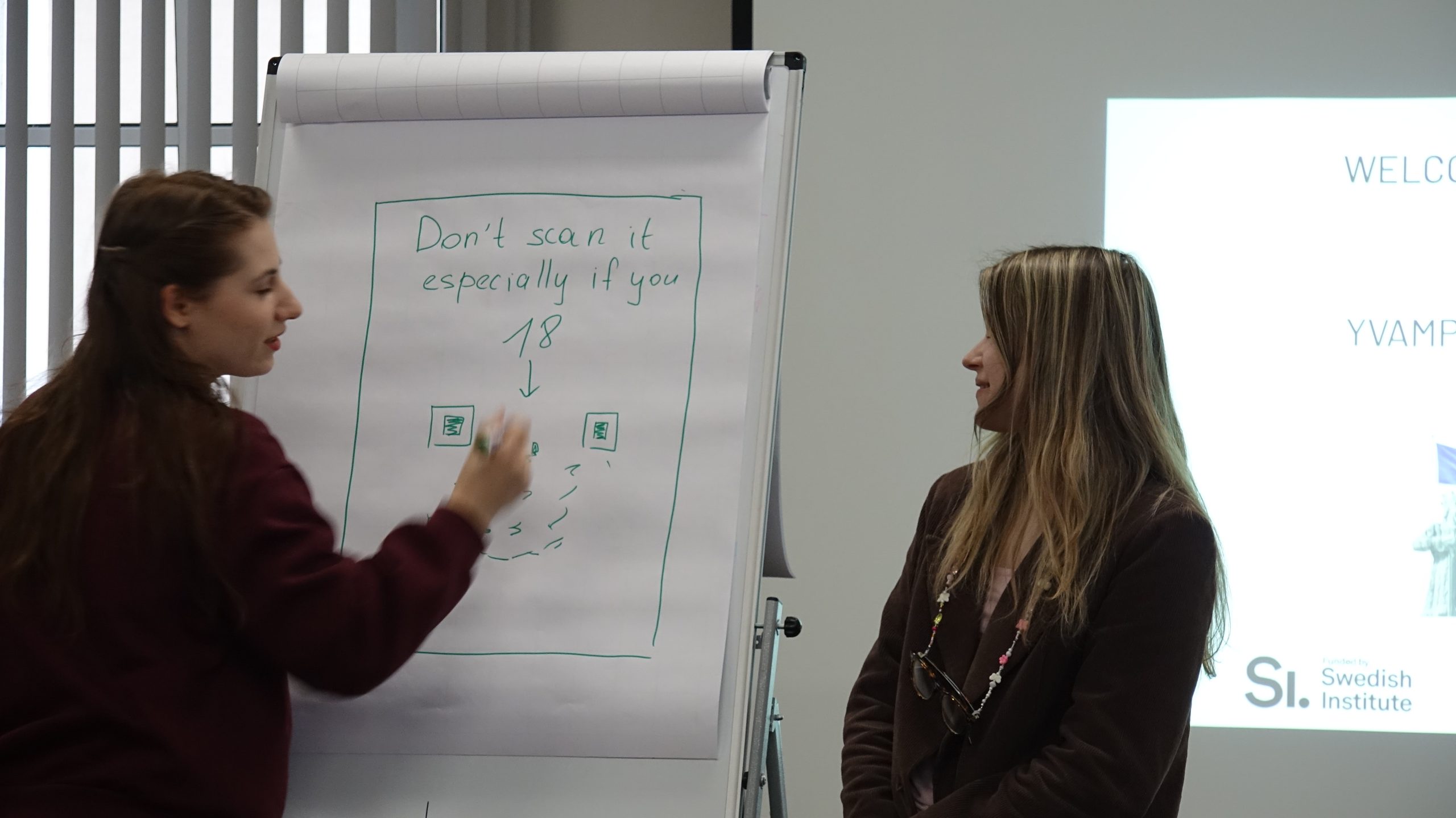
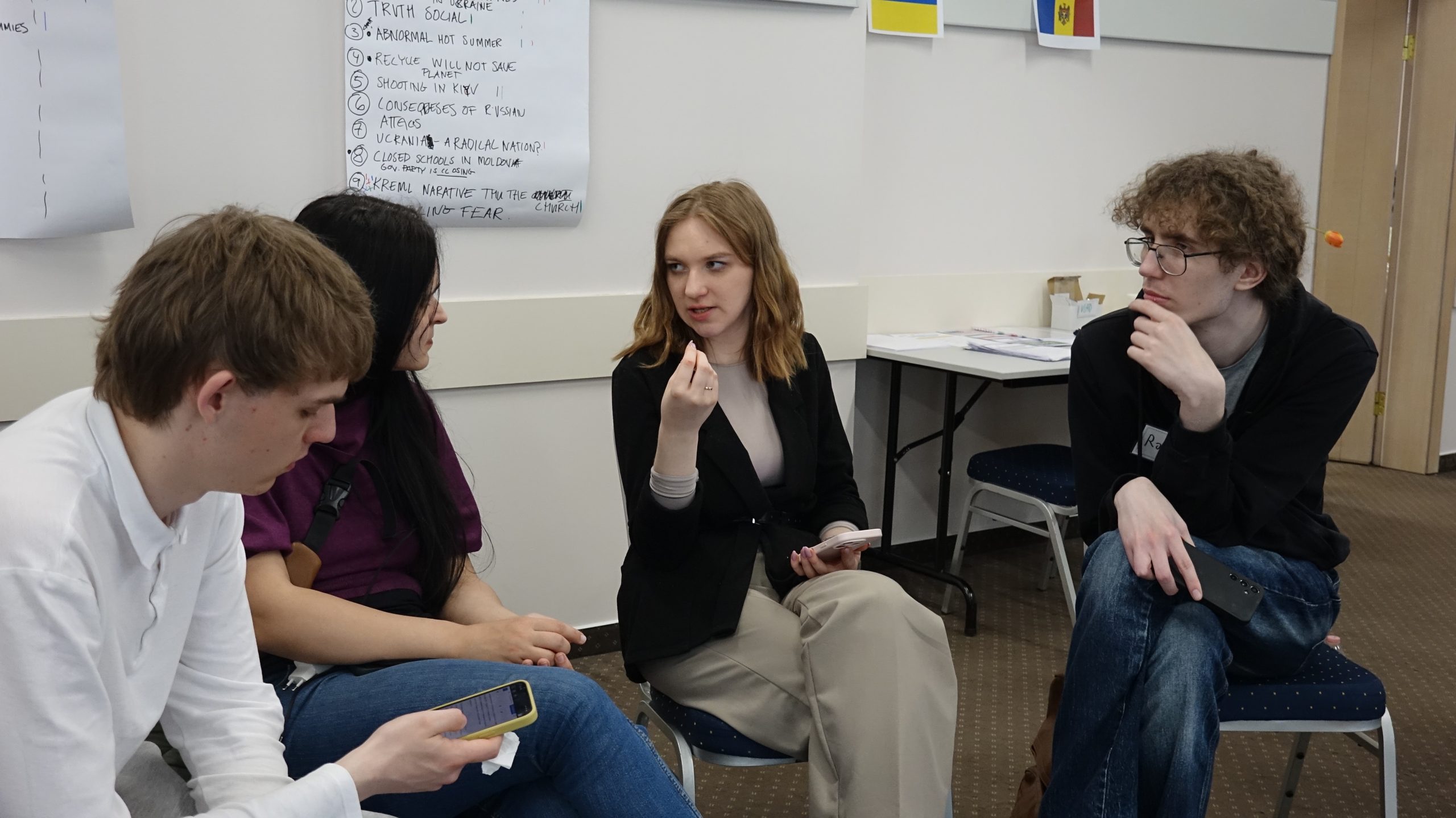
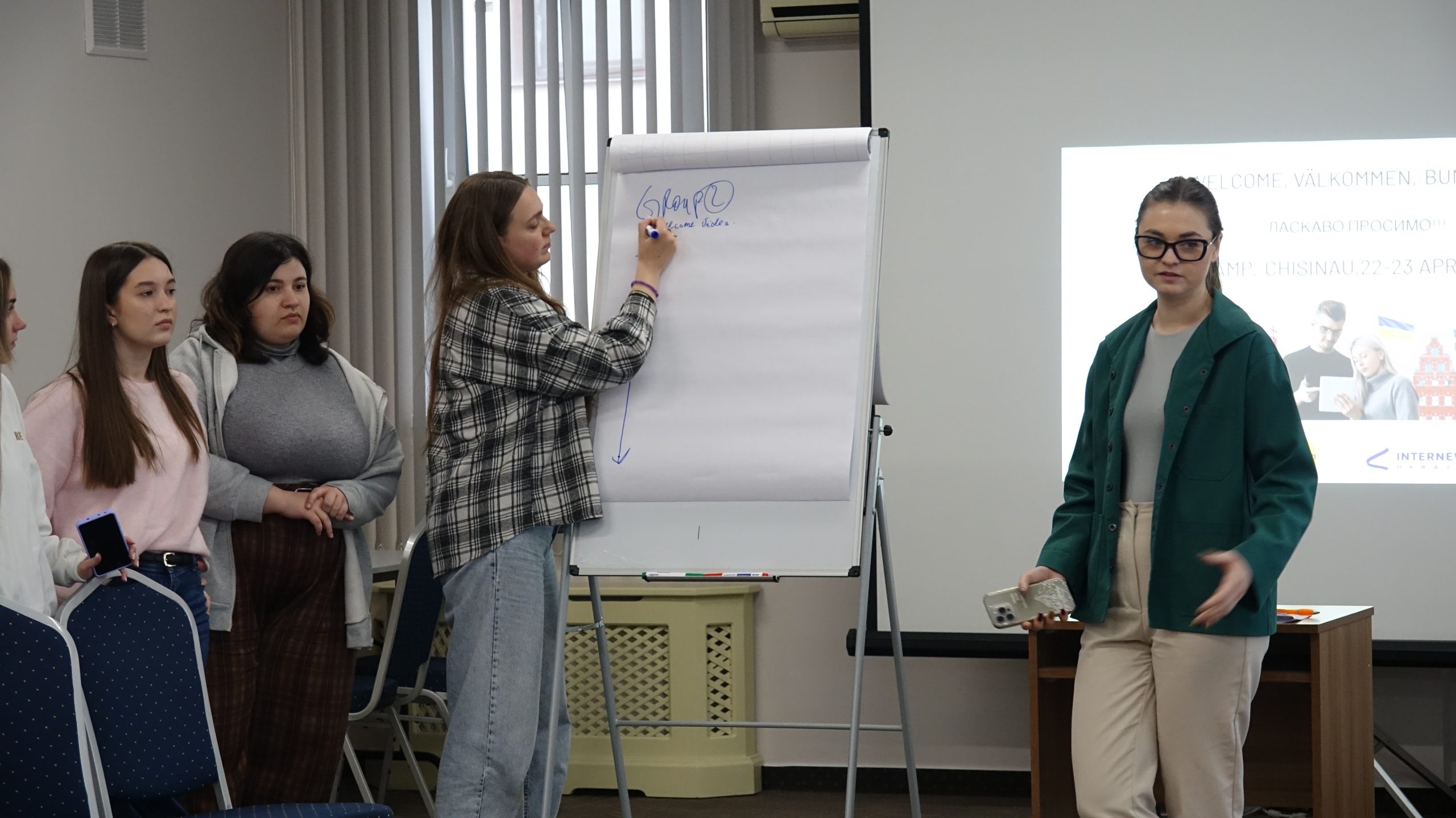
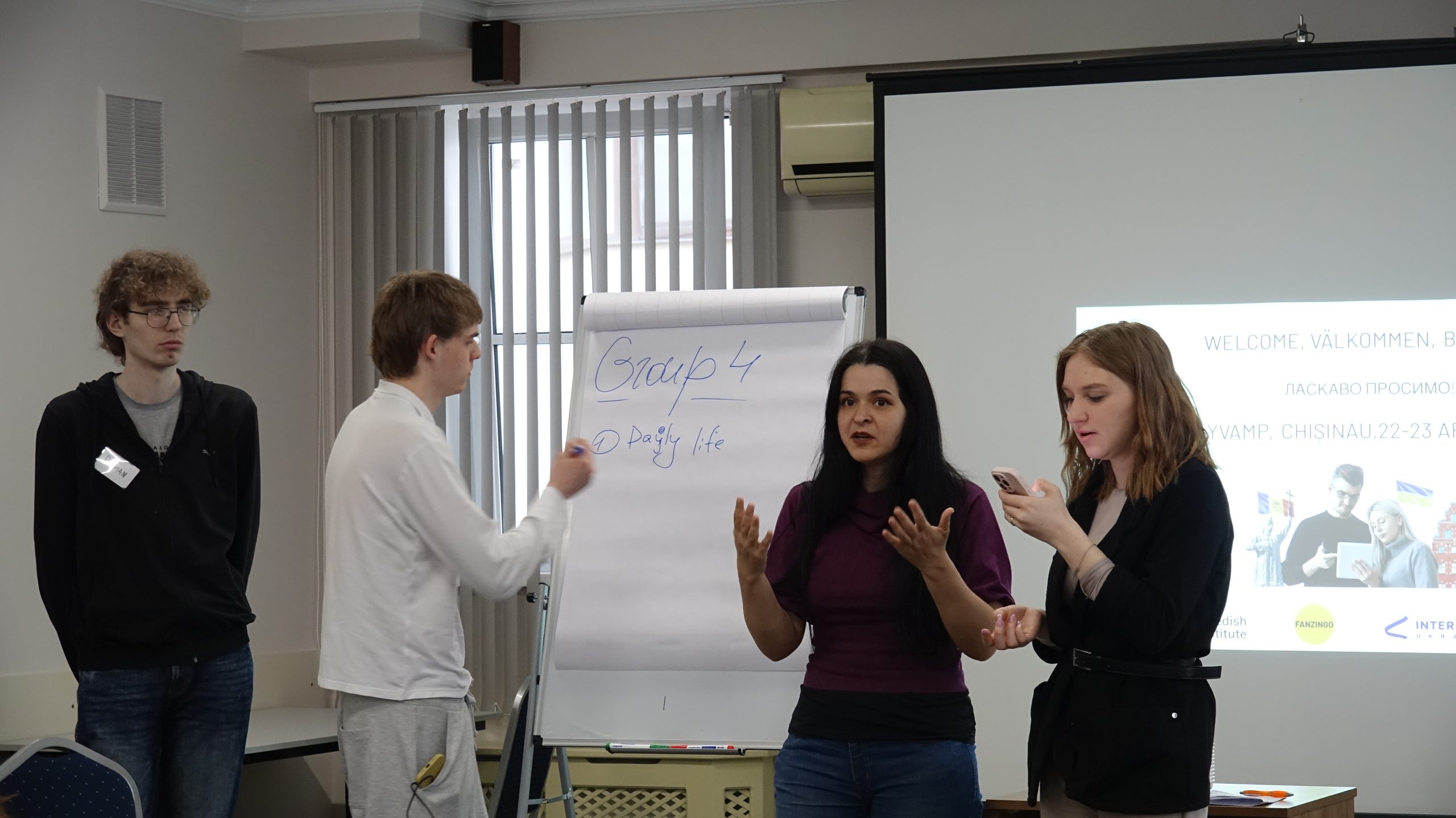
In an increasingly complex information environment, such initiatives directly contribute to strengthening media resilience and to shaping a generation of journalists capable of communicating effectively, responsibly, and in line with new digital realities.
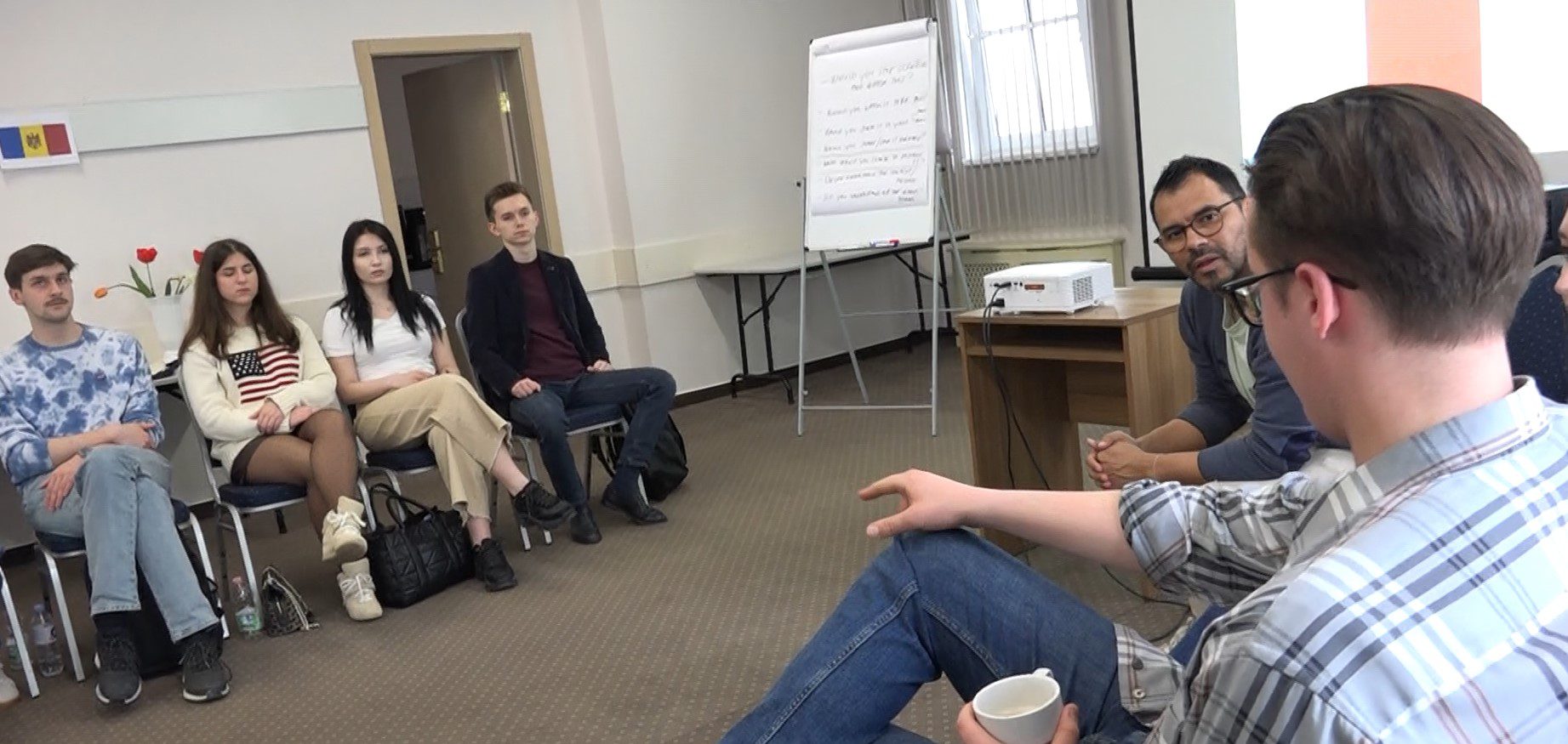
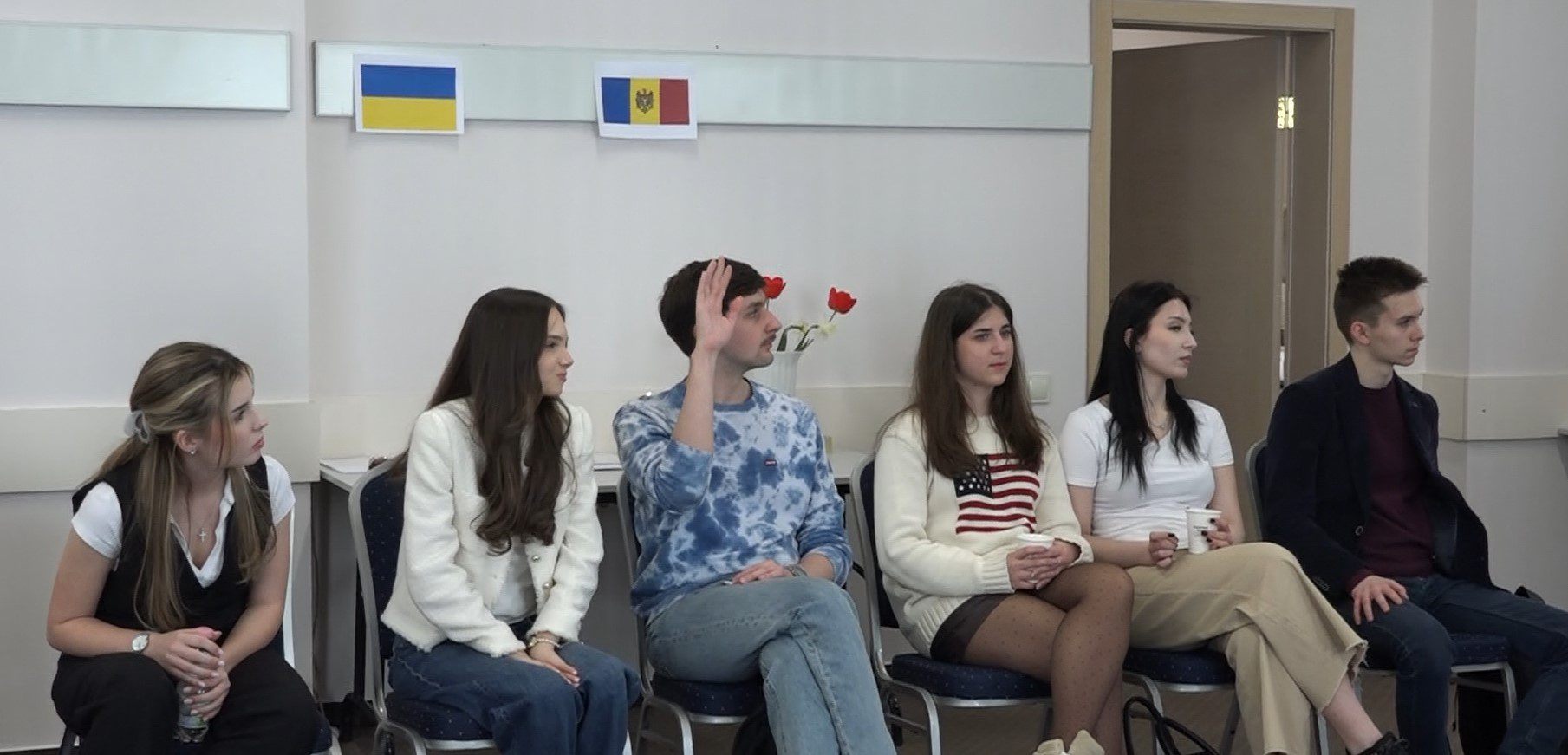
The project is funded by the Swedish Institute and is jointly implemented by three organizations: Fanzingo Media House in Sweden, Internews-Ukraine, and the Independent Journalism Center (IJC) in Moldova.