


Young journalists from Moldova and Ukraine trained to combat disinformation and propaganda
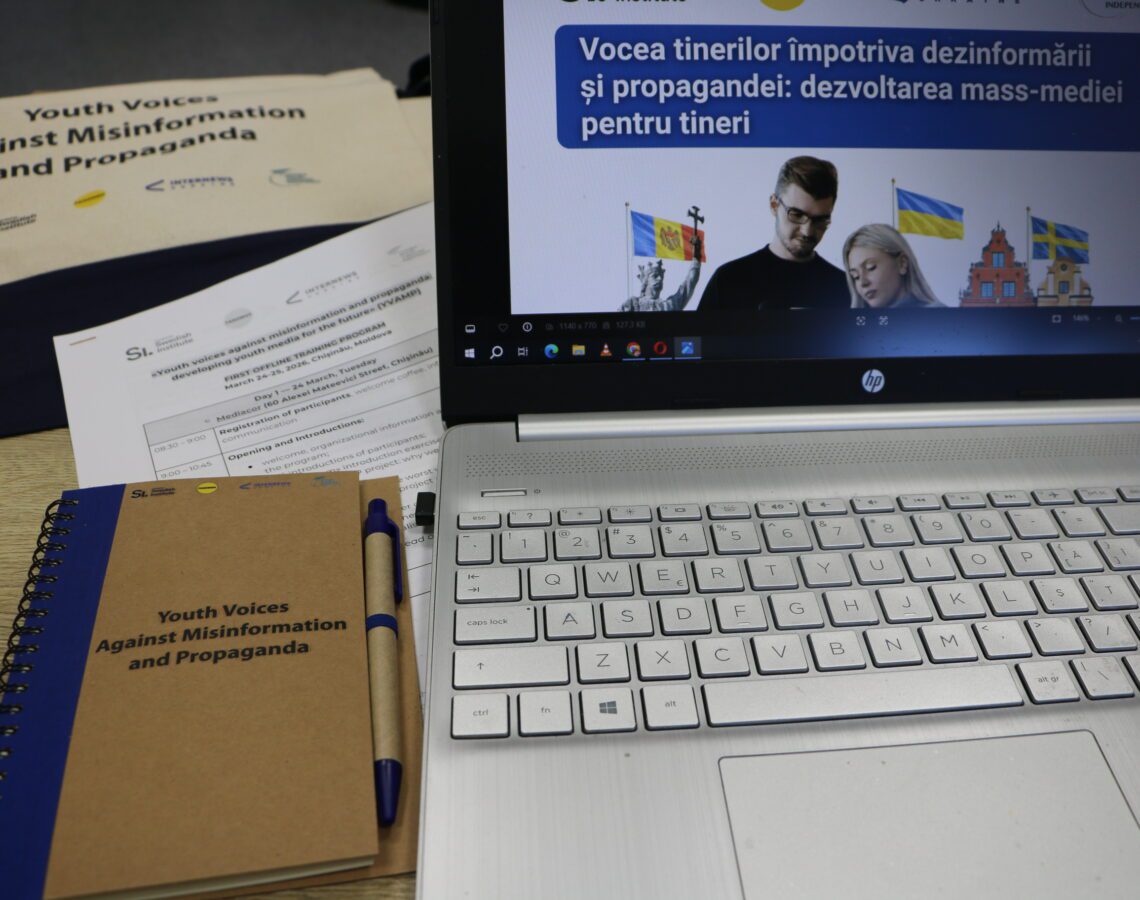
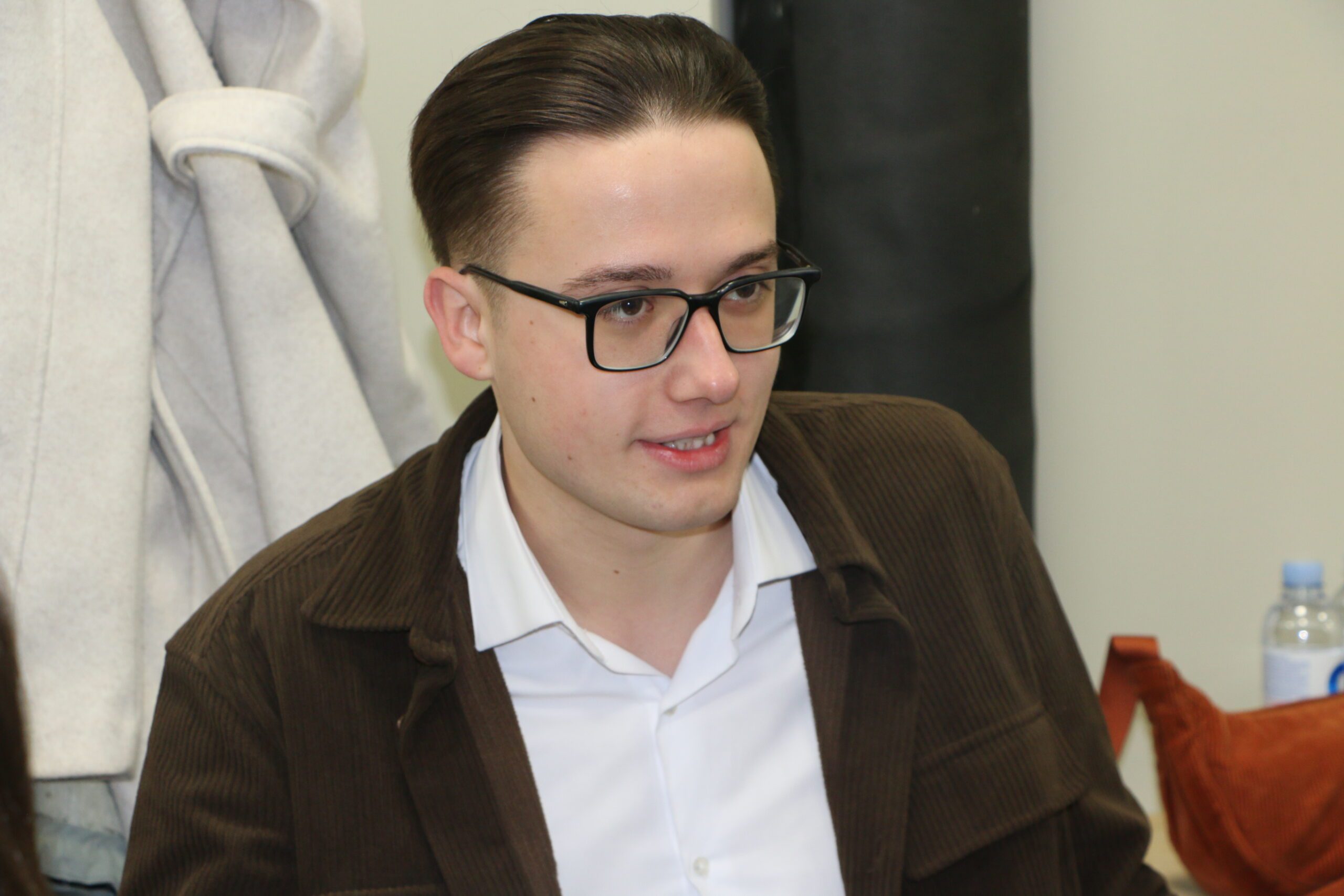
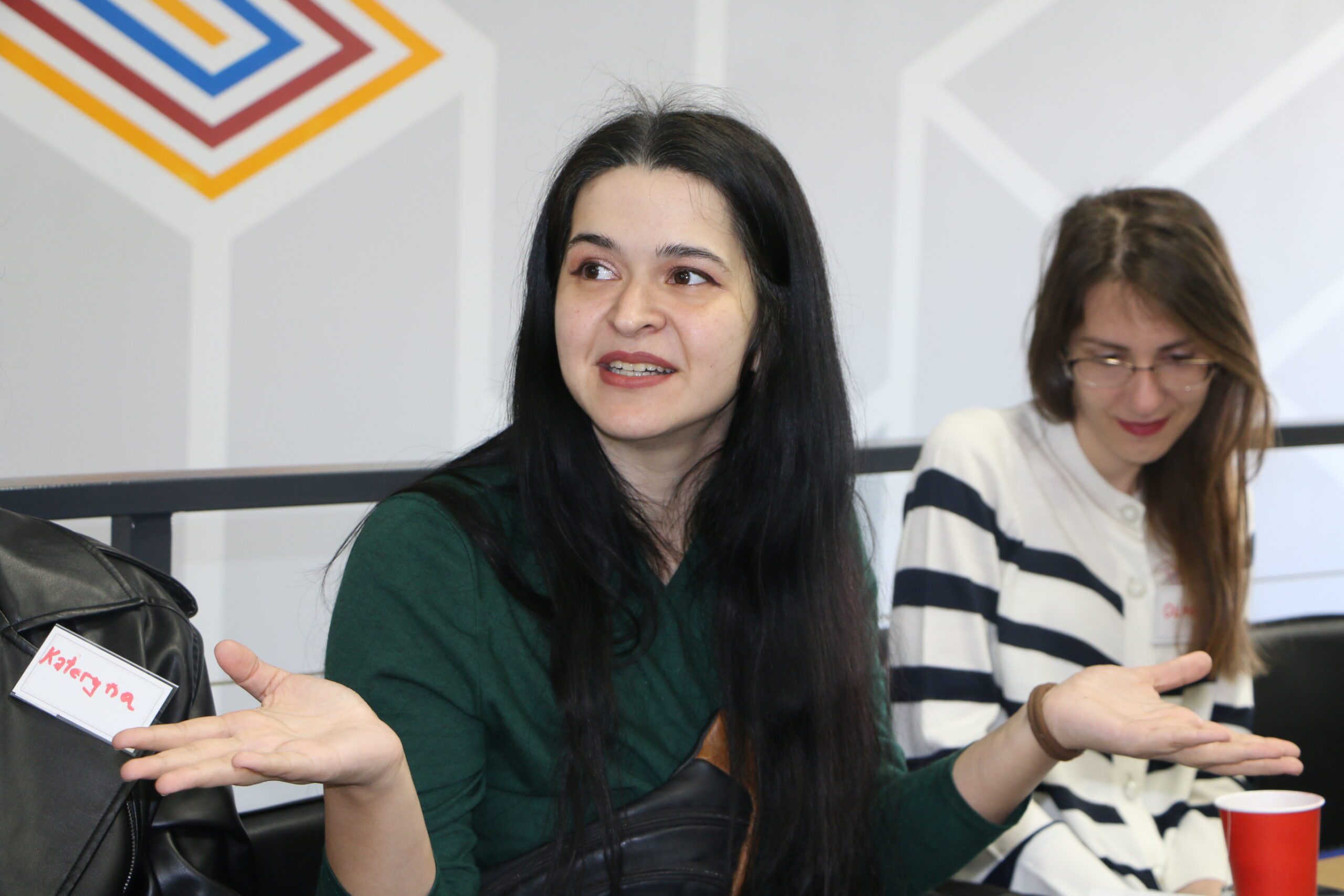
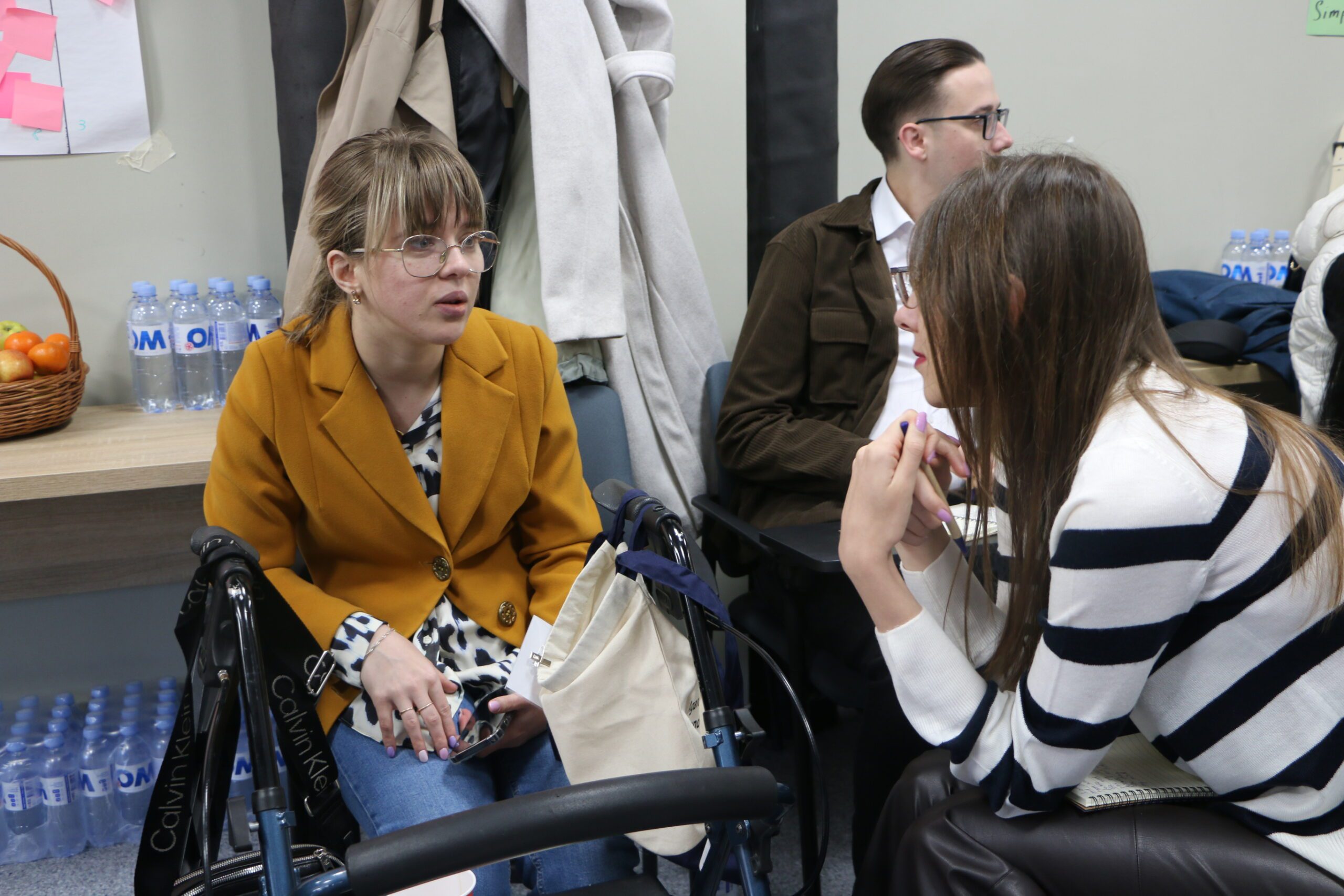
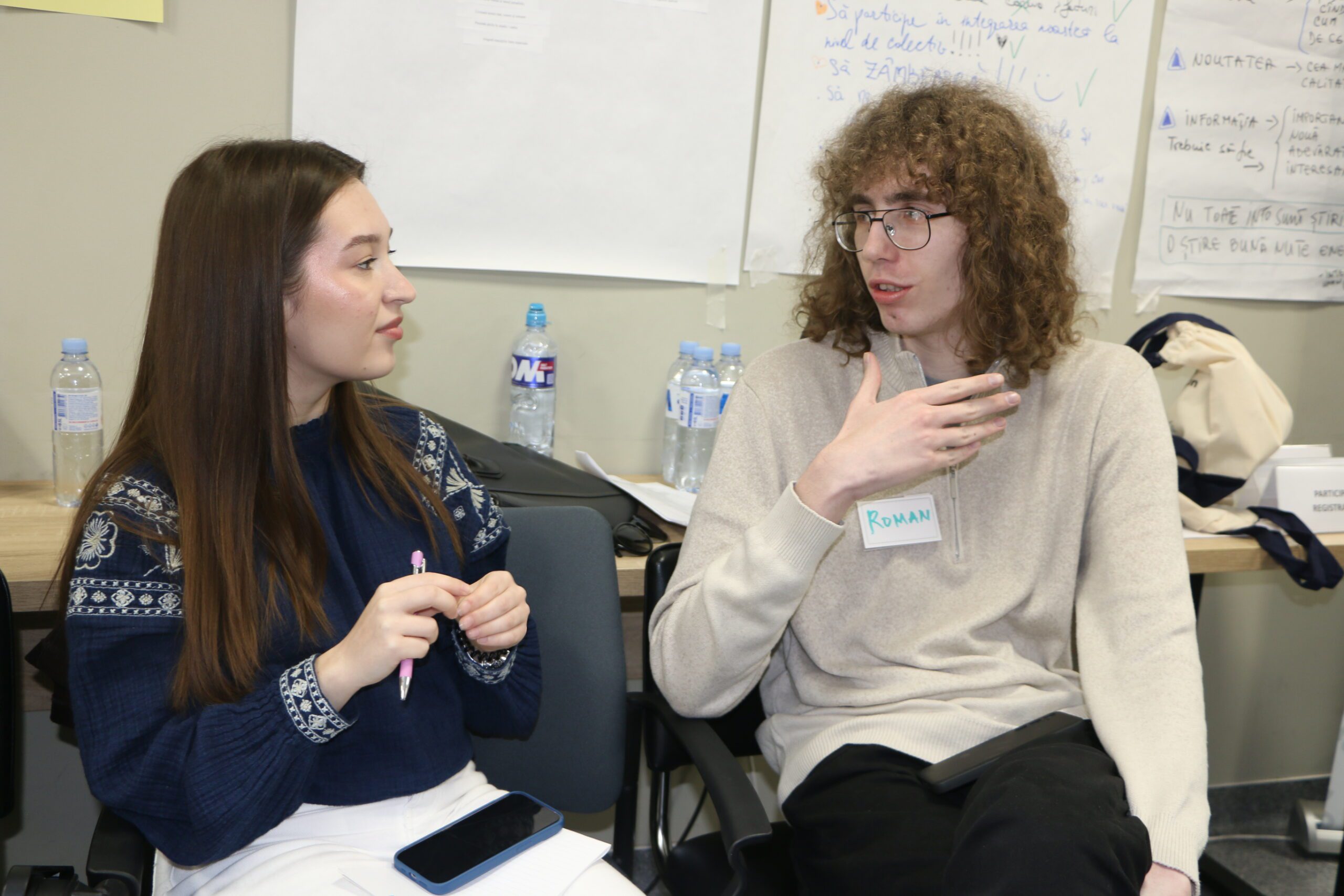
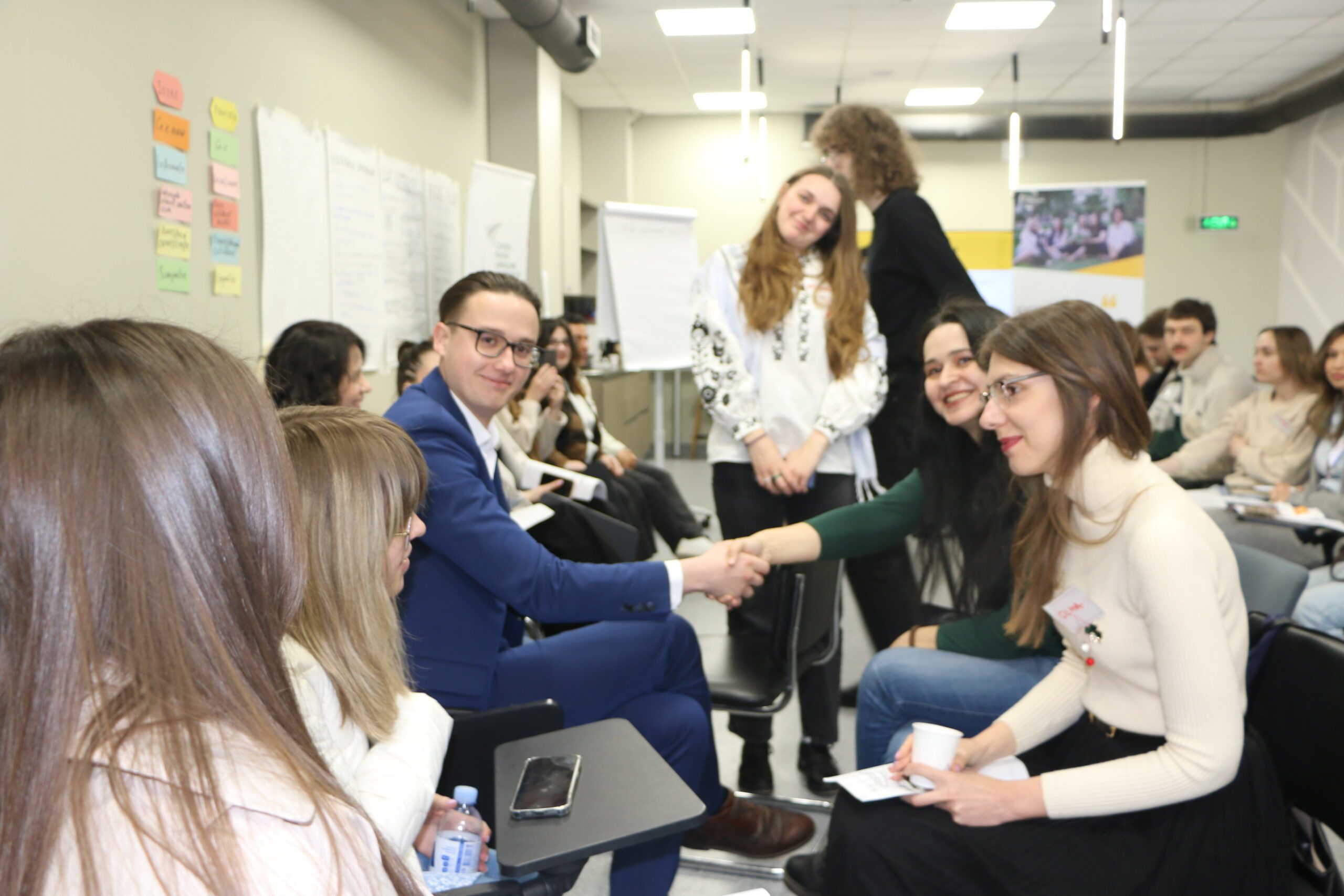
19 young journalists from the Republic of Moldova and Ukraine took part, on March 24-25, 2026, in the training program “Youth Voices Against Misinformation and Propaganda: Developing Youth Media for the Future”. The activity was organized by the Independent Journalism Center, in partnership with Internews Ukraine and Fanzingo Media House (Sweden).
The training represents the first stage of a cross-border project, which will continue in April with three additional sessions. The project aims to provide participants with practical tools to professionally and effectively address topics related to disinformation and propaganda by understanding how these spread, identifying manipulation techniques, and applying efficient methods of analysis, verification, and information presentation.
The sessions were delivered by Irina Alewert, Zanyar Adami, and Luis Lineo – international experts from Fanzingo. Over the two days, through practical exercises, interactive presentations, and video materials, they provided participants with techniques and tools to identify and counter disinformation and propaganda, as well as to produce credible and relevant journalistic content.
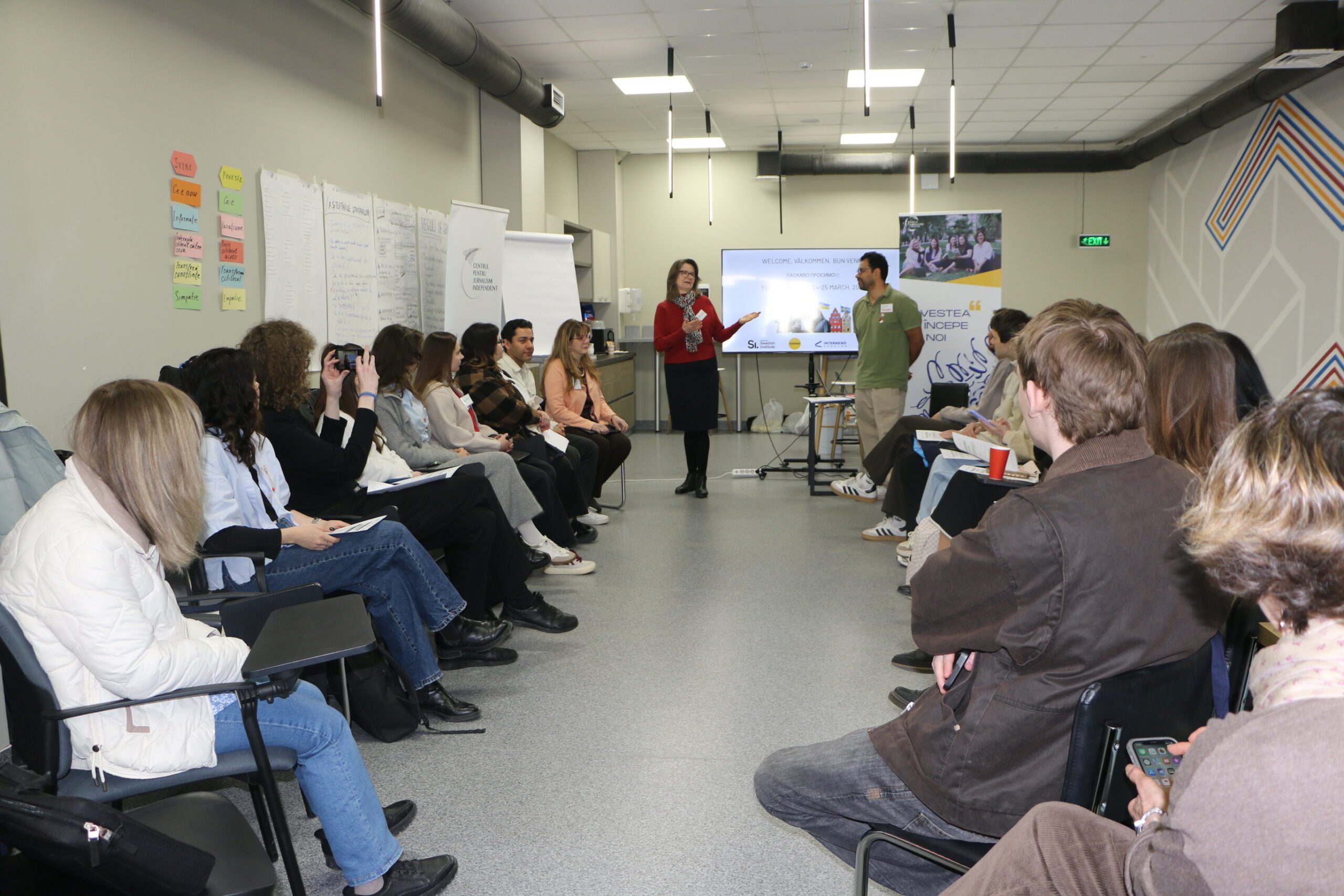
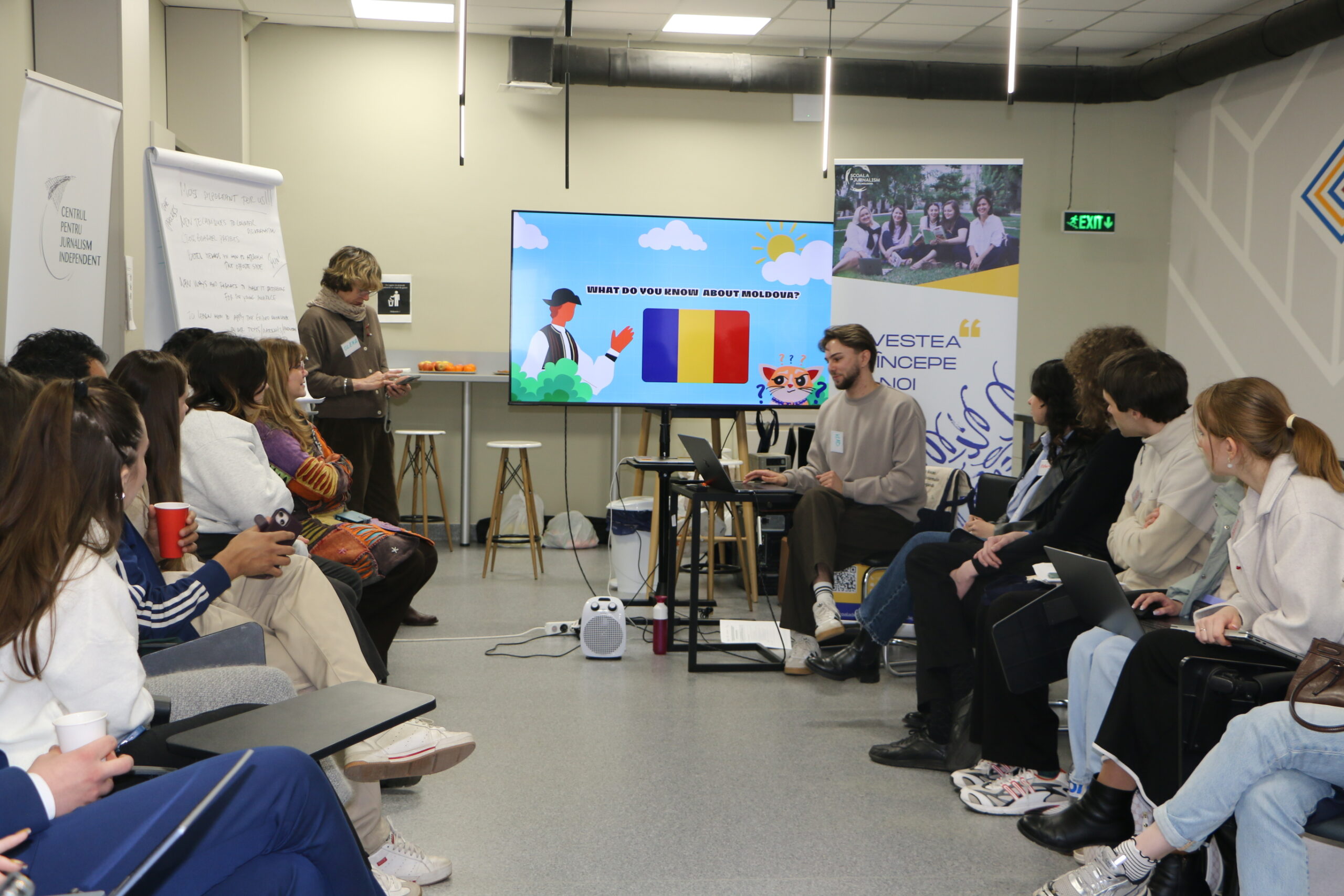


According to Zanyar Adami, the focus was on developing storytelling skills, essential for promoting verified information in a context dominated by fake news. “In an era where fake news bombards young people, it is more important than ever to equip them with the tools needed to combat disinformation and propaganda. My goal was to familiarize them with a set of storytelling skills that help promote the truth,” said Zanyar Adami.
Irina Alewert addressed the influence of media narratives on public perception and the role of critical thinking in strengthening democratic resilience. She noted that the workshop organized in cooperation with Internews Ukraine and CJI in Moldova was highly productive, both in terms of content and methodology. “Interactive sessions and group work were very effective and received positive feedback from participants,” she said.
Luis Lineo, facilitator of the program, encouraged young journalists to develop their own storytelling formats and produce bold and innovative content to make their voices heard.
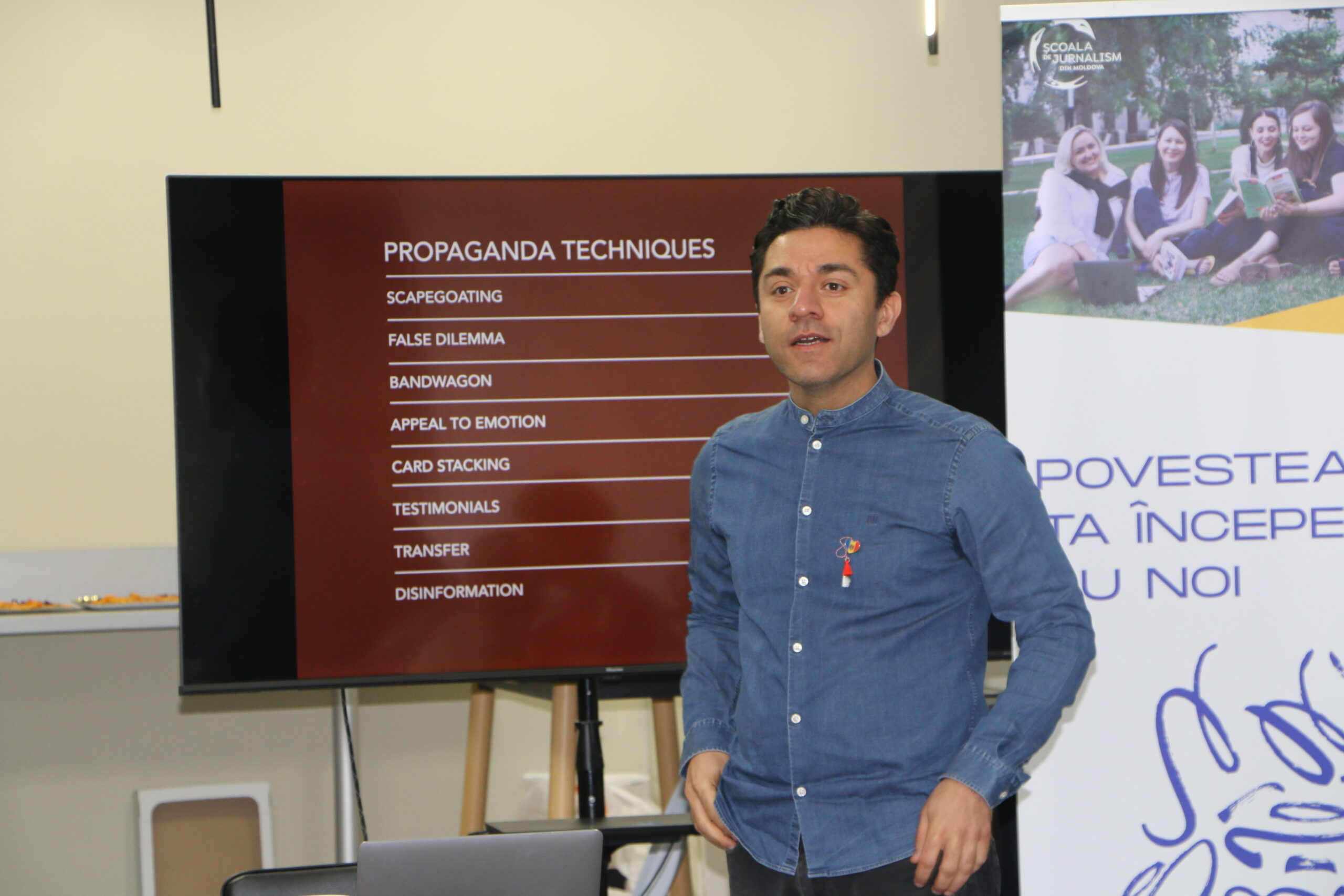


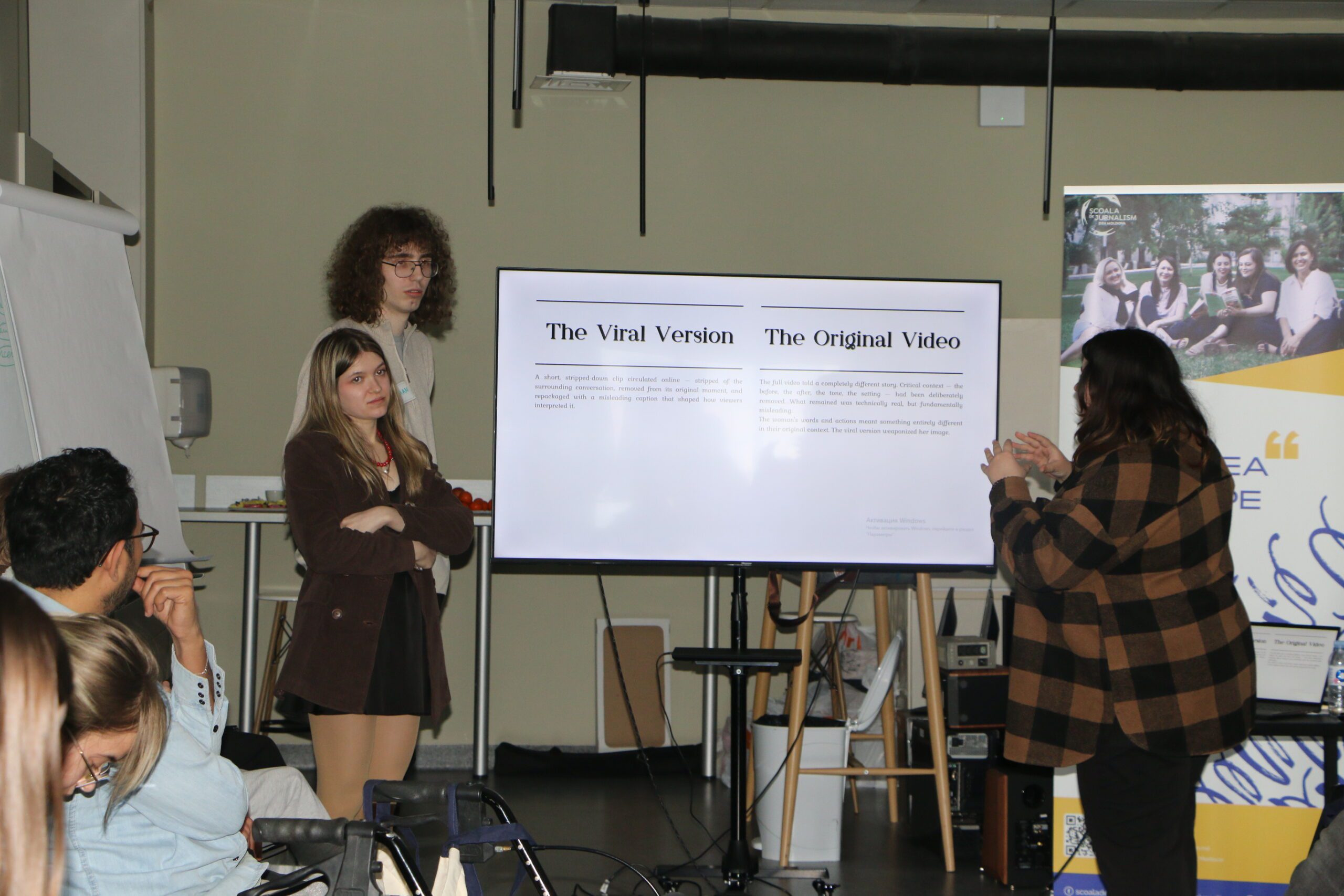
During the training, participants analyzed real examples of disinformation from Moldova and Ukraine, including AI-generated content frequently distributed on social media.
Participants appreciated the practical nature of the program and the exchange of experience.
Elizaveta Guțul, a reporter at the newspaper “SP” (Газета «СП») in Bălți, attended the event to better understand how propaganda works and where its more subtle forms appear in practice.
“The experience was useful precisely because it did not remain at a theoretical level: we worked in teams and analyzed concrete information, trying to distinguish between false, partially true, and real content, and to explain disinformation techniques through clear examples. This approach helped me better understand how easily reality can be distorted and how important context is. The information provided by the experts was applicable and well-argued, and what I learned will be useful in my future work, especially in source verification and drafting journalistic materials. I believe it is essential for media professionals not only to recognize manipulation but also to explain its mechanisms to the public, in order to reduce the impact of propaganda and increase trust in accurate information.”
Mihail Nesteriuc, a reporter for the media project “Вот так, Молдова” of the Polish public television TVP, said the training offered him “new perspectives on how communication can be adapted for different audiences,” highlighting the usefulness of concrete examples and practical steps in message construction.
“I particularly liked that we analyzed clear and applicable steps for building relevant and authentic messages. The discussions were dynamic and provided real space for reflection and exchange of ideas. The experience was very valuable and inspiring. The knowledge gained will help me improve how I communicate and create content for young audiences. I will be able to apply concrete techniques to make messages clearer, more engaging, and more effective. I now better understand the importance of adapting language and communication channels to specific audiences. These skills will directly contribute to my professional development in journalism. I am confident I will integrate these lessons into future projects and achieve better results.”
Journalist Evelina Tcaci from Agora.md stated that the training “redefined her perspective on responsibility within a media institution,” emphasizing the importance of rigorous information verification and the social role of journalism in a complex information environment.
“Interaction with experts from Sweden and colleagues from Ukraine provided not only advanced tools to counter propaganda but also a deeper understanding of how geopolitical context directly affects us. I learned that beyond storytelling techniques or the diversity of disinformation, our credibility depends on the courage to think ‘out of the box’ and the rigor of verifying every source. In a polluted information ecosystem, our duty to provide the community with accurate and verified information is not only a professional task but also a social responsibility.”
Maria Shevchuk, editor-in-chief at Informer.od.ua, noted that although she already had experience in combating disinformation, the program offered new learning perspectives through the exchange of best practices between colleagues from the two countries.
“Before this training, I considered myself experienced in disinformation, having worked on debunking falsehoods, writing in-depth materials on countering hostile narratives, and delivering training sessions for students. However, I learned new things about how colleagues in Moldova operate and the challenges they face. I appreciated the balance between sessions and breaks during the two days, which allowed participants to absorb new information without feeling overwhelmed – something many event organizers do not always consider.”
Olena Kotsur, project manager at Internews Ukraine, emphasized the importance of international collaboration, noting that the exchange of experience between Ukraine, Moldova, and Sweden provides participants with valuable tools for their future professional work.
“I hope this exchange between Ukraine, Moldova, and Sweden provided a real professional boost and offered everyone numerous practical tools for their future work within the project and beyond.”




The project “Youth Voices Against Misinformation and Propaganda: Developing Youth Media for the Future” aims to contribute to the formation of a generation of journalists capable of effectively responding to the challenges posed by disinformation and propaganda in today’s media landscape.



The project is funded by the Swedish Institute and is jointly implemented by three organizations: Fanzingo Media House in Sweden, Internews-Ukraine, and the Independent Journalism Center (IJC) in Moldova.
