


Media Education in Primary School: 13 Teachers Trained by the IJC to Foster Critical Thinking in Students
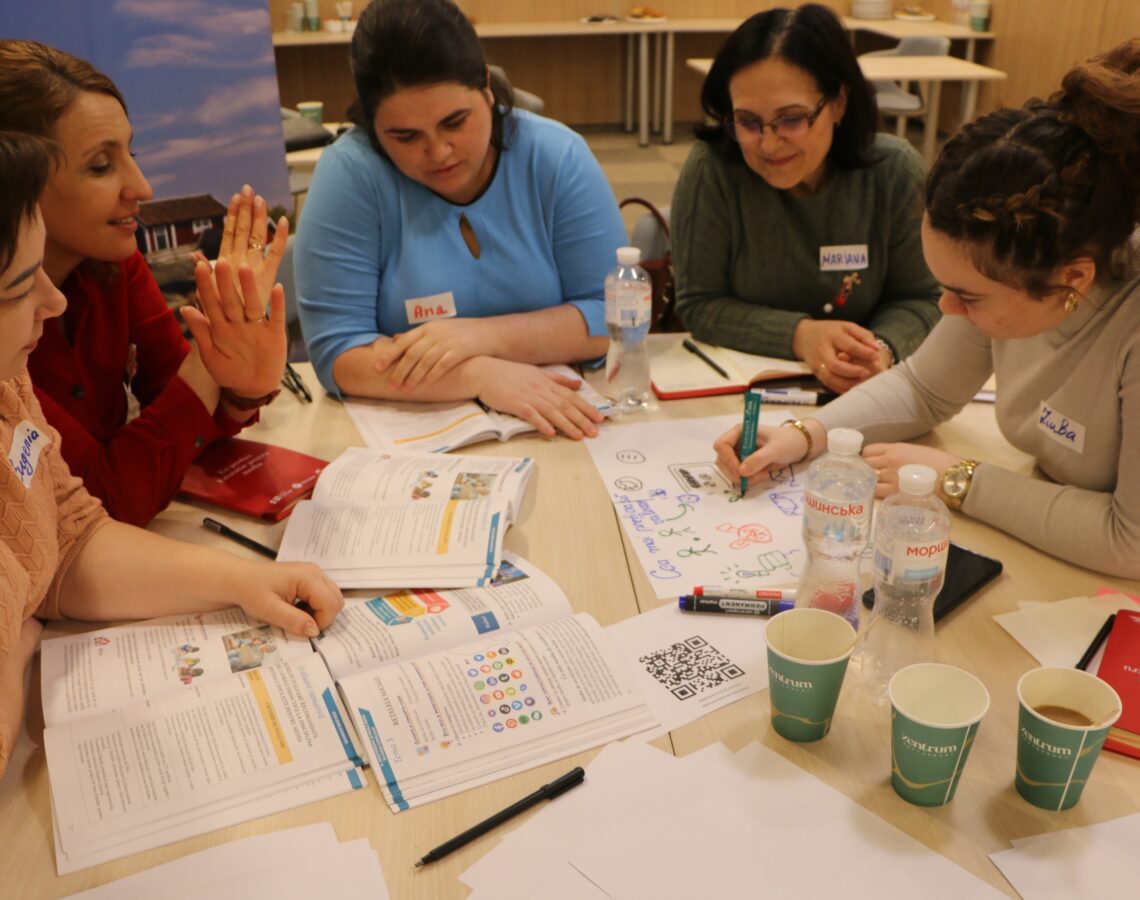
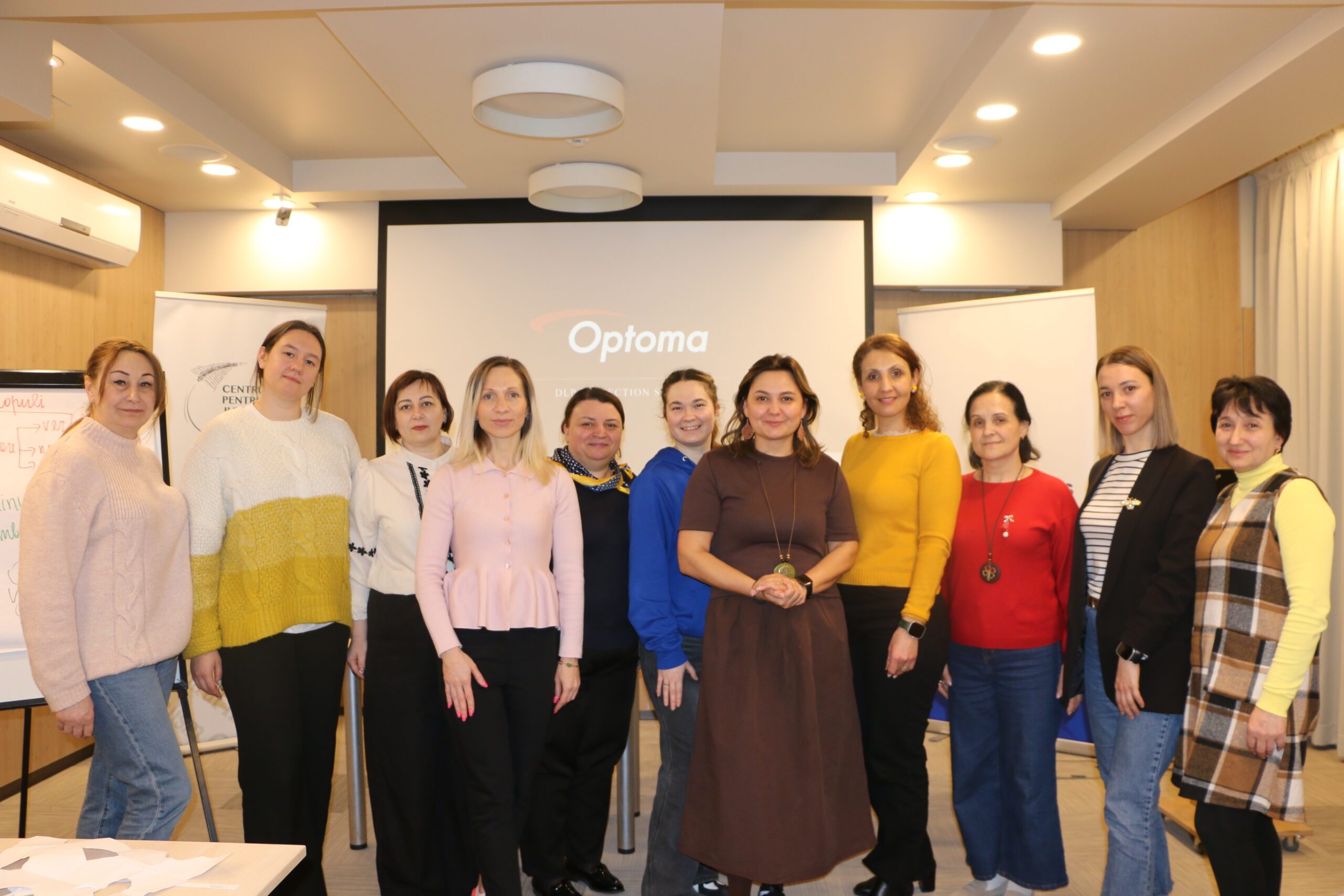
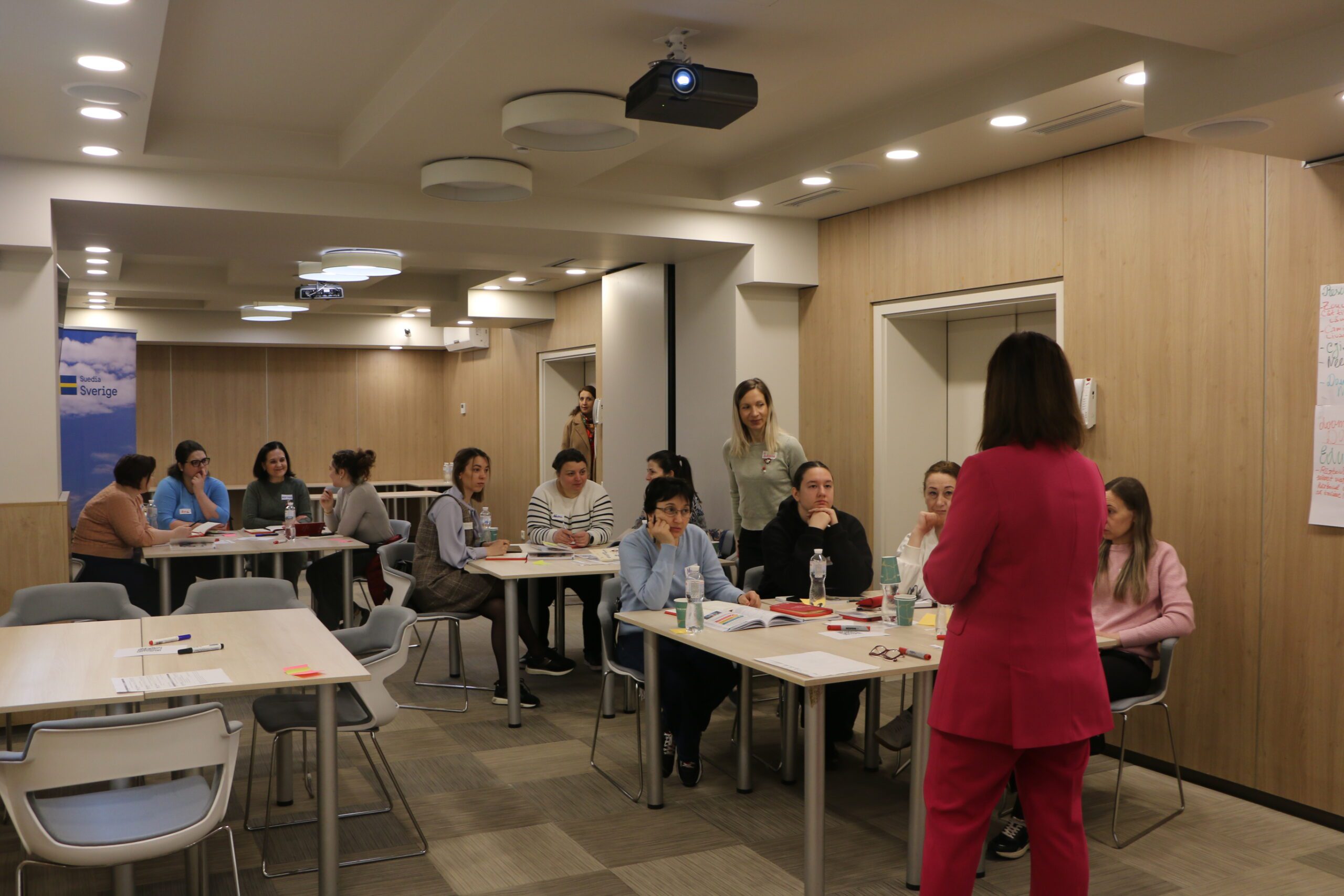
Thirteen teachers from Chișinău and other regions of the Republic of Moldova participated in a training session dedicated to teaching the optional Media Education course in primary school, organized by the Independent Journalism Center (IJC) from March 20–22. The participants explored practical methods for teaching this subject or integrating media education into classroom activities.
“By participating in this training, you have the opportunity to directly contribute to the development of students’ critical thinking, an essential skill for shaping upright citizens. Over the years, the Center for Independent Journalism has created practical resources and tools designed to support you in this endeavor. Your involvement can make a difference in how young people learn to analyze information and make informed decisions,” noted Anastasia Nani, deputy director at the IJC, at the start of the training.
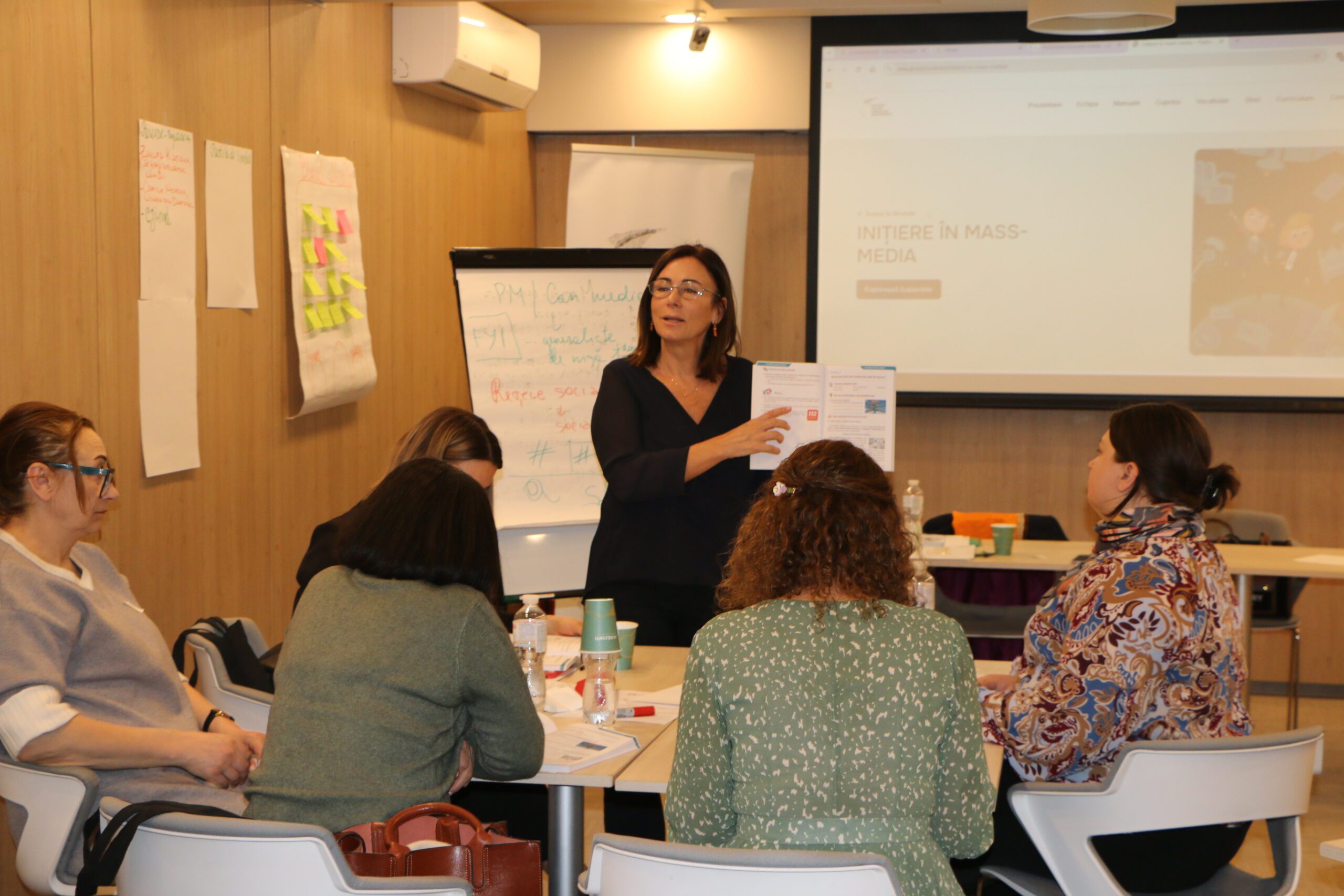
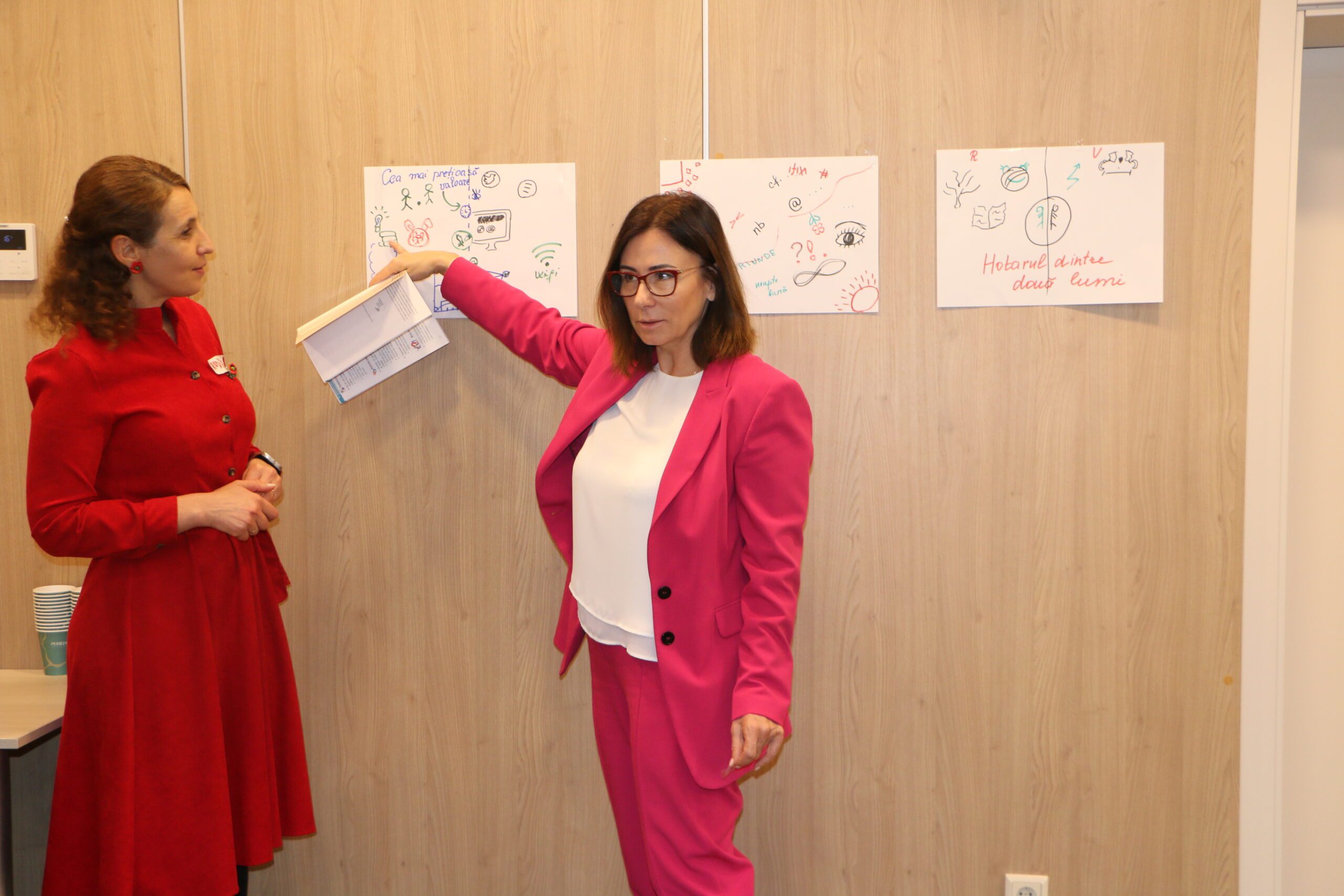
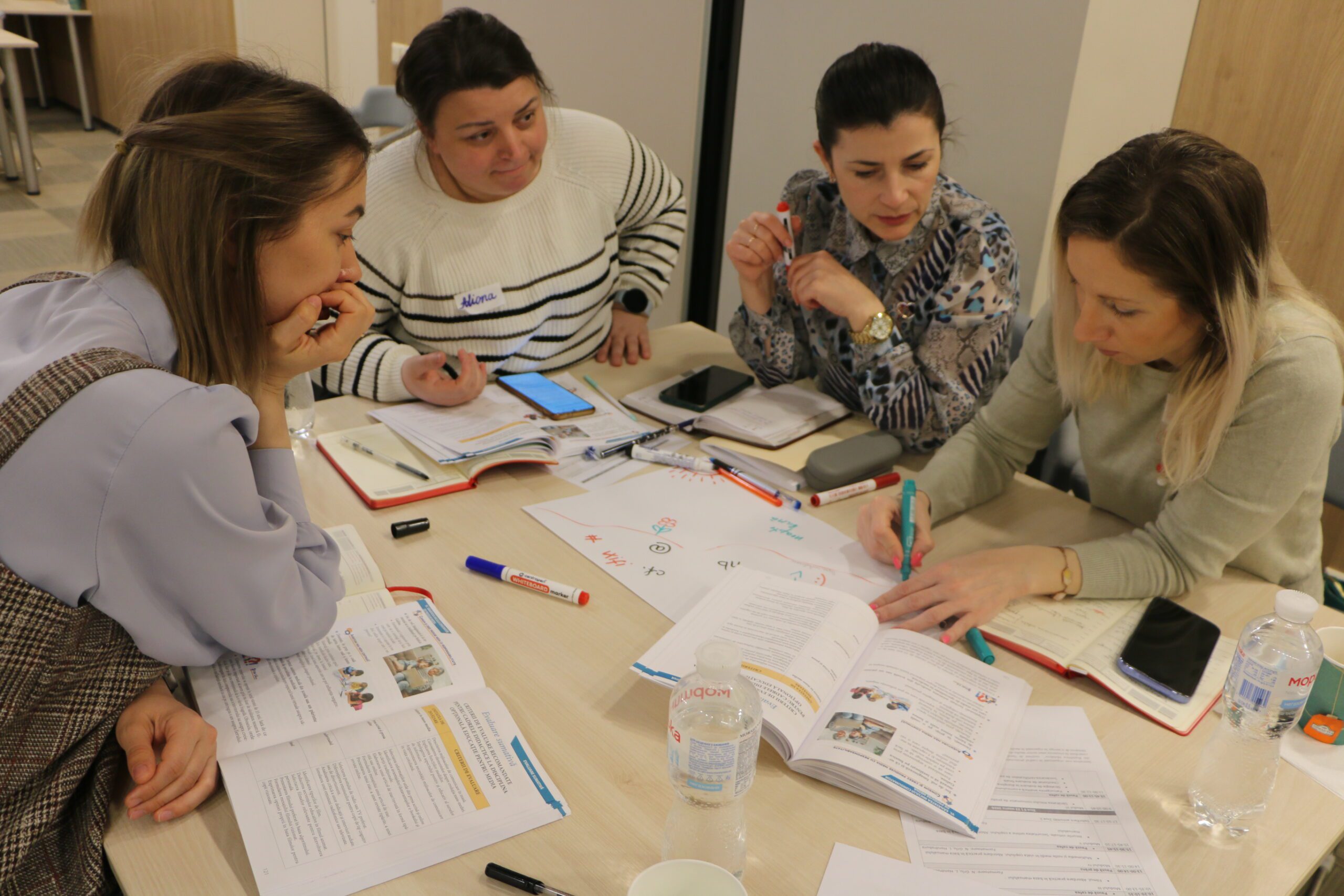
Guided by trainers Natalia Grîu and Loretta Handrabura, the authors of the Media Education manuals, over the course of three days, the training participants worked with the updated books, discussed how critical thinking can be brought closer to students, and tested methods that can be directly applied in the classroom.
“When we talk about information consumption, we’re referring to the information bubble in which everyone finds themselves. For example, we can observe such bubbles when we see entire communities that think alike and vote alike. To understand these complex phenomena, it’s best to step outside our information bubble by accessing different sources. That is why media literacy is no longer an option. It is about the security of the individual and, on a larger scale, of the state,” Natalia Grîu told the teachers.
“Today we have access to an enormous amount of information. Your role is to help children navigate through the information clutter. Through this manual and the training, we’re not giving you set-in-stone formulas, but we are offering recommendations backed by psychopedagogical research. In practice, you’ll see that you can integrate content and activities from the Media Education manual into all the subjects you teach,” emphasized Loretta Handrabura.


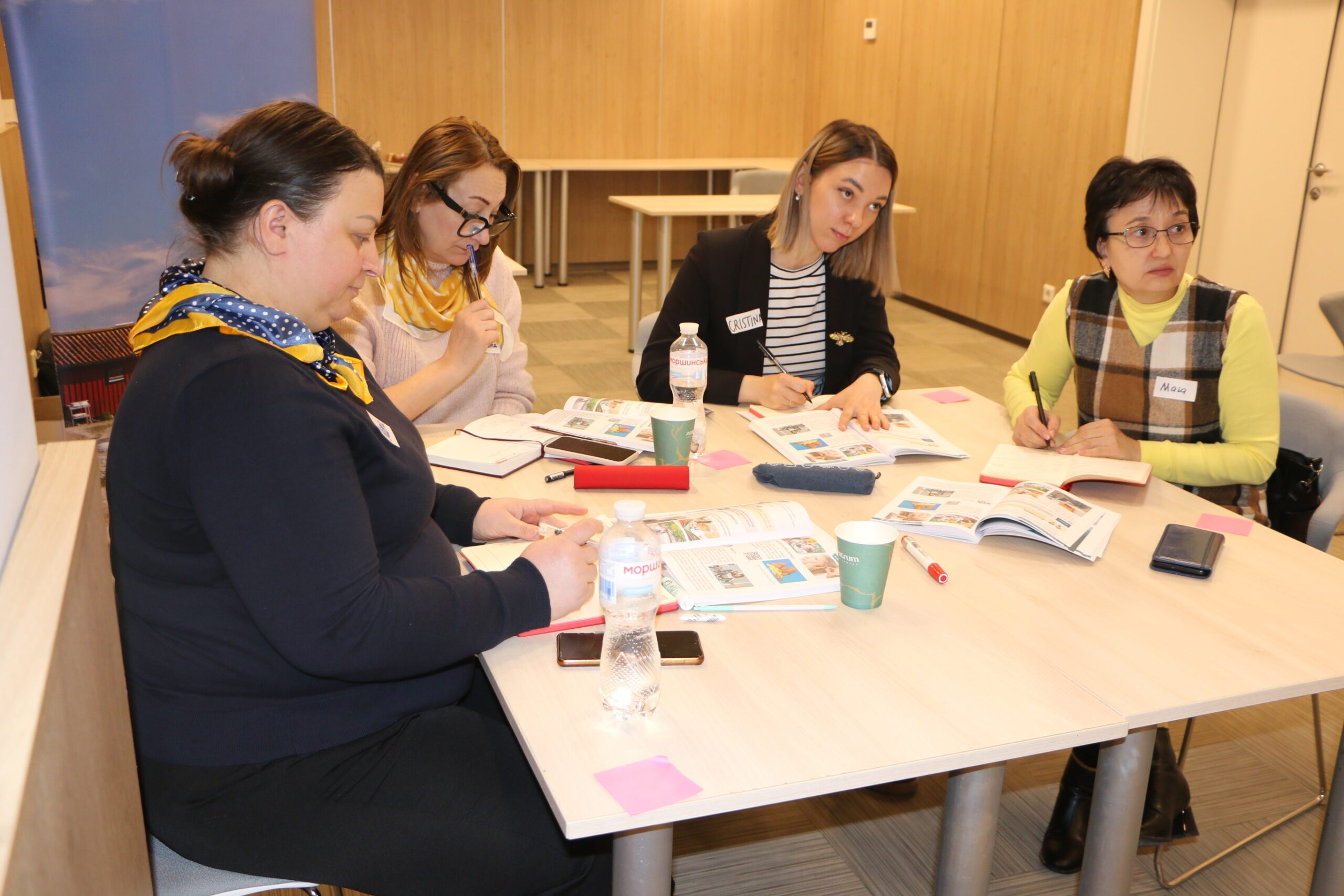
For their part, the teachers appreciated the usefulness of the training and the applicability of the methods presented.
“As a young professional, I participated with great interest in the training on the Media Education course. The materials provided will be of great help to me in my work. I intend to choose this course because it is important not only for children but also for society as a whole ,” said teacher Galina Popadin from Gymnasium No. 77 in Cricova, Chișinău.
“I appreciated the materials and information provided, as well as the practical examples for developing media literacy and critical thinking skills in students. The professionalism, dedication, and support provided during the training contribute to promoting a modern and high-quality education,” added Mariana Bucatari from the Cuhnești Secondary School, Glodeni.
To date, the IJC has trained 266 elementary school teachers, 263 middle school teachers, and 361 high school teachers. The elective course Media Education has been taught in schools across the Republic of Moldova since 2017, having been included in the framework curriculum of the Ministry of Education and Research of the Republic of Moldova for all three levels of education—elementary, middle, and high school. The IJC developed the Media Education curriculum and textbooks, which are provided free of charge to educational institutions.
This activity is part of the project supported by Sweden “Media Literacy Advancement and Support to Moldovan Media” and implemented by Internews, which aims to contribute towards the growth of a diverse, independent and financially viable media landscape in Moldova, and to empower Moldovan youth to navigate their complex information environment.
