


From fact-checking to Reels and storytelling: content creators have learned to turn information into engaging digital content
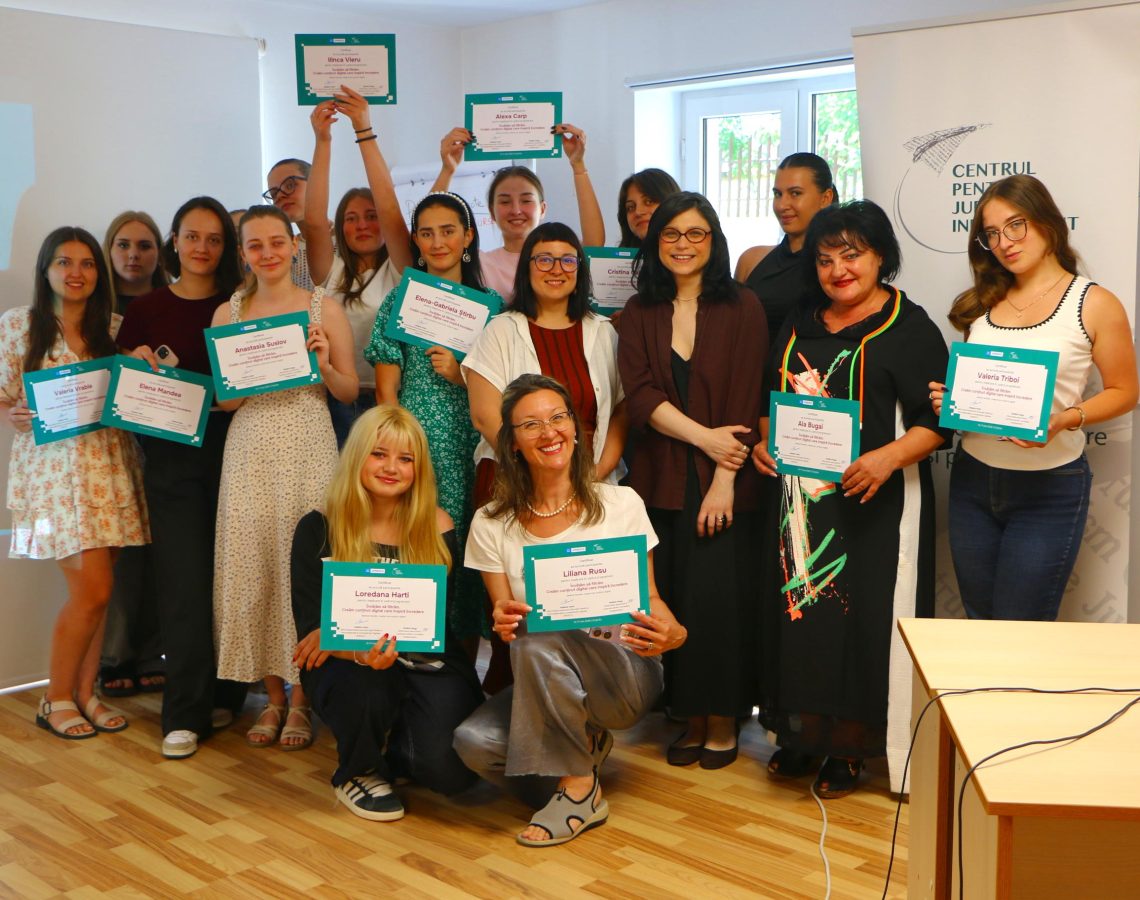
How to identify relevant topics, how to structure an article, which storytelling formats are most suitable, how to produce vox-overs, and how to film and edit video content with credible information for online audiences – all of these topics were discussed during the second training program “Learning to Filter: Creating Digital Content That Inspires Trust.” The training, attended by 16 participants, was organized by the Independent Journalism Center (IJC) from July 15-17, 2026, in Chisinau and was supported by UNESCO through the Government of Japan.
Mariko Mori, First Secretary at the Embassy of Japan in the Republic of Moldova, highlighted the role of the press in defending democracy. “Journalists are key actors who contribute to this resilience by providing accurate information and helping citizens make informed decisions. Today, social media has become a primary source of information. (…) I urge you to be mindful of the voices you listen to and to carefully choose the information you consume,” said the representative of the Japanese Embassy.
Over the course of the three-day training session, together with trainers Ana Sârbu and Ana Gherciu, the participants developed their skills in verifying information, identifying disinformation, and using digital platforms responsibly. They also learned how to create credible and relevant digital content tailored to online audiences.
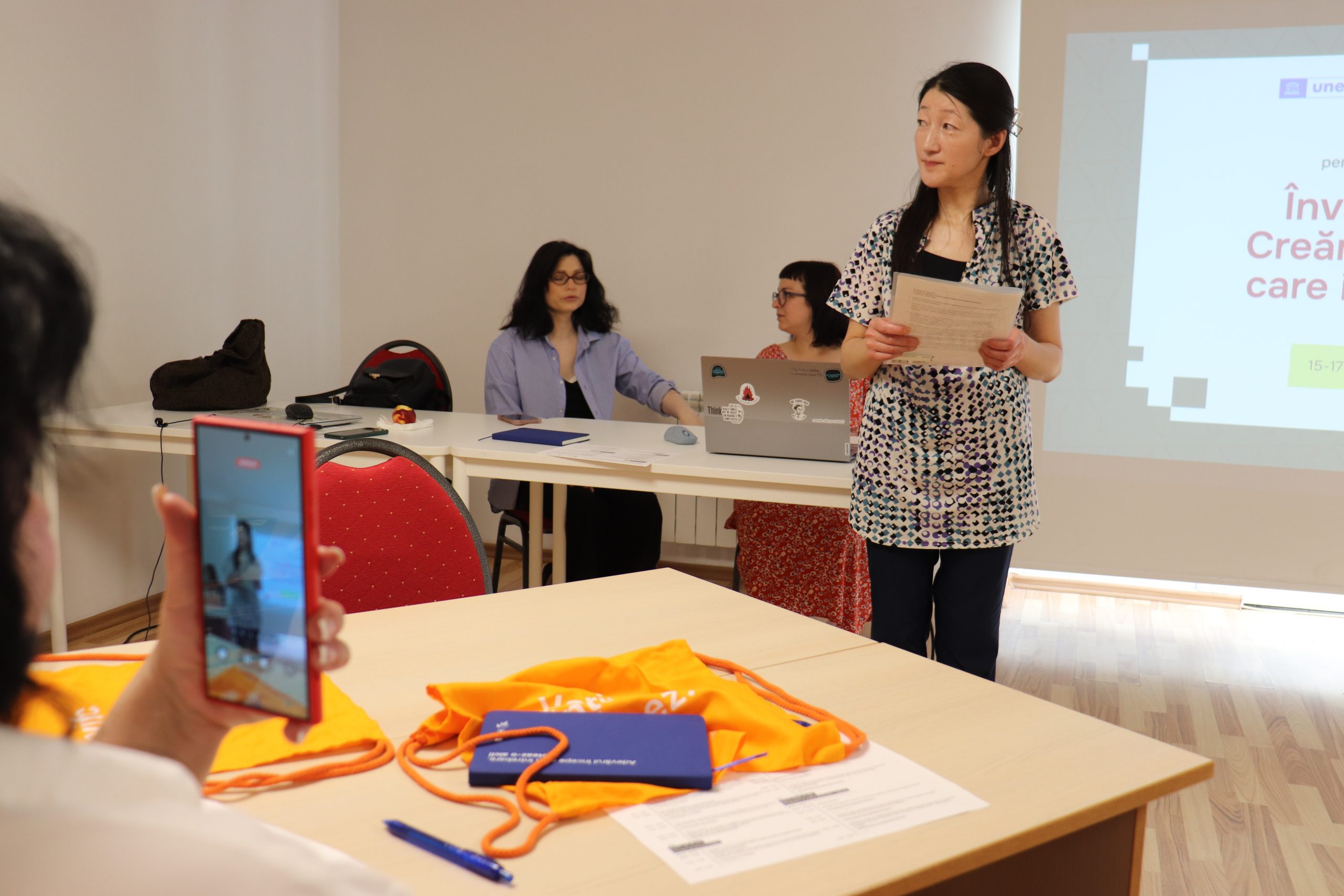
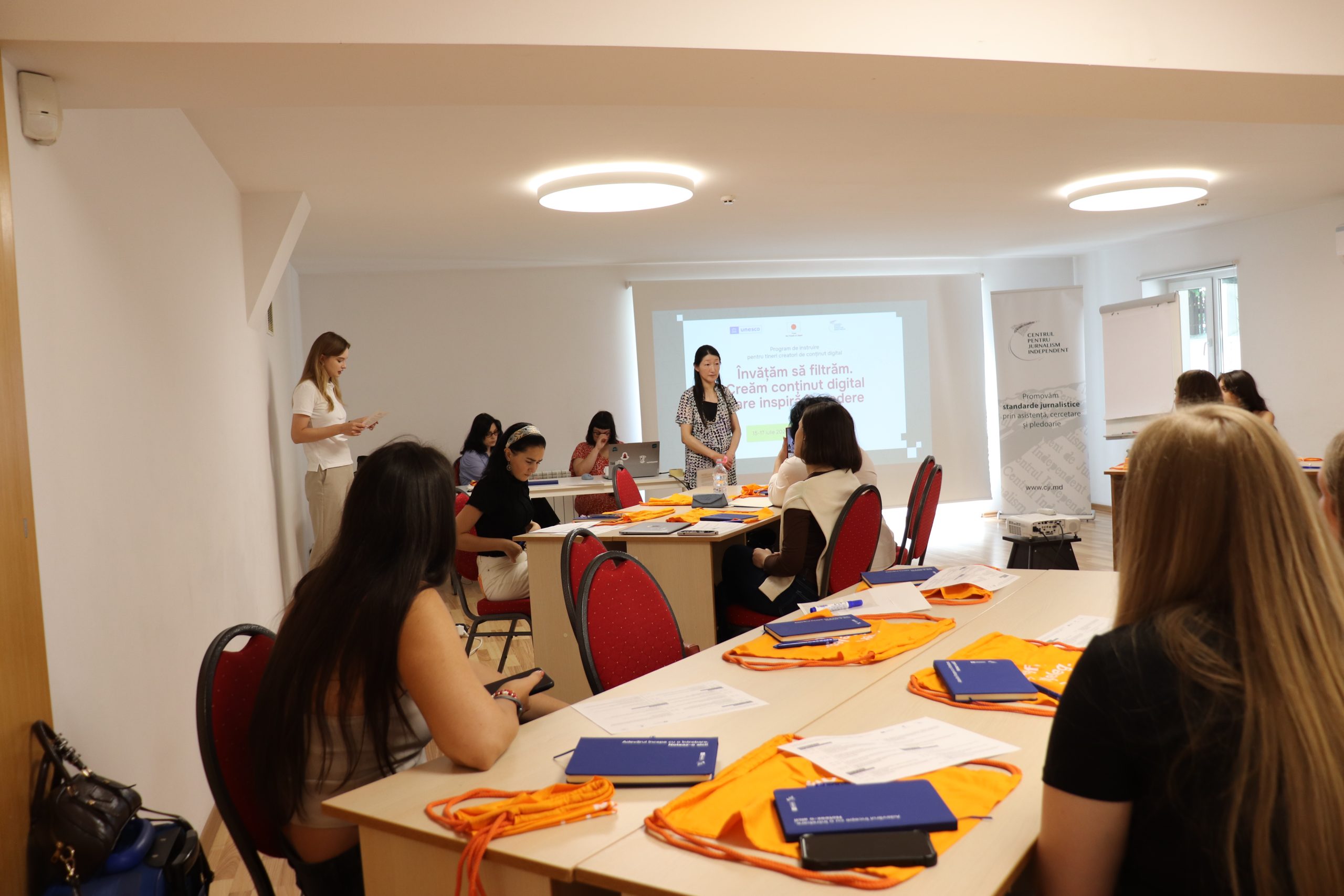
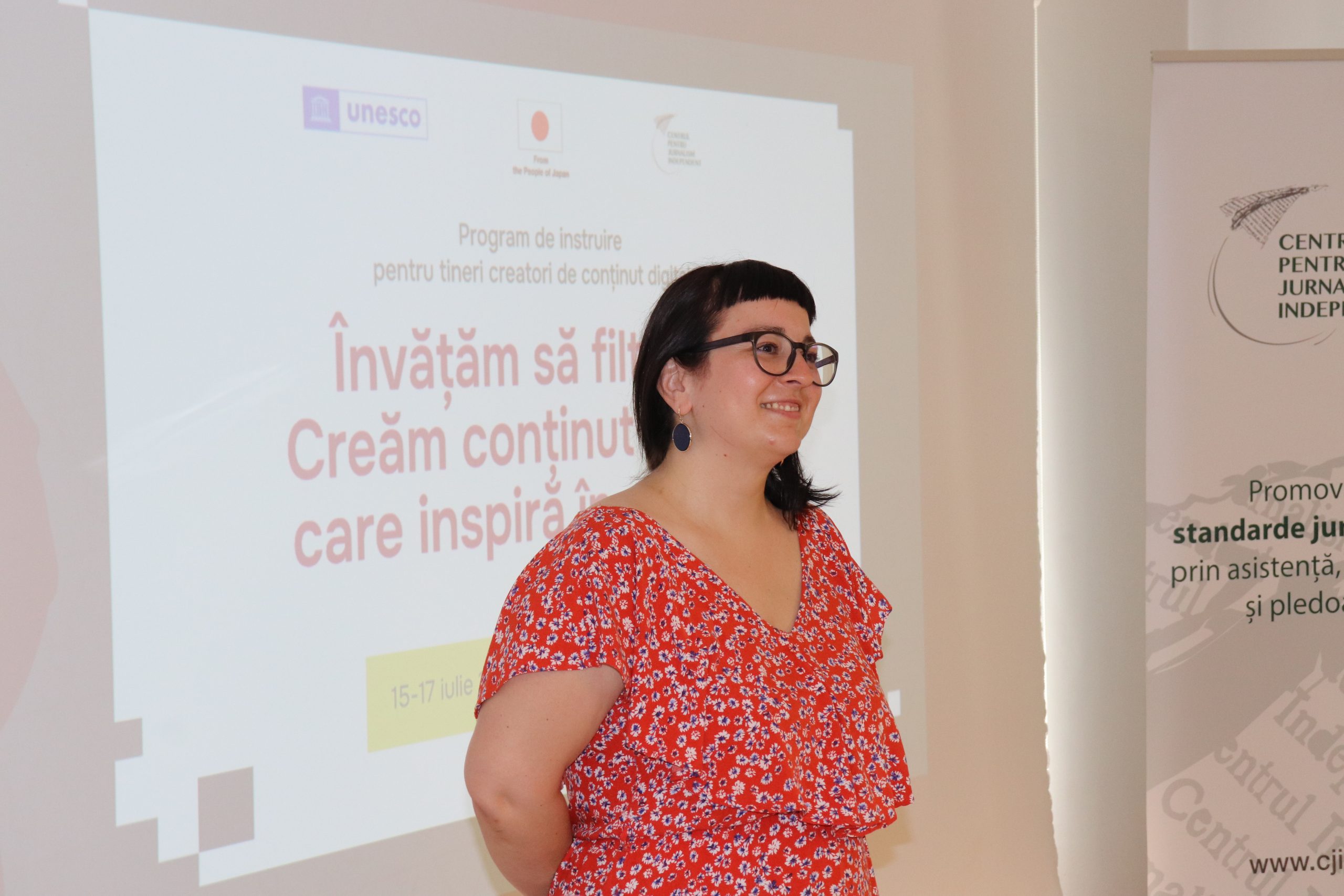
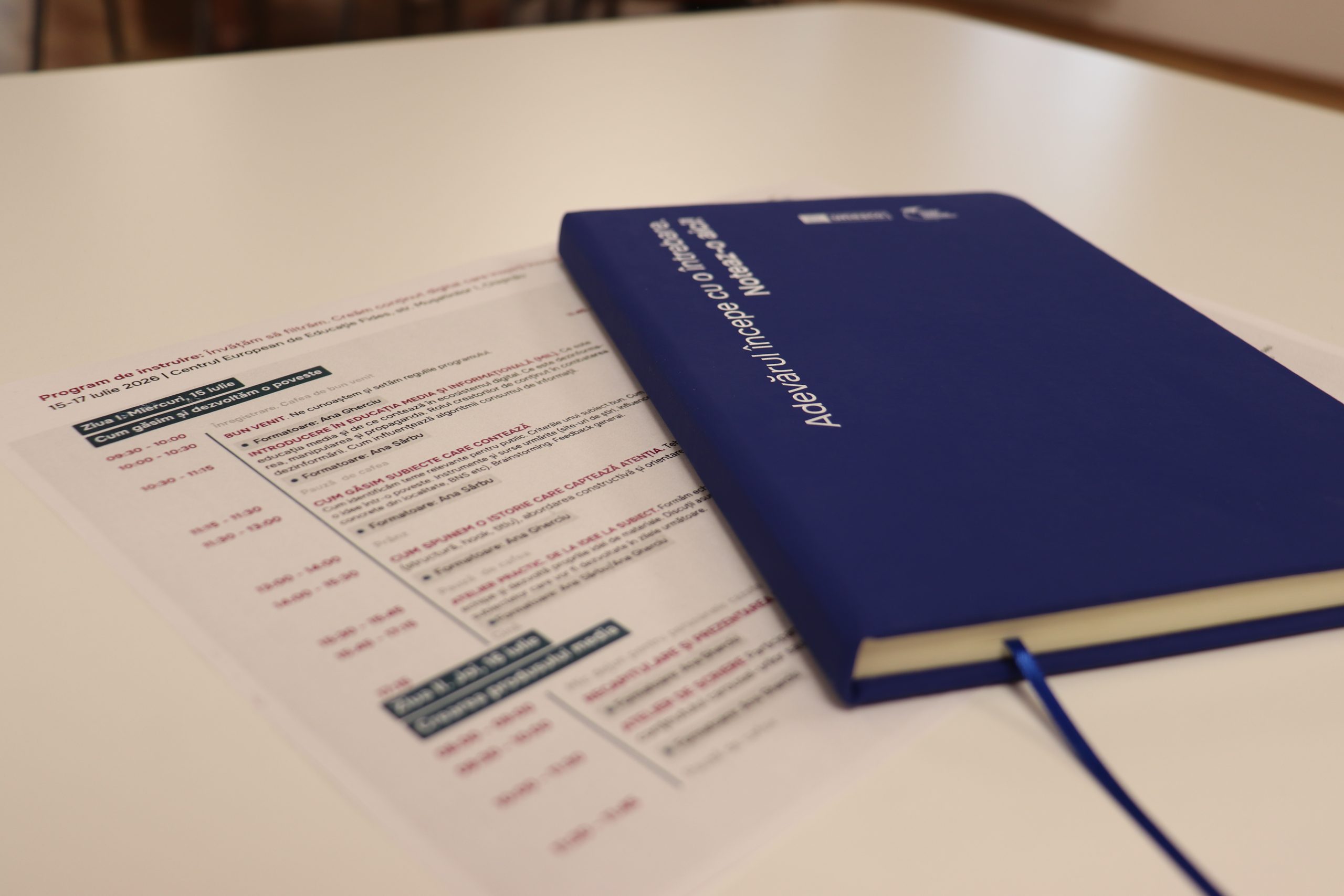
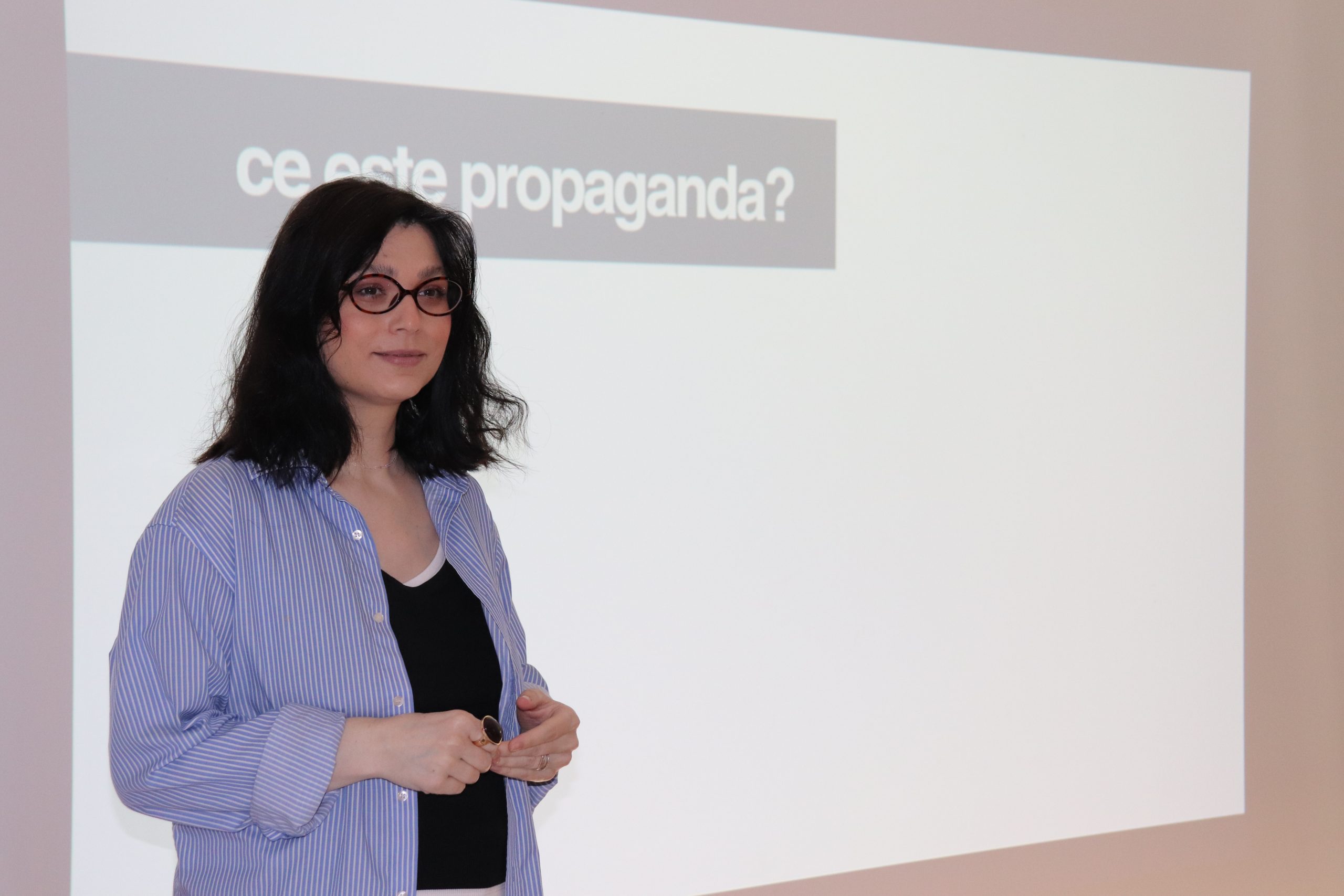
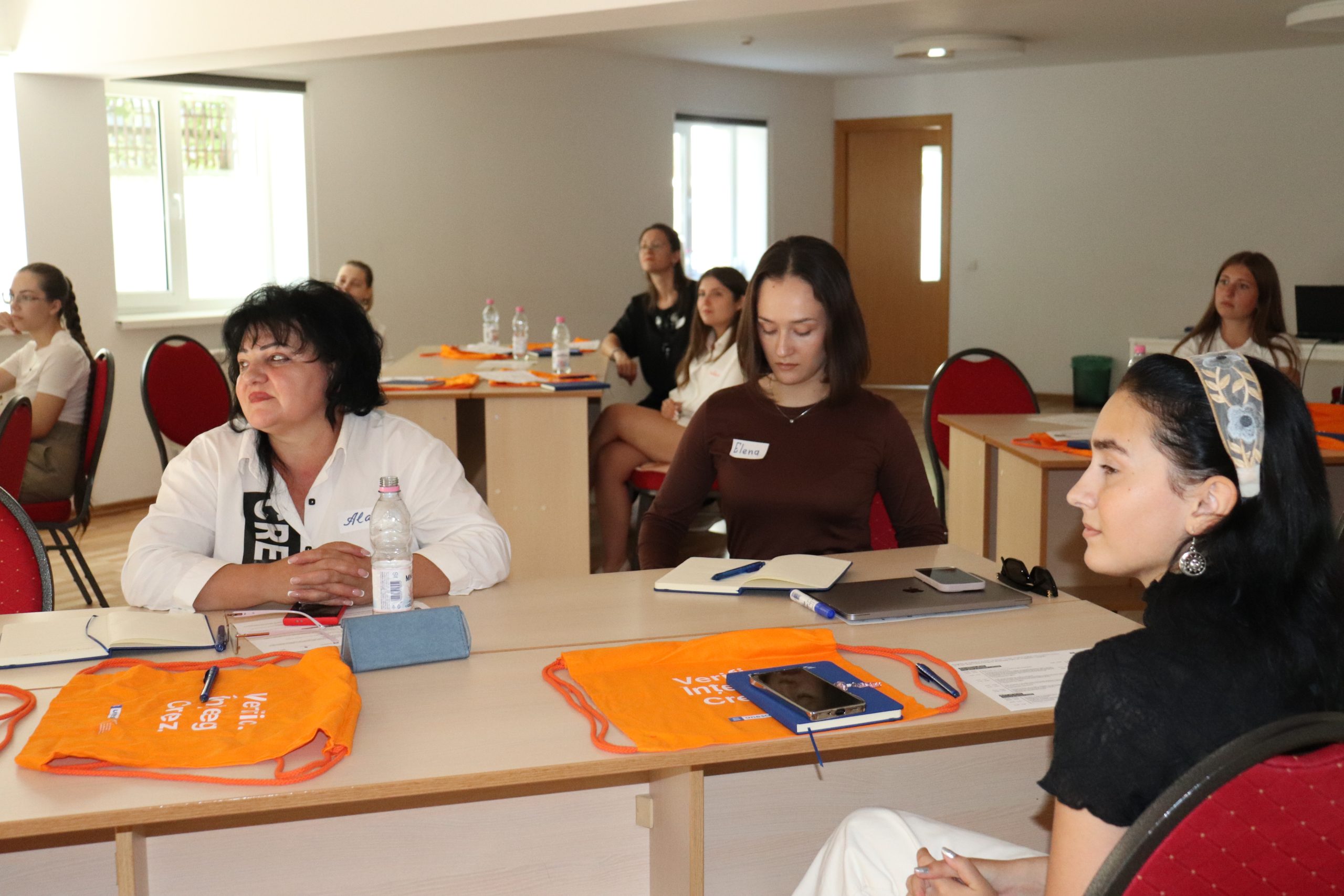
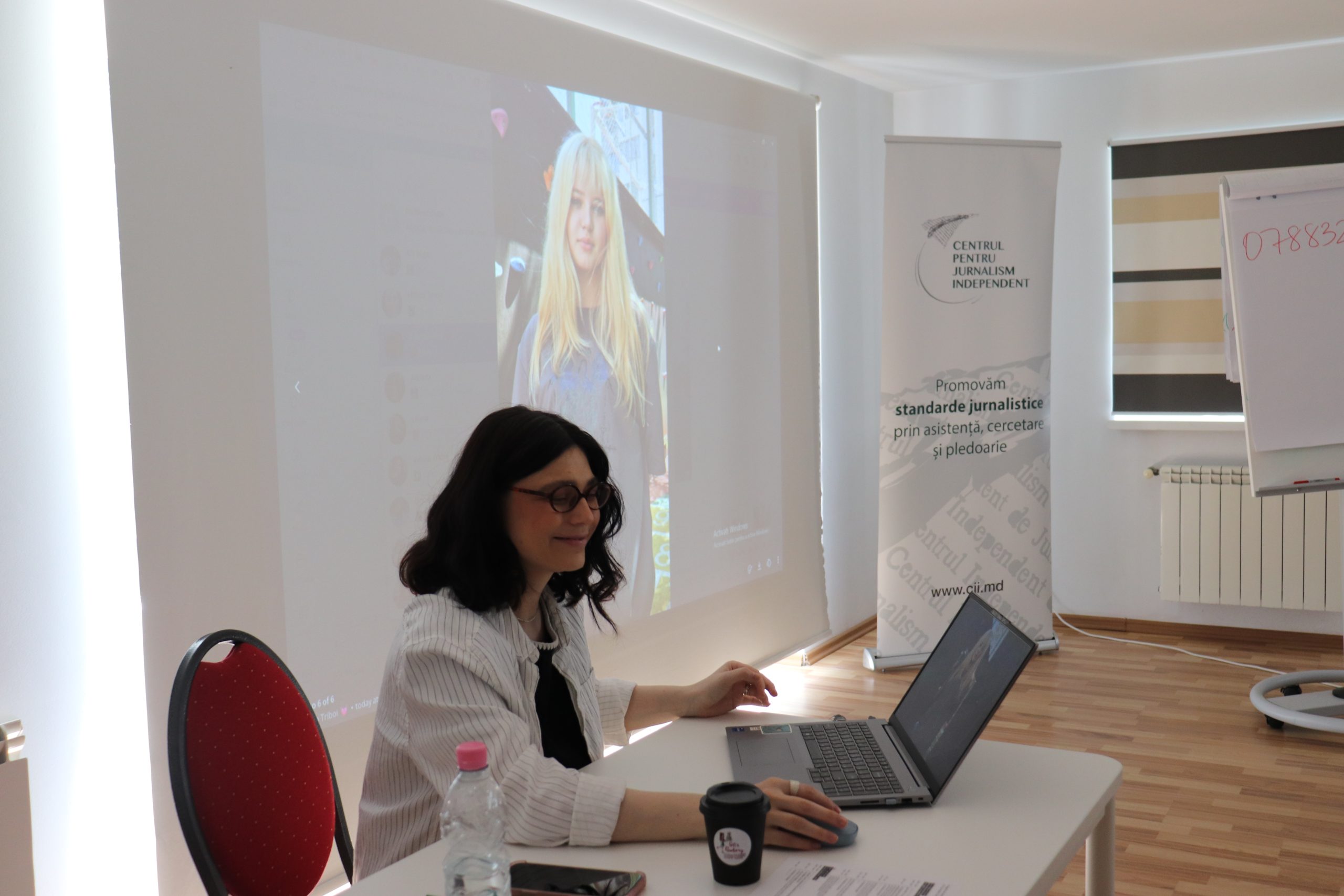
The program combined theoretical sessions with practical exercises, giving participants the opportunity to put their newly developed skills and acquired knowledge into practice. Using real-life examples, they explored how a journalistic topic can be transformed into an engaging and easy-to-understand product for online audiences. They worked on creating short videos, infographics, informational carousels, and other visual formats tailored to digital platforms. They learned how to choose the right camera angles and create images and graphics using various online platforms. They also focused on sound quality and learned how to structure a message that captures the audience’s interest from the first seconds.
In addition, the participants analyzed and tested storytelling techniques specific to social media, learning to transform information into authentic, interesting, and engaging stories for their audience.
At the end of the training, the participants outlined ideas for the content they will produce in the coming months. For the most part, the selected topics reflect current challenges in the information landscape and the concerns of the online audience. These include digital violence, disinformation, the informational vulnerabilities of older adults, personal data protection, manipulation on social media, online scams, the influence of artificial intelligence on how digital content is created and distributed, the relationship between artificial intelligence and Generation Alpha, the impact of comments on the perception of information, how young people become targets of disinformation campaigns, as well as the use of feminist discourse to manipulate and misinform.


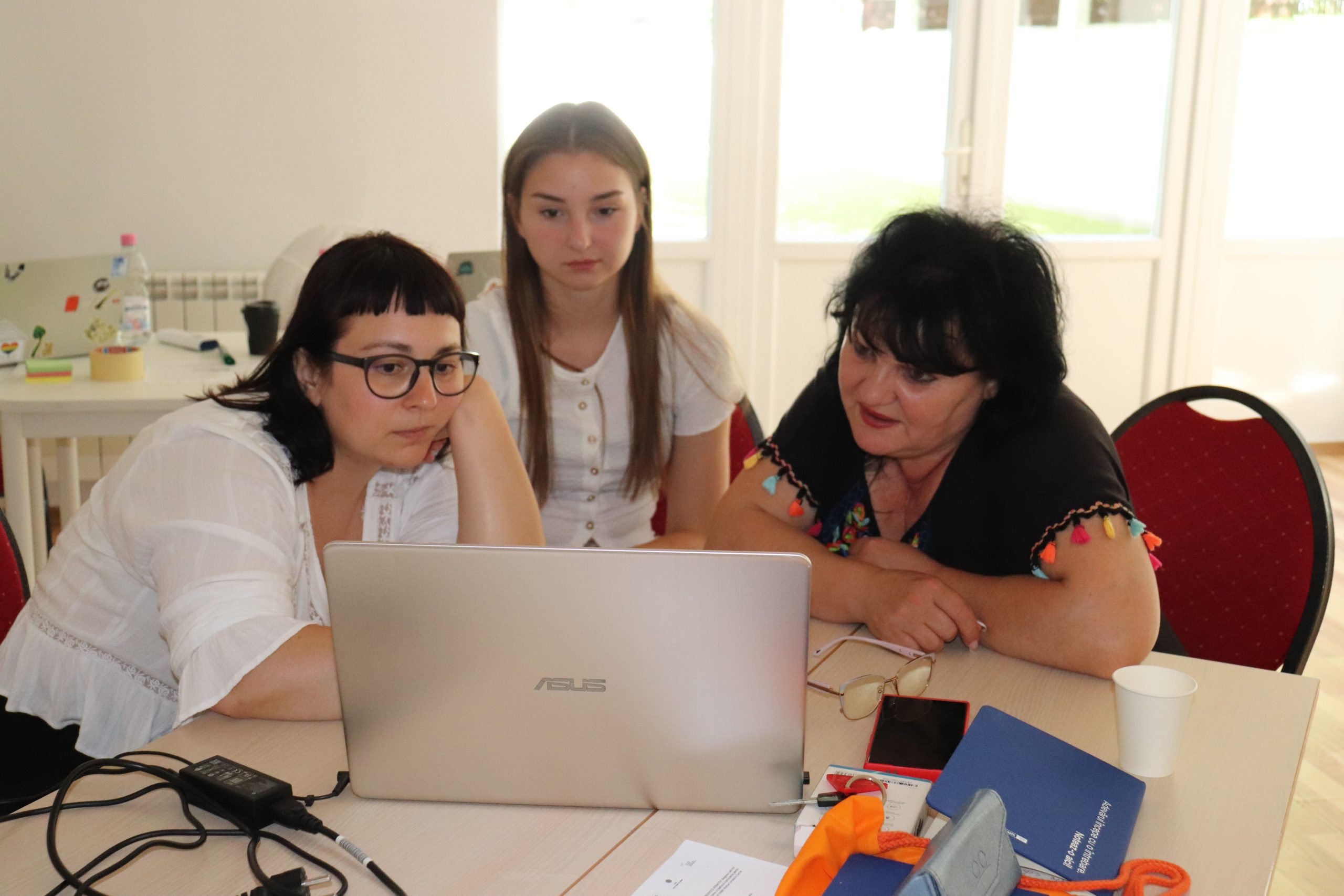
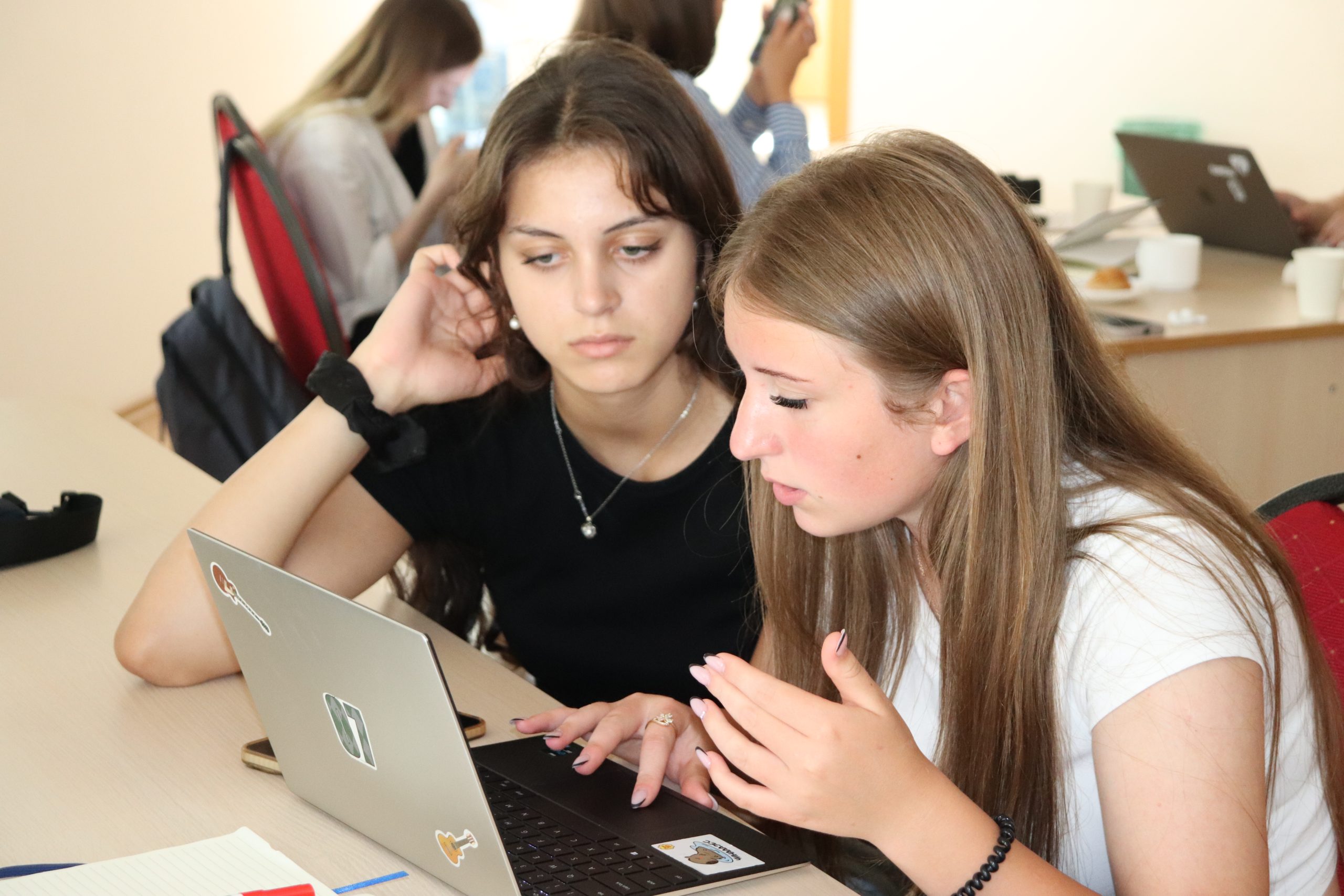
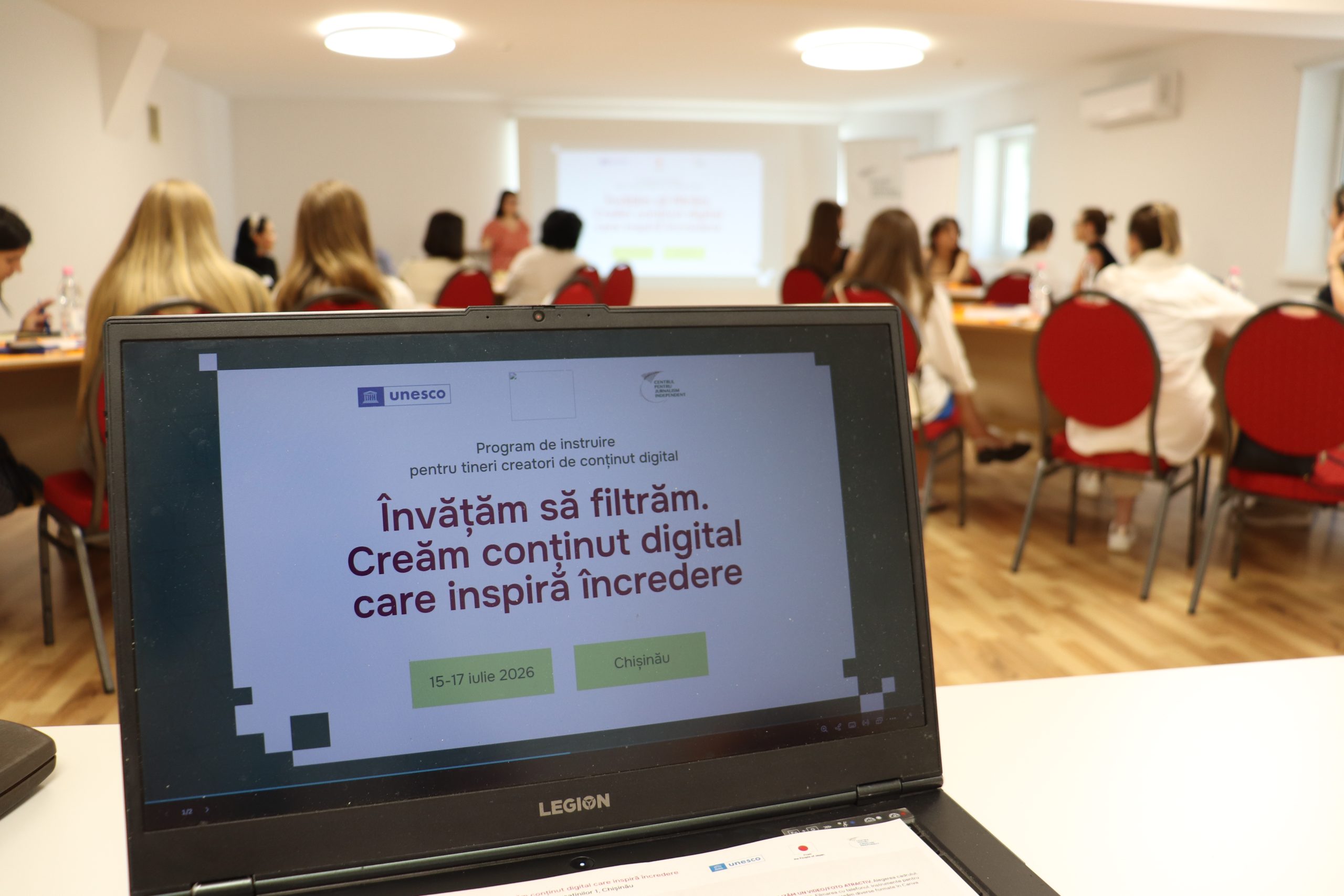
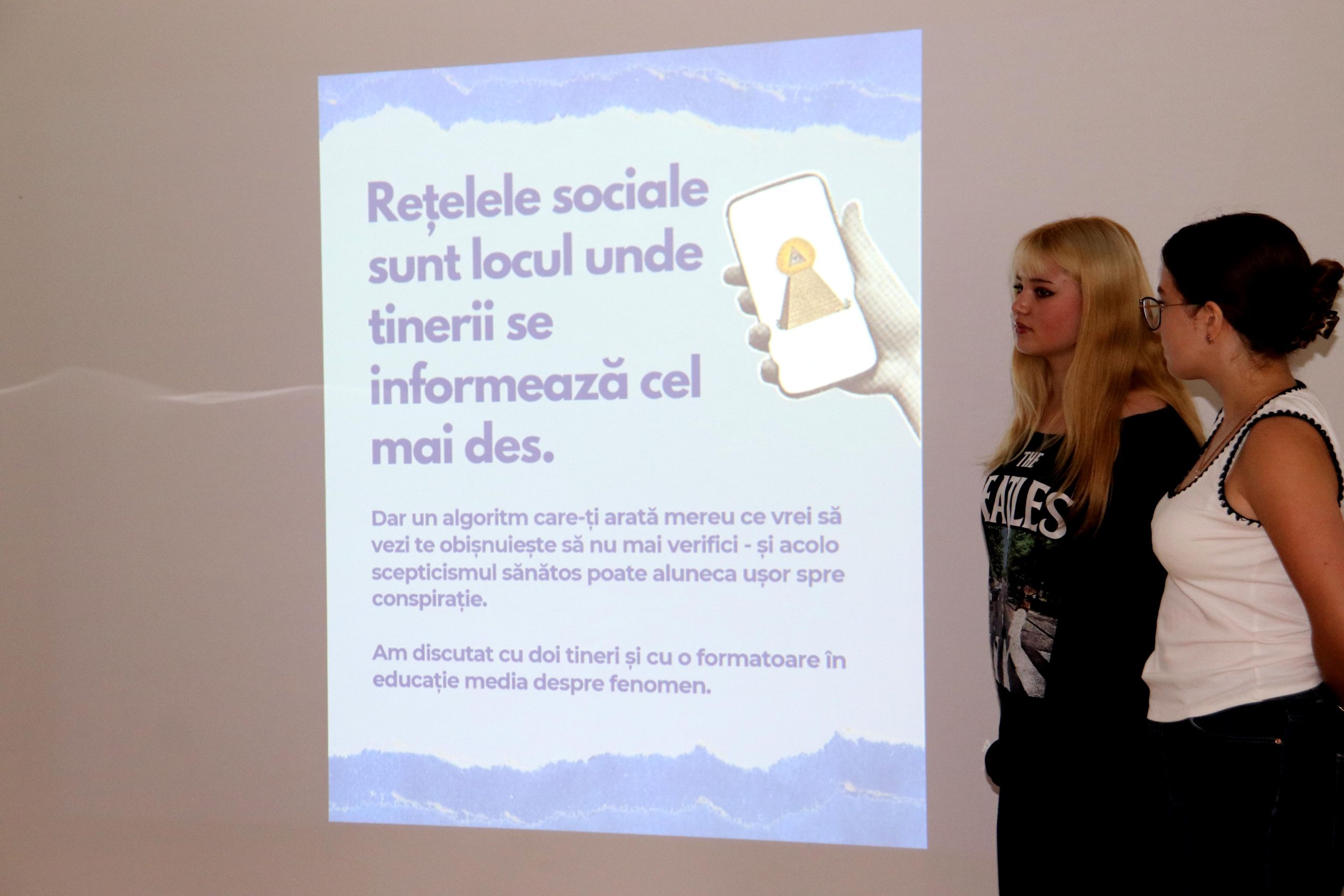
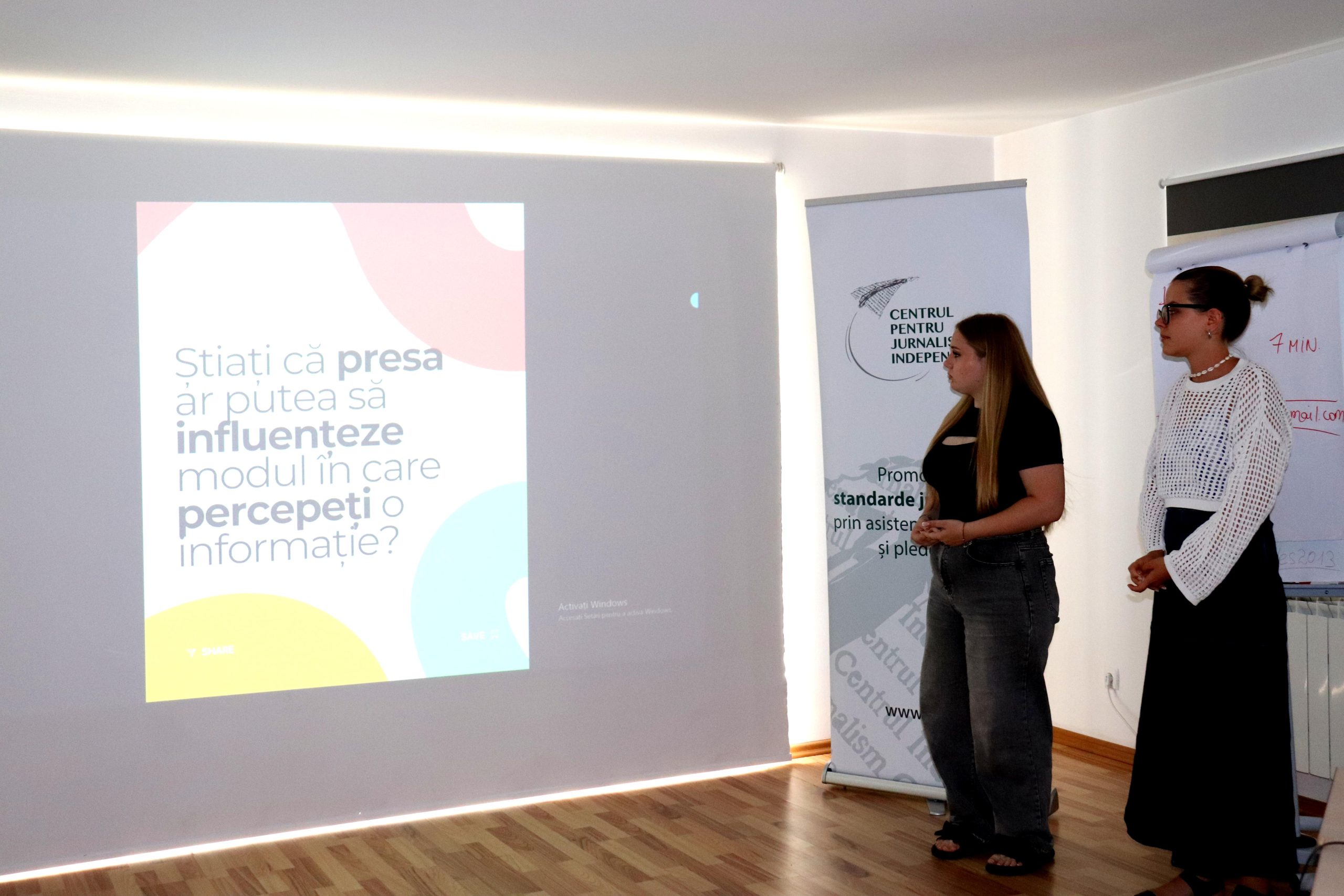
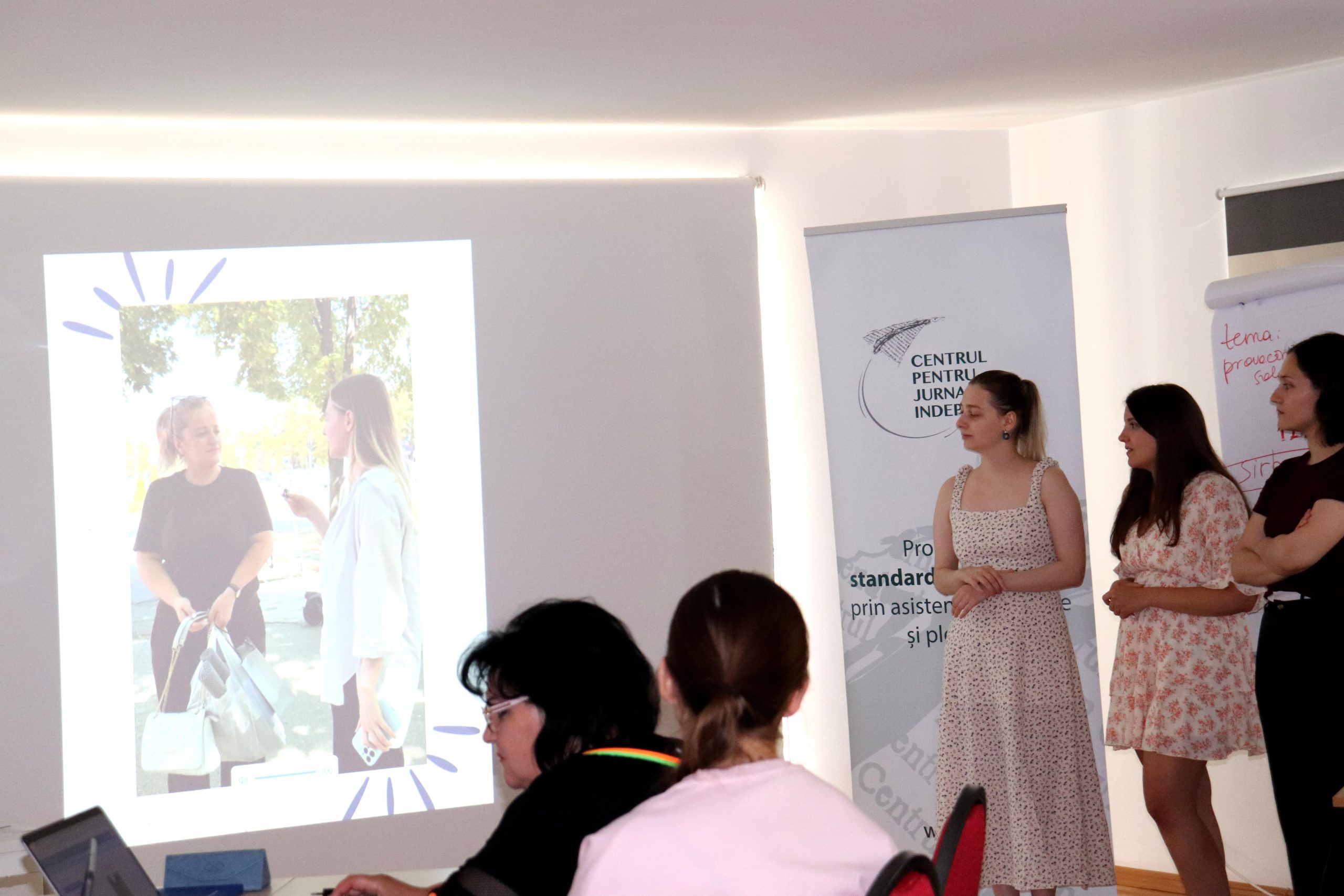
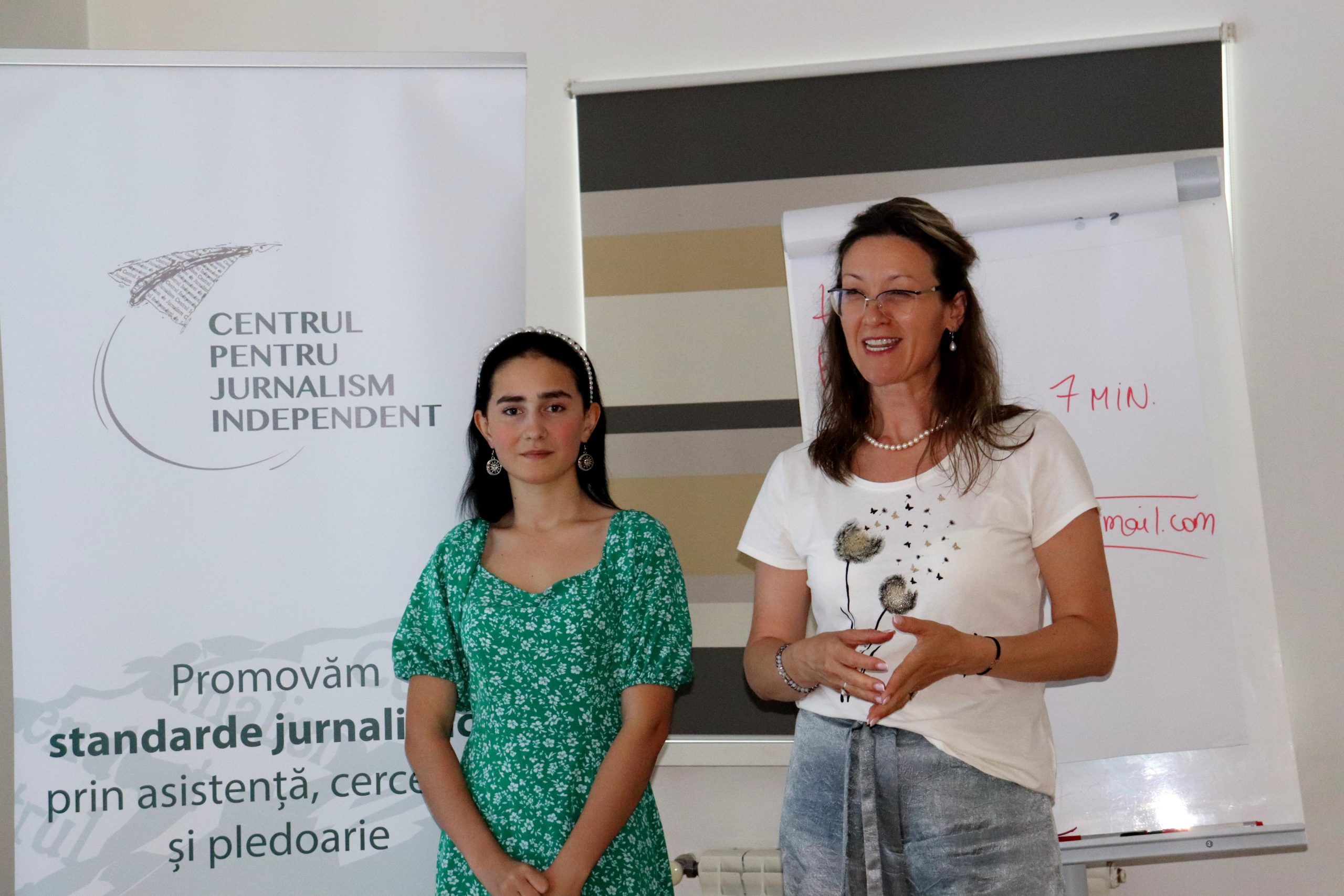
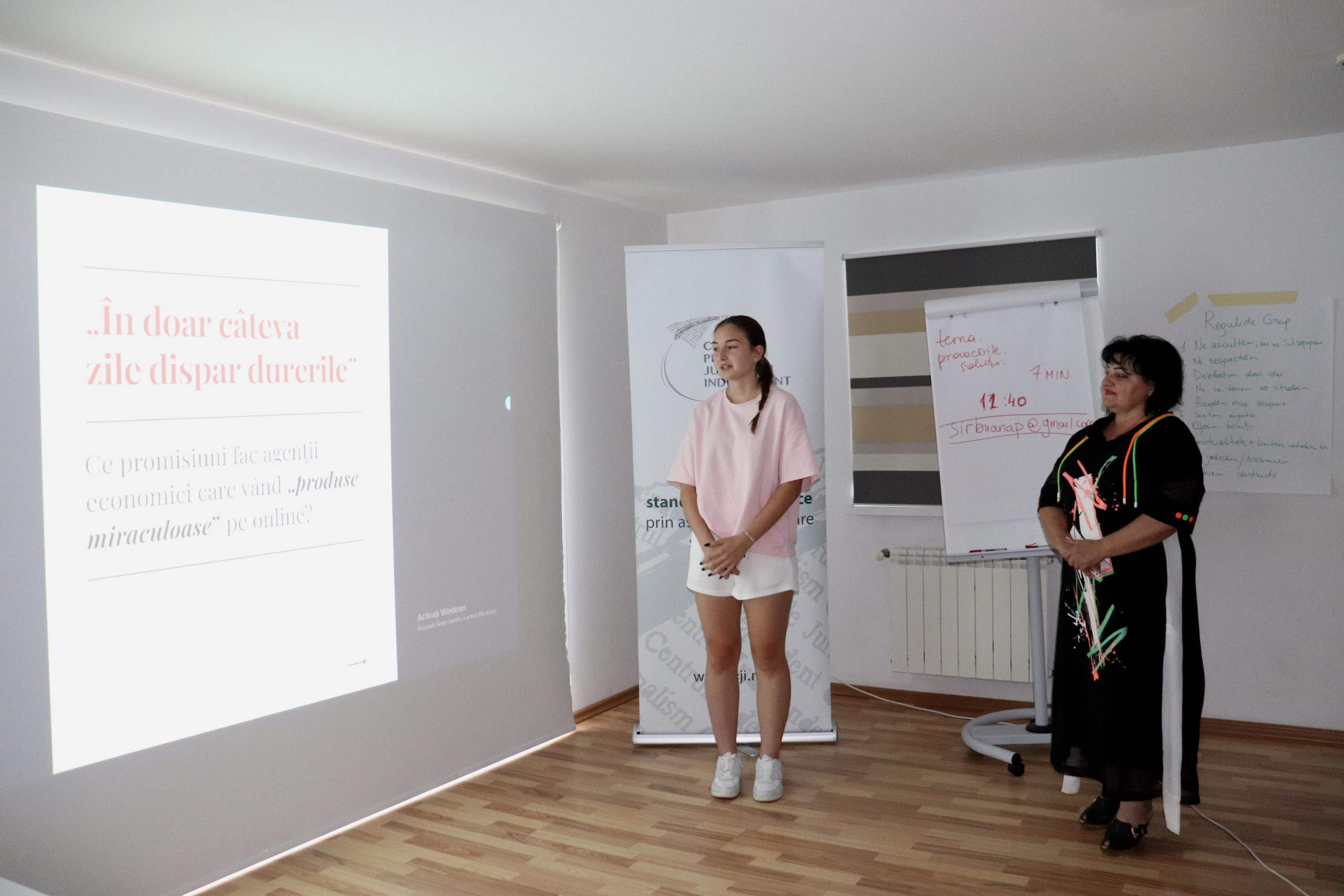
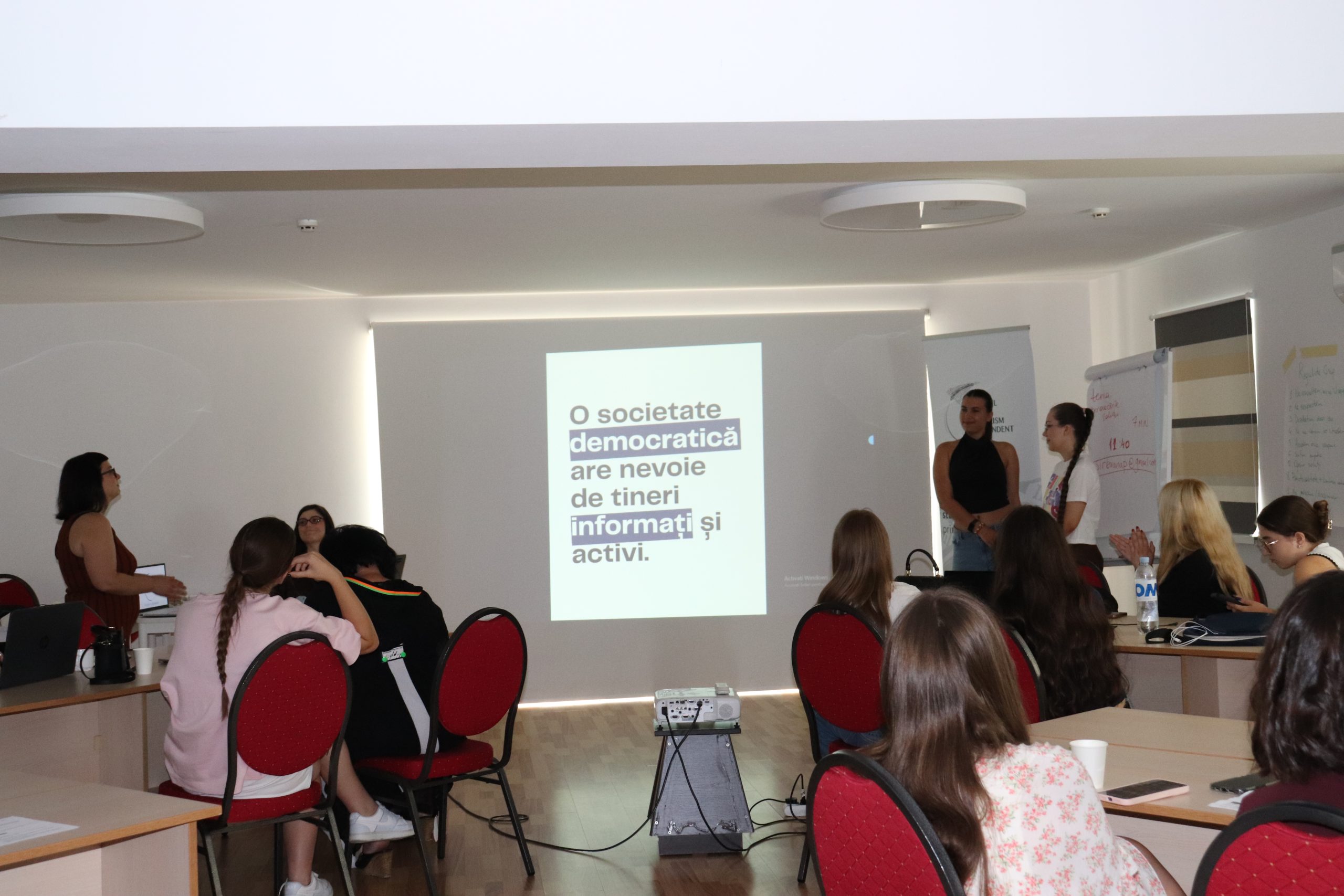
The participants noted that the training helped them better understand how they can transform verified information into engaging digital products that accurately inform and contribute to the development of critical thinking.
Valeria Vrabie, content creator
I enjoyed this training because the topics covered are current and important for my development as a journalist and content creator. I did hands-on exercises and worked in a team. The information and topics covered were well-structured and easy to apply.
Alexandra Bodiu, content creator
I appreciated that the information was presented in an interactive way, with concrete examples and practical applications. I came away with a lot of new knowledge about media literacy, storytelling, current trends in social media post design, and critical thinking in analyzing information. It was a very interesting and useful experience!
Anastasia Suslov, Communications Specialist
The topics were interesting and varied in format (text, video, and design). I liked that important journalistic principles, such as ethics, source verification, and objectivity, were also covered. I appreciate that the training was interactive and that we were actively engaged, as well as receiving real-time feedback from the trainers.
Patricia Furtună, volunteer
The training was interesting and useful; I learned how to filter information and create digital content more responsibly. I enjoyed the practical examples and discussions. I would suggest including more exercises in the future on identifying fake news and manipulation online.
The trainers appreciated that the participants stood out for their engagement, openness, and willingness to learn.
Ana Sârbu, trainer:
They actively contributed to the discussions and shared experiences from their own work. Throughout the training, they strengthened their media literacy skills, learning how to identify and verify information, as well as how to create relevant and credible content for social media platforms. New trends in digital communication sparked particular interest, including the creation of Reels and carousel posts, tailoring messages to platform algorithms, and using modern storytelling techniques to increase impact and engagement with the audience. The open atmosphere and constant exchange of ideas transformed the training into an active learning environment.
Ana Gherciu, trainer:
I enjoyed working with diverse groups – high school students, college students, journalists, content creators -, who had varying levels of familiarity with both media literacy and storytelling tools. The workshops concluded with hands-on exercises and tangible results – carousels and Reels – that will serve as a starting point for them in the coming months as they continue to work independently. I would like to see more content produced – articles written by participants who work in newsrooms or have the opportunity to publish on media platforms. That way, their work could reach larger audiences and have a stronger impact.
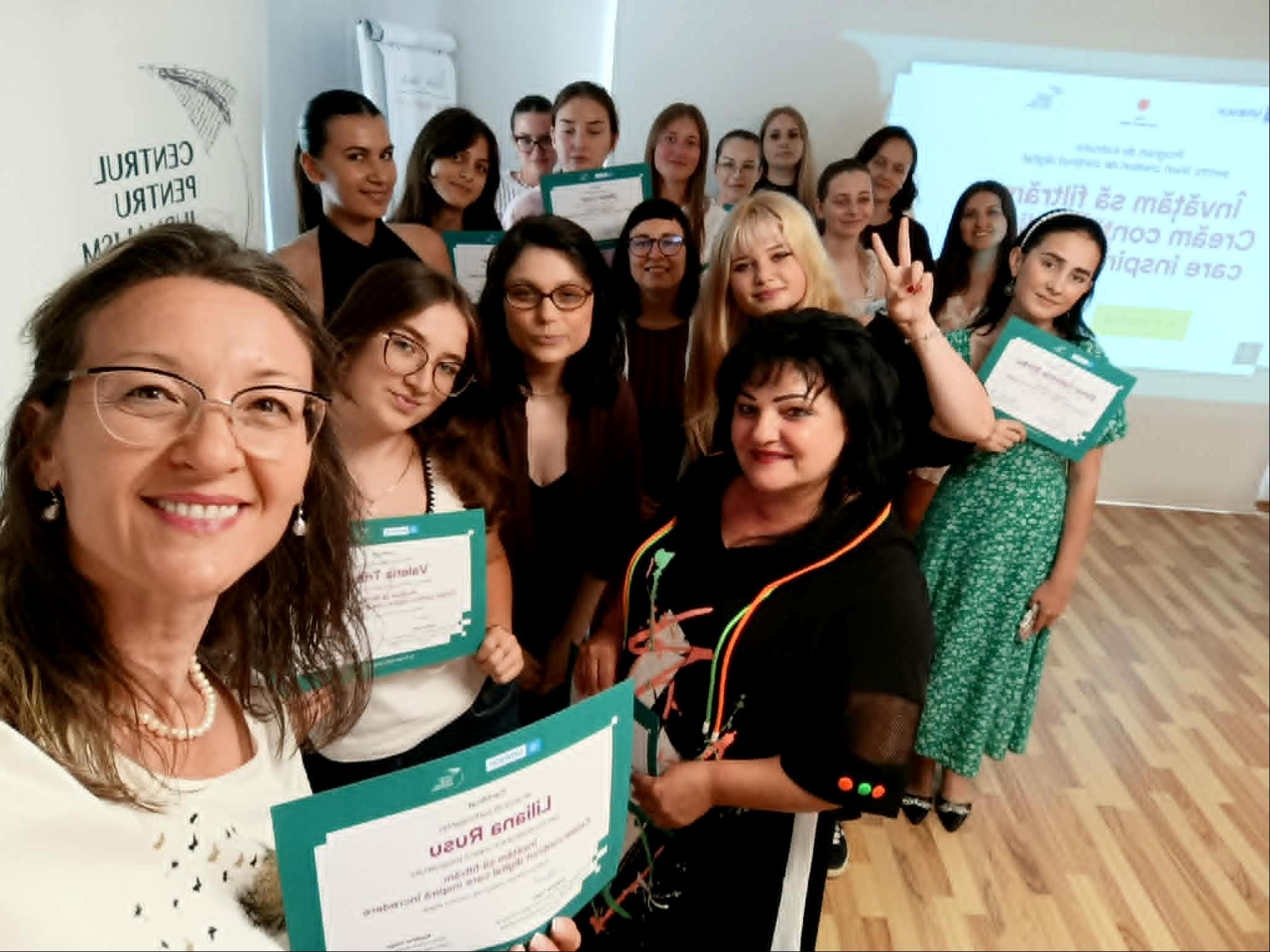
After the training sessions, participants will have approximately two months to produce and publish at least one piece of content addressing topics related to critical thinking and responsible information consumption, challenges regarding access to information, media literacy, critical thinking, fact-checking, combating disinformation, and critical consumption of information in the digital space.
As a result, the six best media pieces will each be awarded $300 during Media Education Week, organized by the IJC in October 2026.
The IJC organized the training within ”Building Information Integrity in Moldova: Youth Media and Information Literacy (MIL), Sector Mapping, and Stakeholder Dialogue” project, implemented with the support of with UNESCO and government of Japan.
