


Media education workshop at UPS “Ion Creangă”: Future teachers trained to critically analyse messages in order to identify misinformation and manipulation through the media

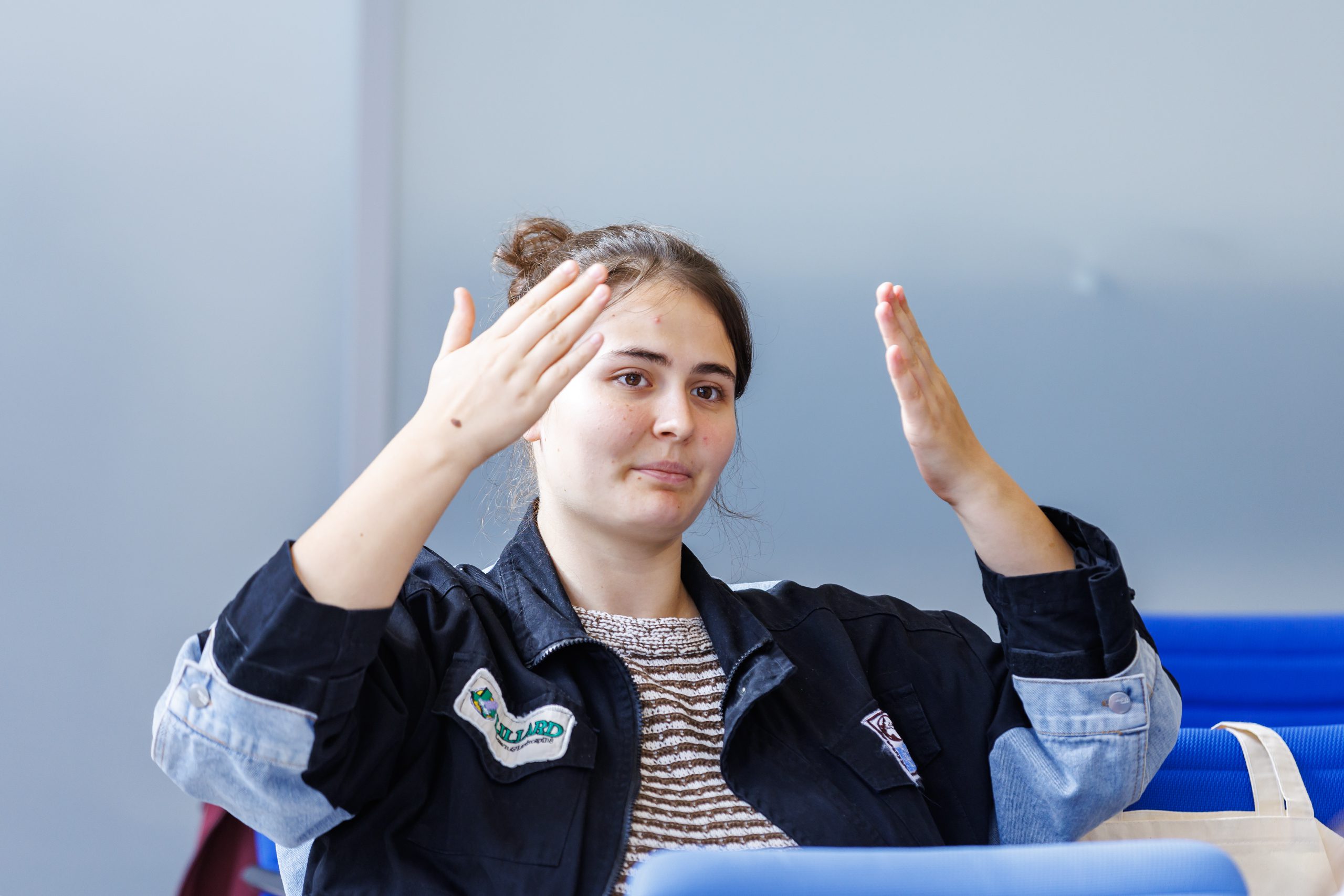
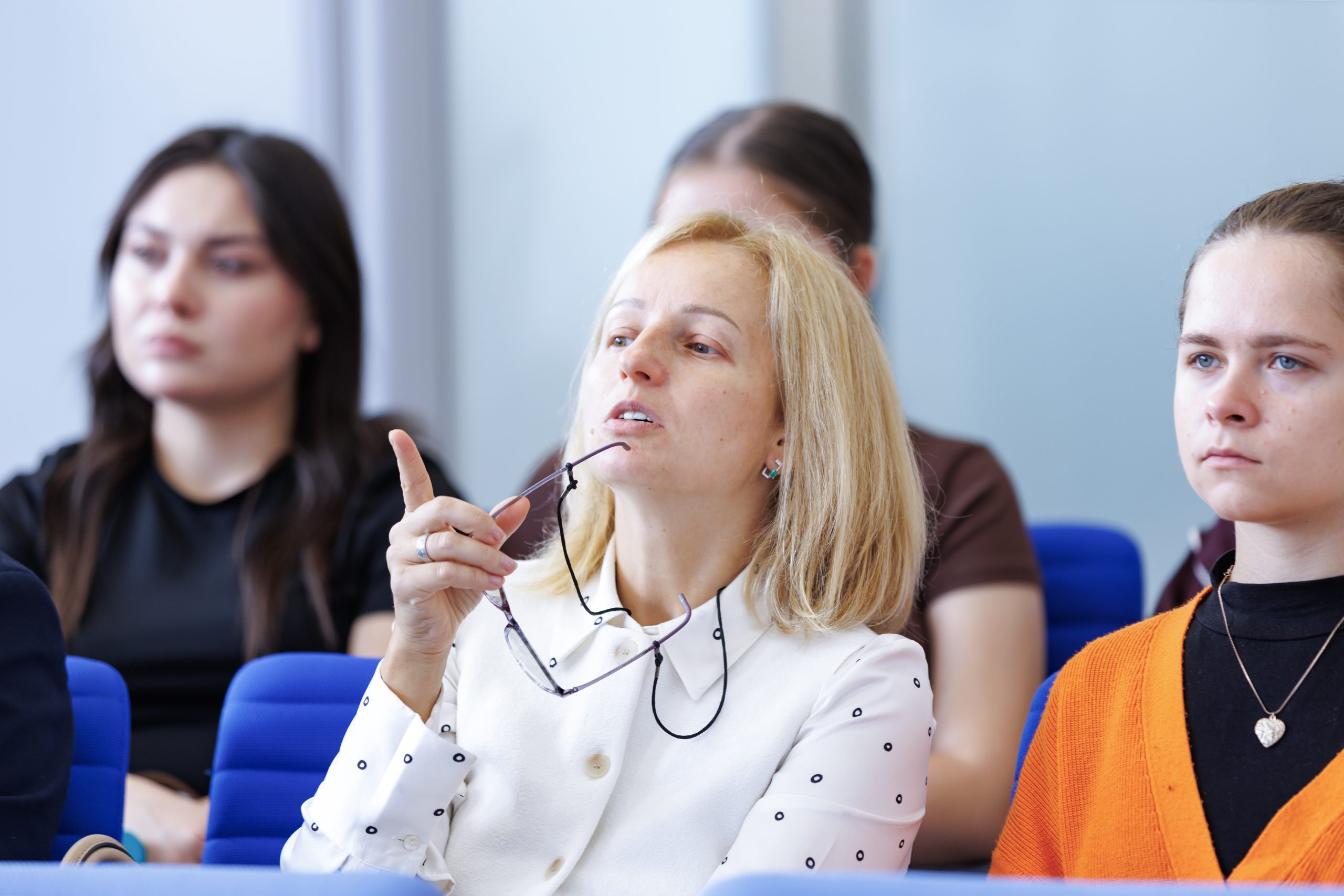
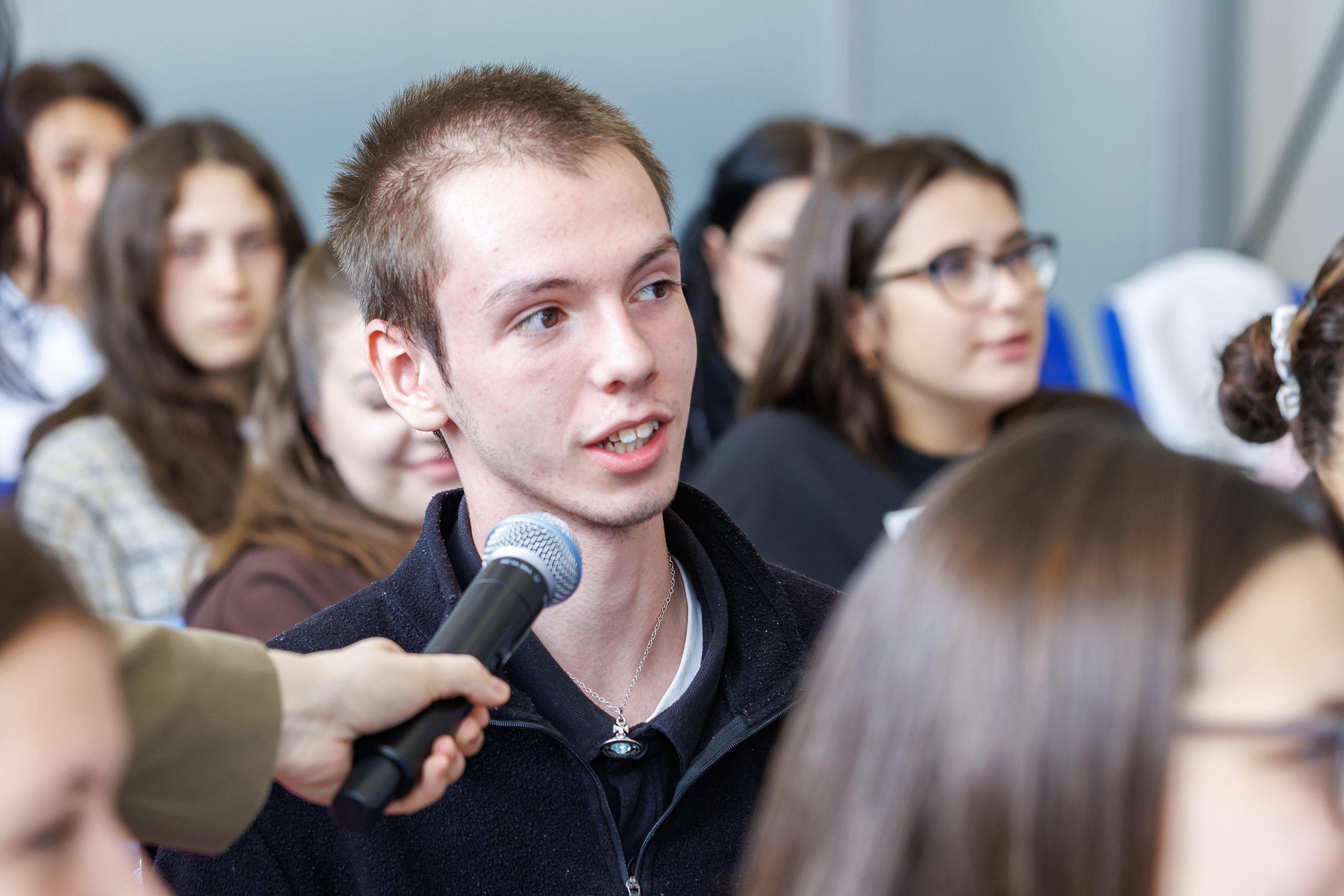
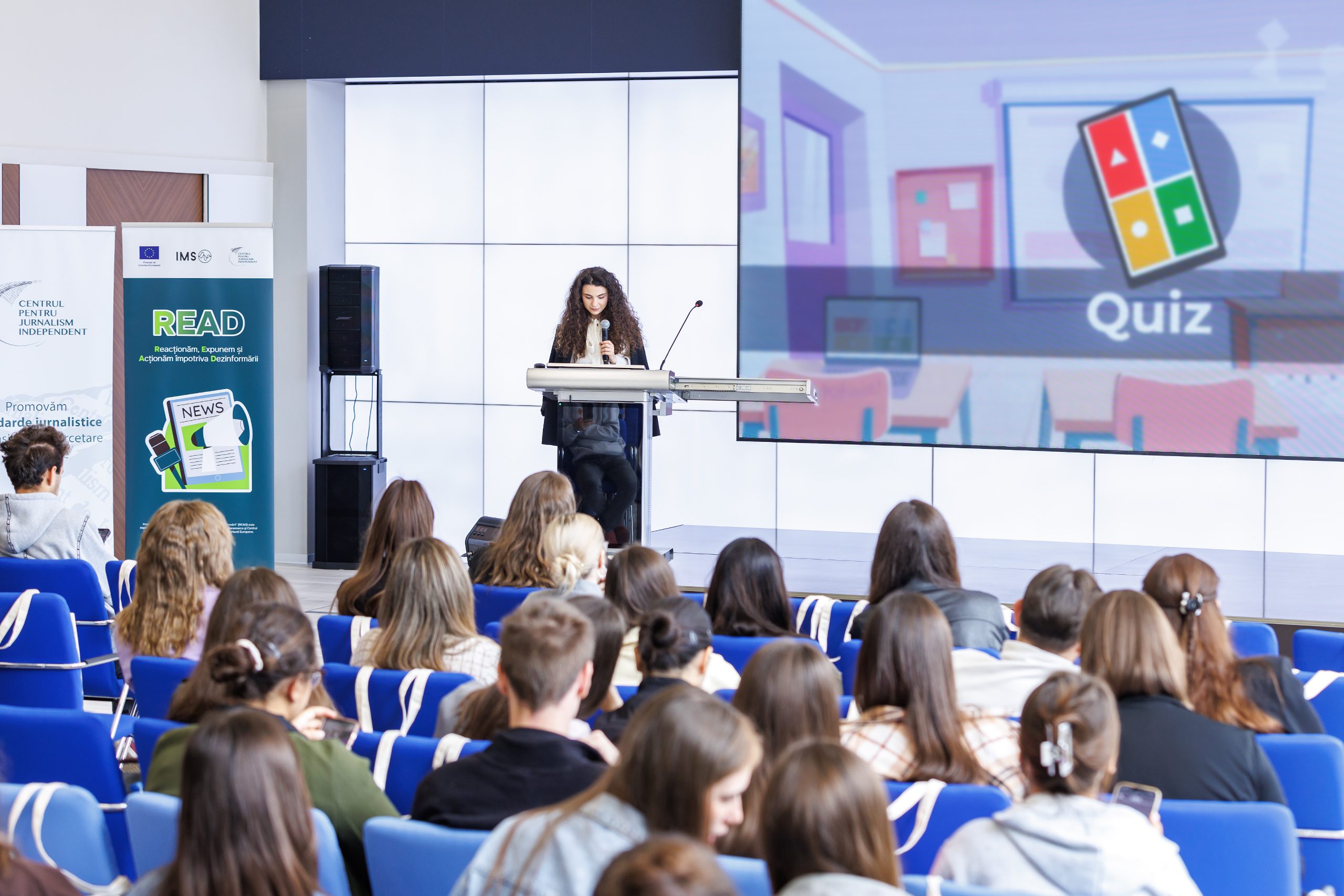
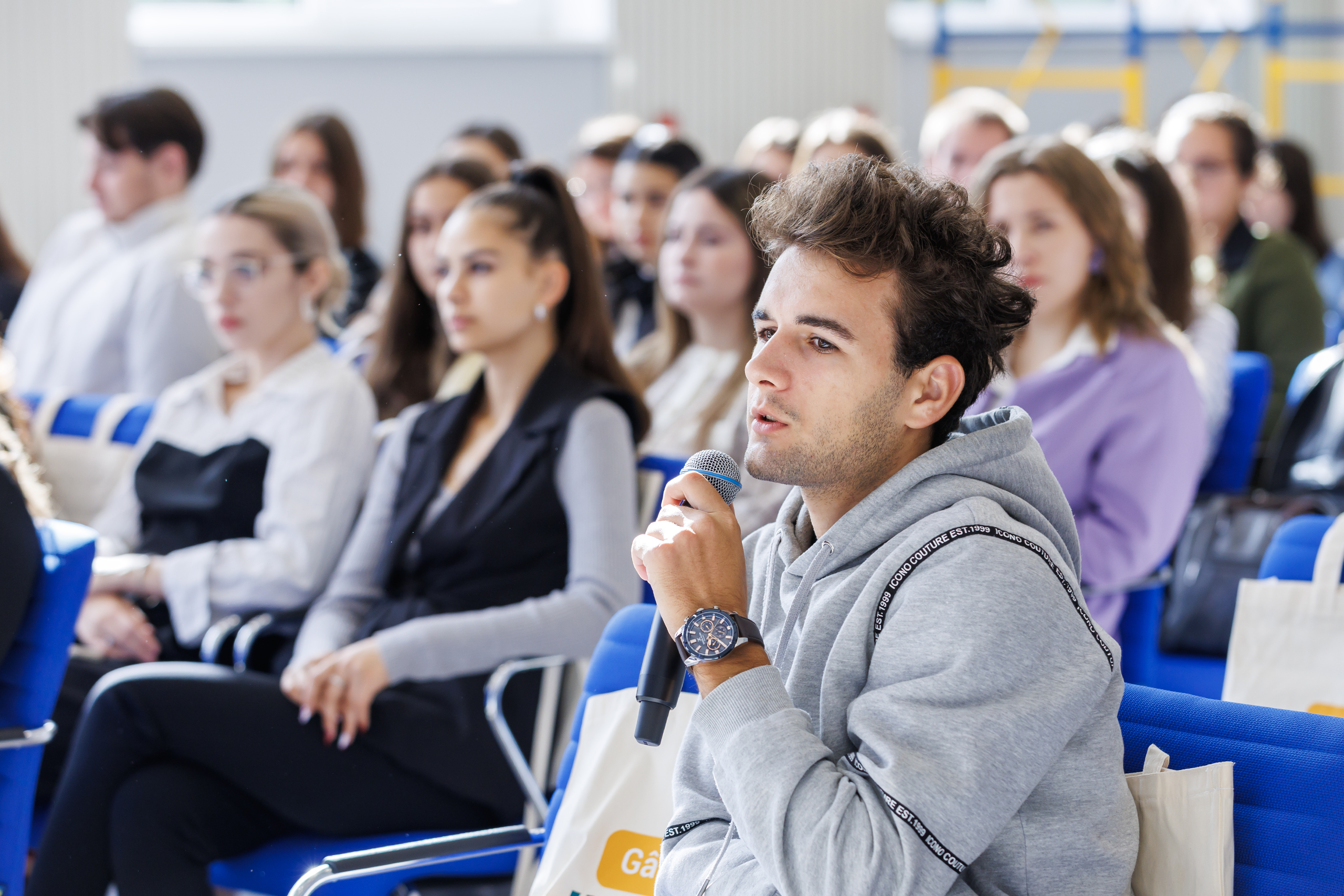
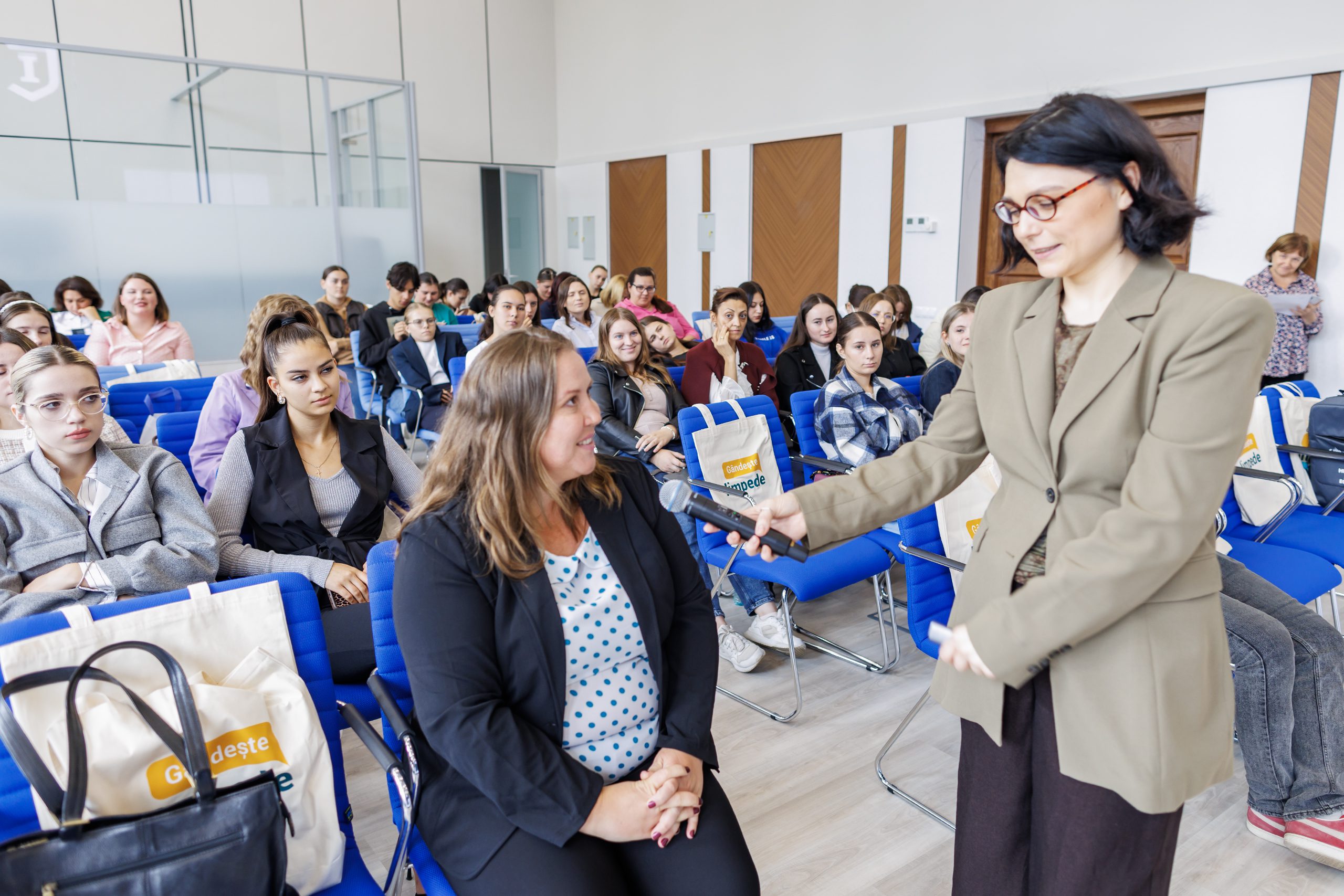
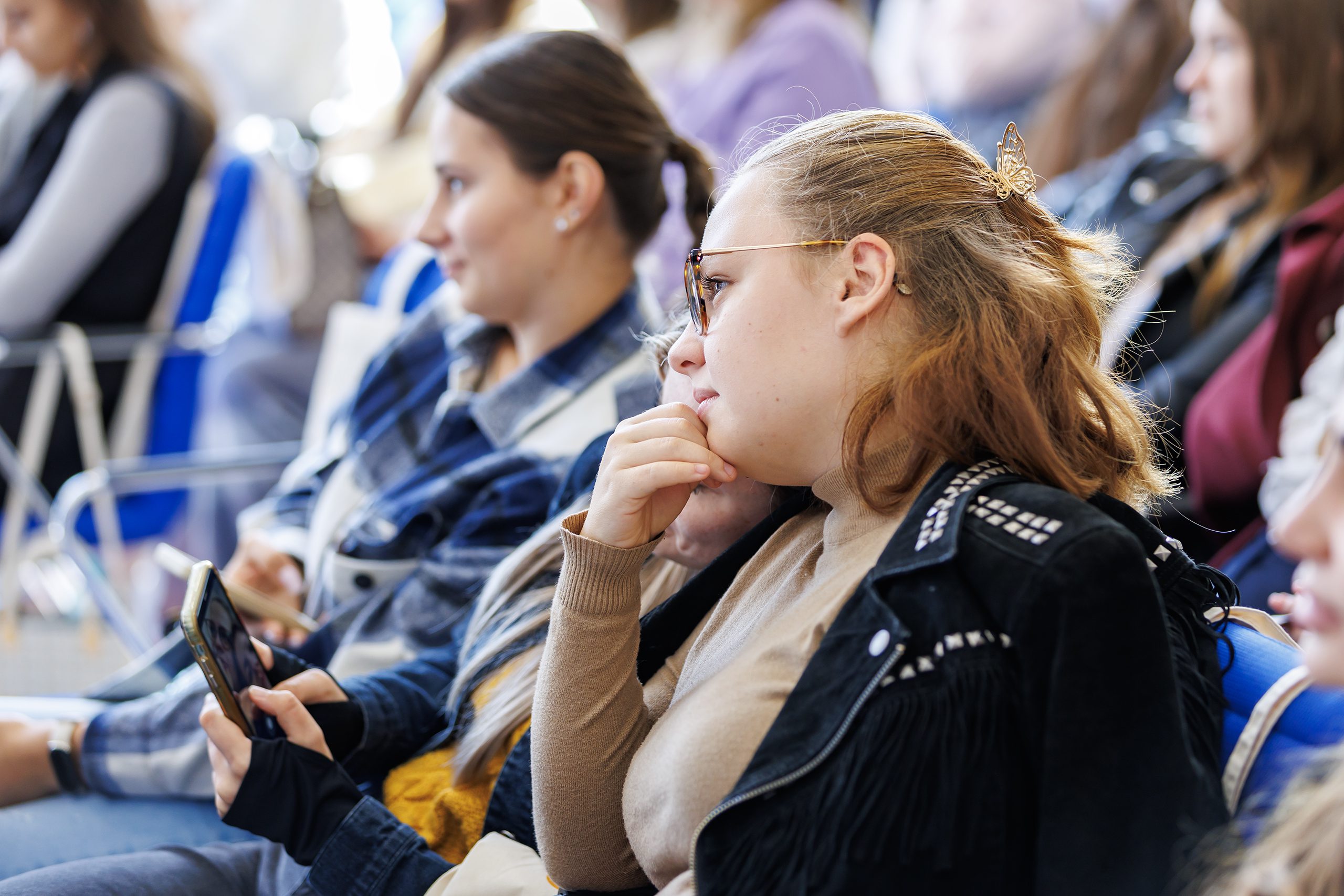
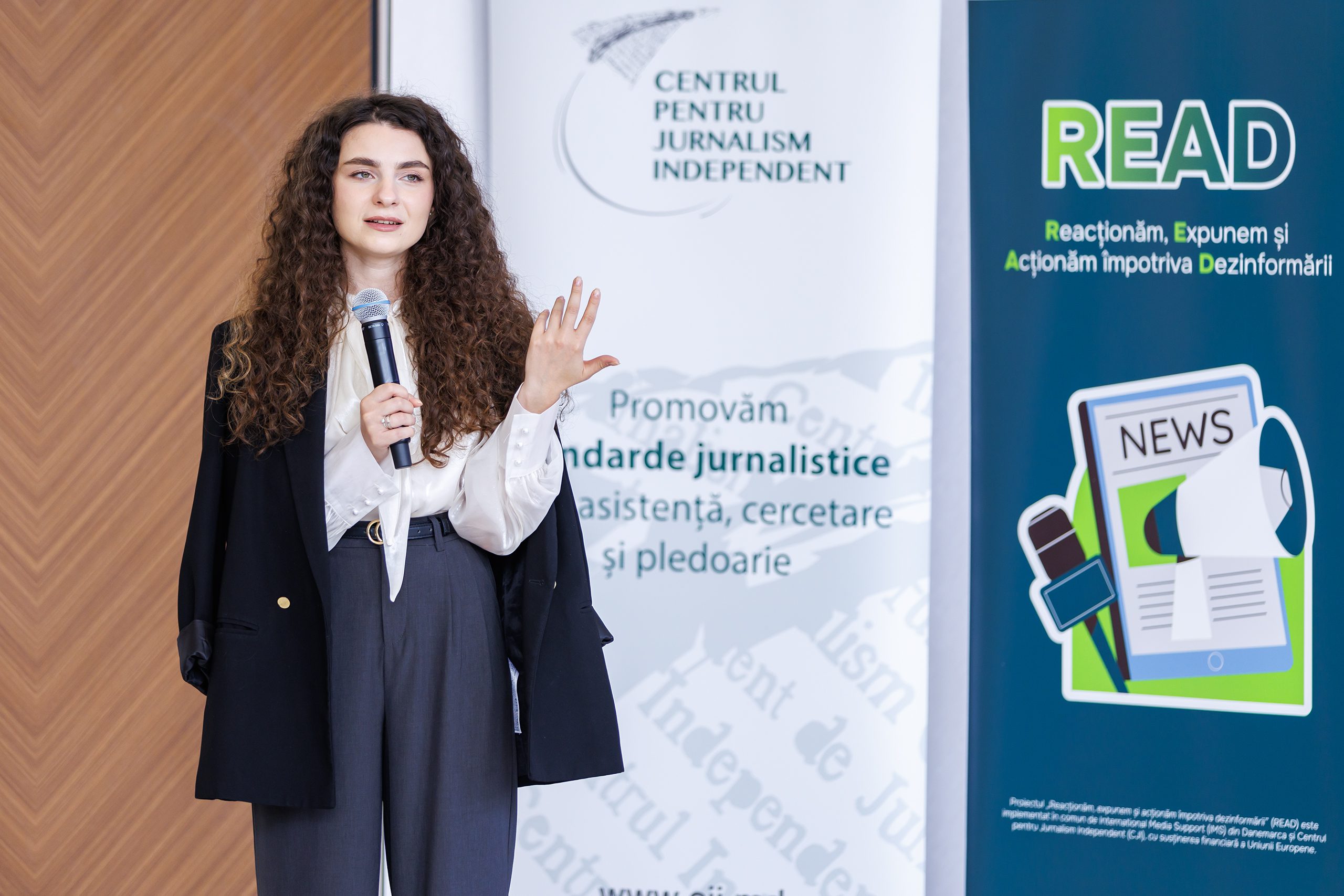
What is media literacy and why is it important to think critically in a society where the flood of information is enormous? Over 80 students from the Faculty of Philology and History and the Faculty of Pedagogy and Special Psychopedagogy at the “Ion Creangă” State Pedagogical University in Chișinău found answers to these and other questions. They participated in a workshop on media literacy and education, organised on 19 September 2025 by the Independent Journalism Center (IJC) in collaboration with UPS “Ion Creangă”.
Mentored by journalists and experts Ana Sîrbu and Valeria Batereanu, first-year students from the two faculties discussed several current topics, learning how to distinguish real news from fake news created with the help of artificial intelligence (AI), and how to identify misinformation and manipulation in the media and social networks.
The workshop was part of the study programme, given that first-year students benefit from a course dedicated to communication culture and media education.
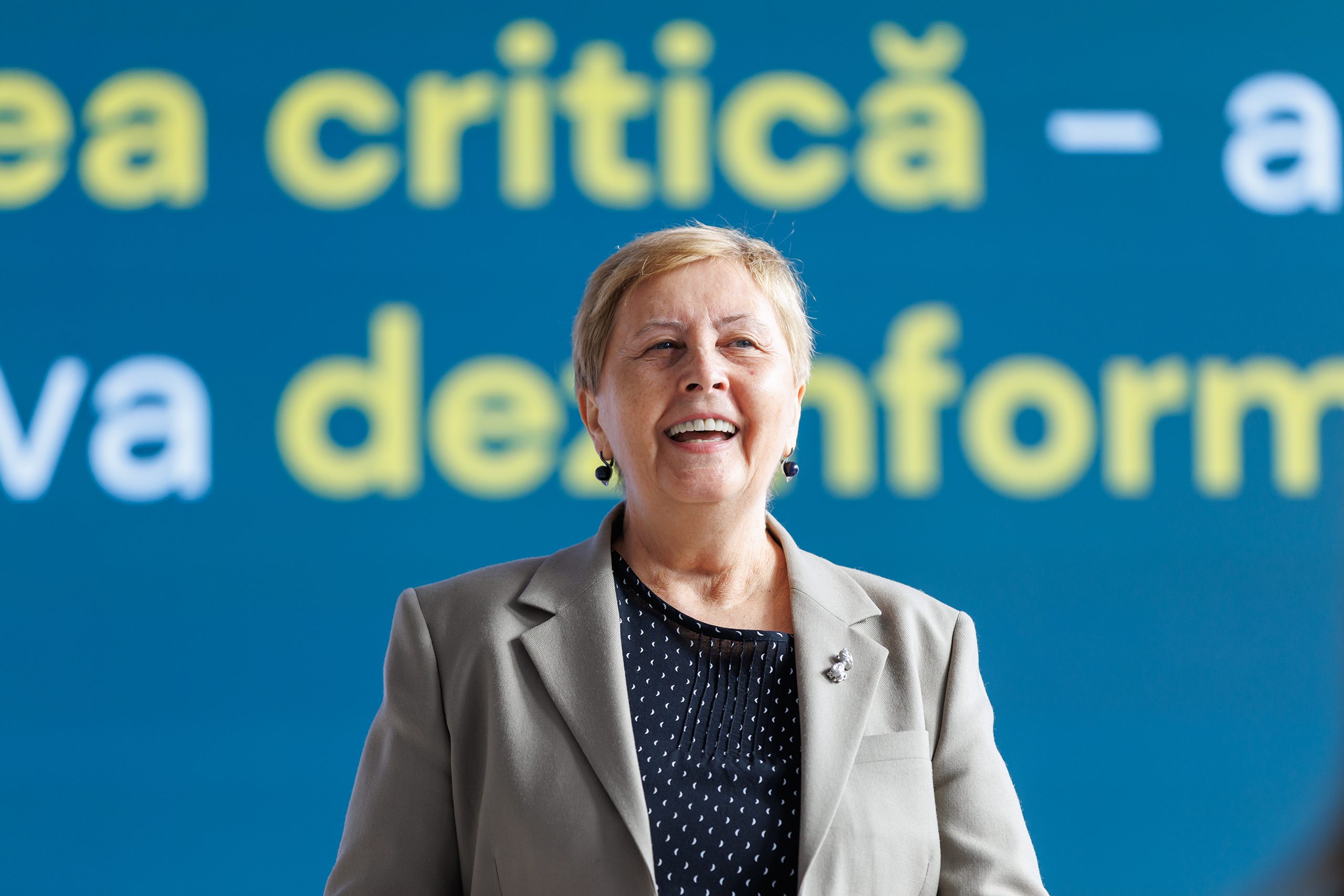
“Our university is the only higher education institution in the country that has included a media education course for the second consecutive year. We live in the times when not only quality studies matter, but also the quality of being a well-informed citizen, with critical and independent thinking, with the ability to discern good from bad and to synthesise and analyse the materials that circulate intensively in the information space,” said at the opening of the event, Ludmila Armașu-Canțîr, PhD, associate professor, vice-rector for international relations and cooperation at UPS “Ion Creangă”.
Victoria Tataru, programme coordinator at IJC, pointed out that media education is a very important area of activity for the IJC team. “The digital era offers us enormous opportunities, but also multiple challenges. It is up to us whether or not we can make the difference between reality and fake news, as the demarcation lines are becoming increasingly difficult to observe. What can we do? One of the answers is: think critically,” said Victoria Tataru.


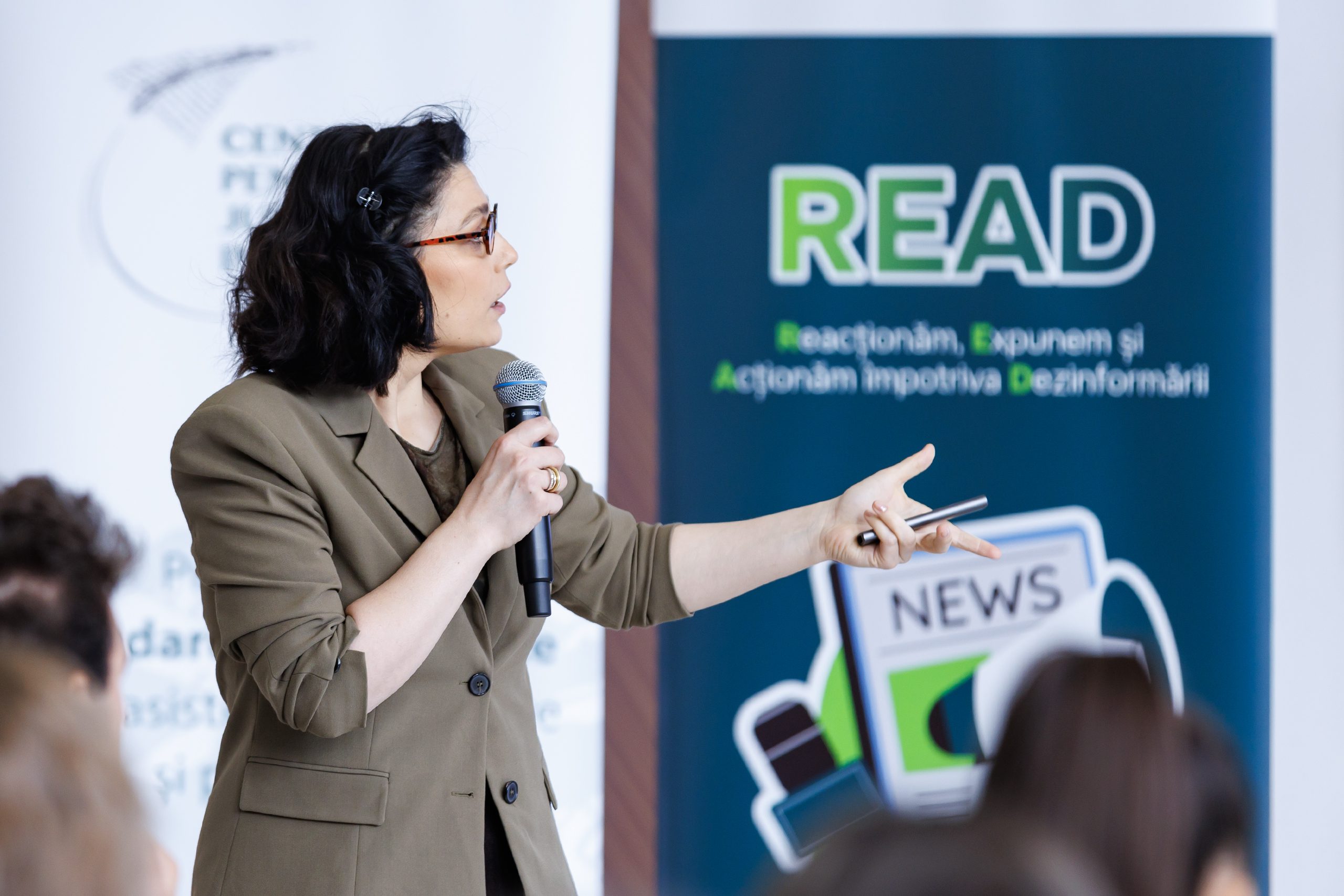
Ana Sîrbu and Valeria Batereanu, experienced journalists and university lecturers, captured the audience’s attention with topics that directly concern them.
“Nowadays, practically all of us have a Facebook or TikTok account where we can post. However, for the most part, the information circulating on social media is not news. These are opinions. When we are not interested in the news and do not follow media channels, we become much more susceptible and vulnerable to misinformation. Therefore, in order to protect ourselves against disinformation and manipulation, we need to check multiple sources, including official communication channels. It is also important to look for sources that we do not resonate with, but which could point us towards narratives that could affect our informational integrity,” explained Valeria Batereanu, editor-in-chief of the Diez portal.
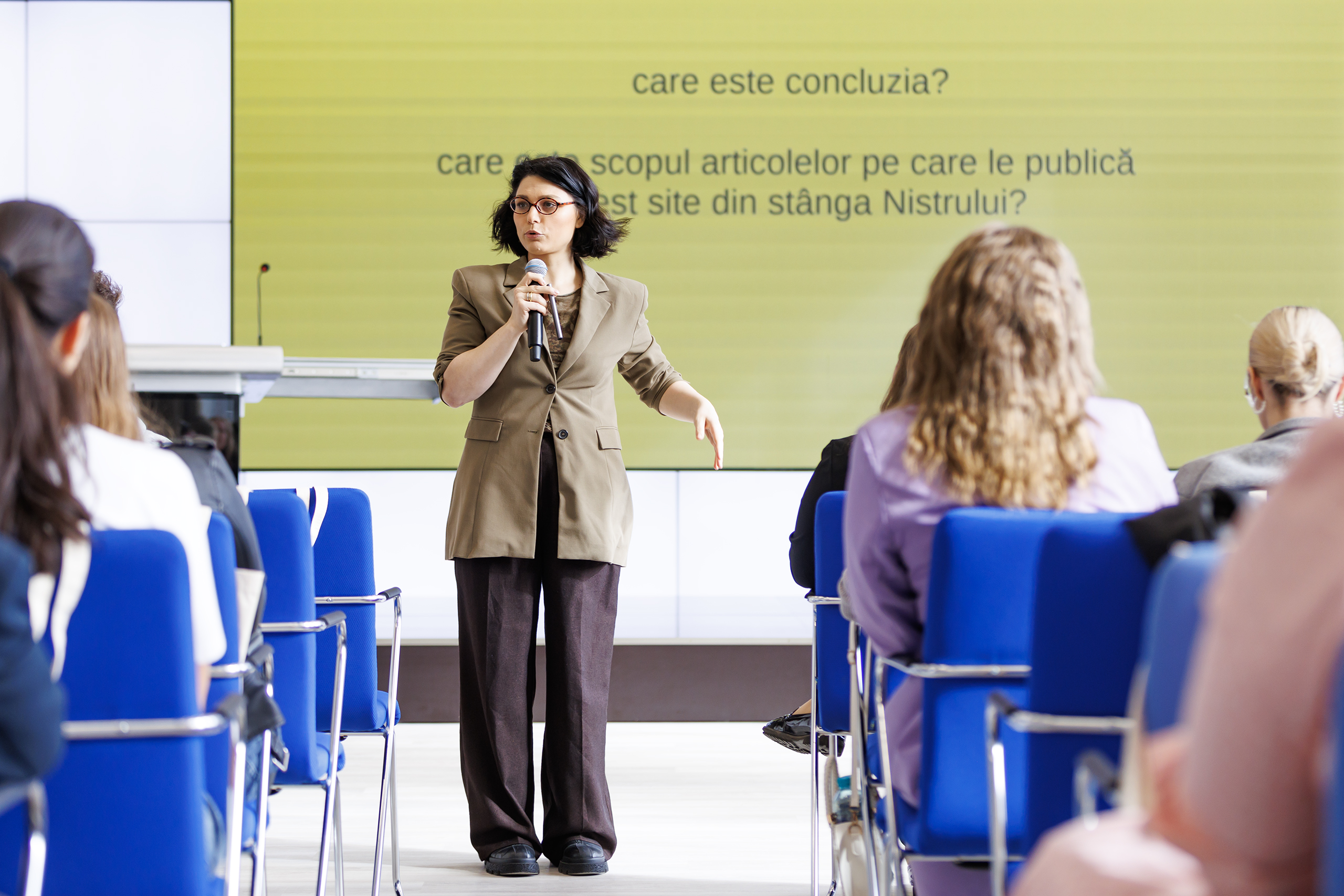
“How does fake news appear and why does it spread so quickly? There are institutions that specialise in writing news stories to increase the number of views. These sites are called clickbait sites, and in this type of material, reference is usually made to rumours and bits of information. The headlines of these articles are written in capital letters, which provokes feelings of fear, anger and anxiety. When we read such a headline, we are immediately alerted and want to find out more. However, we will not find much information in clickbait articles, as their purpose is not to educate or inform in a traditional way. The intention behind clickbait is to generate more traffic and make more money,” explained Ana Sîrbu.
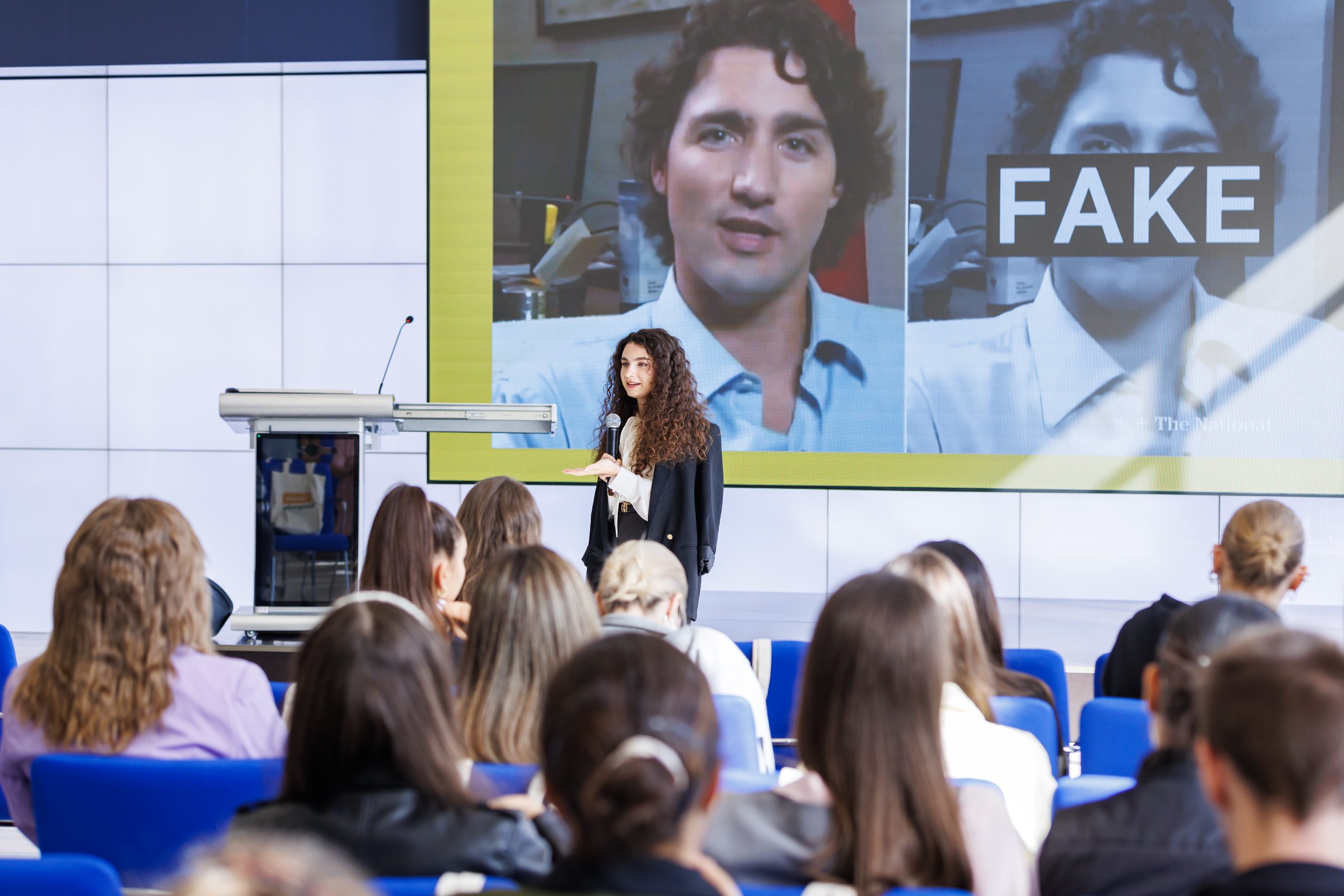
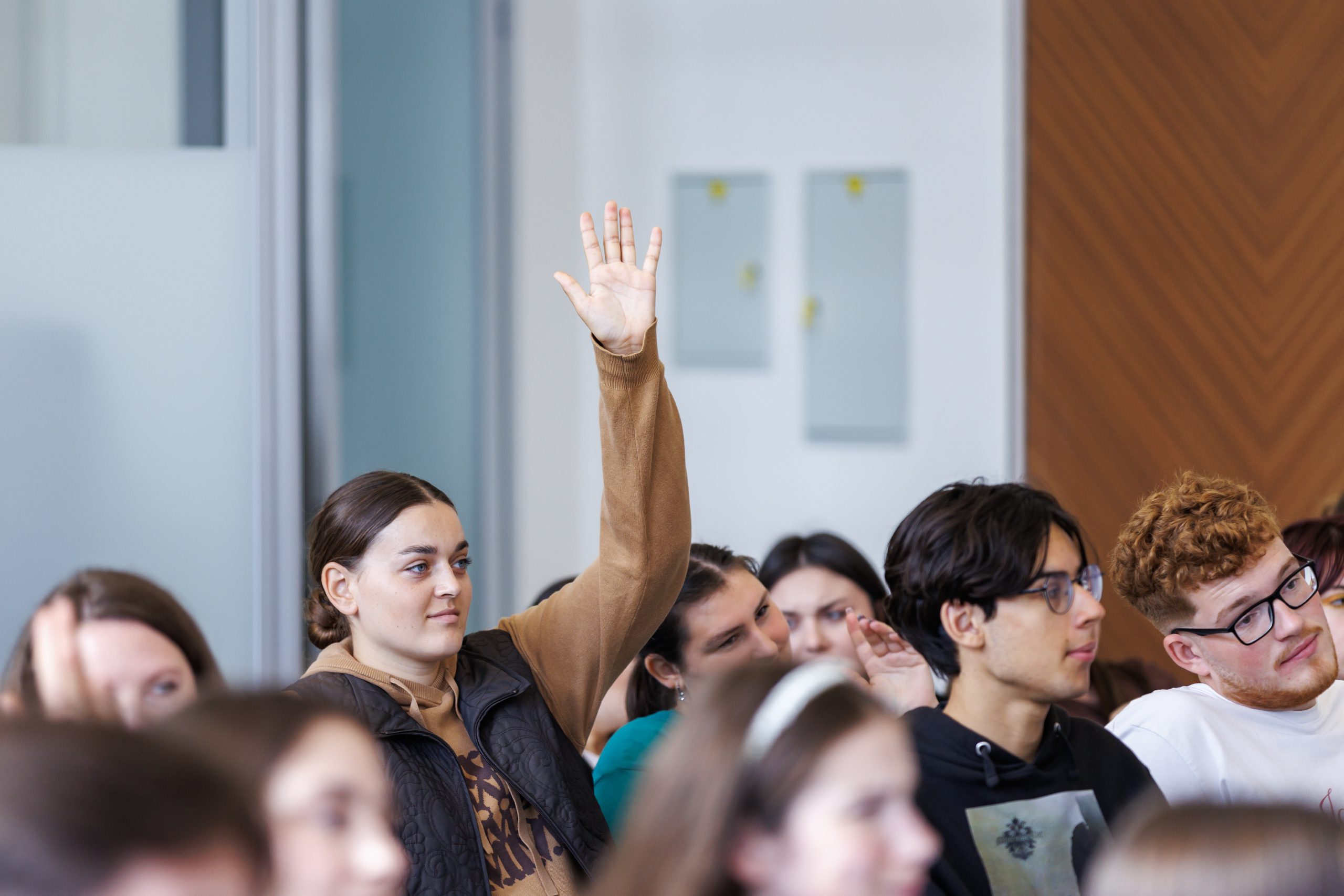
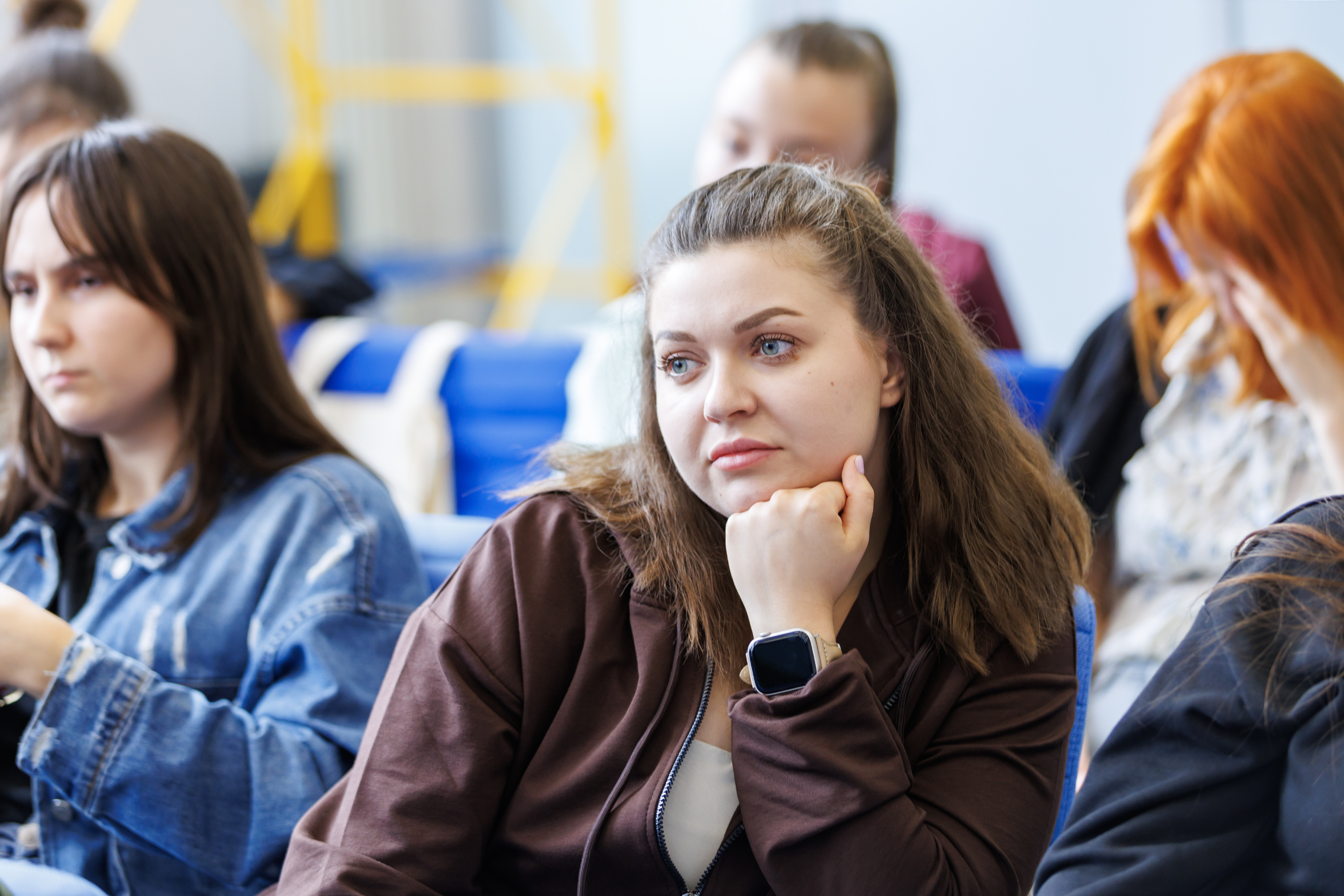
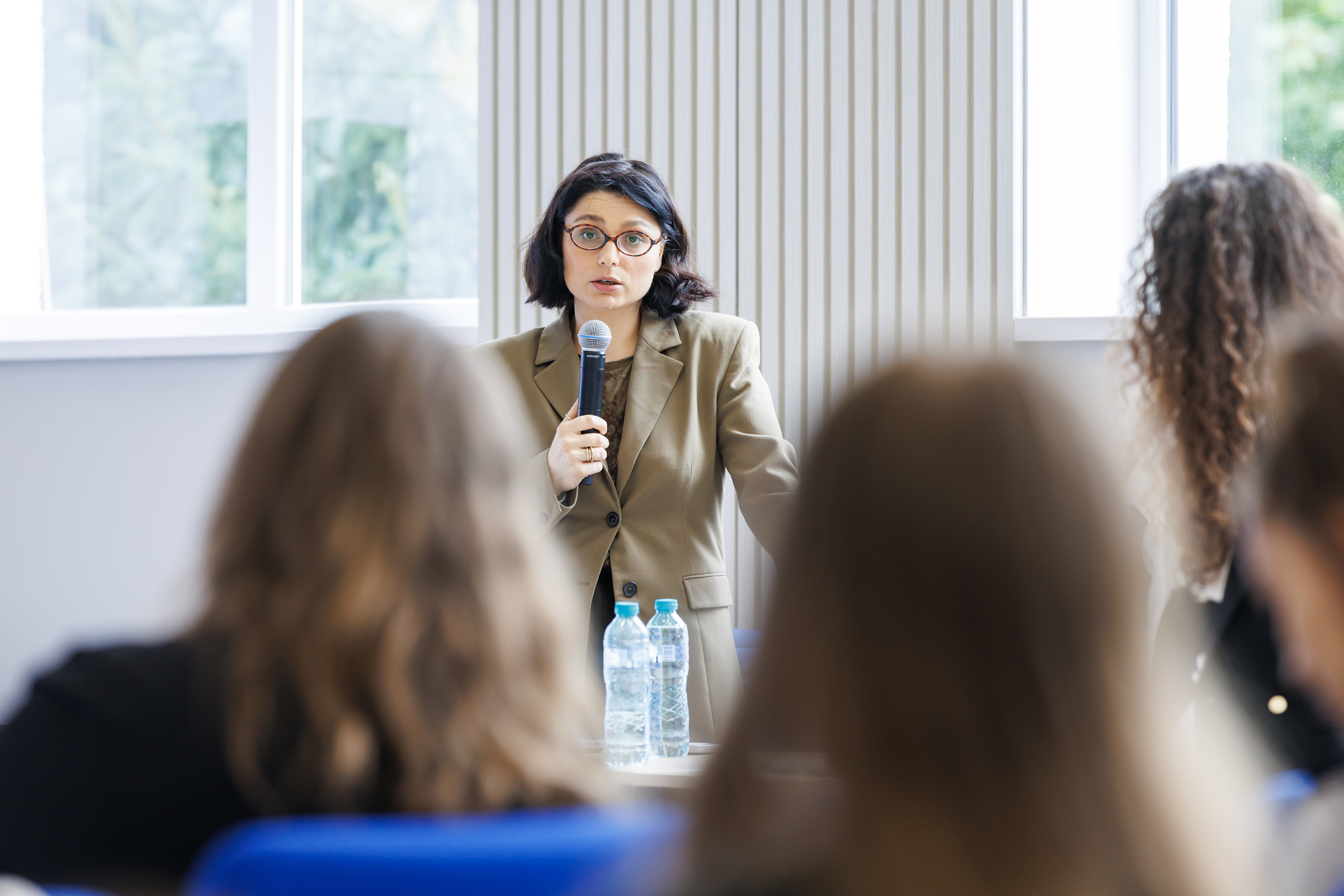
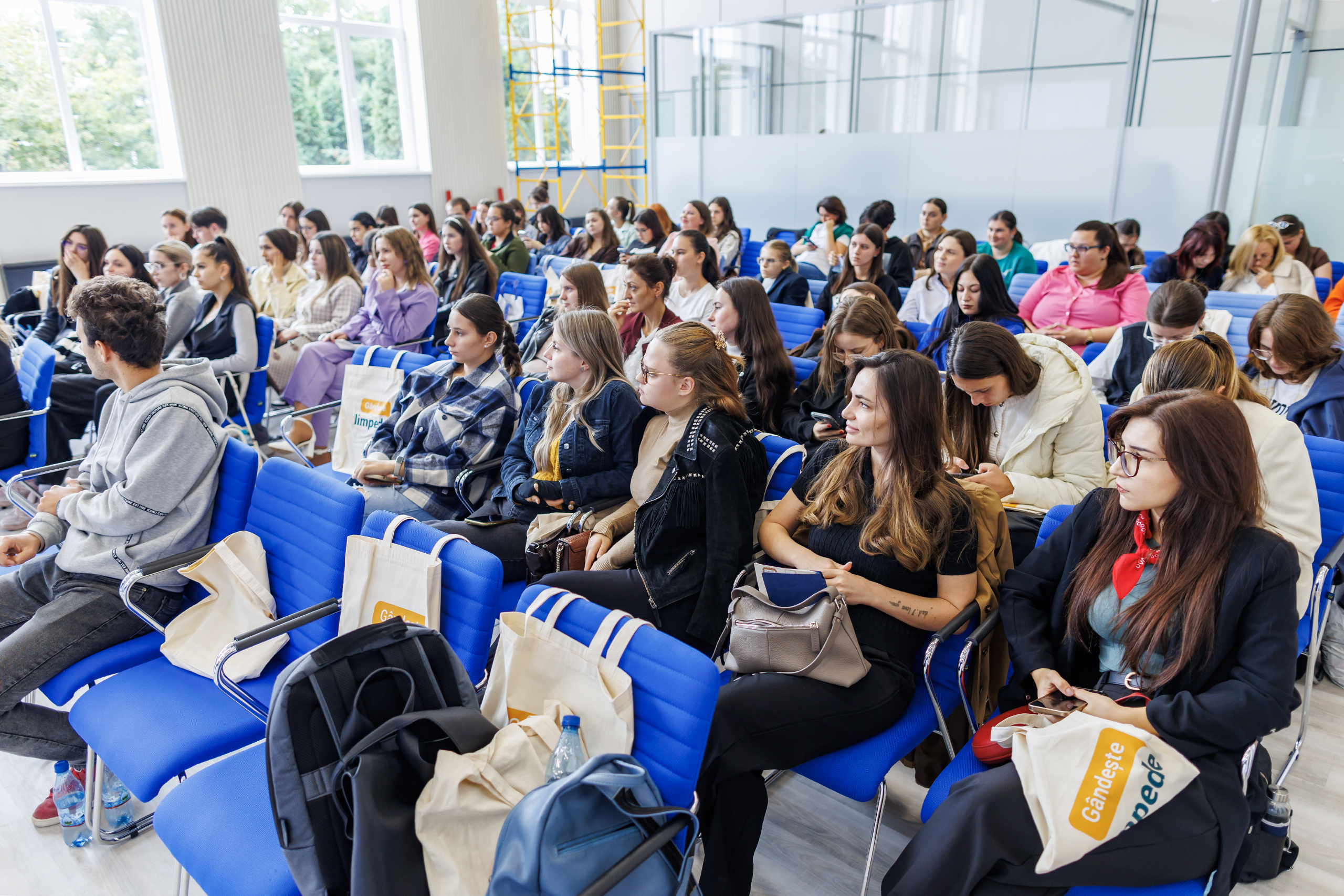
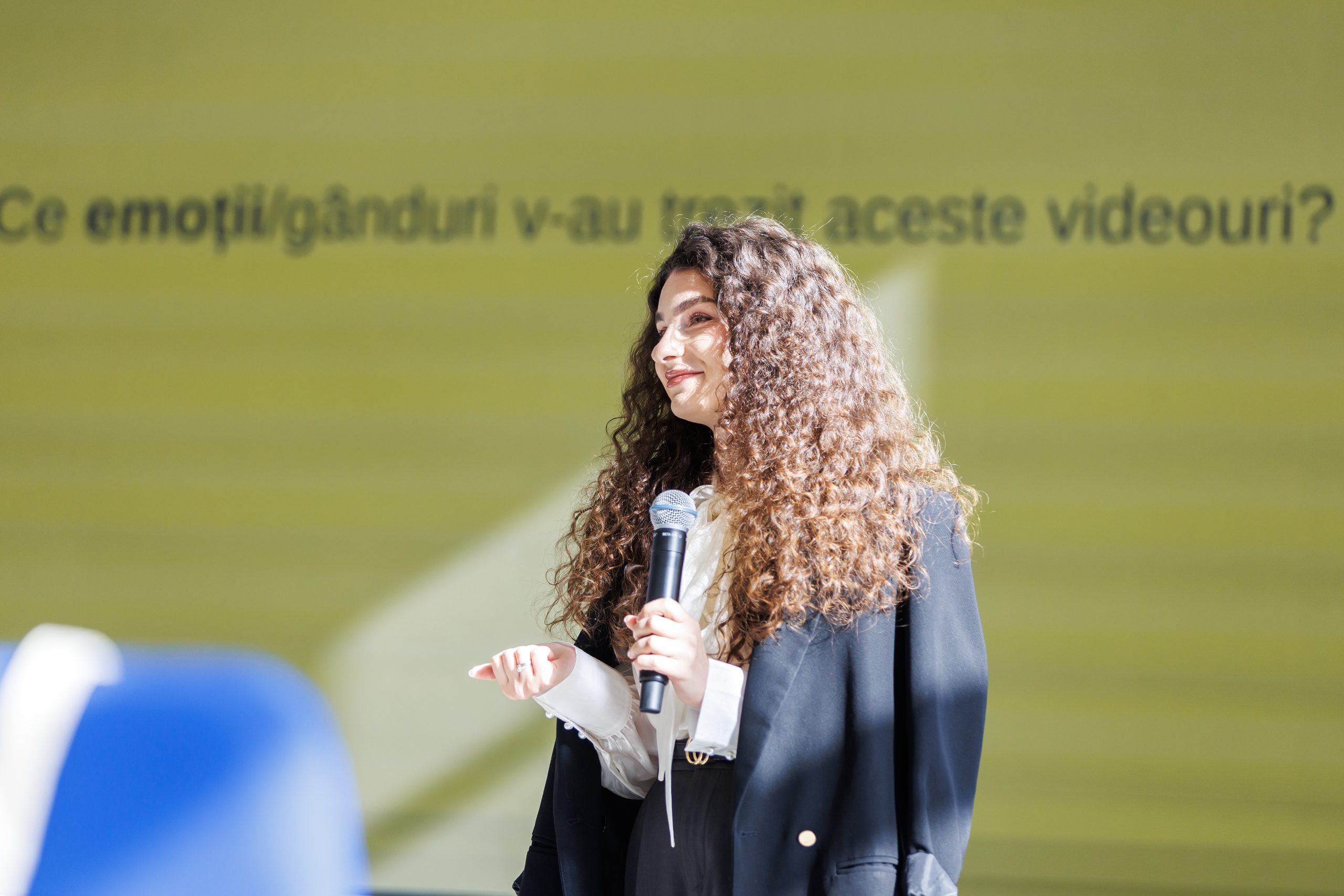
Deepfakes are another type of false information that the trainers referred to. The experts provided several examples of videos created with the help of AI, demonstrating that they are quite difficult to identify. “With AI, it is complicated to understand what is true and what is not. AI is already undergoing unimaginable stages of development, but in the coming years it will be even better trained to produce fakes. And it will catch us in its net if we don’t know how to work well enough with sources, filter them for truthfulness, and ask ourselves questions. Too much information means too little time to process it and the risk of becoming easy prey to disinformation,” said Ana Sîrbu.
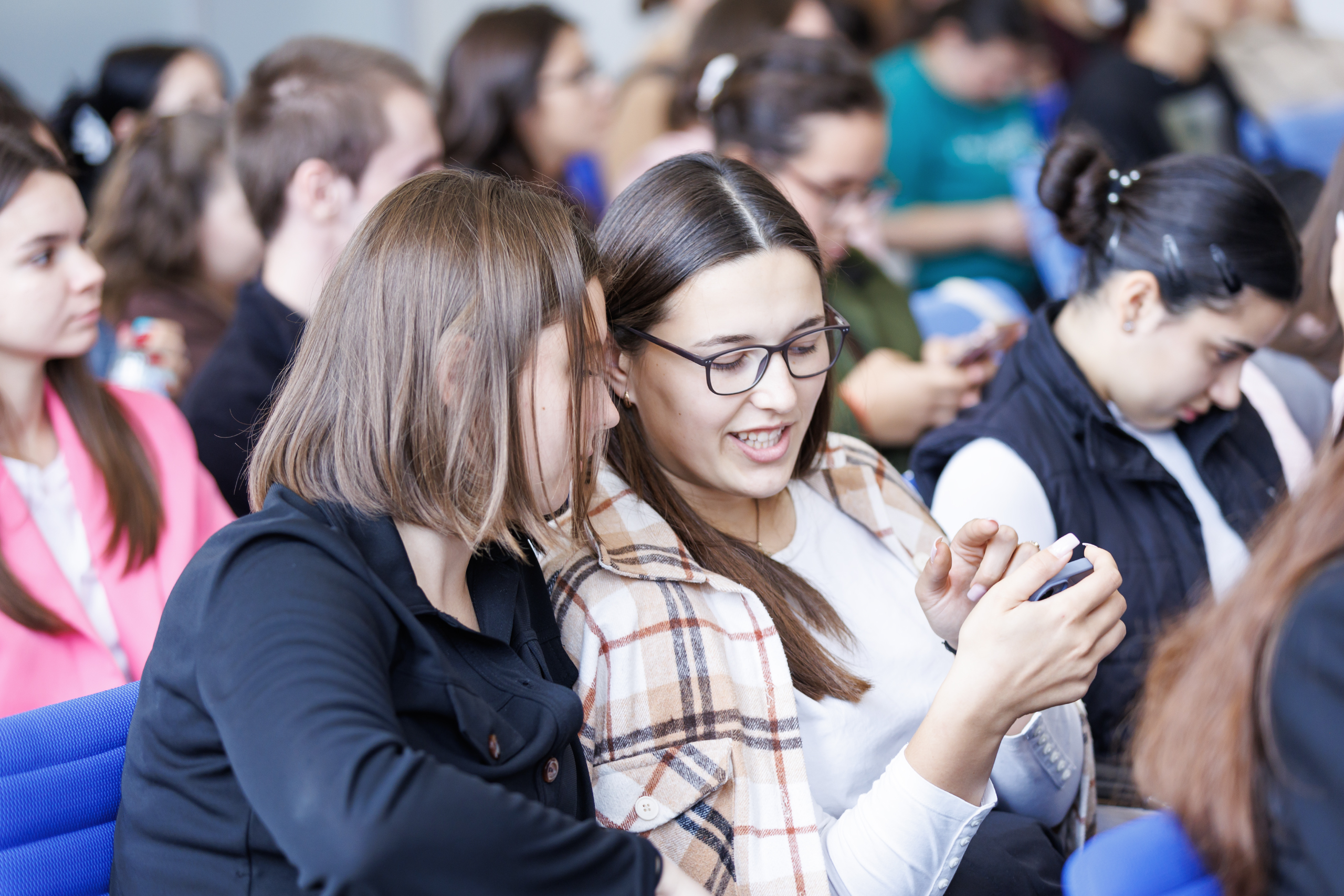
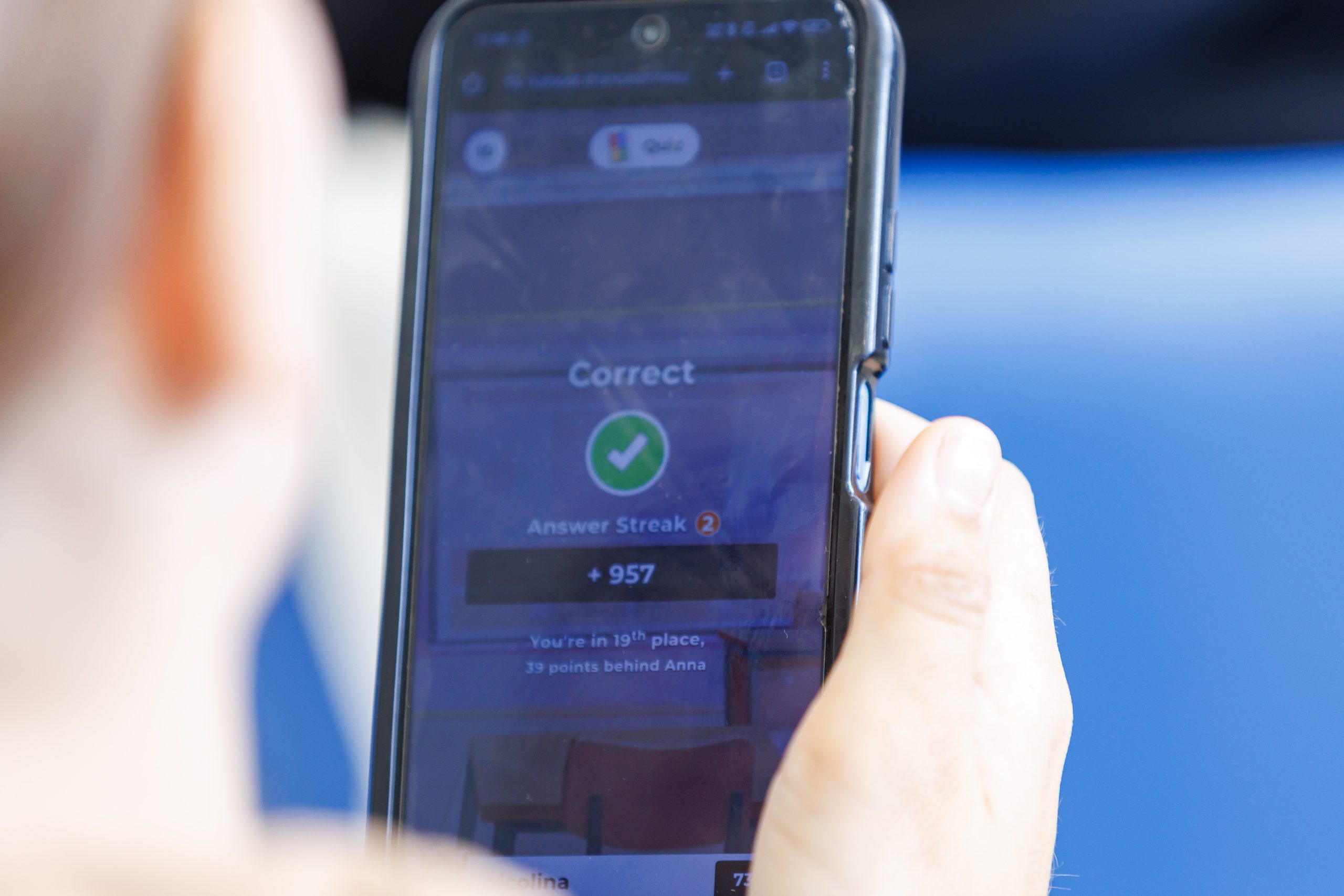
Towards the end of the media literacy workshop, the trainers asked participants to analyse several narratives from the national press and to take part in a Kahoot game to test their knowledge of media literacy.
Nina Crasevici, student, 2nd place in Kahoot:
I believe that media education is a necessary discipline for everyone – from kindergarten, school, to higher education institutions. It teaches us to carefully select information, to verify it, so that we are better prepared to cope with the flow of information we are exposed to every day.
Ana Ali-Hibbi, student
We are living in complicated times, with an abundance of information, news, and videos created with AI, making it very difficult to distinguish between truth and fakes. Even in everyday life, there are times when I find it increasingly hard to explain to my child what they need to pay attention to in order to navigate the internet safely. As a future teacher, I need knowledge to work not only with children, but also with their parents.
Victoria Tabuncic, student
I believe that the information provided in the workshop will help us inform others about how to stay informed correctly, not to promote false information, and not to believe everything they hear around them. Personally, I intend to read more and become selective in my search for sources.
Liuba Petrenco, PhD, Associate Professor, UPS “Ion Creangă”
Young people today read fewer newspapers, watch practically no television, and get most of their information from social media. However, we know that social media is the source of most false information and misinforms the population. For this reason, we are pleased that a media literacy course has been introduced at our institution. At the lessons we have, we try to discuss important topics – how and where we get our information, we talk about the media literacy that every person should have from the perspective of future teachers and parents – the force we rely on to keep our society healthy through the critical consumption of information.
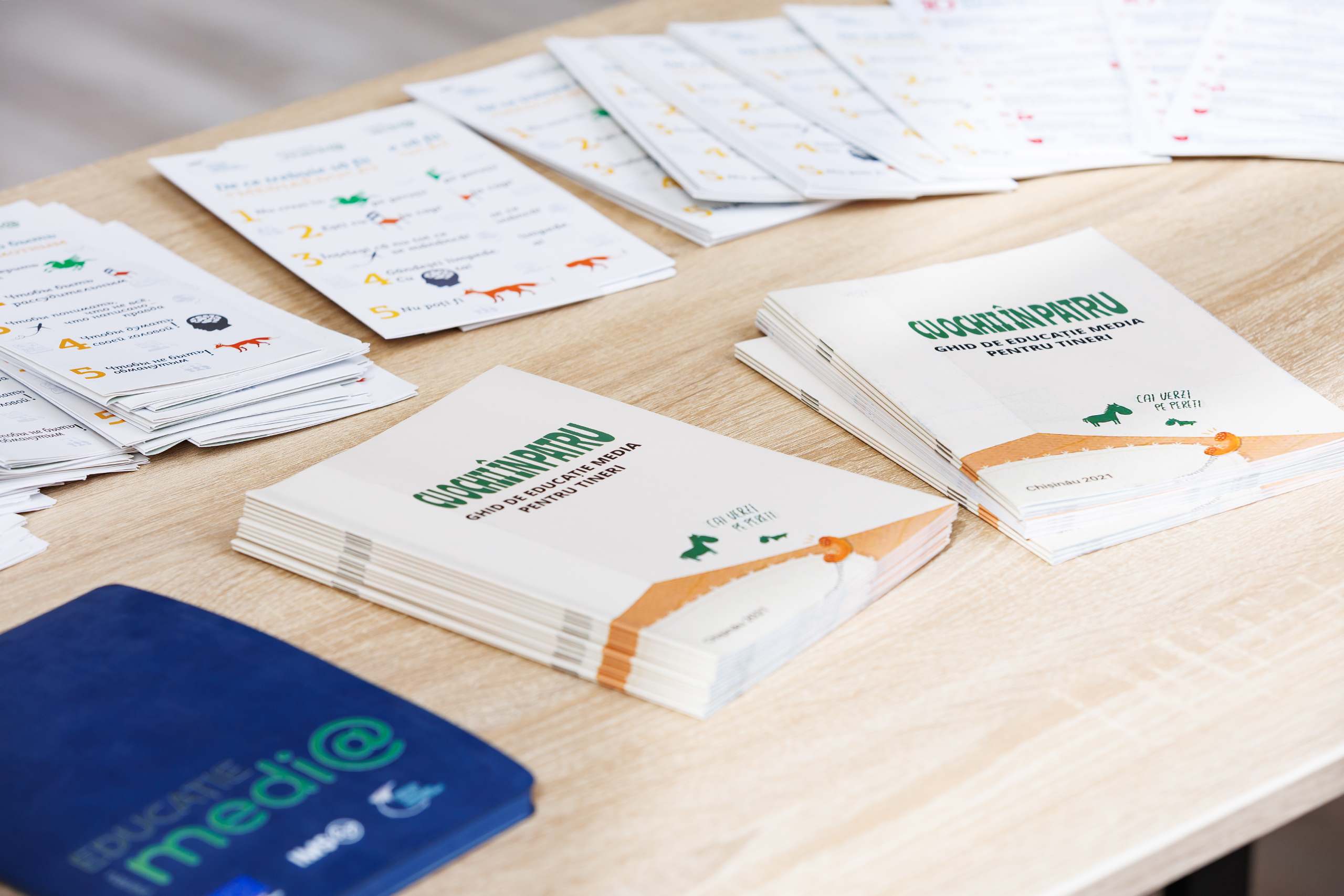
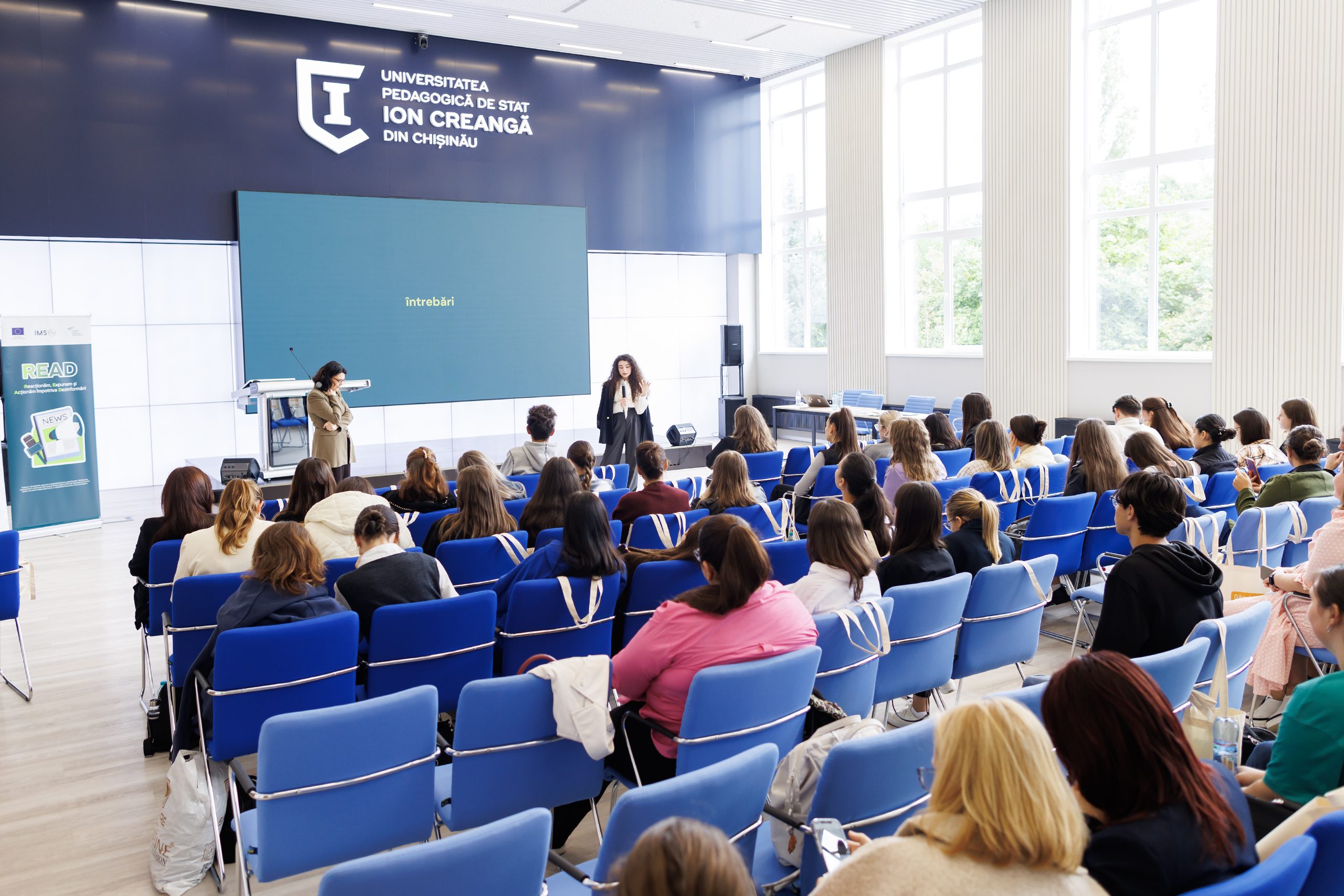

MIL workshop was organised within the “Responding, Expanding and Acting on Disinformation” project (READ), implemented jointly by International Media Support (IMS) from Denmark and the Independent Journalism Center (IJC), with the financial support of the European Union.
