


Young journalists learned how to create video content for social media
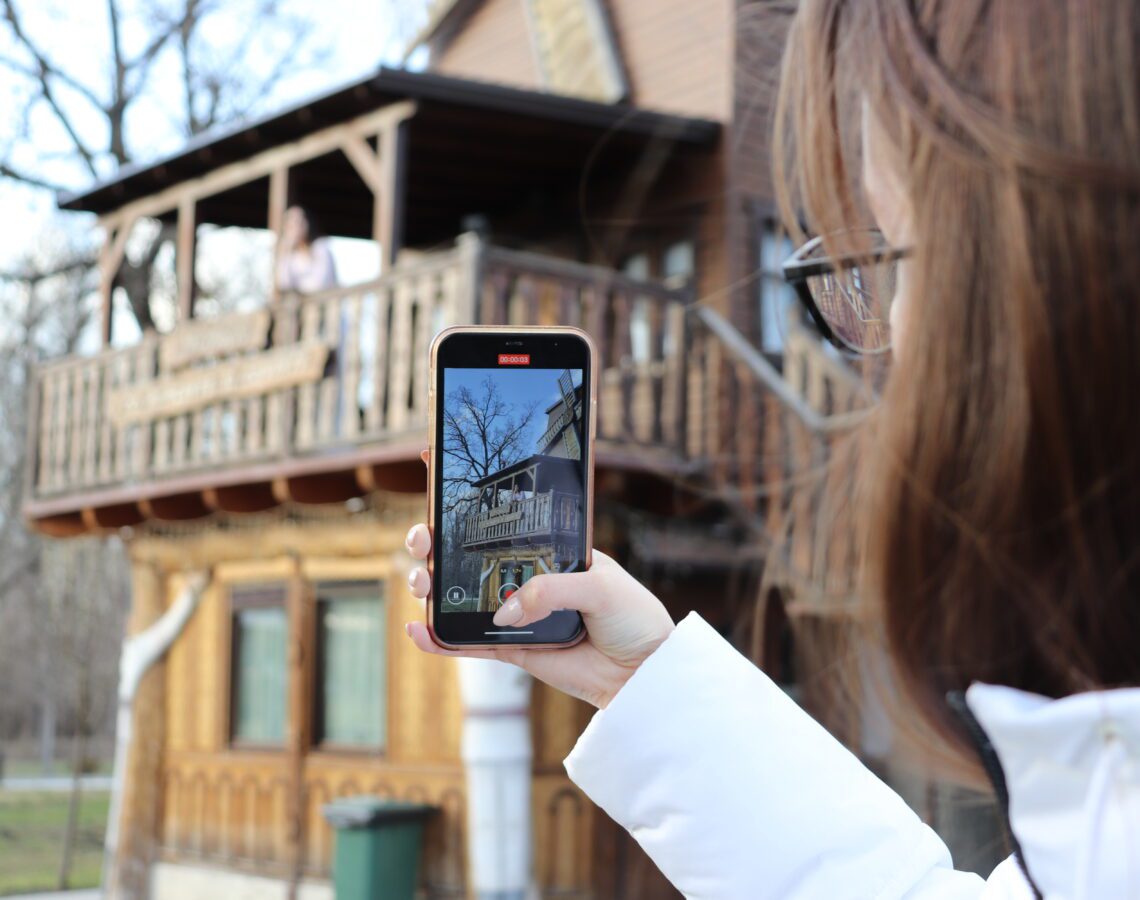
15 young journalists developed their skills in creating video content for various social media platforms as part of the training program “From the Field to the Screen. Turning Media Literacy into Stories That Matter”, organized by the Independent Journalism Center with support from UNESCO on March 20-22, 2026, at the Costești Tourist Complex.
The program aimed to support young journalists and content creators in becoming responsible advocates for media literacy. The three-day training was led by international expert Enrique Anarte and local trainers/mentors Ana Sîrbu and Valeria Batereanu. They guided participants to promote media literacy by creating engaging and relevant video content on social media.
“Our role is to understand, filter, and tell meaningful stories”, noted Ana Sîrbu. For his part, Enrique Anarte emphasized that “as journalists, participants have the power to make media literacy not only accessible but also engaging for their communities”.
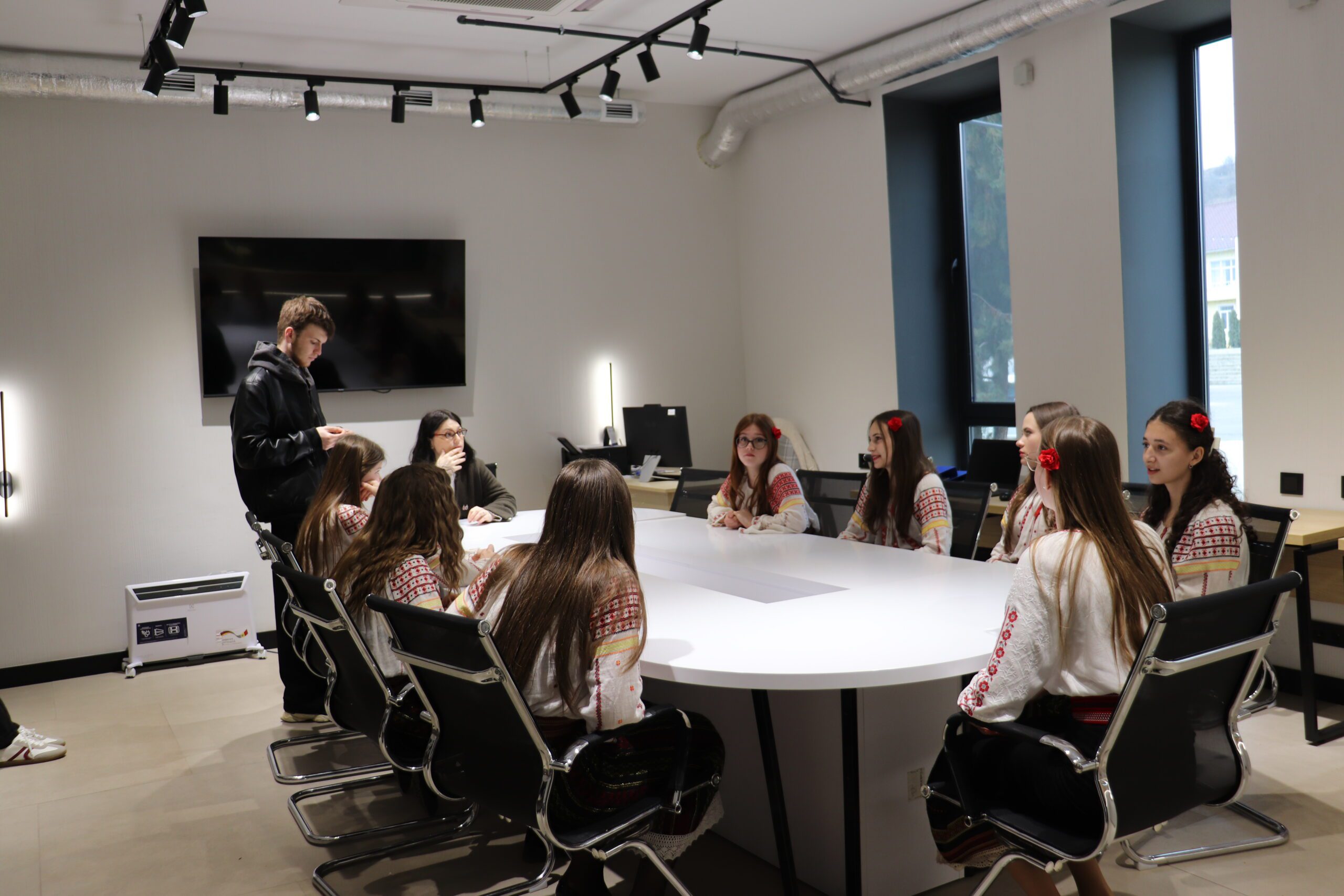
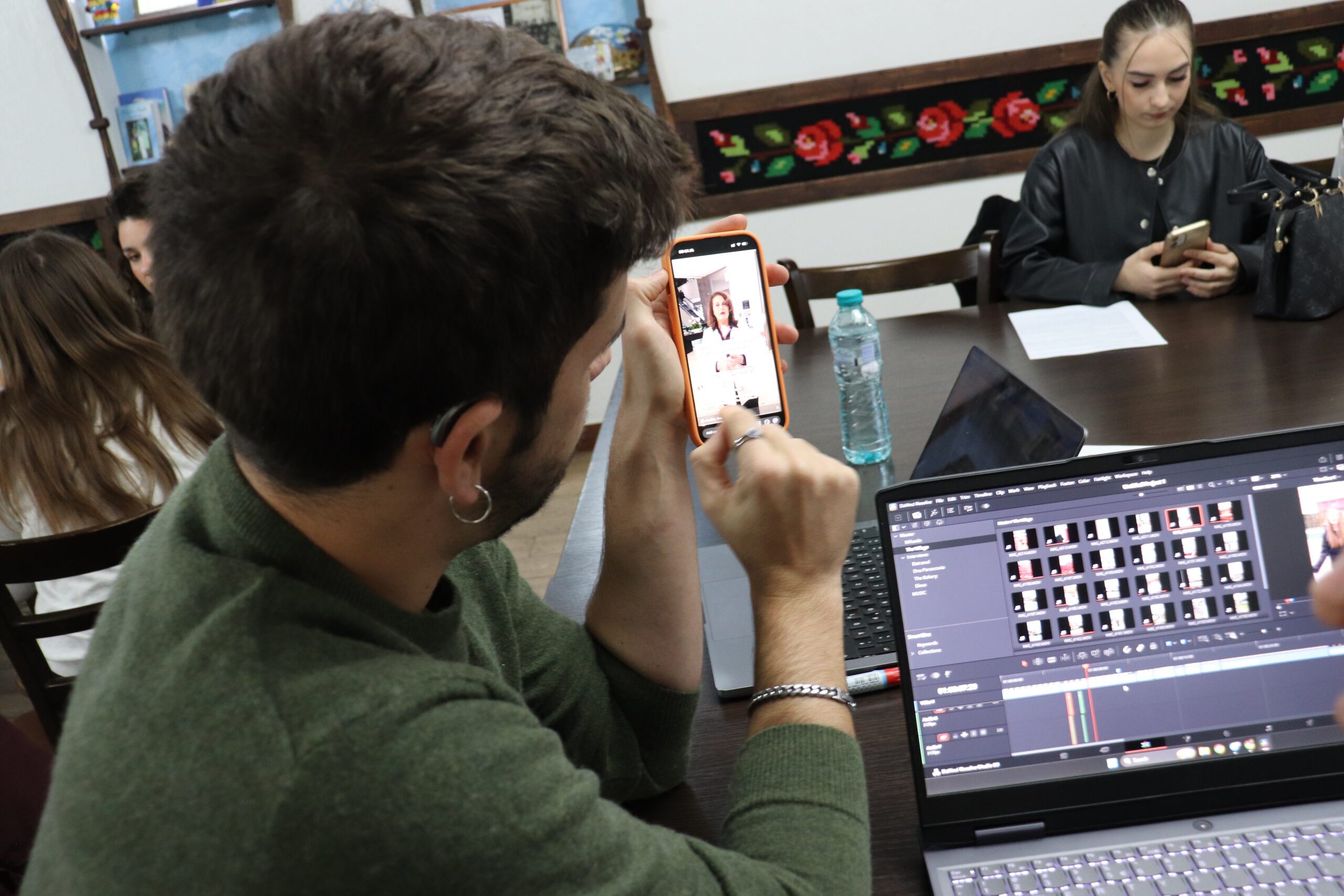
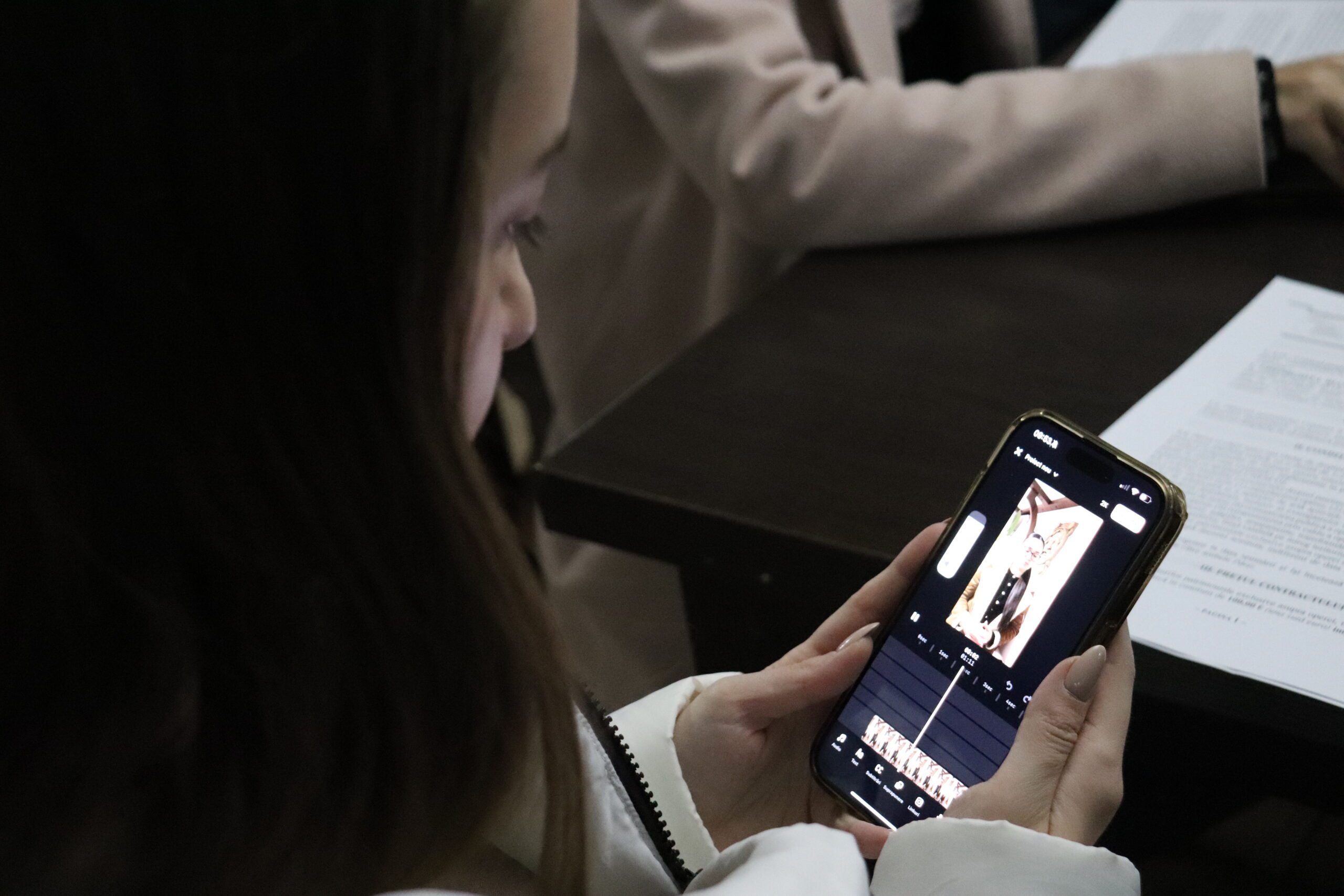
Over the course, participants combined theoretical and practical sessions, exploring ways to promote media literacy through short videos. They also tested storytelling techniques tailored for social media, practiced creating short videos, and identified relevant topics for video content.
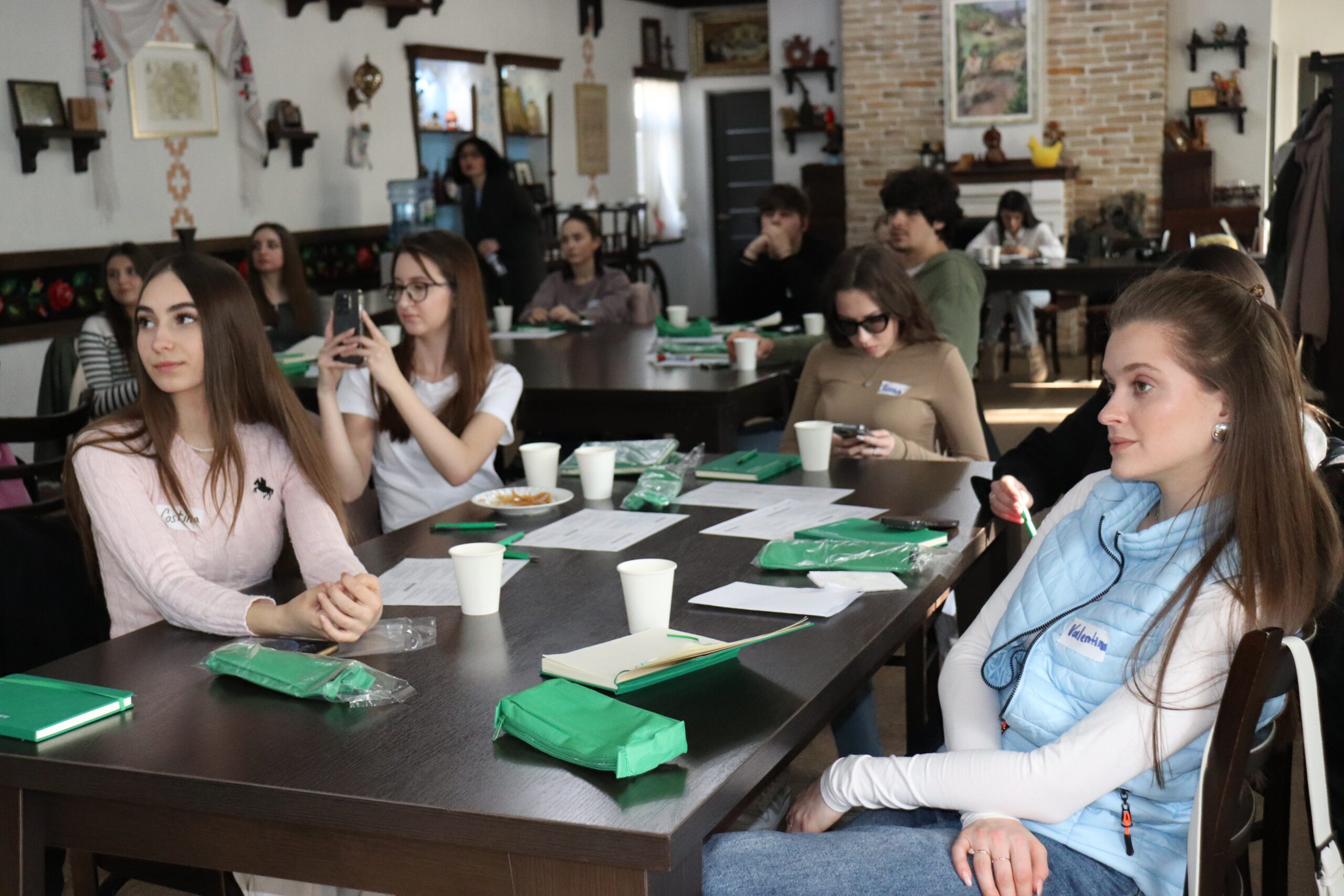
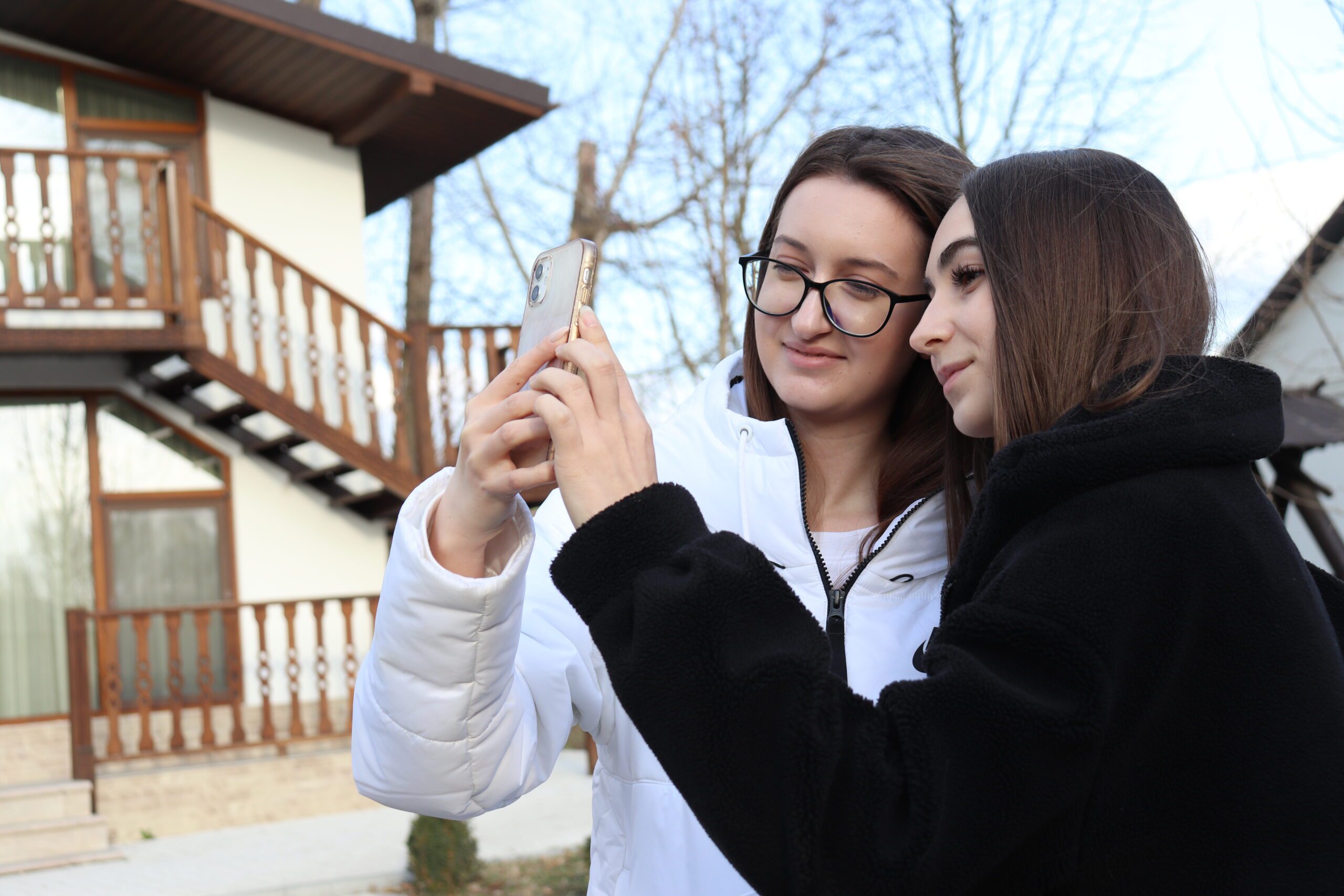
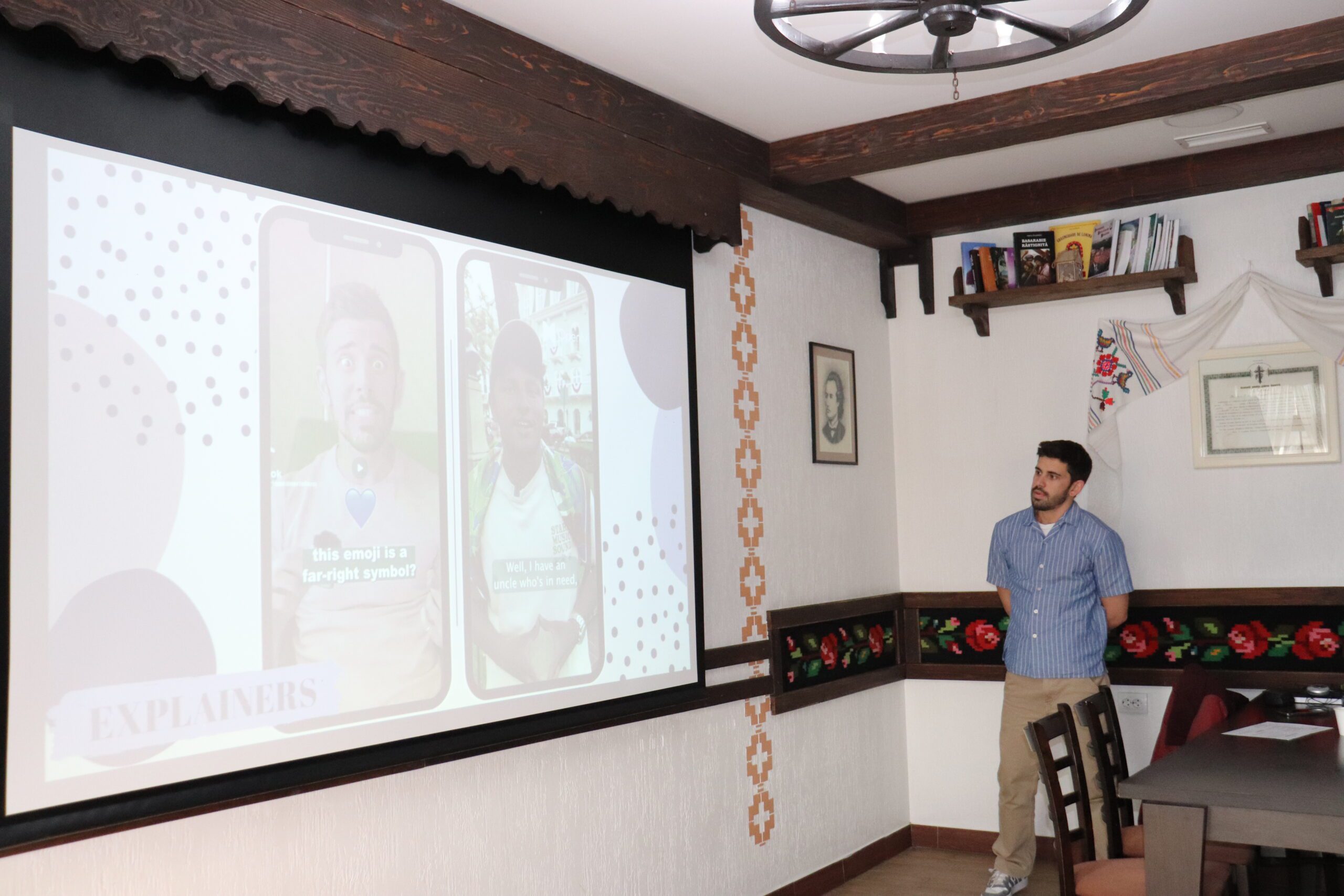
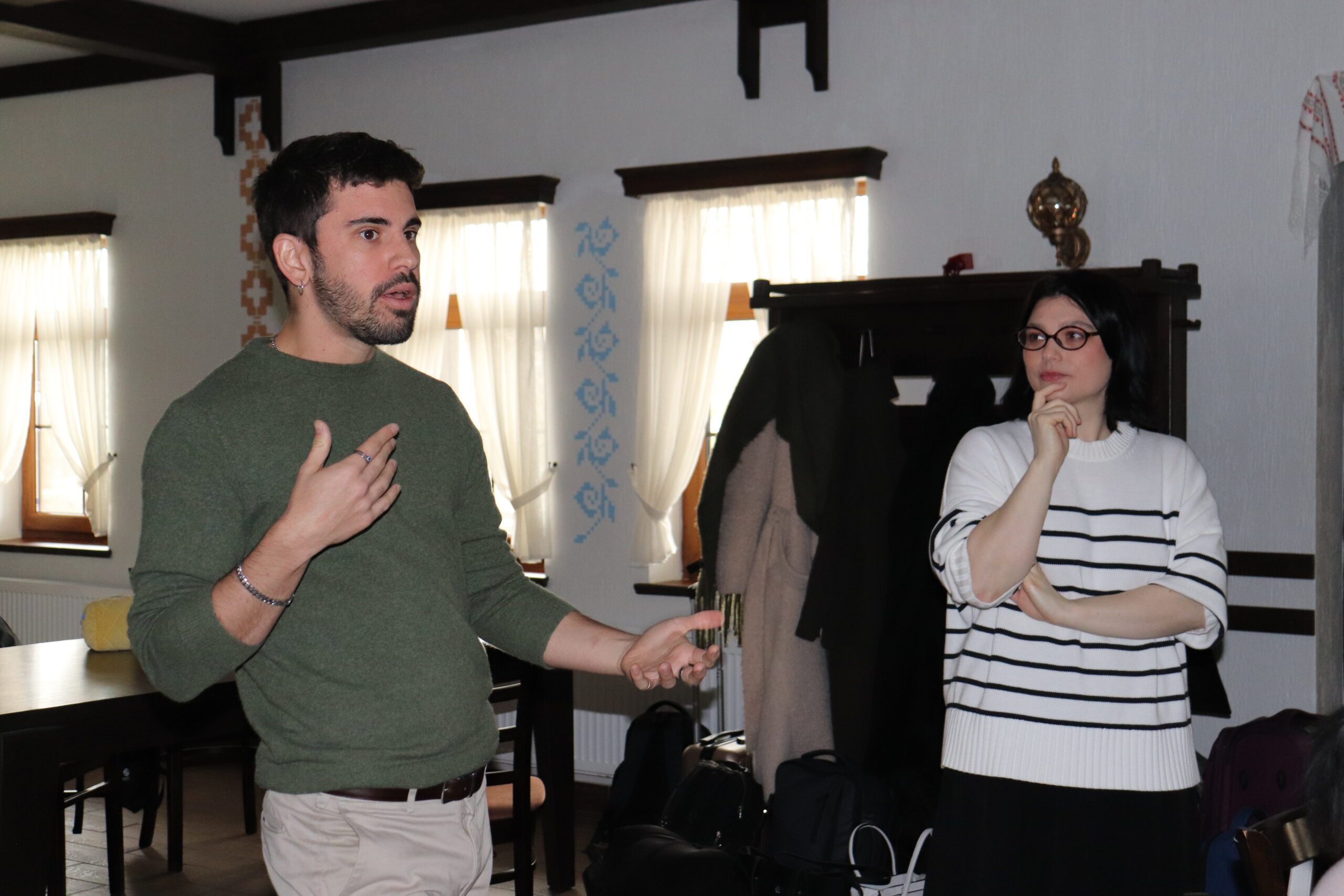
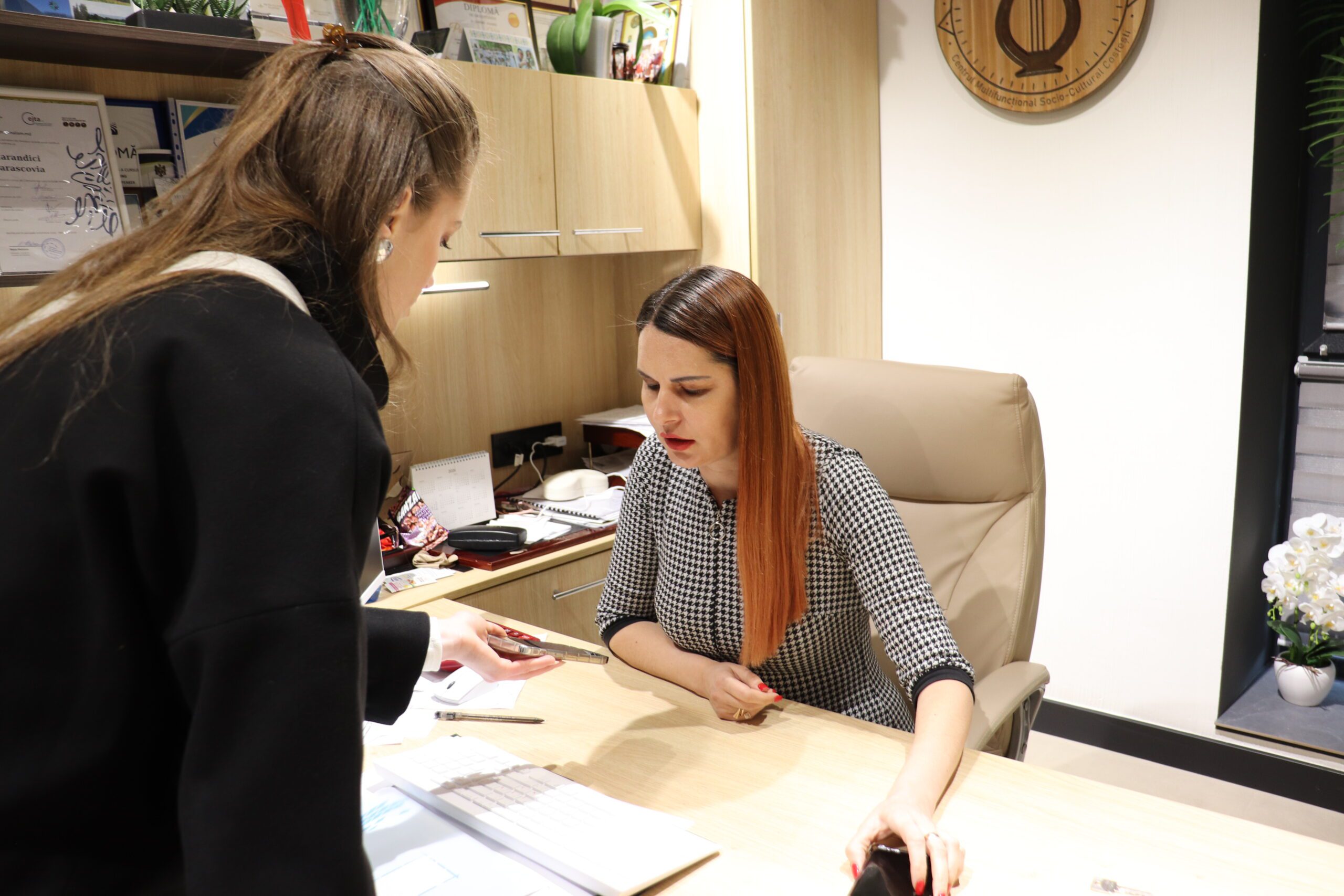
To facilitate the documentation process, a meeting was organized with two community representatives from the village of Costești – Parascovia Marandici, director of the Costești Multifunctional Socio-Cultural Center, and Eugenia Iacob, principal of the local “Olimp” Theoretical High School. They emphasized the importance of connecting young people to local realities. “We are glad you chose the village of Costești for this experience. Our community is open and active, and the stories here will help you better understand local challenges”, noted Parascovia Marandici.
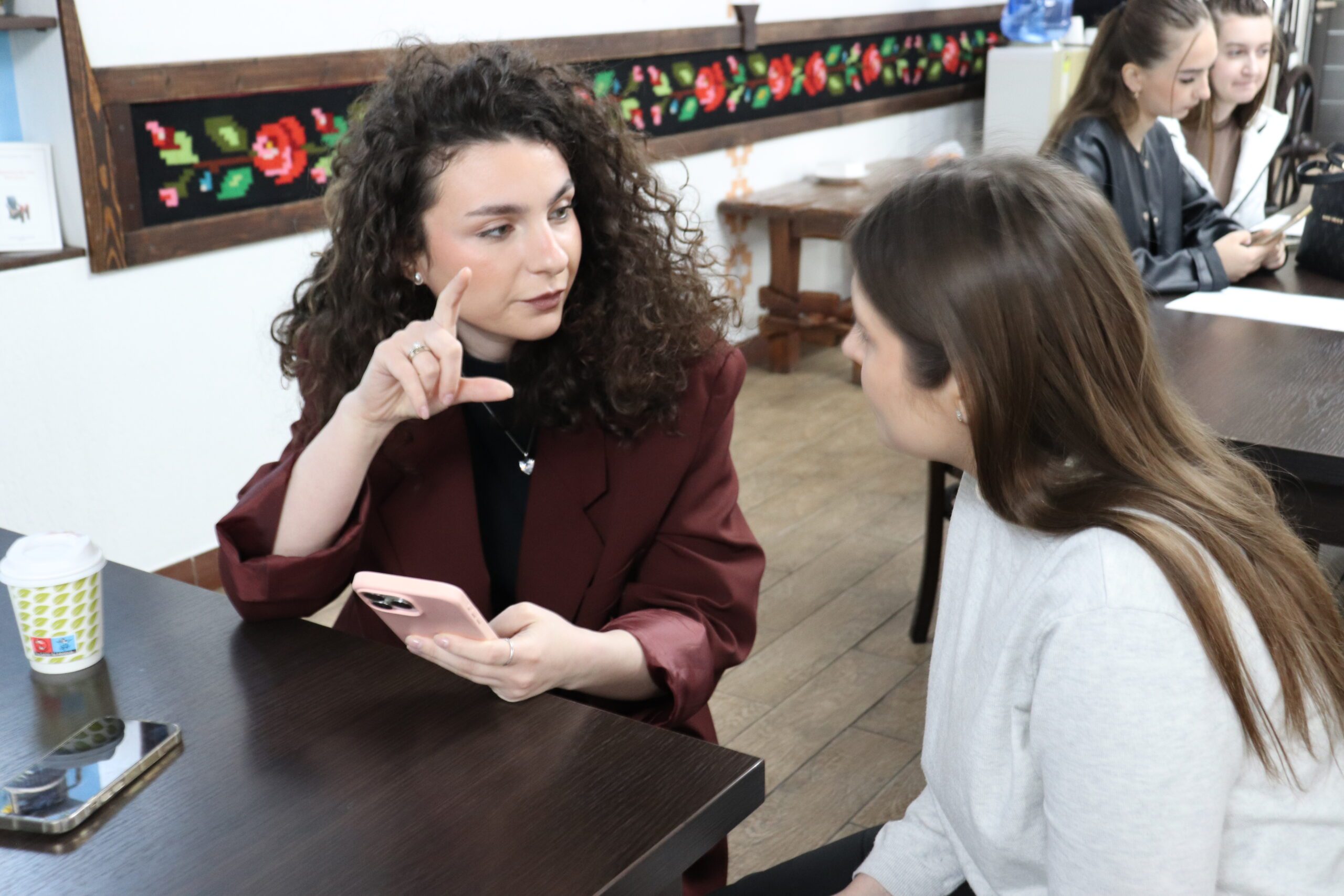
The discussions were also attended by the creators of the ZeroDoi project, Cătălin Lungu and Radu Șarbei, who shared their experience in creating content across various social media platforms. “Online content isn’t just about making attractive videos. It’s also about responsibility toward your audience. That is why it is very important to be aware of the impact your messages can have online. Be honest, authentic, and creative, and don’t be afraid to experiment with different ways of interacting with your audience”, said influencer Cătălin Lungu, who has about 400,000 followers on Facebook and Instagram.
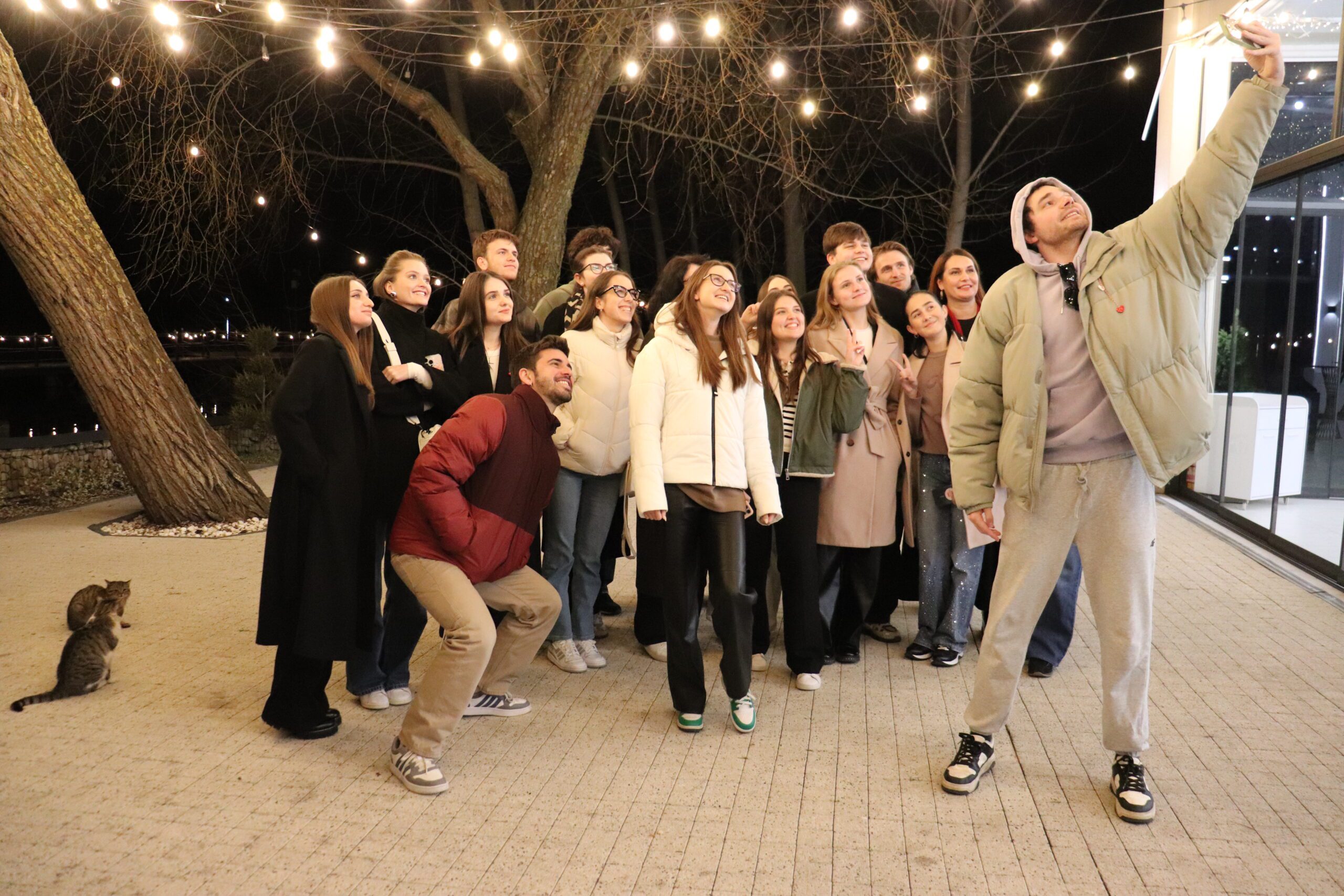
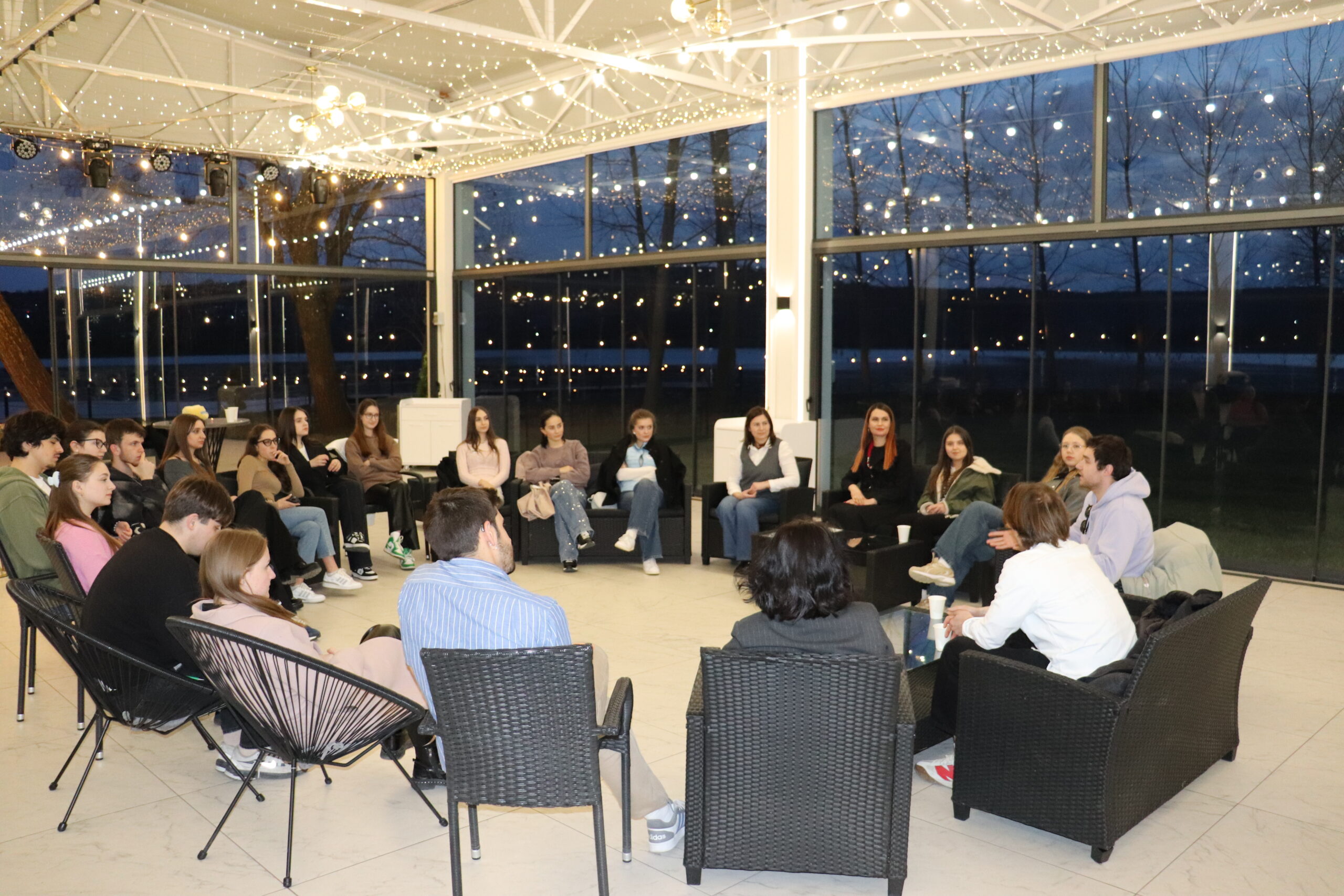
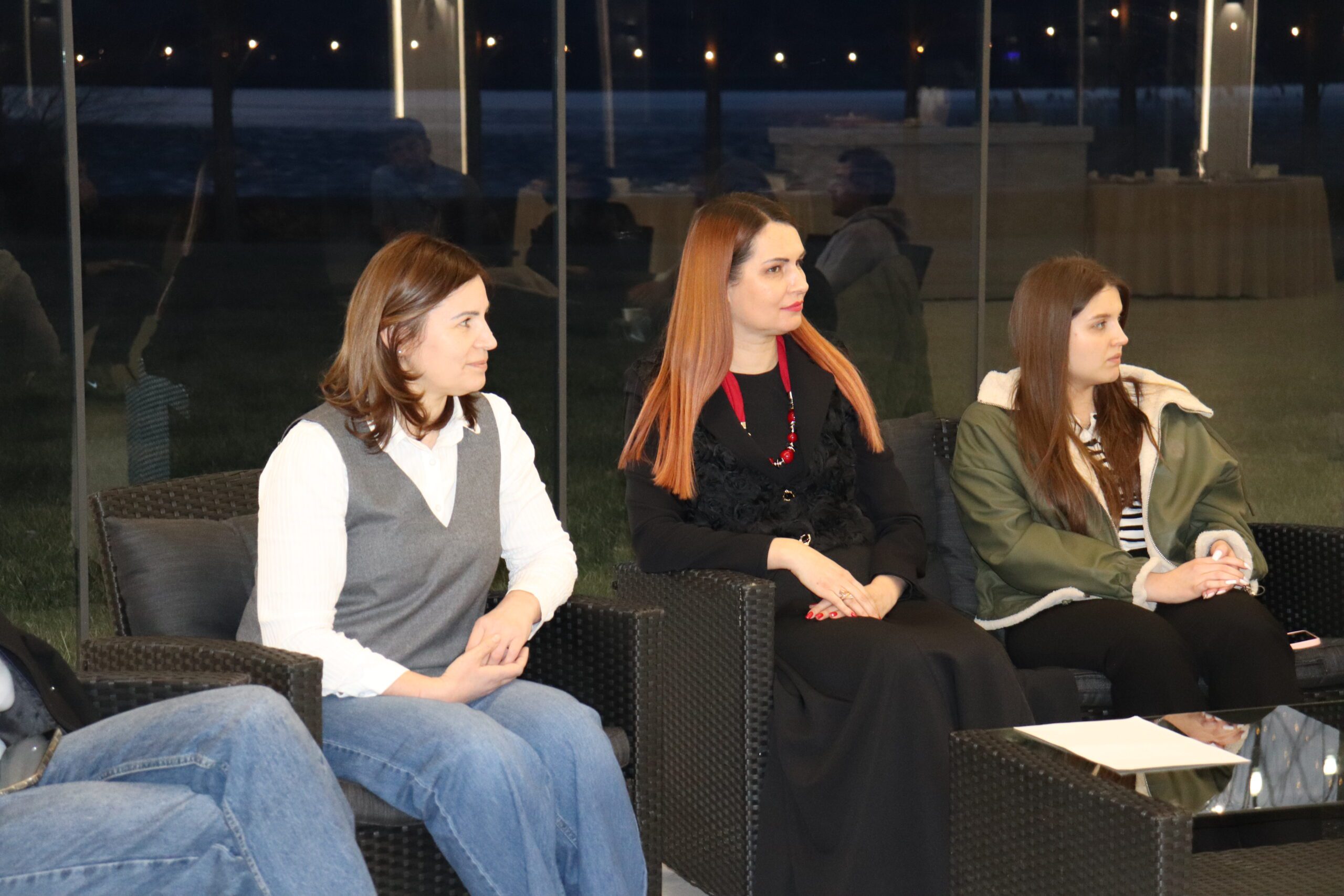
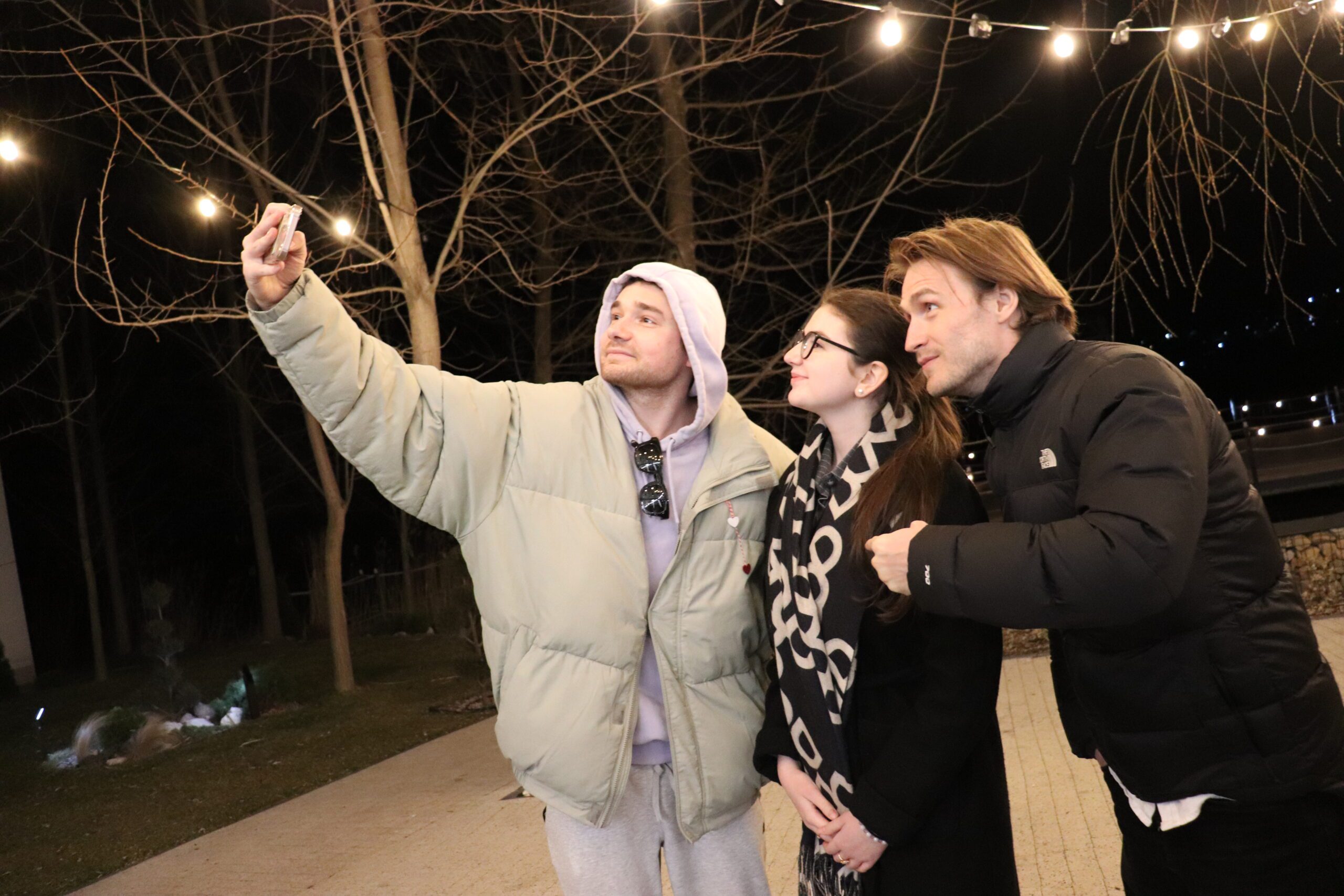
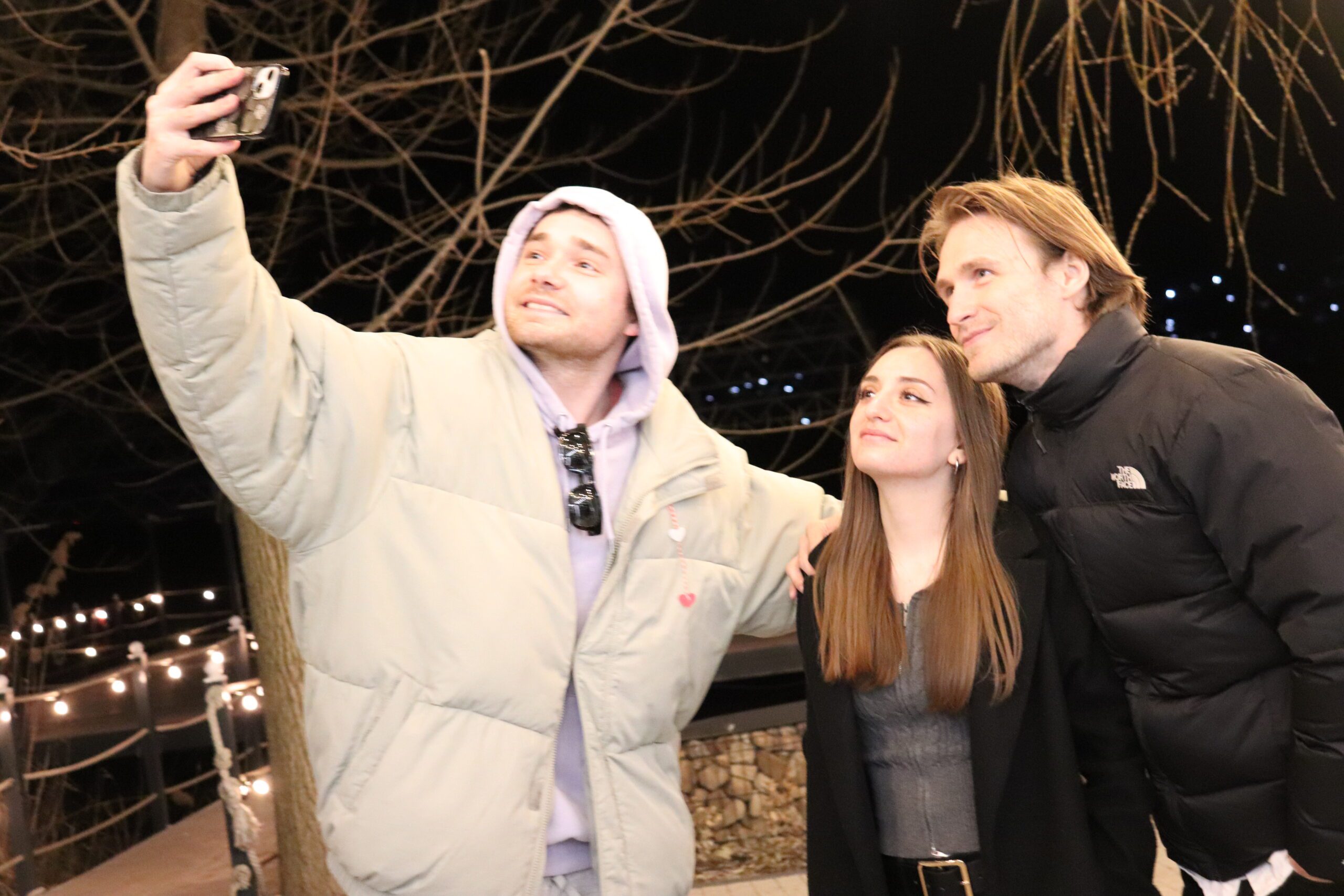
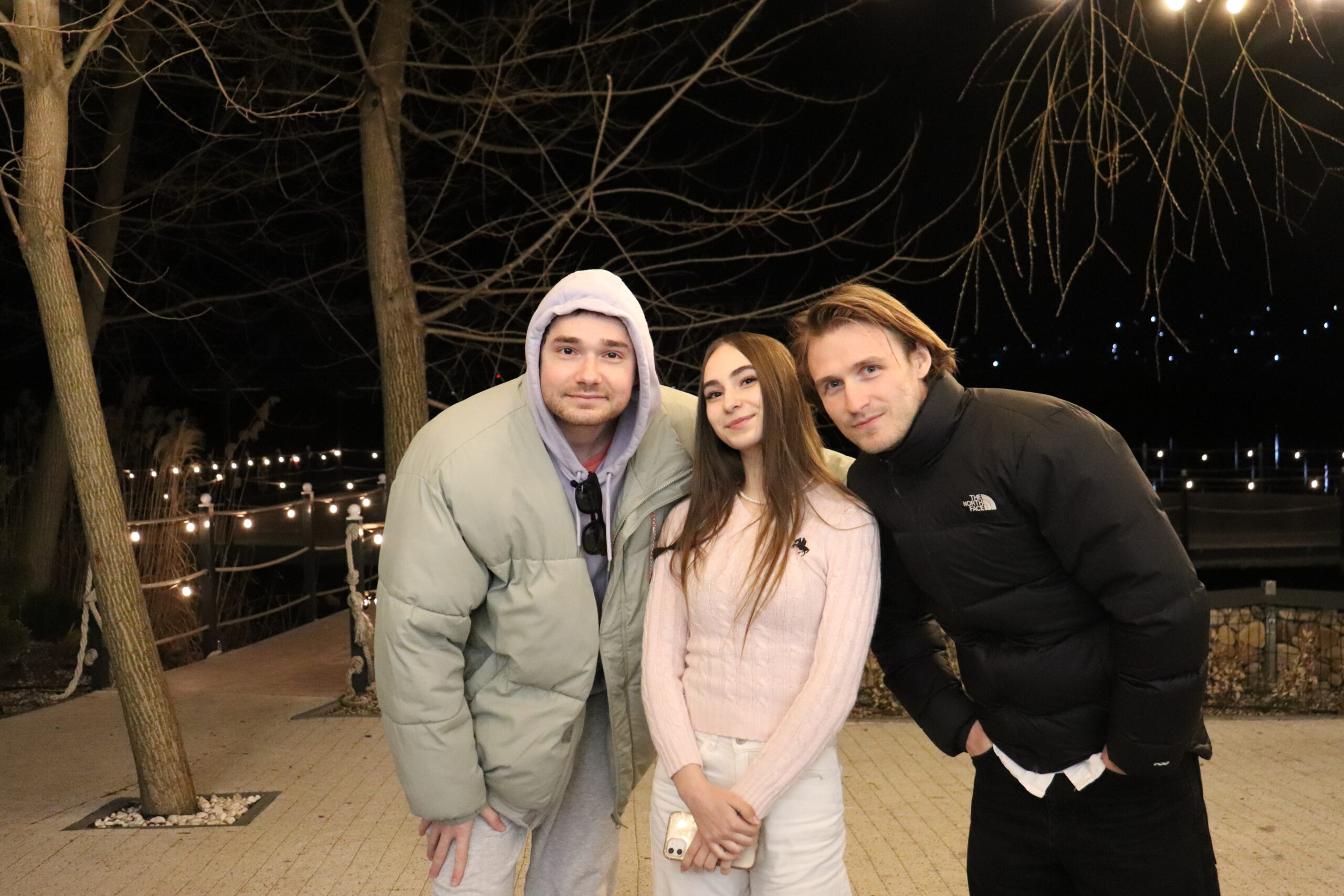
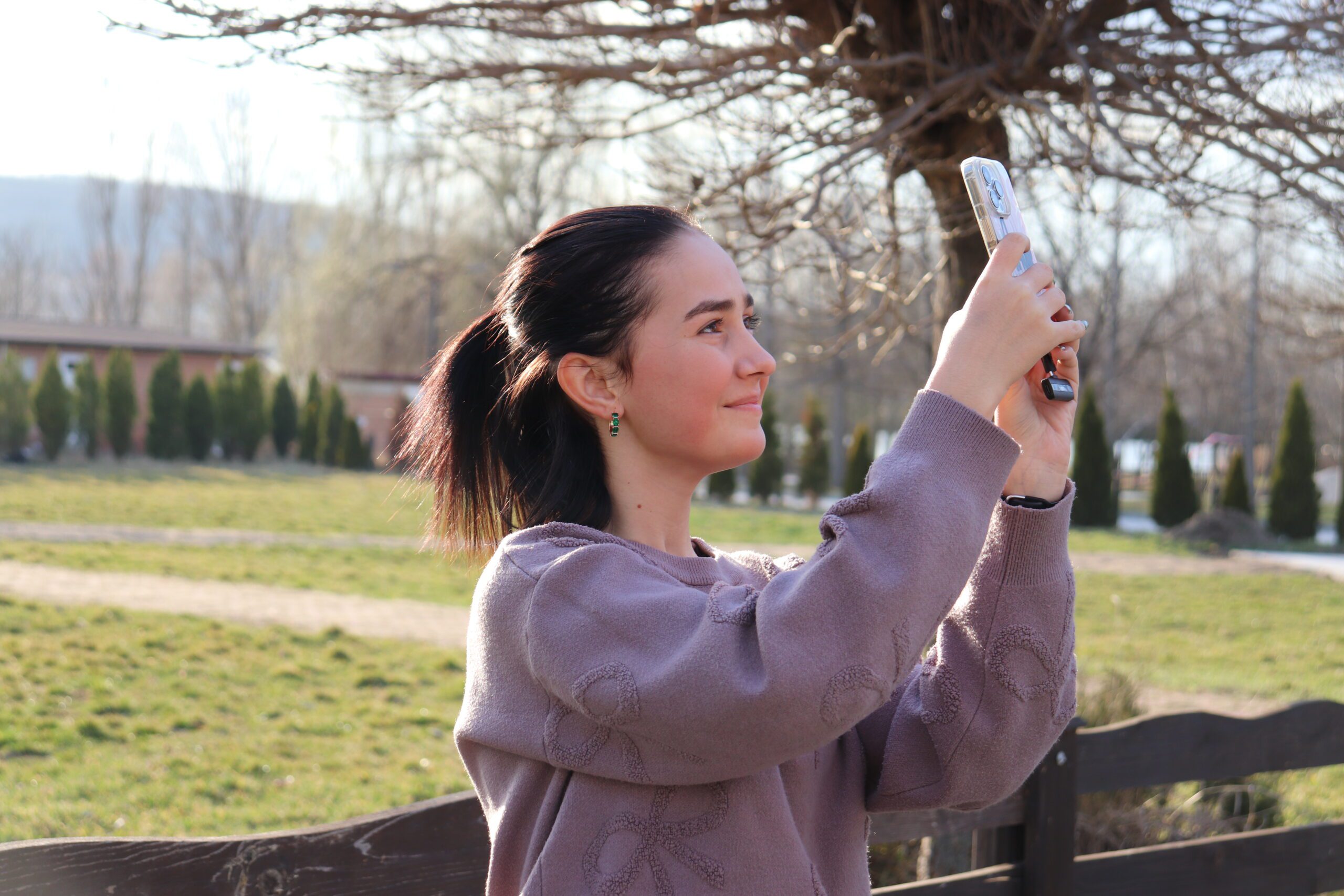
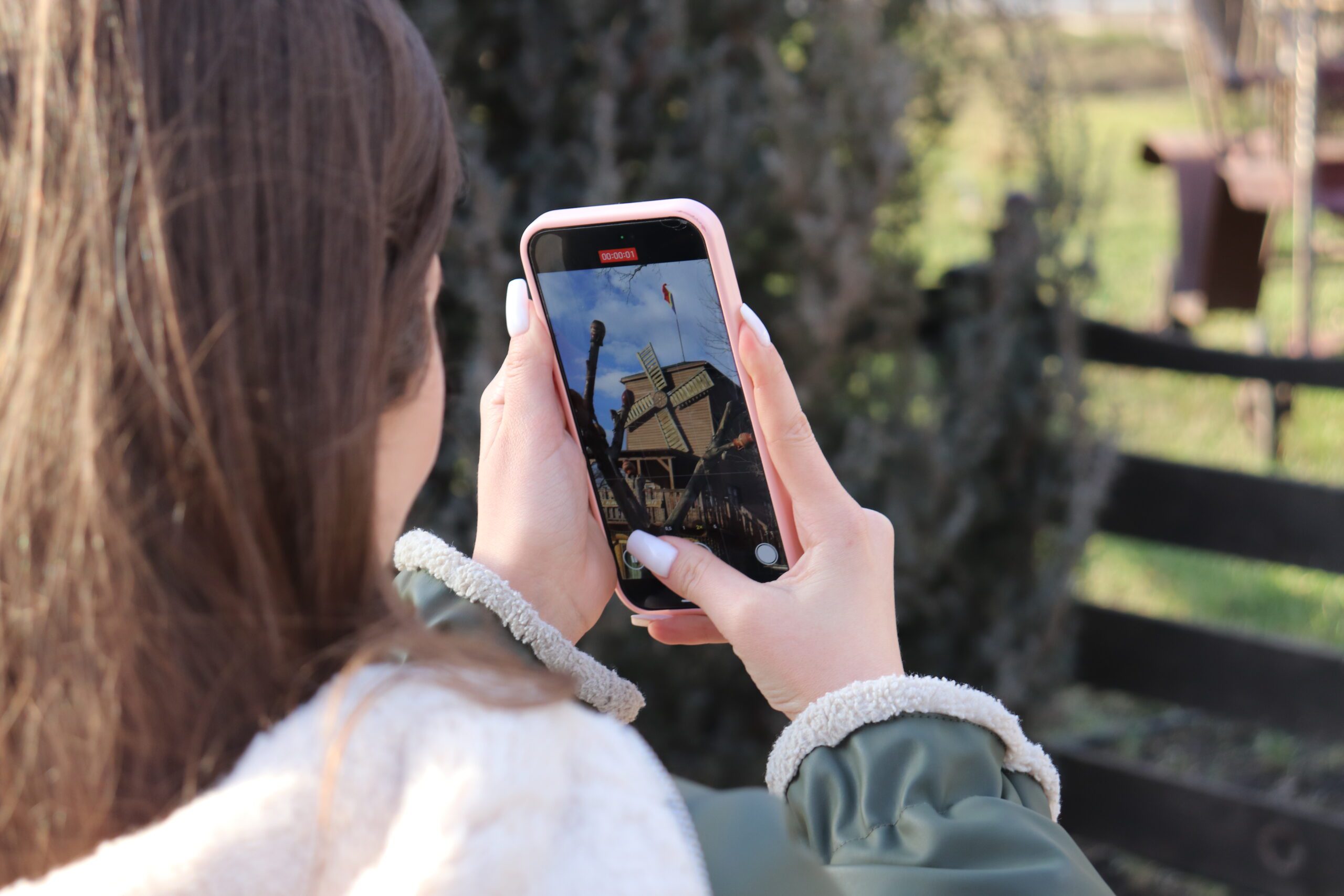
Together with experts, participants analyzed technical aspects of video production, such as on-camera presence, filming from different angles, attention to detail, and managing challenges in the field. They also developed scripts for their own video content.
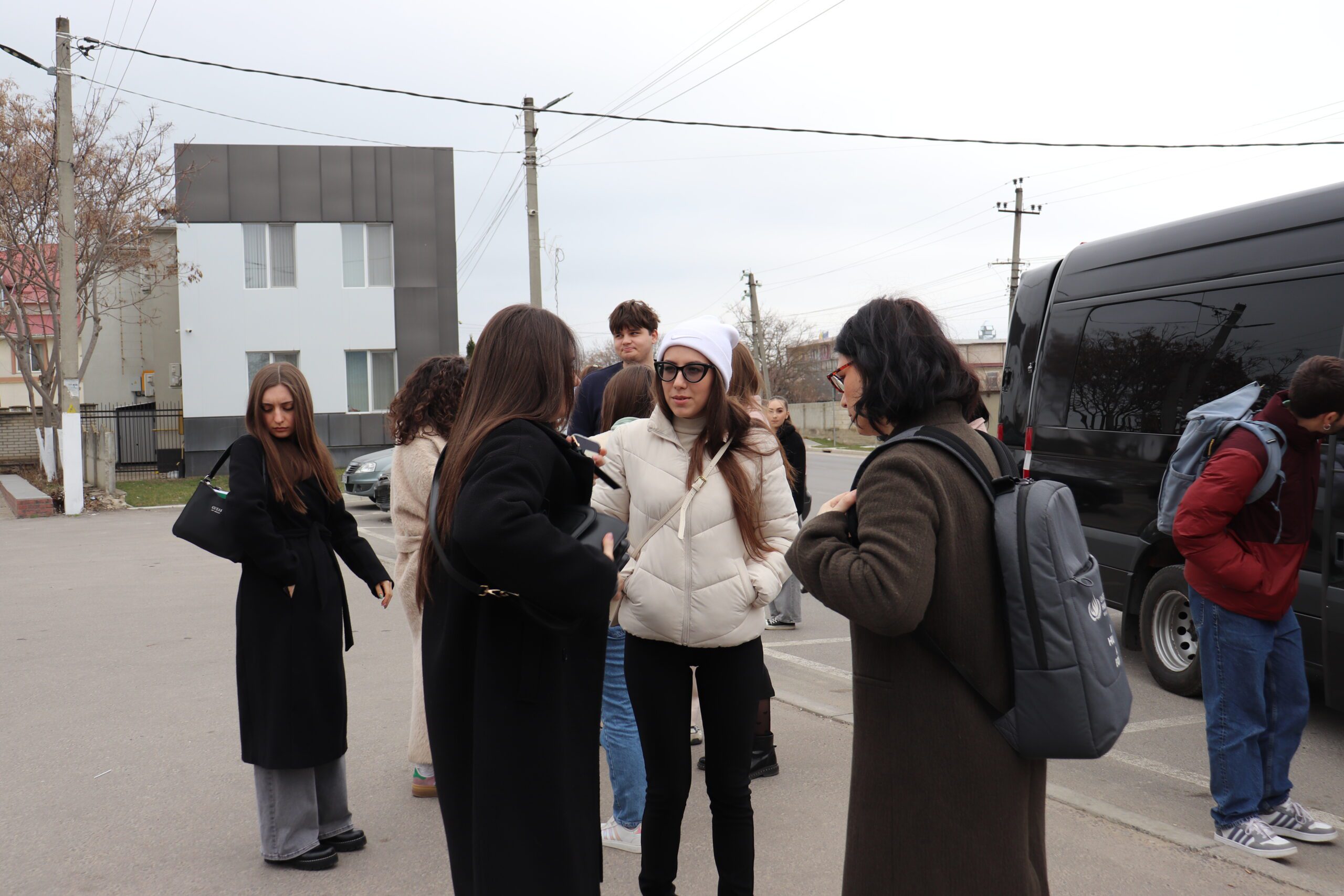
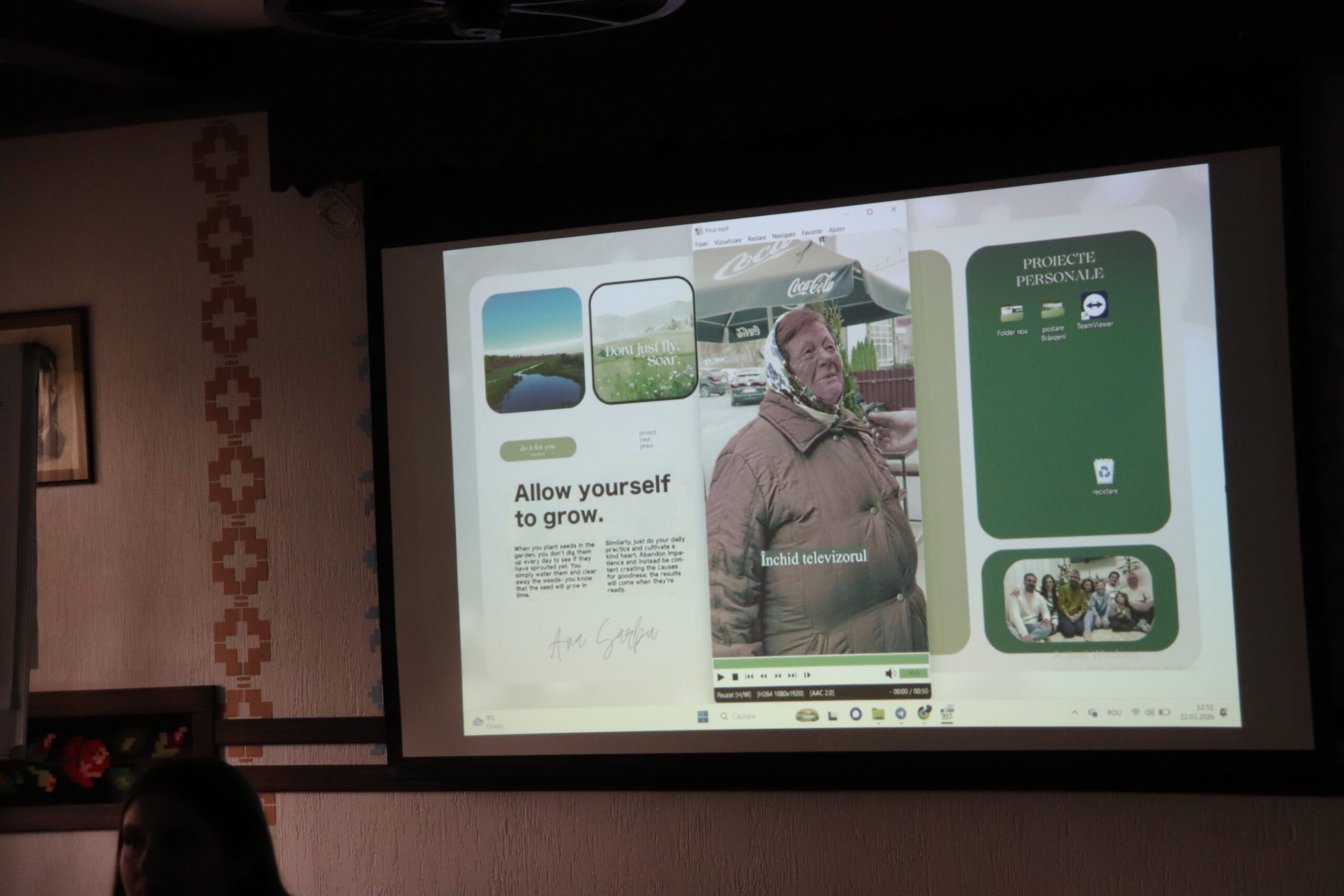
The program also offered them the opportunity to work in the field. The young people traveled to the village of Costești, where, guided by mentors, identified and filmed relevant topics, with a focus on media literacy.
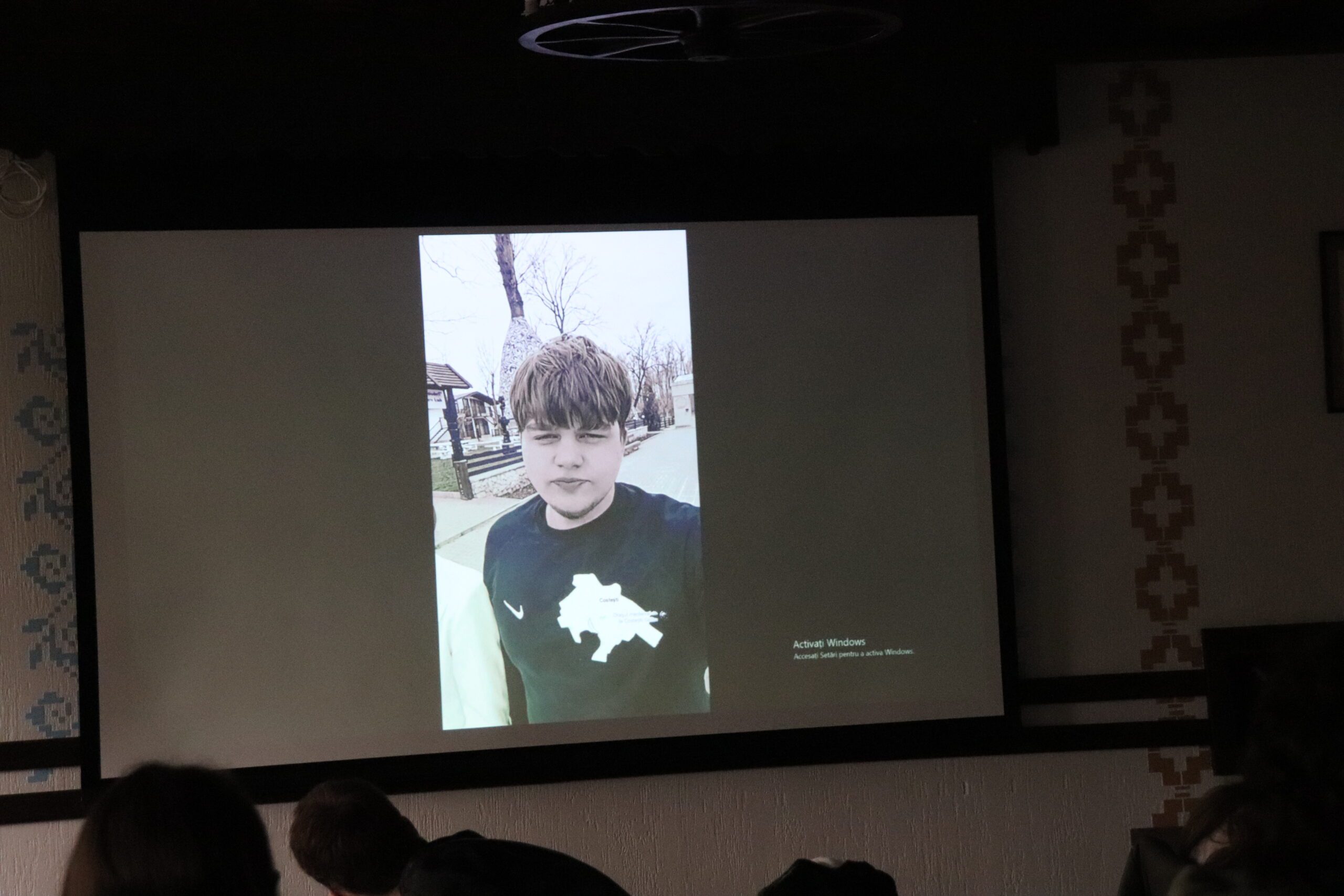
The materials produced during the training promote critical thinking and responsible consumption of information, illustrating the challenges related to access to information. The young people also explored the information sources used by the residents of Costești, how students develop critical thinking, and the challenges related to the use of artificial intelligence in art.
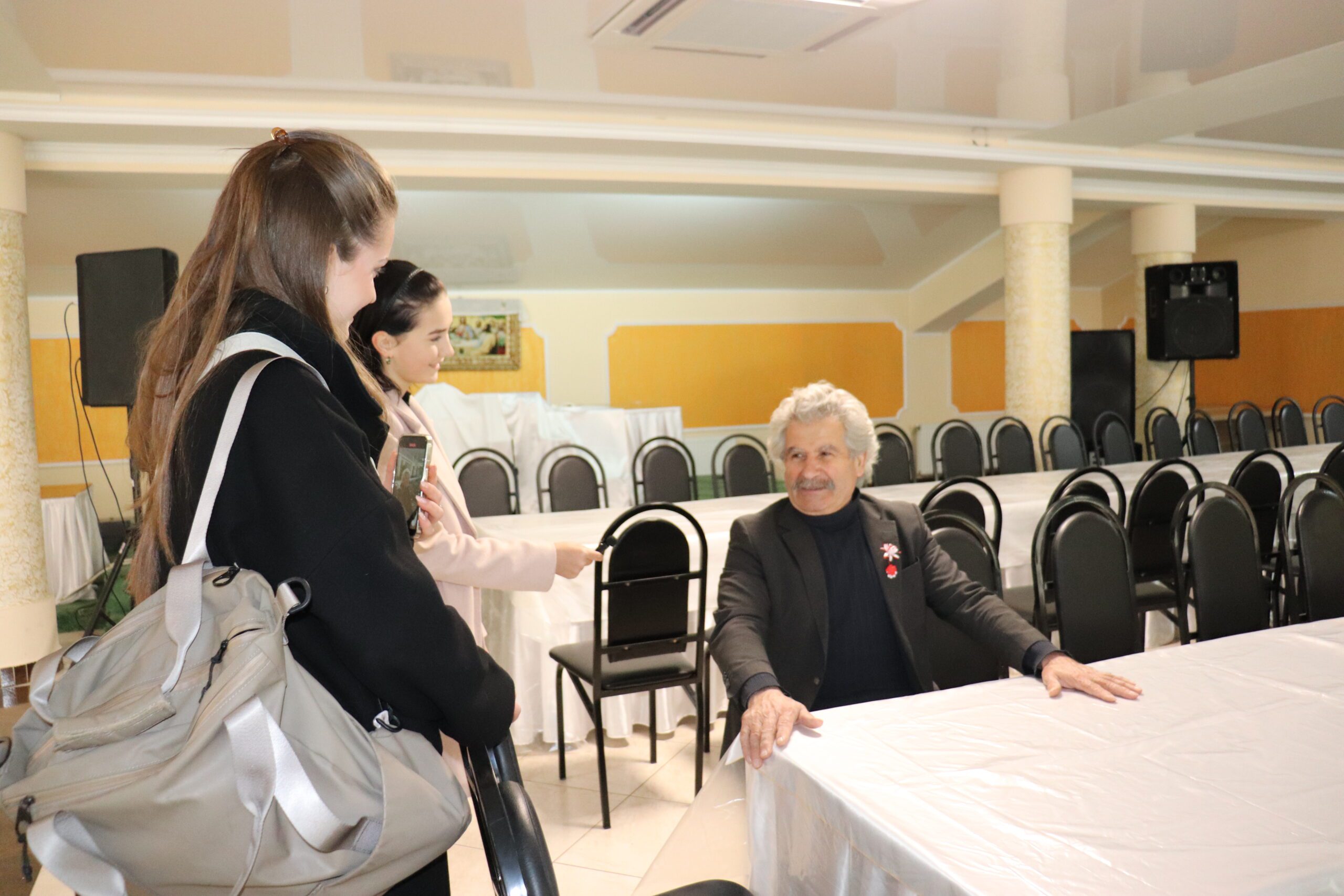
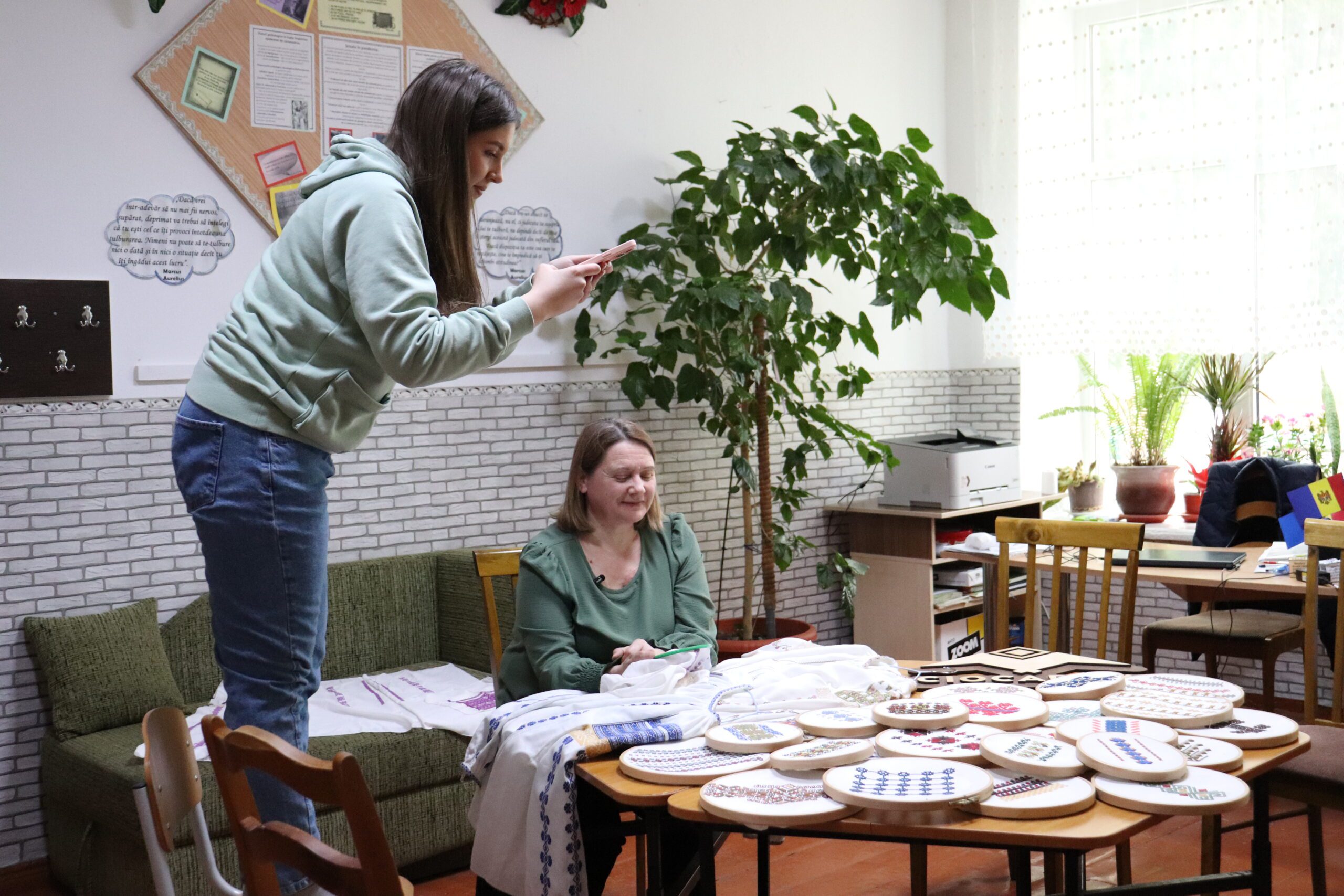
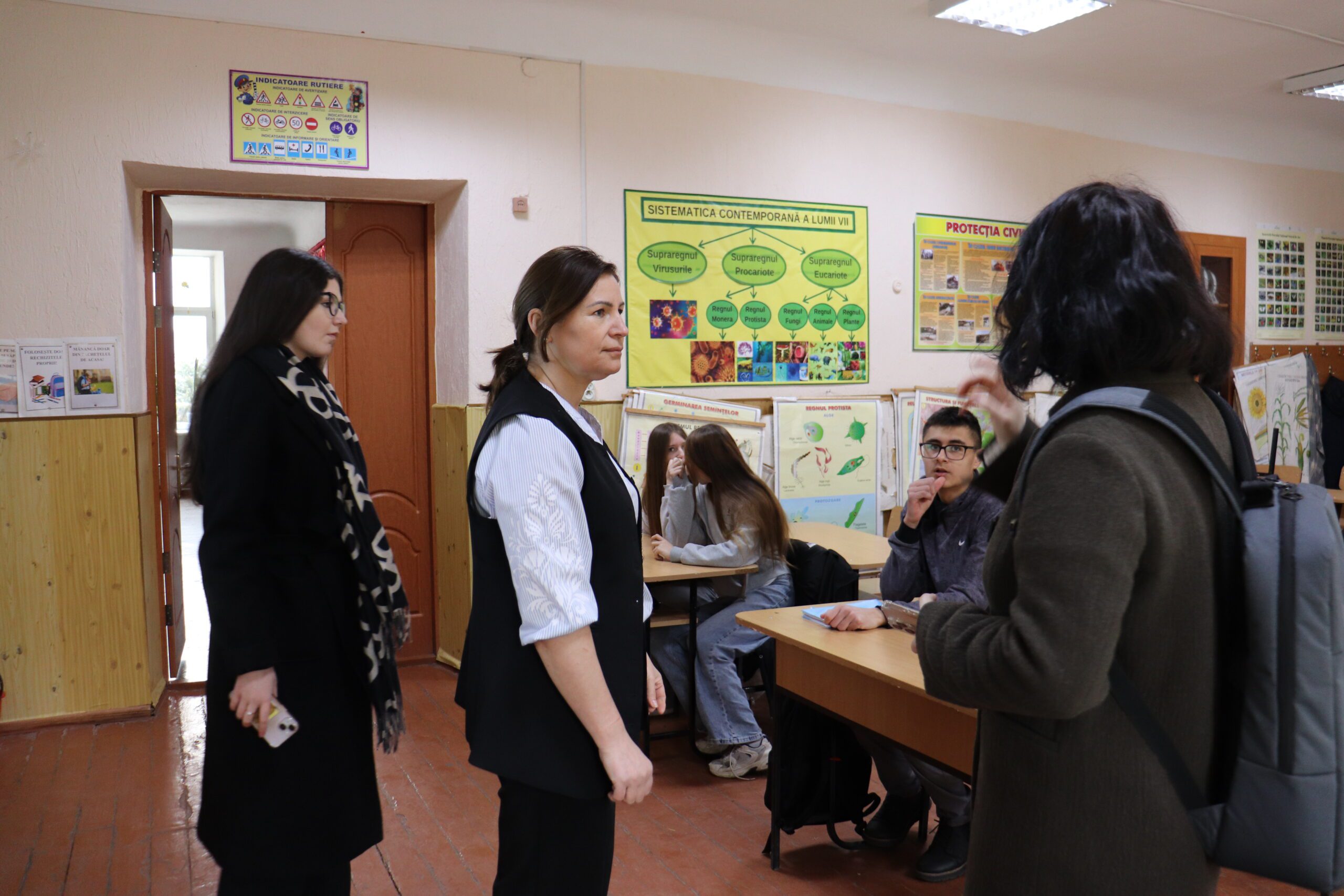
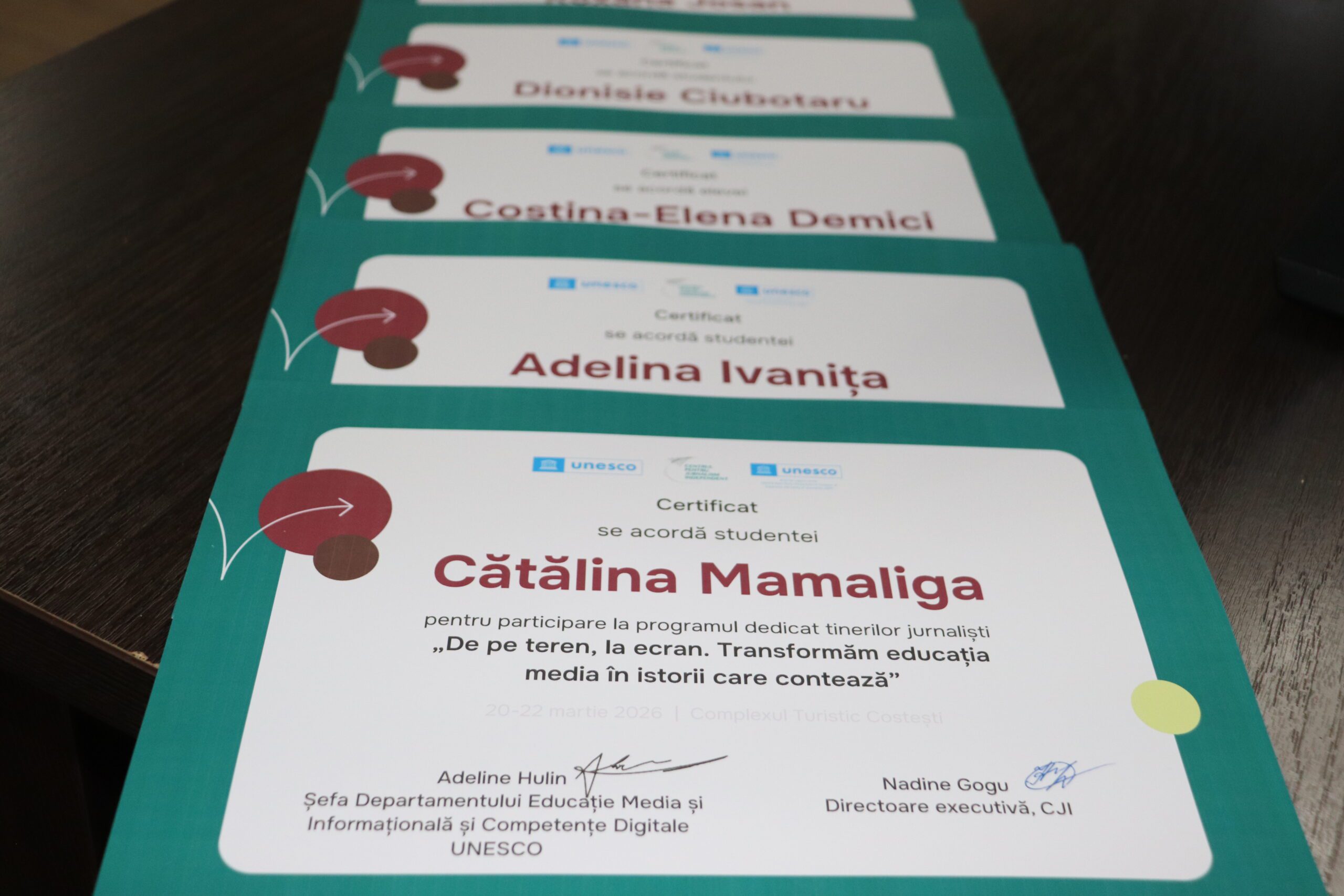
Participants appreciated the importance of such programs for developing the skills needed to create quality video content.
Elena-Gabriela Ştirbu, member of the Drochia Young Writers and Journalists Hub
I leave with the feeling that what I experienced here was not just a course, but an experience that changed me. I’ve come to understand how important media education is and how much power we, as young people, have to tell stories that matter. I feel more confident, more attentive to detail, and more motivated to use what I’ve learned to create something authentic. It was more than just information, it was inspiration.
Elena Calarașan, student, Video Journalism Program, School of Journalism in Moldova
I didn’t just participate in some random training just to “check it off the list”. Even though I already have a little experience in journalism, thanks to this training I picked up some video and audio editing tips. Enrique’s shared experience was also extremely useful, as he showed us how much journalism has changed and continues to change.
Adelina Ivanița, student, “Alecu Russo” State University of Bălți
I’m leaving home with my mind full of ideas and my heart still “From the Field to the Screen”. It was more than just an activity – it was a small universe where we learned to observe, listen, and tell real stories. We filmed moments, turned thoughts into words, and discovered just how much the people behind every frame matter. Discussions with people and the support of our mentors showed us that when you have the courage to ask questions and the desire to learn, things start to make sense. We leave not only with experience, but with the confidence that we can create, communicate, and make a difference even through small things.
Cătălina Mamaliga, student, Moldova State University, Faculty of Journalism and Communication Sciences
The training gave me the opportunity to develop my skills in creating video content for social media, including filming and editing. I also learned new aspects of media literacy. The training gave me the chance to meet professionals.
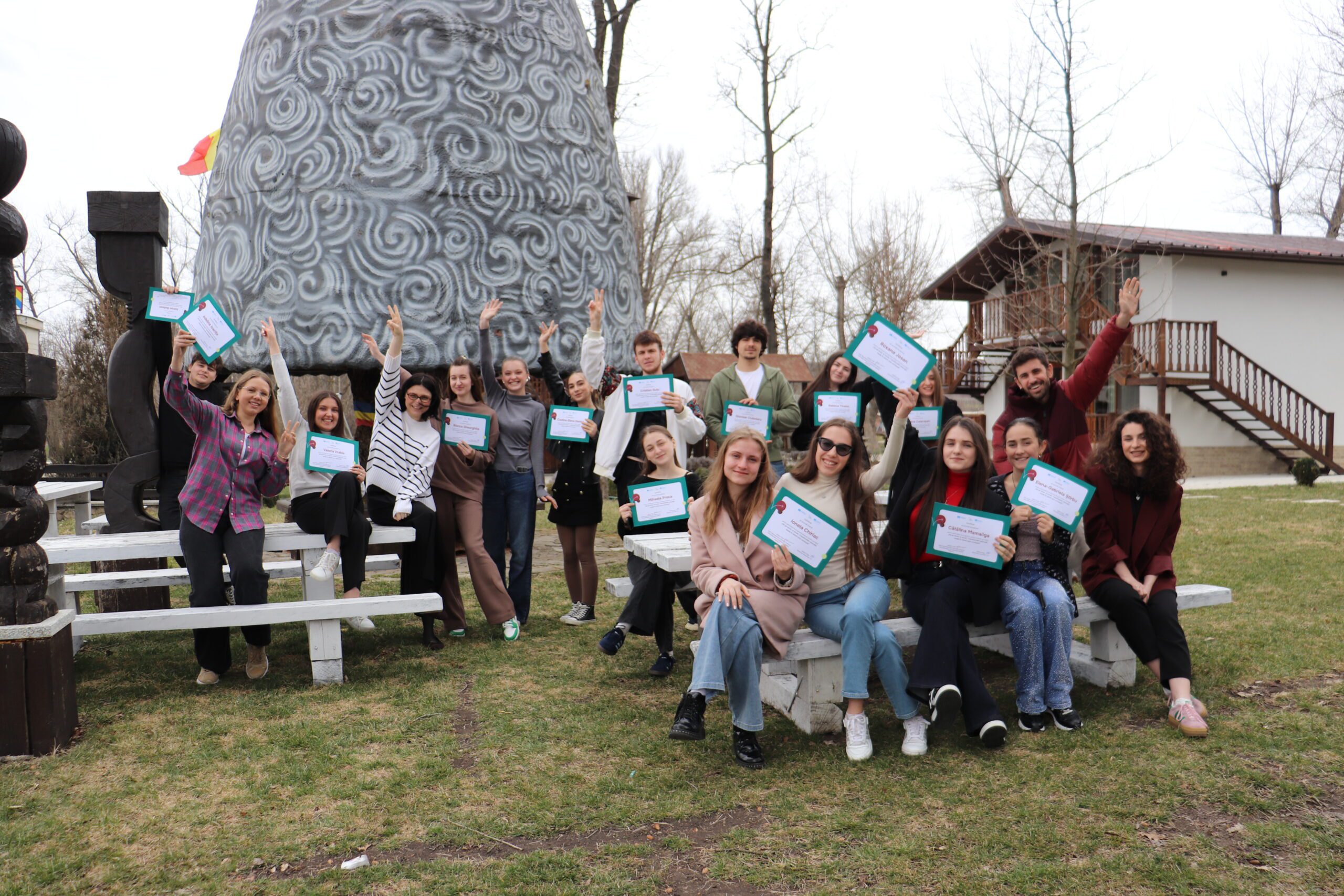
At the end of the program, participants received a stipend of 100 euros each.
The training program was organized by the IJC as part of the project “Emerging Influencers for Media and Information Literacy: Community-Based Storytelling ro Strenghthen Critical Thinking”, supported by UNESCO’s Multi-Donor Programme on Freedom of Expression and safety of Journalists.
