


Media Literacy and support for quality journalism: impact, inclusion, and innovation
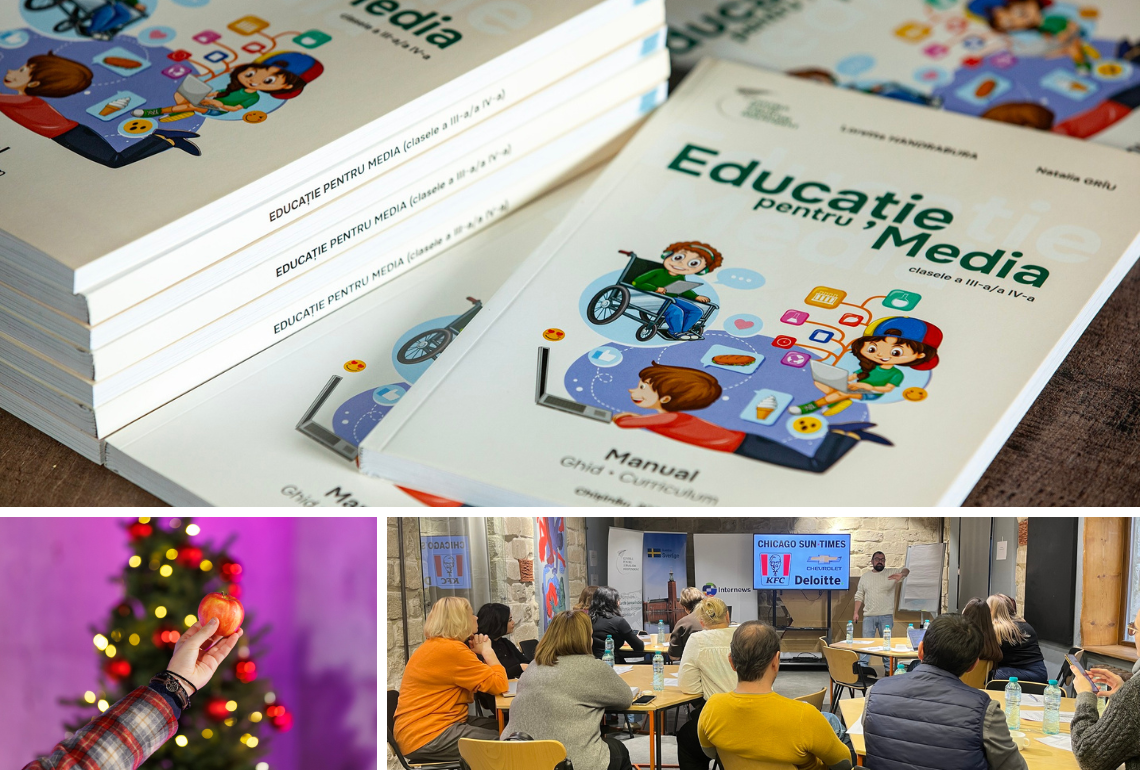
Up-to-date resources, training, digital solutions, and initiatives focused on inclusion – all are part of the activities carried out between February 2023 and May 2026 as part of the project “Media Literacy Advancement and Support to Moldovan Media”. These have contributed to the development of media literacy and the promotion of quality journalism.
Media literacy – updated, inclusive, and “in step with trends”
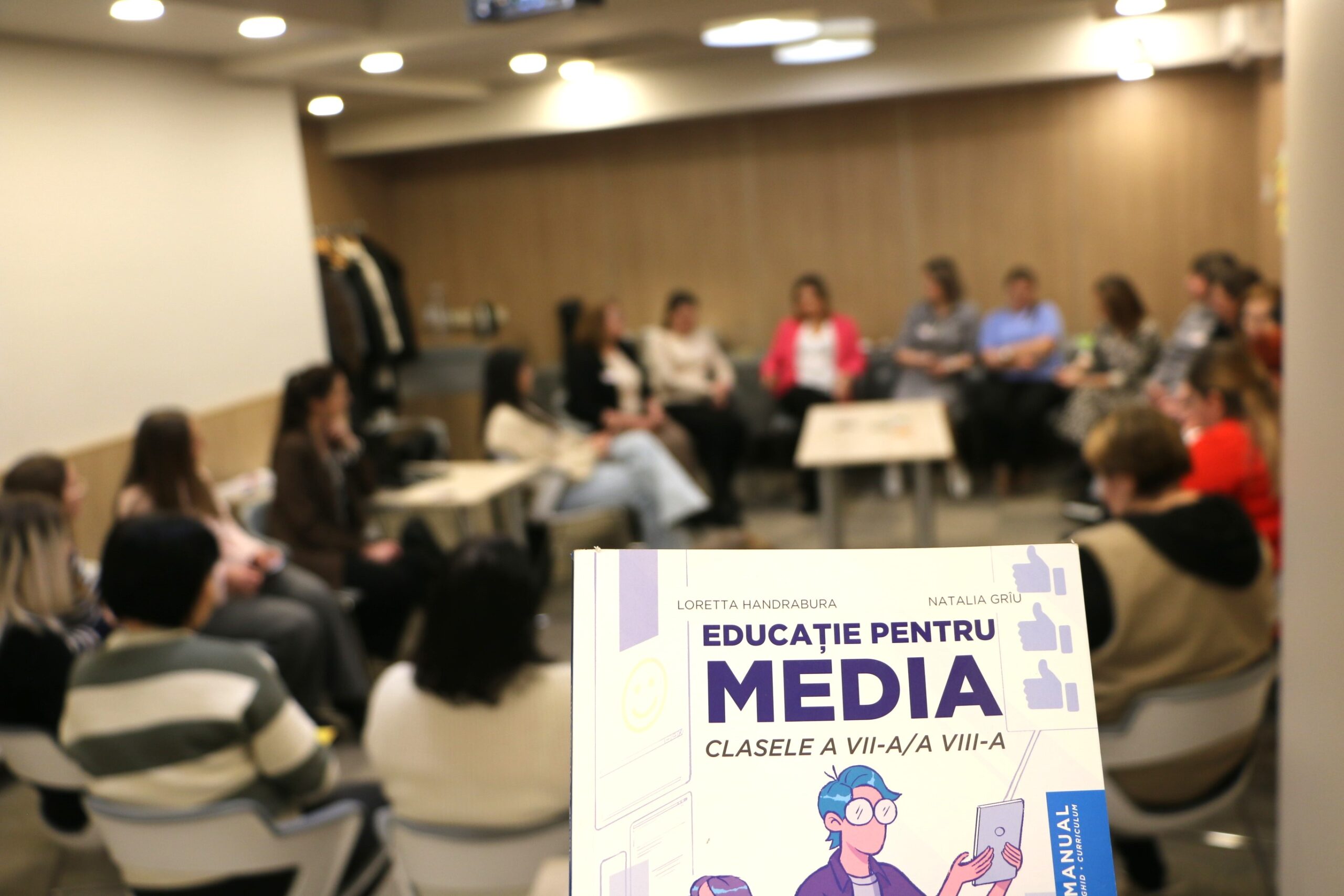
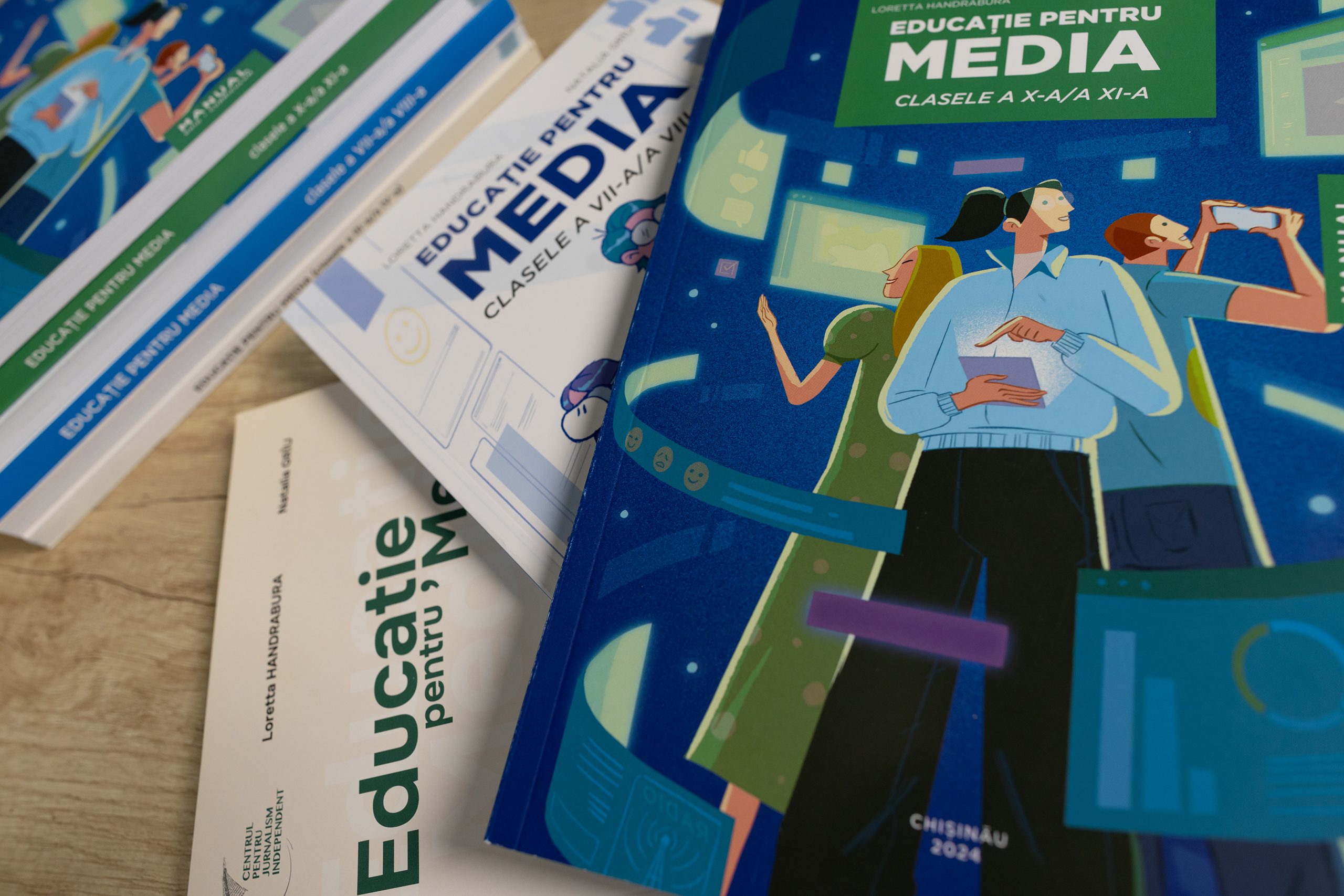
Over the past two years, the updated Media Literacy textbooks have been used by over 6,000 students in primary, secondary, and high school. The content of all textbooks has been revised and adapted to new trends in the field to meet current needs for information and the development of critical thinking.
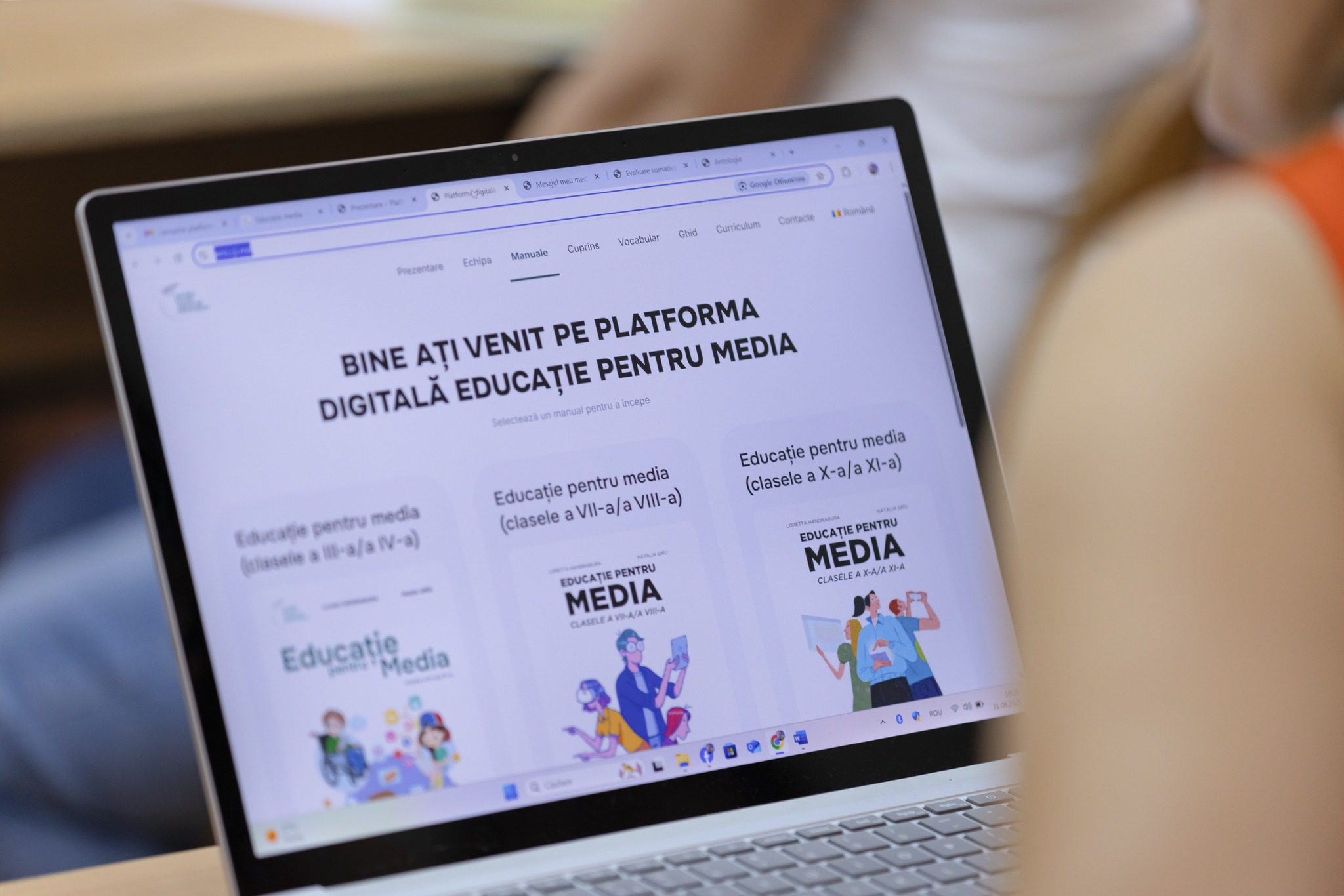
In 2025, the Media Education digital platform was launched, offering free access to digital versions of the textbooks in Romanian and Russian for all levels of education. The platform is used by both students and teachers, facilitating the learning process through greater interactivity and accessibility.
The inclusion component was strengthened by reprinting the Media Education textbooks in Braille, in Romanian and Russian, for students with visual impairments, as well as by launching 15 video lessons adapted for students with hearing impairments, interpreted in sign language and available online for all school levels. These resources break down communication barriers and promote every student’s right to equal access to quality knowledge.
At the same time, 126 teachers developed their media literacy skills through seven training programs held between 2023 and 2026. Of these, 42 teachers taught the subject to approximately 1,400 students.
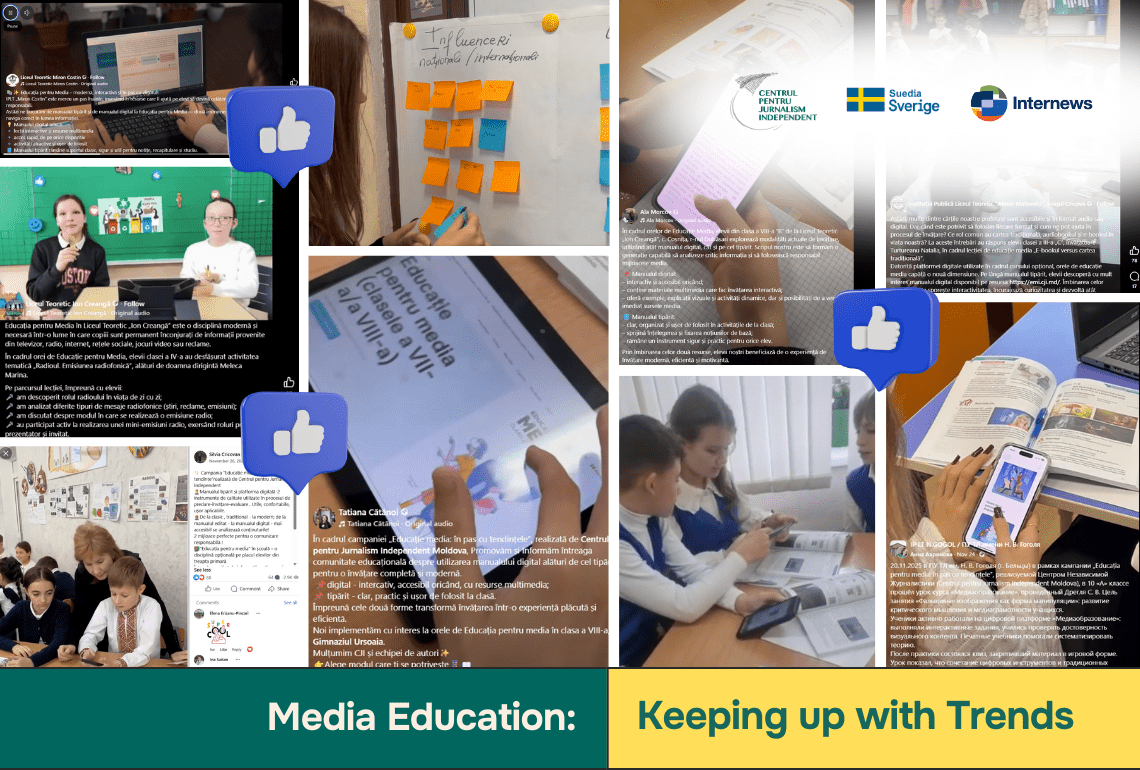
The campaign “Media Education: Keeping up with the Trends” generated over 22,000 views of videos and posts dedicated to the use of updated and digitized Media Education textbooks in the educational process. Through videos and posts created by teachers who teach the optional Media Education course at the primary, secondary and high school levels, the campaign demonstrated how both the print and digital textbooks can be effectively integrated to make the learning process more interactive and better aligned with current informational realities.
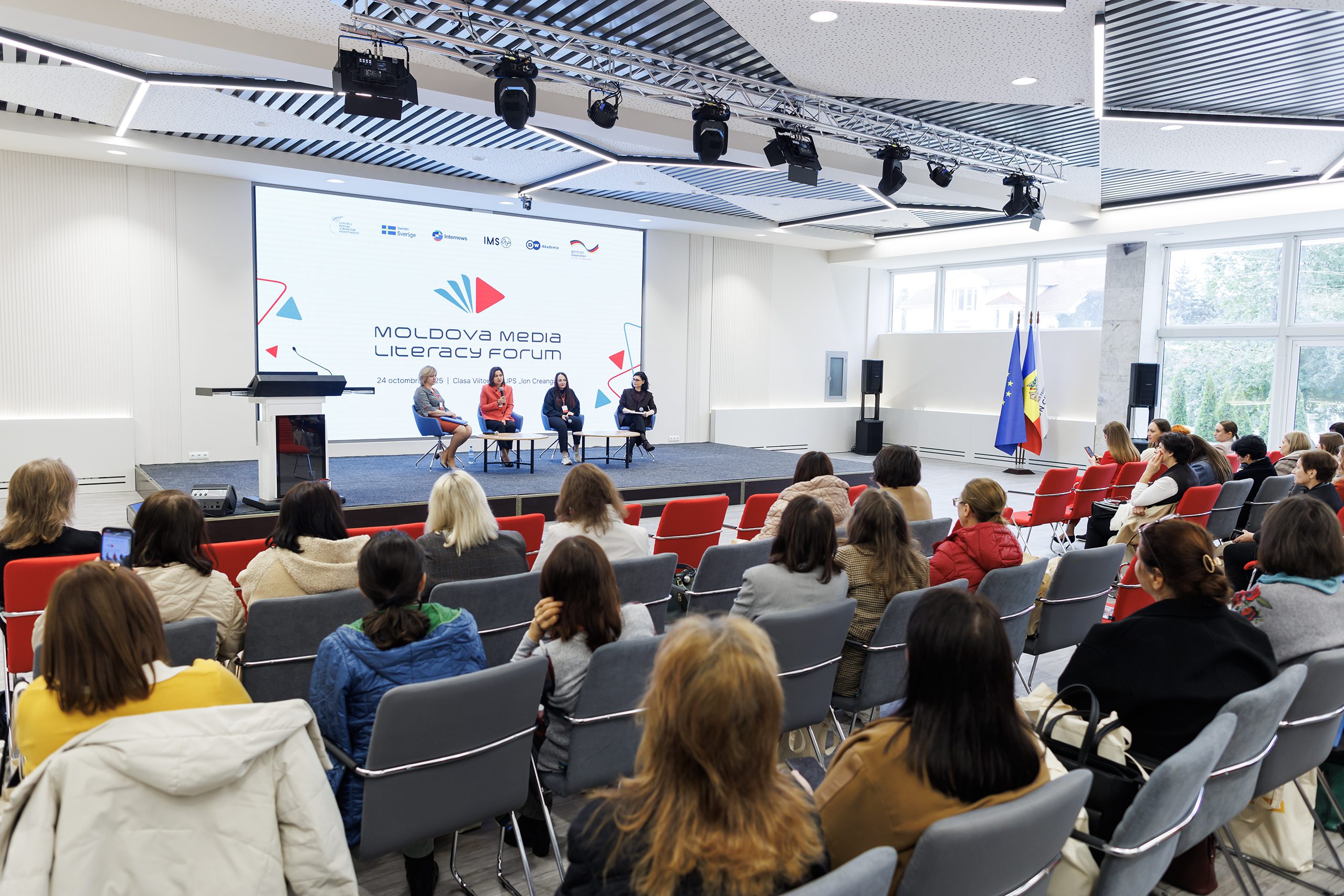
In addition, the third edition of the Media Education Forum – Moldova Media Literacy Forum – brought together approximately 100 teachers, librarians, representatives of public authorities, and media experts from the Republic of Moldova, Romania, and Estonia, providing a platform for dialogue and the exchange of best practices. Participants discussed combating disinformation, the use of artificial intelligence-based tools, and media education policies, with the forum contributing to strengthening collaboration in the field.

Quality Journalism – we supported excellence
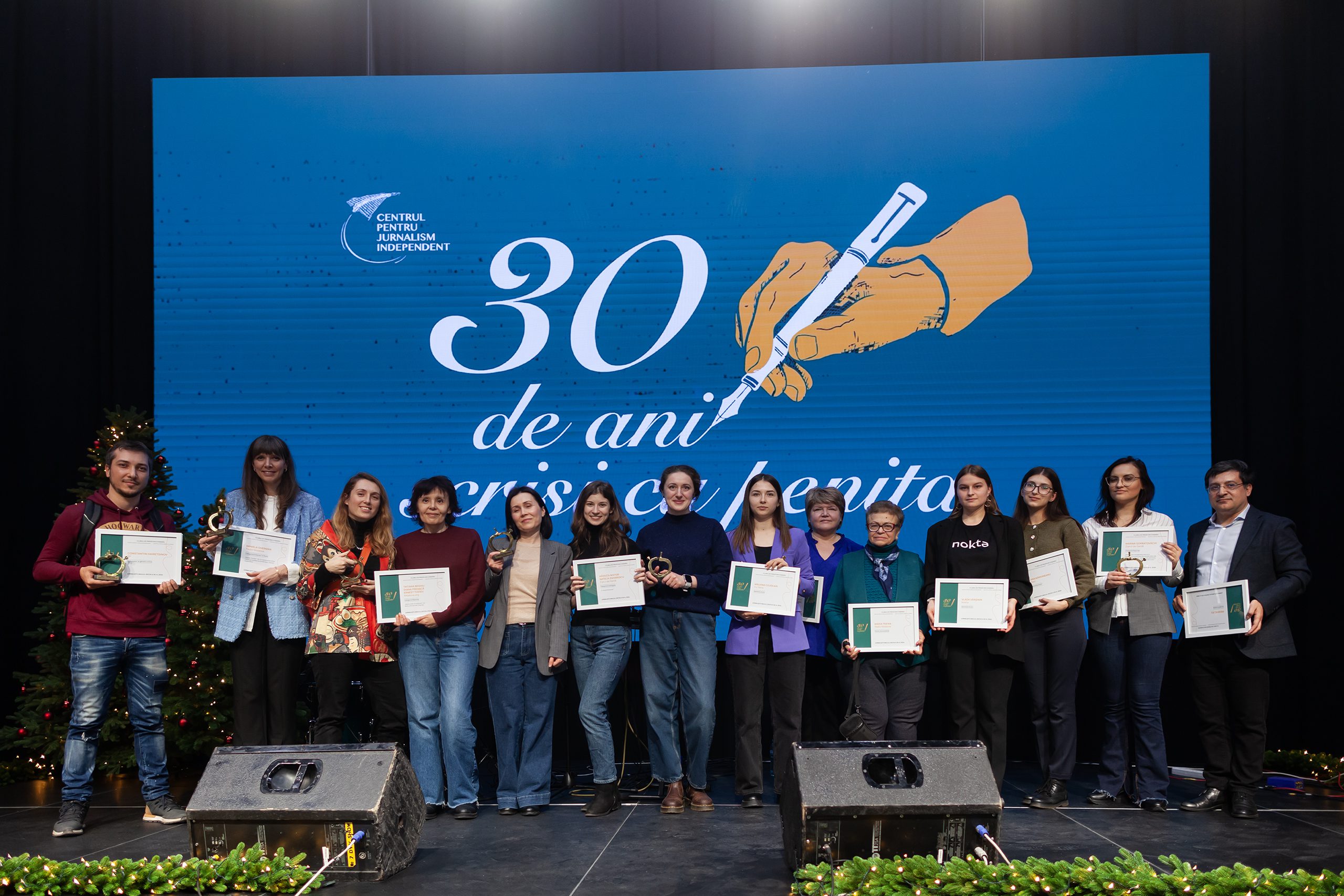
In support of quality journalism, the IJC organized two editions of the Press Club’s “Journalists of the Year” Gala (2024 and 2025), during which 15 awards were presented across five categories and nine special awards, recognizing excellence, resilience, and innovation in the media of the Republic of Moldova.
The media sector in the Republic of Moldova also benefited from one of the most comprehensive media market research initiatives, which included a representative national survey on audiences, an assessment of the needs of media institutions, and an in-depth analysis of the market. The results provided media organizations, authorities, and development partners with relevant data on sustainability challenges, digital transformation, and media consumption trends.
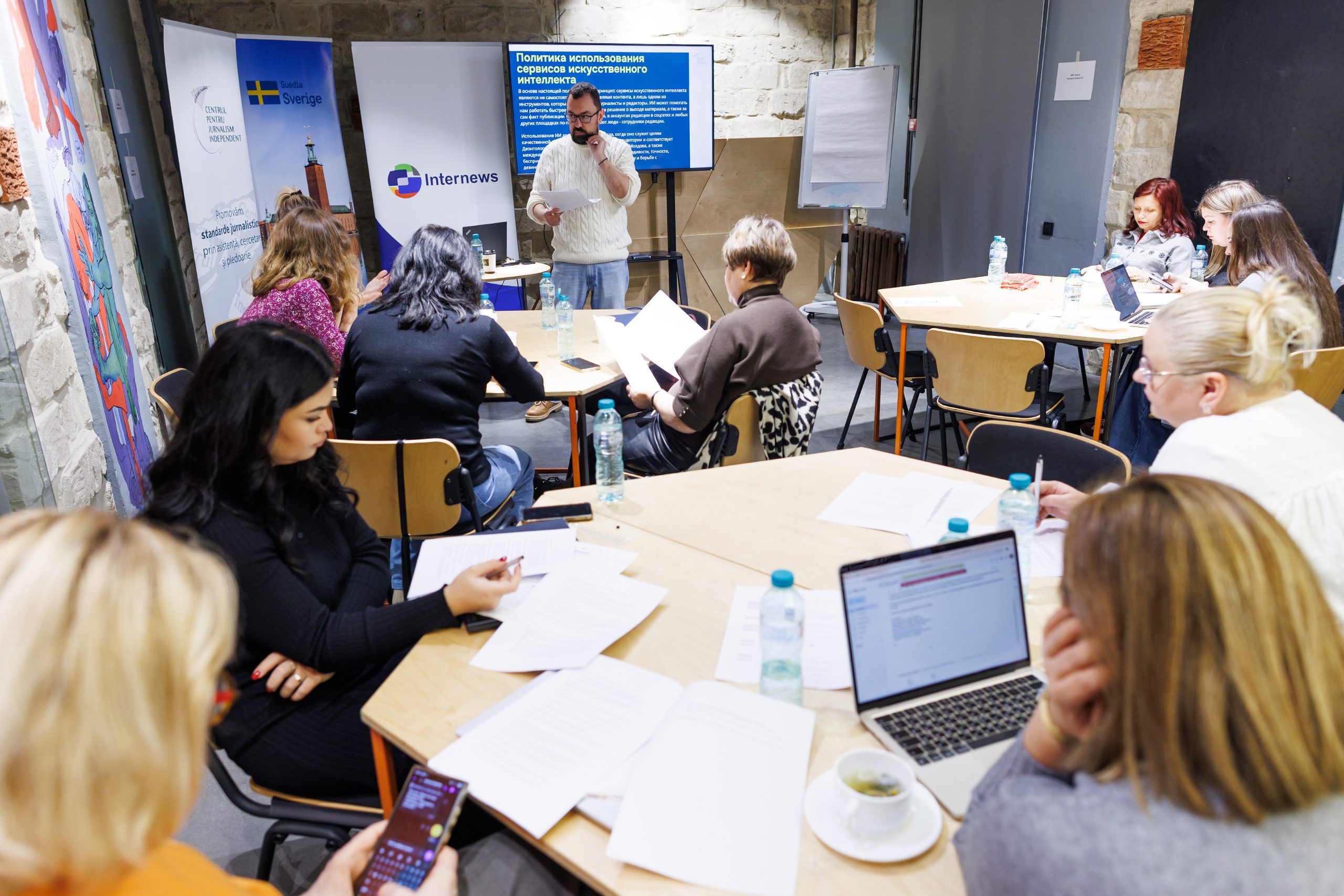
In light of the increasingly frequent use of artificial intelligence in newsrooms and the lack of internal regulations in this area, as identified by a study conducted by the IJC, the organization developed and distributed a model ethics policy on the responsible use of artificial intelligence. The initiative helped increase the awareness and preparedness of journalists and media managers regarding the transparent, ethical, and responsible integration of AI tools into editorial processes.
Additionally, five monitoring reports were published on disinformation narratives distributed on YouTube. Using AI-assisted analysis tools, the monitoring identified manipulative narratives as well as thousands of comments that violated the platform’s policies. The reports contributed to a better understanding of how disinformation spreads in the digital environment.
Three independent media organizations – Zona de Securitate, Oameni și Kilometri, and Studio-L – received grants to implement fellowship programs in newsrooms, providing direct support for the professional development of four young journalists and journalism students.
Dozens of legal consultations and cases of strategic legal support were provided to journalists and media organizations to strengthen protection against defamation claims, restrictions on access to information, and online harassment. This support helps defend editorial independence and journalists’ right to protection and access to information.
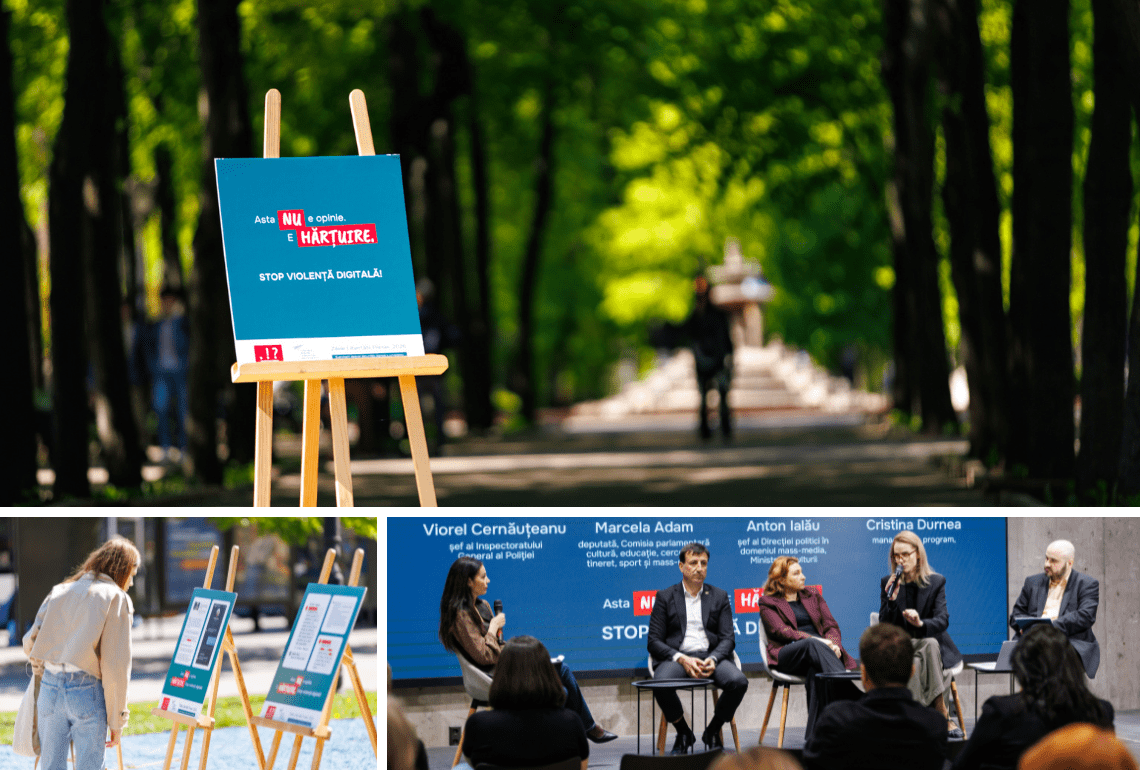
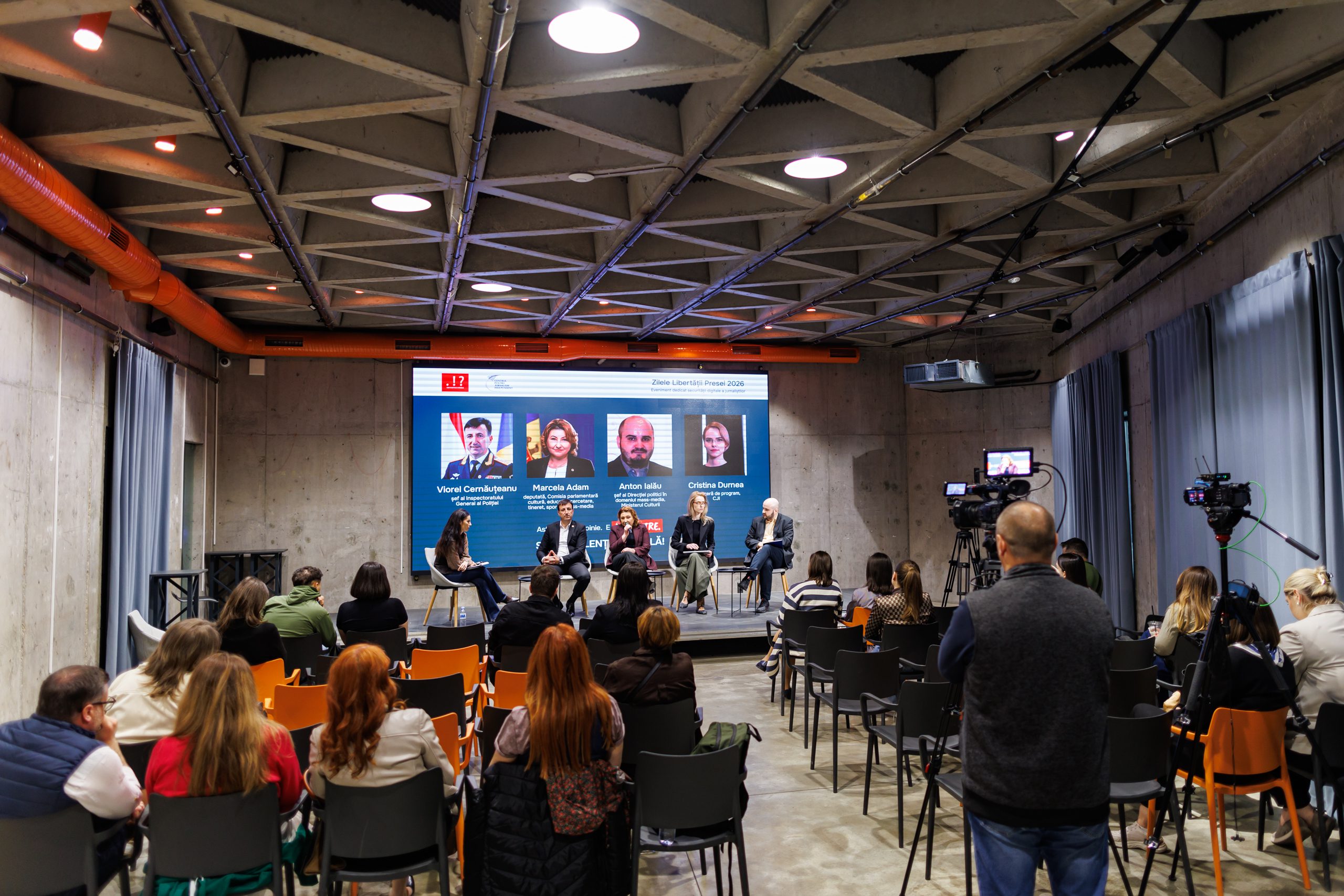
Press Freedom Days 2026 were dedicated to the issue of online harassment and digital violence against journalists. The events brought together representatives of the media, civil society, and public authorities to draw attention to the impact and scale of the phenomenon. The program included a public event in Europe Square within the “Ștefan cel Mare” Public Garden, held under the slogan “This is not an opinion. It’s harassment. Stop digital violence!”, as well as a public debate on institutional mechanisms to protect journalists exposed to online threats. The initiative also included the distribution of vests with inscriptions for journalists, intended to increase their safety in the field.


All materials produced as part of the project are available on the social media accounts managed by the IJC: Facebook, Instagram, TikTok, YouTube, LinkedIn.
These activities are part of the project supported by Sweden “Media Literacy Advancement and Support to Moldovan Media” and implemented by Internews, which aims to contribute towards the growth of a diverse, independent and financially viable media landscape in Moldova, and to empower Moldovan youth to navigate their complex information environment.
