


Media literacy and responsible journalism: tools for strengthening social cohesion in the Republic of Moldova

Journalistic content explaining and promoting social cohesion, civil society representatives working in the field of human rights equipped with media literacy skills, and educational video materials demonstrating how media literacy and critical thinking contribute to building a more cohesive society are among the key achievements of the project “Fostering social cohesion and trust through media literacy and inclusive media content” implemented by the Independent Journalism Center (IJC) with the support of Switzerland.
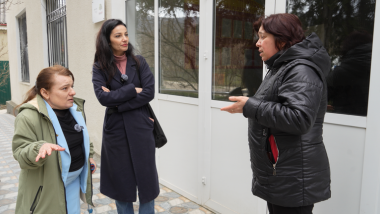
One of the project’s core components focused on strengthening cooperation between media organizations and civil society organizations working in the field of human rights while supporting the production of high-quality journalistic content. Through this initiative, three media outlets received financial and editorial support to produce stories highlighting social cohesion, the inclusion of underrepresented and marginalized groups, the realities faced by women and girls from vulnerable communities, and the experiences of young people with hearing impairments living in northern Moldova.
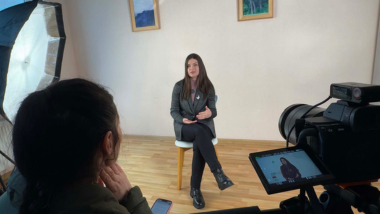
The media project Fără Filtre produced a documentary interview series entitled ”DEinspiratELE” showcasing the stories of women who overcame difficult circumstances, rebuilt their lives, or became active contributors to their communities.
“DEinspiratELE once again demonstrated how important it is to tell people’s stories with empathy, responsibility, and respect for their dignity. For many women, these stories can help reduce feelings of isolation and strengthen confidence that change is possible. At the same time, the videos and articles contribute to a better understanding of concepts such as inclusion, solidarity, and social resilience,” said Veronica Gherbovețchii, journalist at Fără Filtre. As part of this initiative, the Fără Filtre team partnered with the Women’s Law Center.
TV Nord, in partnership with the AudiViz organization, produced explanatory videos, thematic programmes, and storytelling pieces focusing on the educational journeys, integration challenges, relationships with families and communities, as well as the aspirations and personal goals of young people with hearing impairments. The TV Nord team documented these stories directly in the field, visiting communities in the Soroca and Sîngerei districts.
Meanwhile, the Human Rights Embassy NGO and the NewsMaker media outlet, also beneficiaries of the program, produced in-depth journalistic content explaining key concepts such as social inclusion, non-discrimination, and the role every individual can play in building a more cohesive and equitable society through practical examples and accessible storytelling.
Overall, the initiative resulted in the production of more than 40 journalistic materials in a variety of formats. More information is available here.
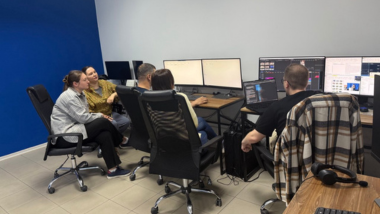
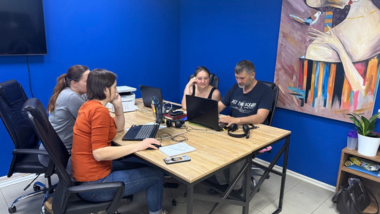
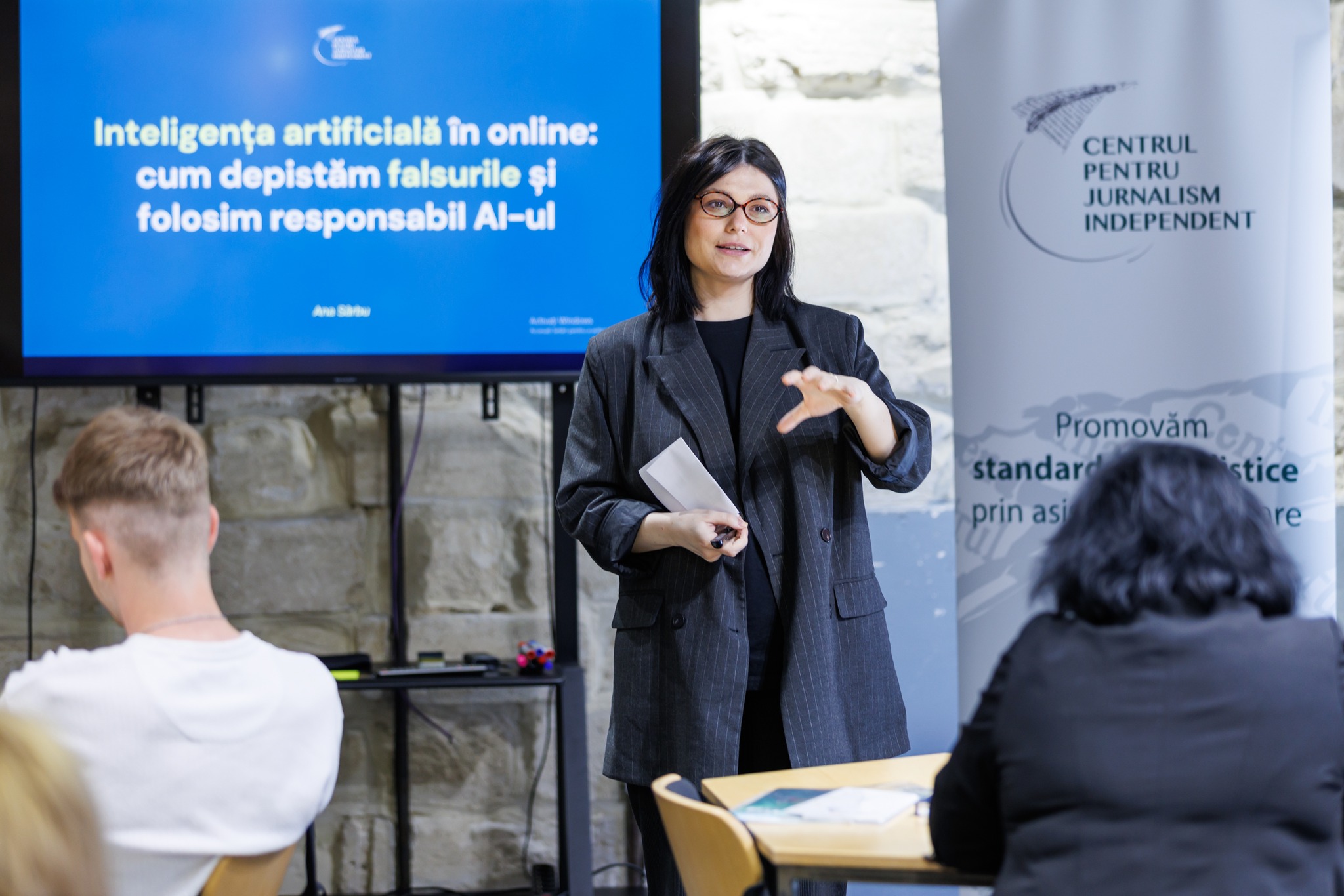
Another important component of the project focused on strengthening the media literacy capacities of civil society organizations. In February, the IJC organized a comprehensive training programme attended by 25 representatives of civil society organizations working in different sectors. The participants acquired practical media literacy skills that enabled them to promote media literacy within their own communities.
Following the training, they organized more than 60 educational activities in over 30 localities across the Republic of Moldova, reaching nearly 1,500 beneficiaries. More information is available here.
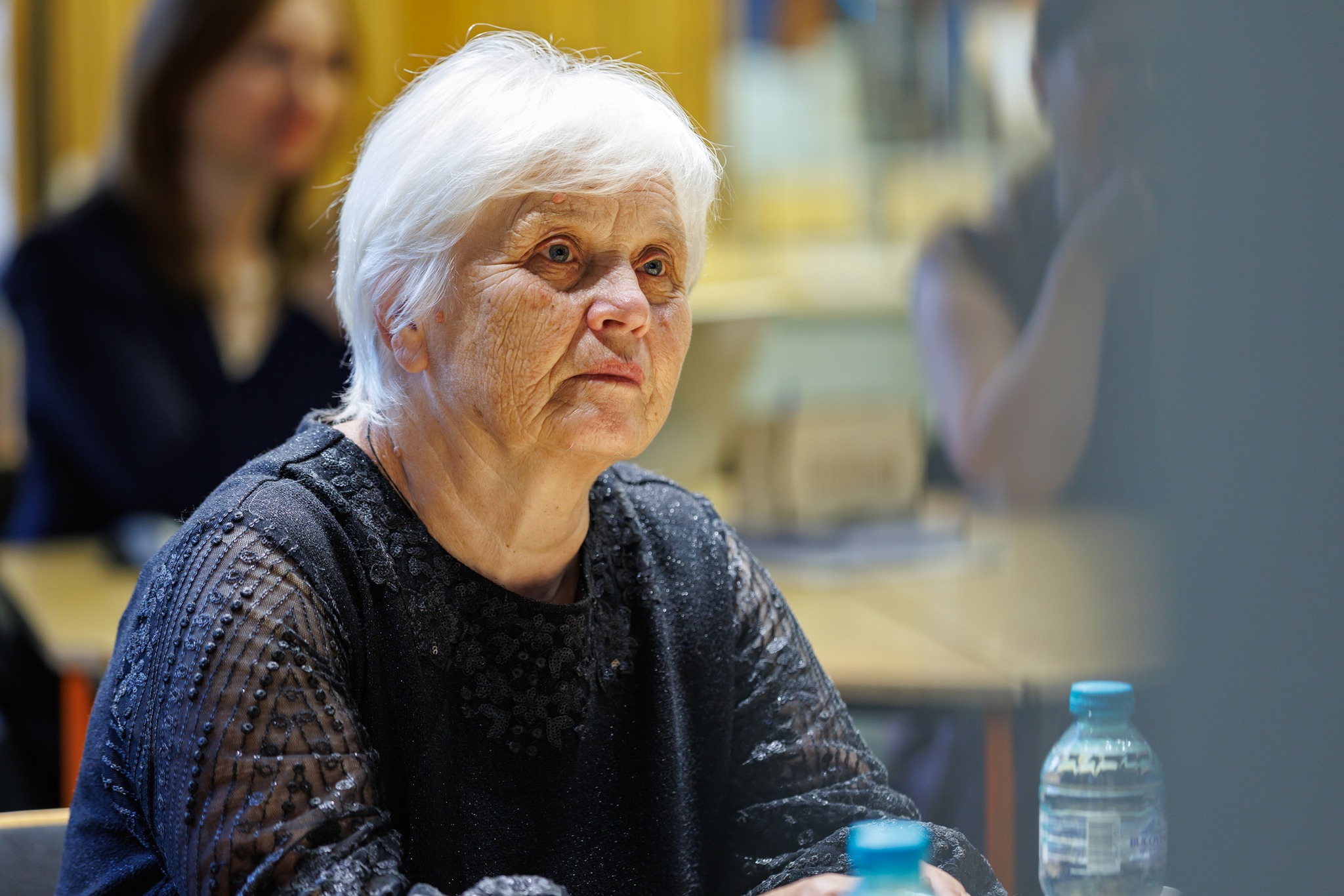
Galina Spătaru, President of the Network of Active Seniors of Moldova from Viișoara village, Edineț district, and one of the programme participants, emphasized the importance of media literacy for older adults.
”We live in a digital era in which each of us navigates an overwhelming amount of information. Sometimes it is difficult to distinguish truth from manipulation and to find the right arguments to convince those around us. It is even more challenging for older people, many of whom still believe that everything they hear on the radio or see on television is true,” she explained.


As part of the project, the IJC also produced and disseminated a series of explanatory videos through its Mediacritica platform. Presented in an accessible format, the videos explained the concept of social inclusion and demonstrated its connection to critical thinking and media literacy.
The series highlighted that media literacy and critical thinking are essential skills that help people evaluate information critically and avoid reducing individuals to labels and stereotypes. Through these materials, the IJC sought to demonstrate that media literacy is not only about understanding media content or journalistic techniques but also about developing critical thinking that can strengthen social cohesion and foster a more harmonious society. The IJC also produced two episodes of its cuMINTE podcast dedicated to this topic, available on the organization’s online platforms.
“The activities implemented through this project reflect two of the Independent Journalism Center’s strategic priorities: supporting independent media and promoting media literacy. At a time when social cohesion is increasingly part of public conversation, we wanted to explain what this concept means and demonstrate how responsible journalism and media literacy can contribute to building a more united and resilient society. The results achieved and the positive feedback received from beneficiaries confirm that the project responded to genuine needs and that professional journalism and media literacy are powerful tools for strengthening social cohesion in the Republic of Moldova,” said Nadine Gogu, Executive Director of the Independent Journalism Center.
The project “Fostering social cohesion and trust through media literacy and inclusive media content” was implemented by the IJC from October 2025 to June 32026, with the support of Switzerland.
