


The Interministerial Plan on Media and Information Literacy Is in Its Final Stage: Progress and Challenges in Implementation
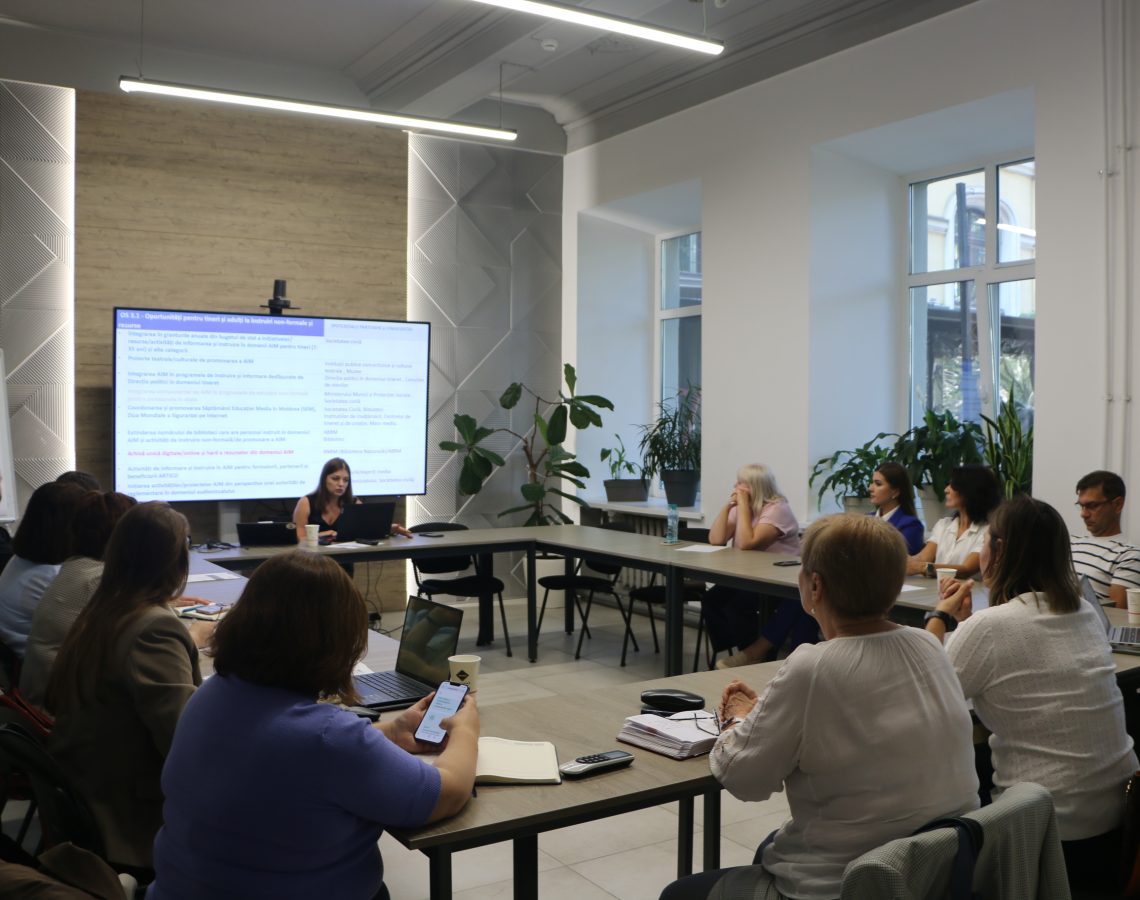
The integration of Media and Information Literacy (MIL) into education and other areas of public intervention has made progress over the past year. At the same time, coordination among the institutions involved, administrative capacity, and the financial sustainability of the initiatives remain significant challenges. These are some of the conclusions of the second monitoring report on the implementation of the Interministerial Plan on Information and Media Literacy, released by the Independent Journalism Center (IJC).
The report analyzes the progress made in implementing the actions outlined in the Plan and offers recommendations for strengthening public policies in the field of MIL following the conclusion of the document’s implementation period.
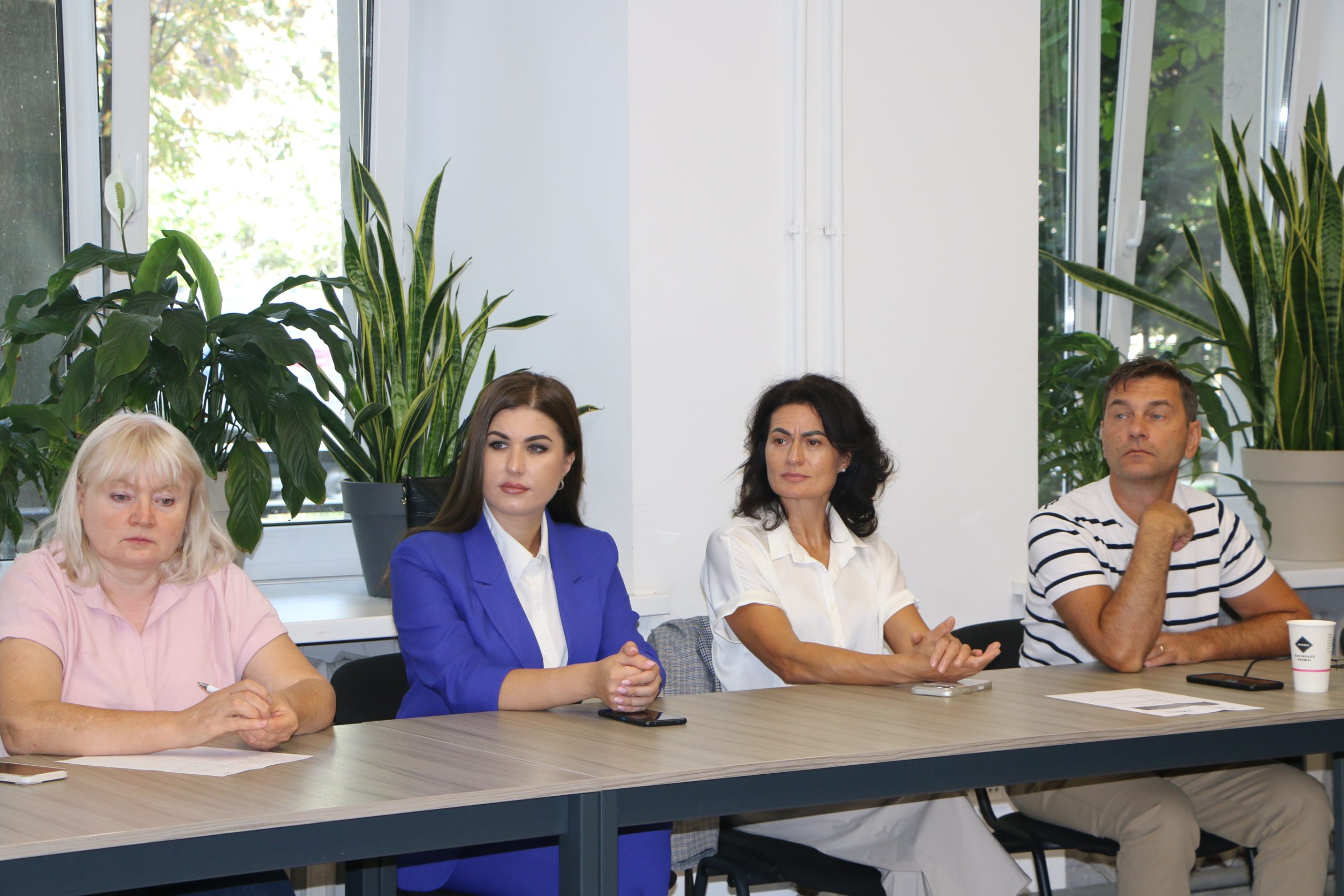
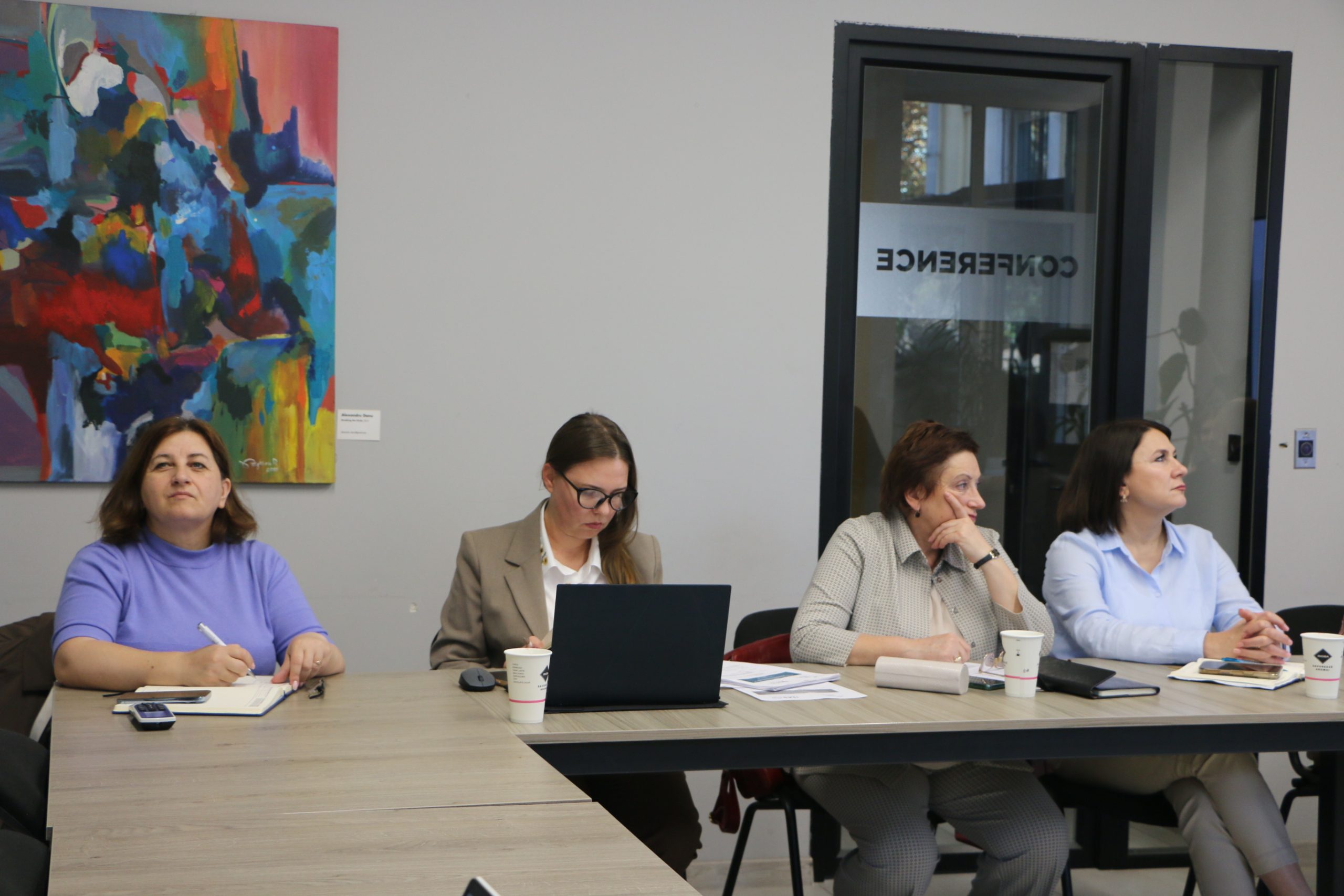
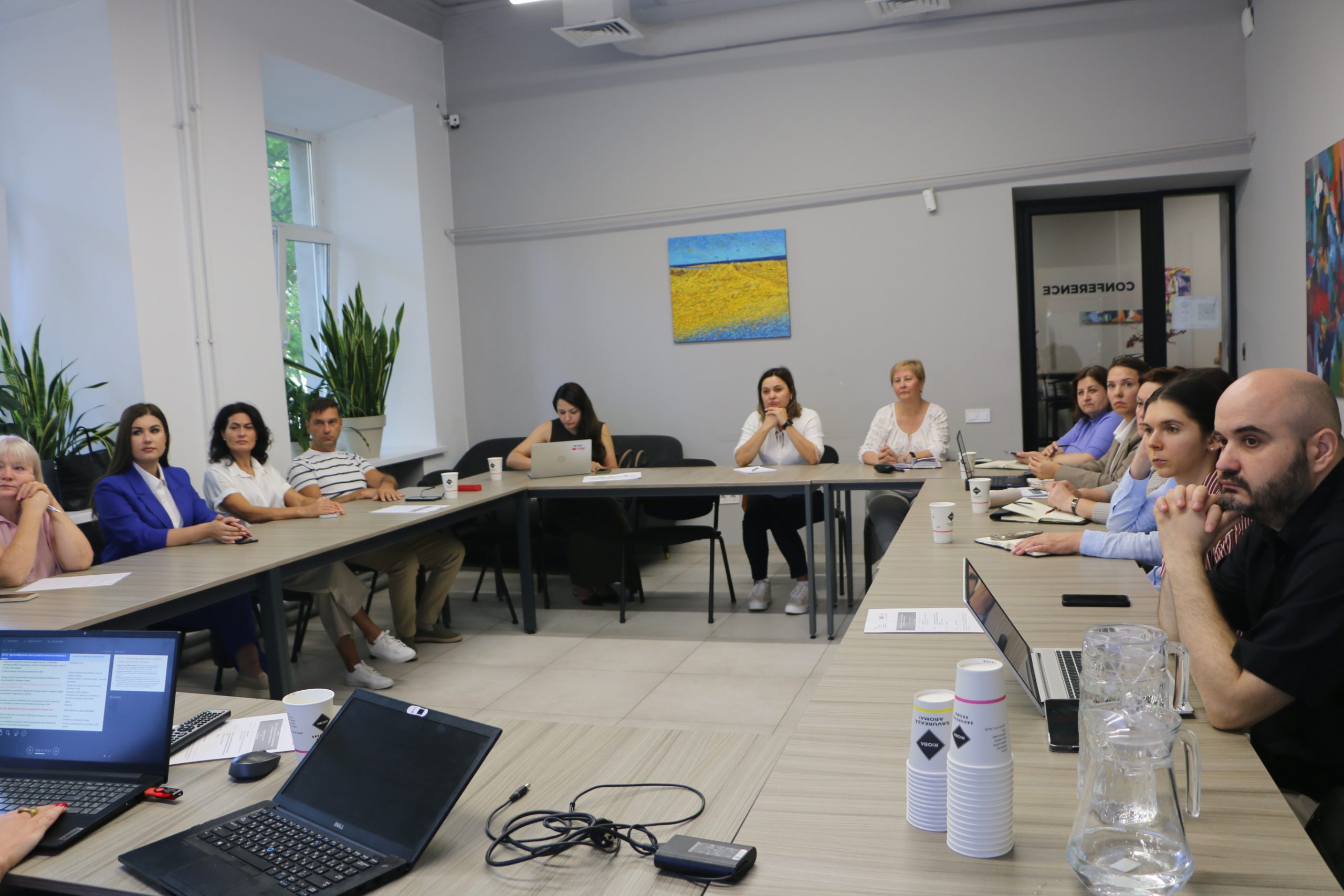
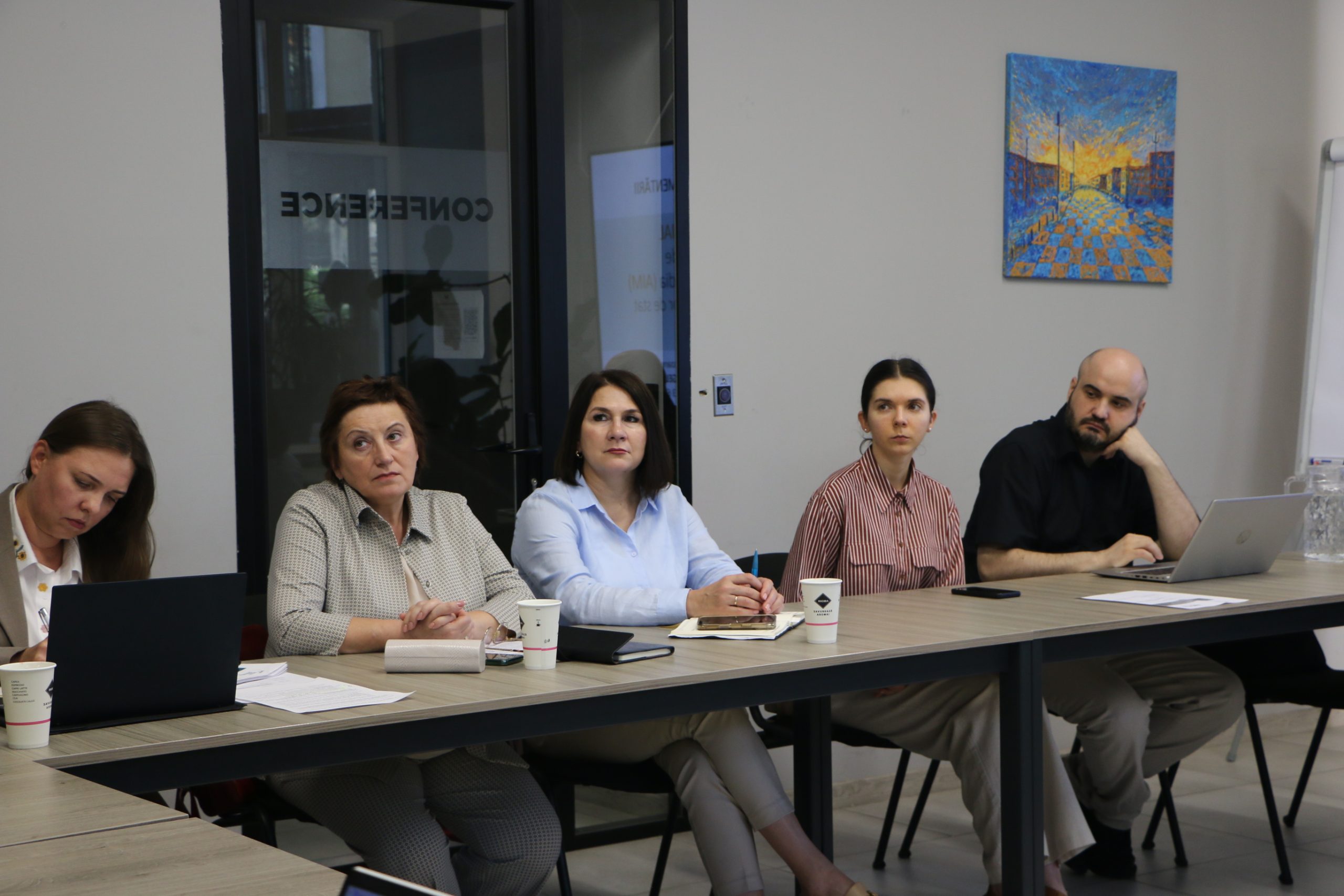
The report’s findings were presented on September 11 during a working meeting attended by representatives of the Ministry of Education and Research, the Ministry of Culture, the Audiovisual Council, the “ARTICO” Republican Center for Children and Youth, the Center for Strategic Communication and Countering Disinformation, as well as other institutions and organizations involved in implementing the actions outlined in the Plan.
One of the report’s main findings is that, during the Plan’s implementation period, several significant developments took place in the field of Media and Information Literacy. These include the integration of MIL competencies as mandatory cross-curricular standards as part of the curriculum reform, the expansion of media education to preschool education, the introduction of the Media Education course into the curricula of some higher education institutions, as well as the development of new educational resources and platforms.
At the same time, the report shows that the coordination, communication, and monitoring mechanisms among the institutions involved in implementing the Plan remain insufficiently structured. Although the Ministry of Education and Research and the Ministry of Culture are the designated coordinating institutions, they face a shortage of staff needed to coordinate efforts in this area and monitor the Plan’s implementation. The report also highlights the financial vulnerability of certain initiatives, given that some of them continue to depend on external funding.
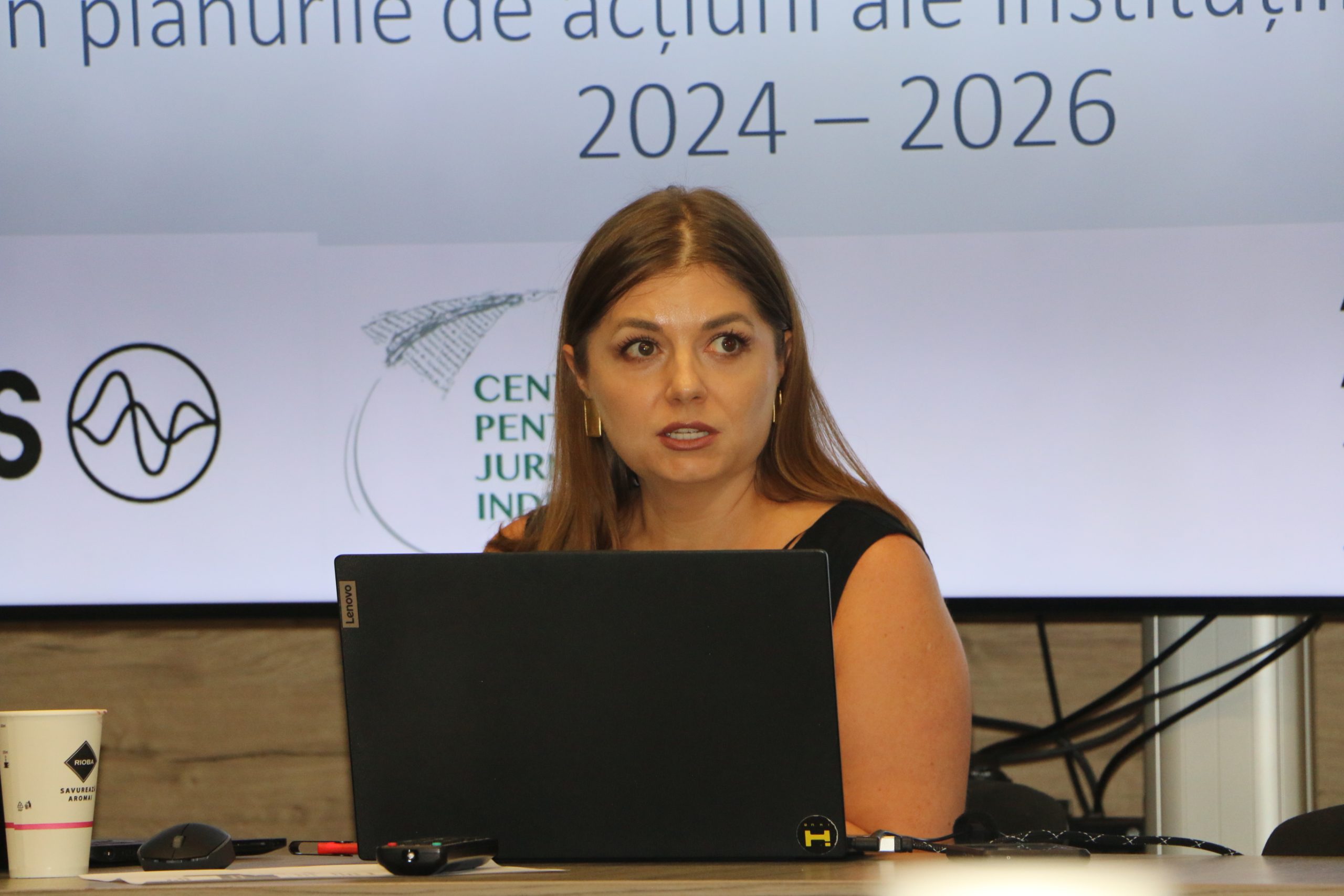
“The Interministerial Plan was a first step toward making MIL a shared priority among several public institutions. We are now at the end of the document’s implementation period, and we believe these efforts must continue. A next phase is needed—one that is better coordinated—to transform the results achieved so far into a sustainable national public policy,” stated Anastasia Nani, deputy director of the IJC, during the presentation of the report’s findings.
Angela Vacaru, a researcher and the author of the Interministerial Plan, as well as the monitoring reports developed in collaboration with the IJC, believes that the next phase must ensure the continuity of the results achieved. “Although conceived three years ago in a complex and difficult-to-predict educational and social context, the Plan has yielded significant results, even exceeding initial estimates in some areas. Ensuring the continuity of these achievements requires integrating them into a new, coherent public policy framework, with a well-defined action plan for the coming years, sufficient human and financial resources for implementation, as well as a firm commitment from state institutions and effective inter-institutional coordination,” said Angela Vacaru.
Veronica Boboc, director of the Youth Media Center—an organization that has been involved for several years in developing media education and youth initiatives—emphasized the need for clearer coordination of efforts in this field and for the continuation of the Plan. “I believe that the IJC should continue to play this role of strengthening key actors in this field. Today, there are many actors who can bring added value to the field, but a team leader is needed. We hope this Plan will continue, because there should be a national strategic plan,” Veronica Boboc stated during the meeting to present the monitoring results.
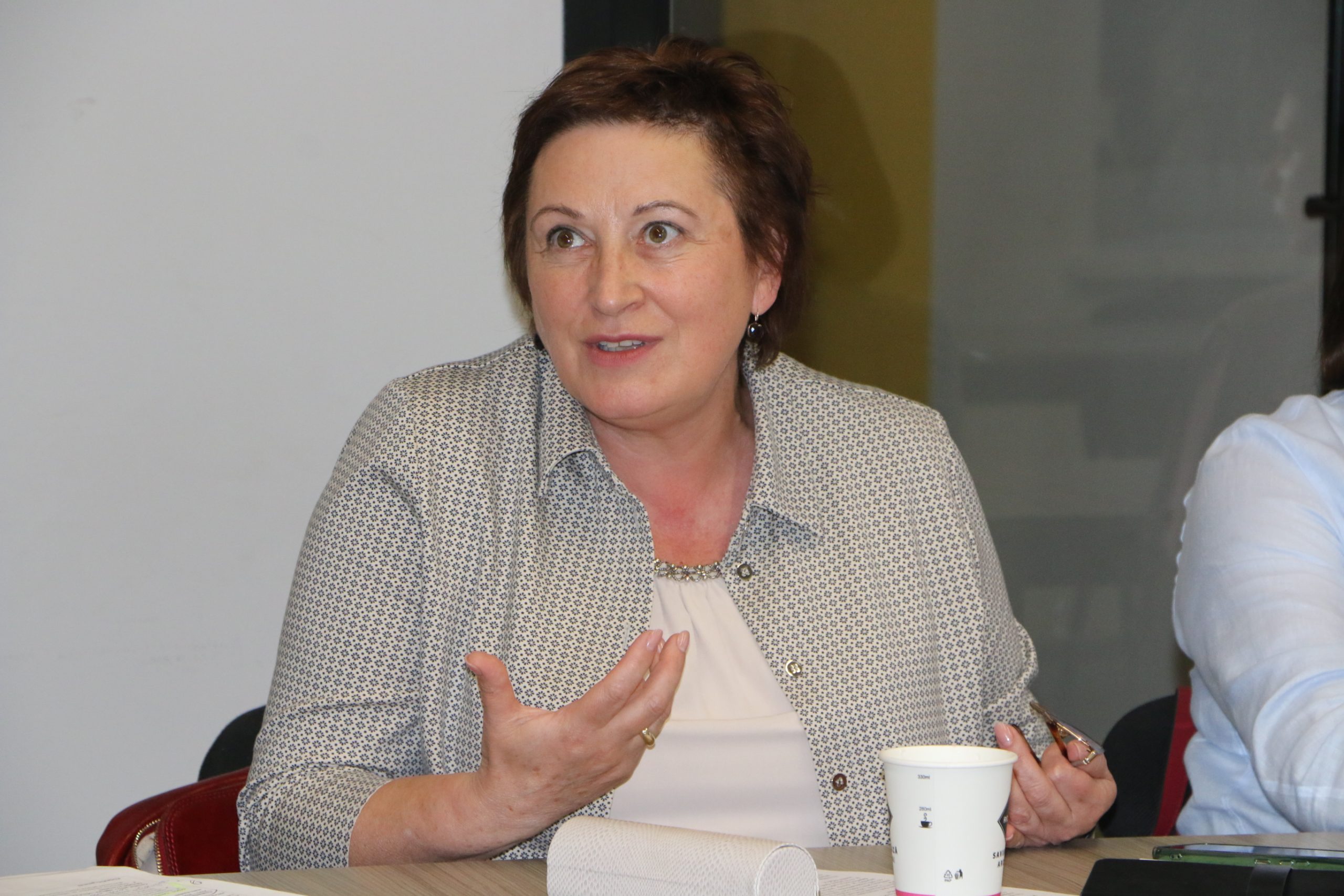
For her part, Natalia Grîu, co-author of the Media Education textbooks, emphasized the need for public policies to keep pace with changes in the education system. “When the plan was being developed, many of the interventions in the education sector were unforeseeable. It was impossible to anticipate everything. Now that the state has a vision for 2030, I believe the ministries will have a clearer understanding of what they want to do and what capabilities they have,” said the expert.
The Interministerial Plan on MIL was developed by the IJC following consultations with public institutions, civil society organizations, and other relevant stakeholders, and was approved in 2024 by the Ministry of Education and Research and the Ministry of Culture. The document includes actions aimed at developing critical thinking skills, promoting the responsible use of information, and increasing the population’s resilience to disinformation. The Plan’s implementation period ends in December 2026.
This initiative is part of the project “Advancing Media and Information Literacy in Moldova – Phase II,” implemented with the support of International Media Support (IMS) and the Government of Denmark.
