


Media Literacy Workshop at UPS “Ion Creangă”: Critical thinking is one of the most valuable skills
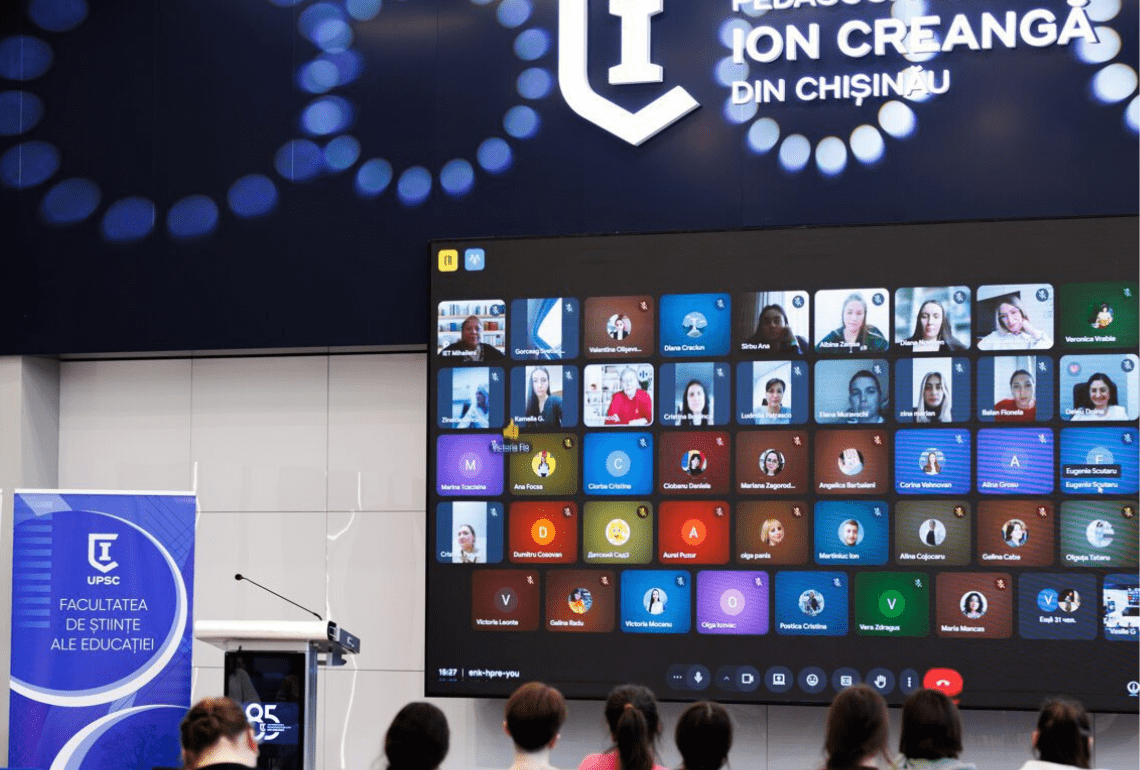
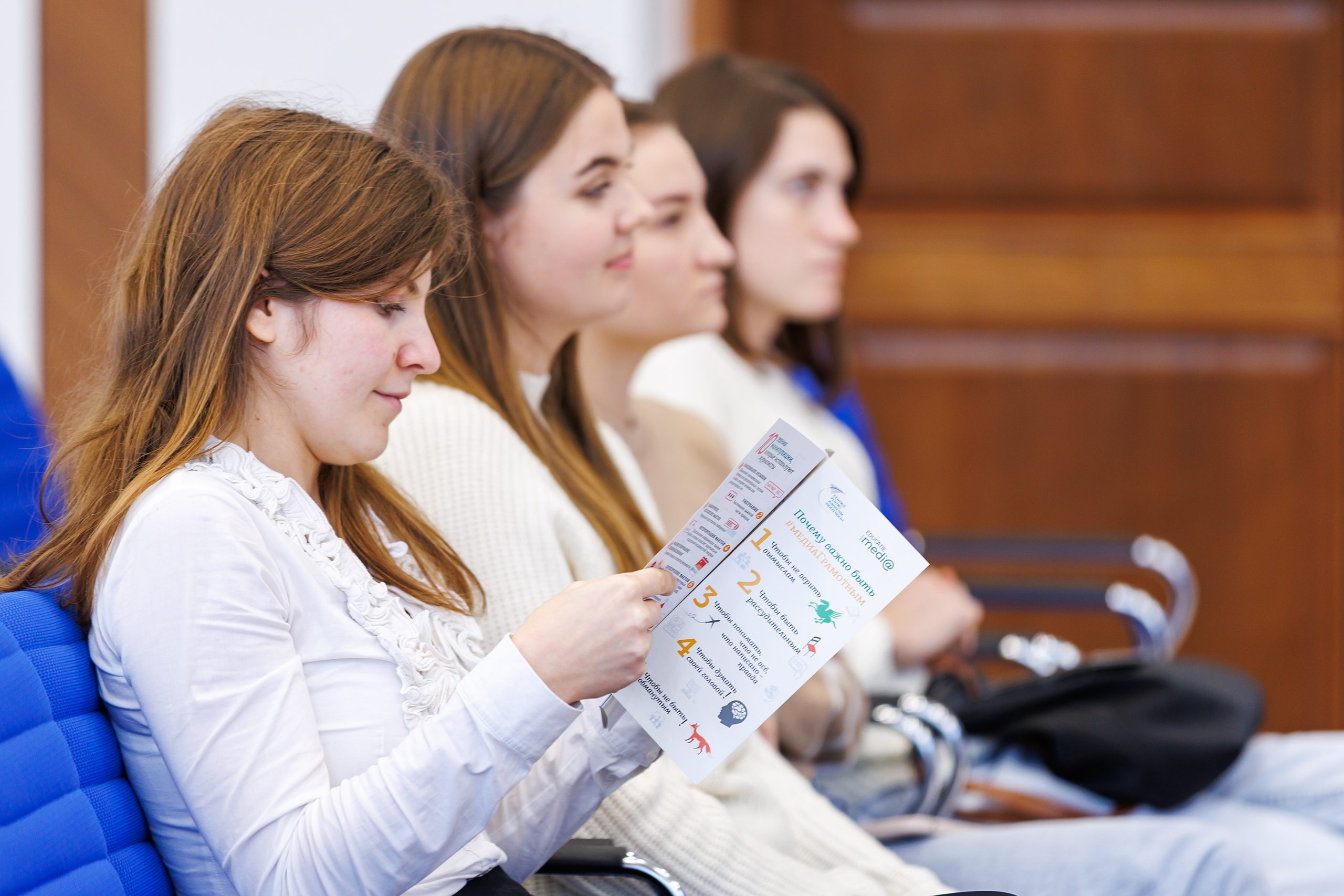
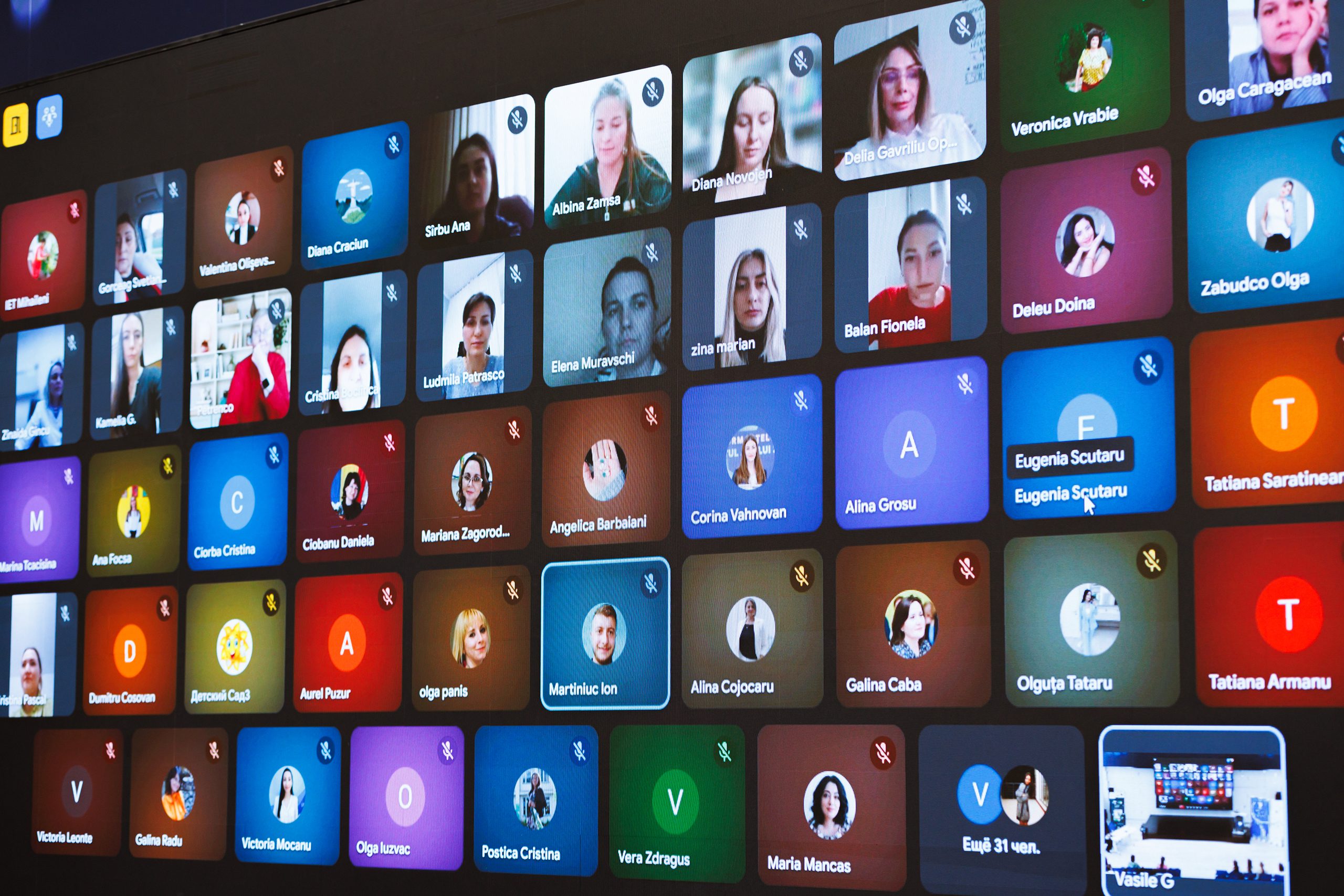
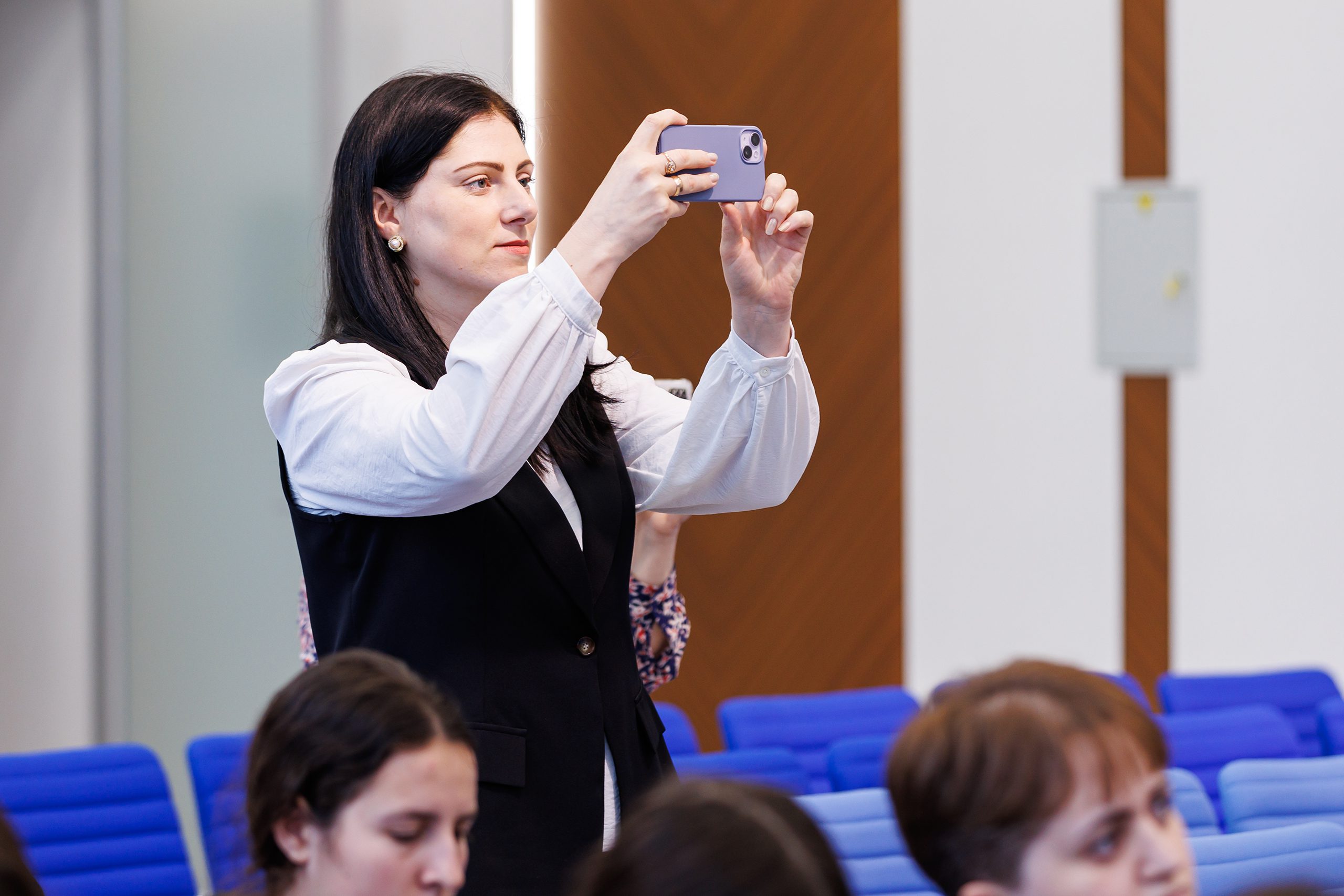
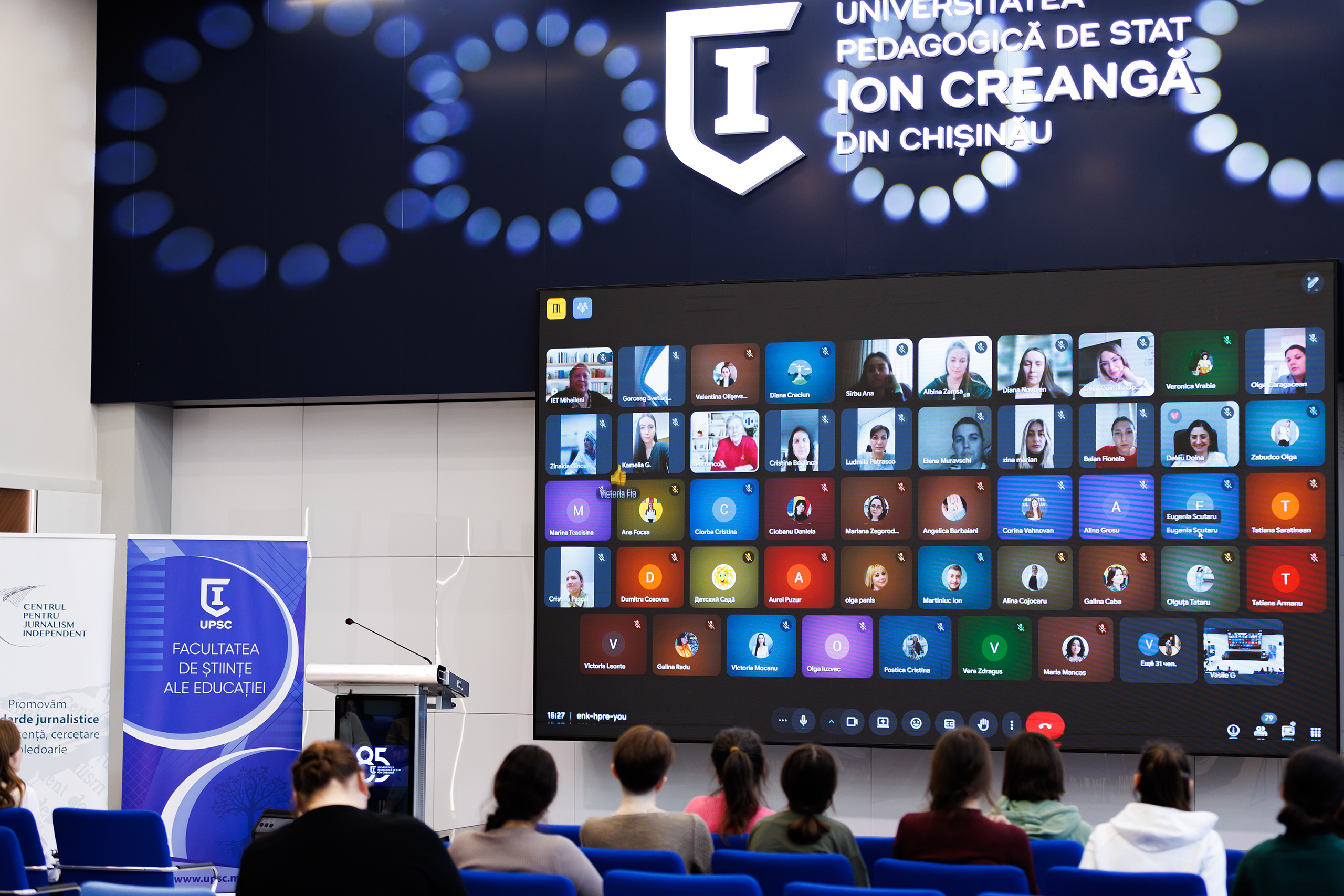
First-year students from the Faculty of Education Sciences and the Faculty of Philology and History, first- and second-year master’s students from the two faculties of the “Ion Creangă” State Pedagogical University in Chișinău (UPS “Ion Creangă”) and from the Cross-Border Faculty of the Dunărea de Jos University in Galați, and teachers from general education participated on November 25 in a media literacy workshop “Critical thinking – a weapon against disinformation”, organized in a mixed format (with physical and online presence) by the Center for Independent Journalism (IJC), in partnership with UPS “Ion Creangă”.
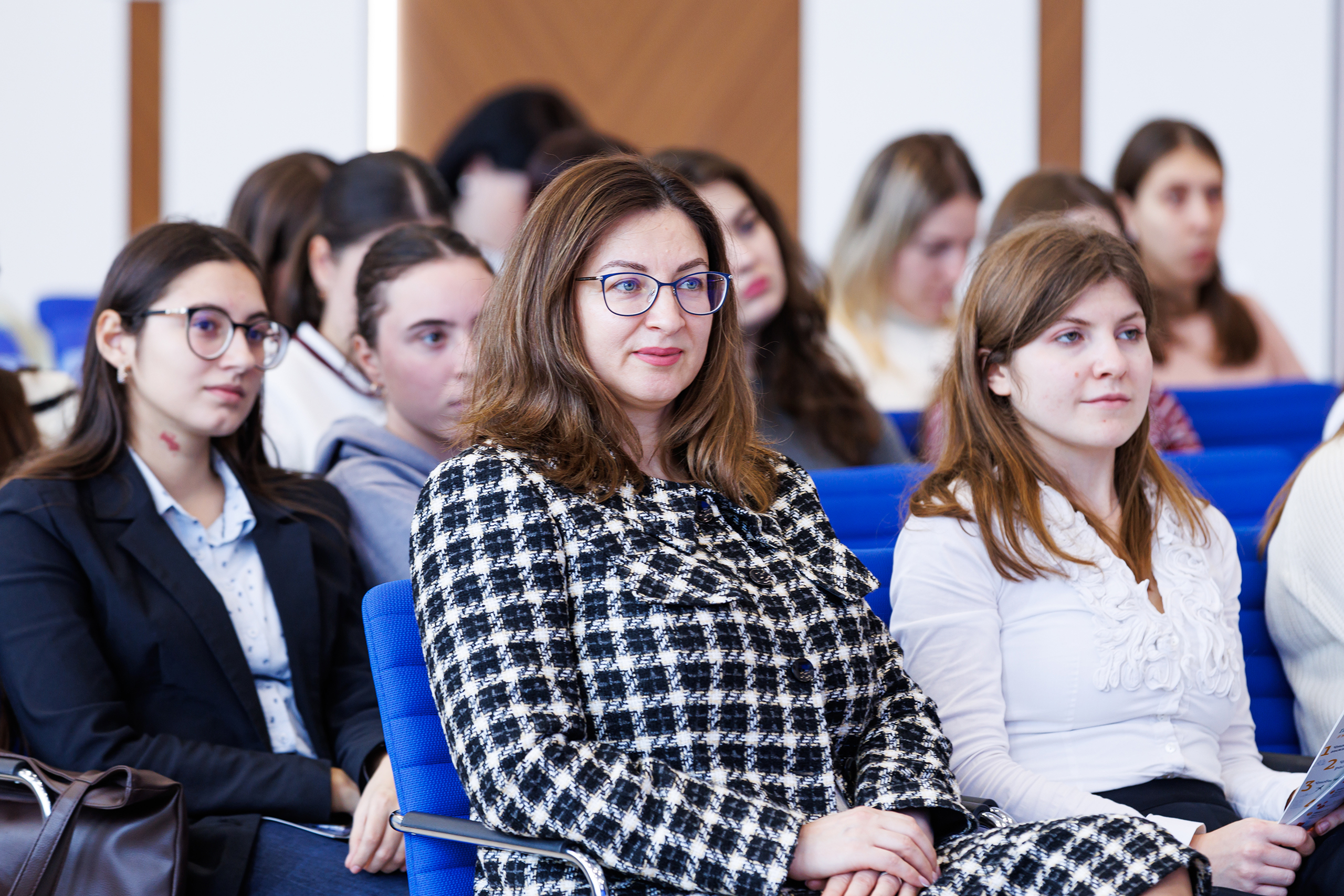
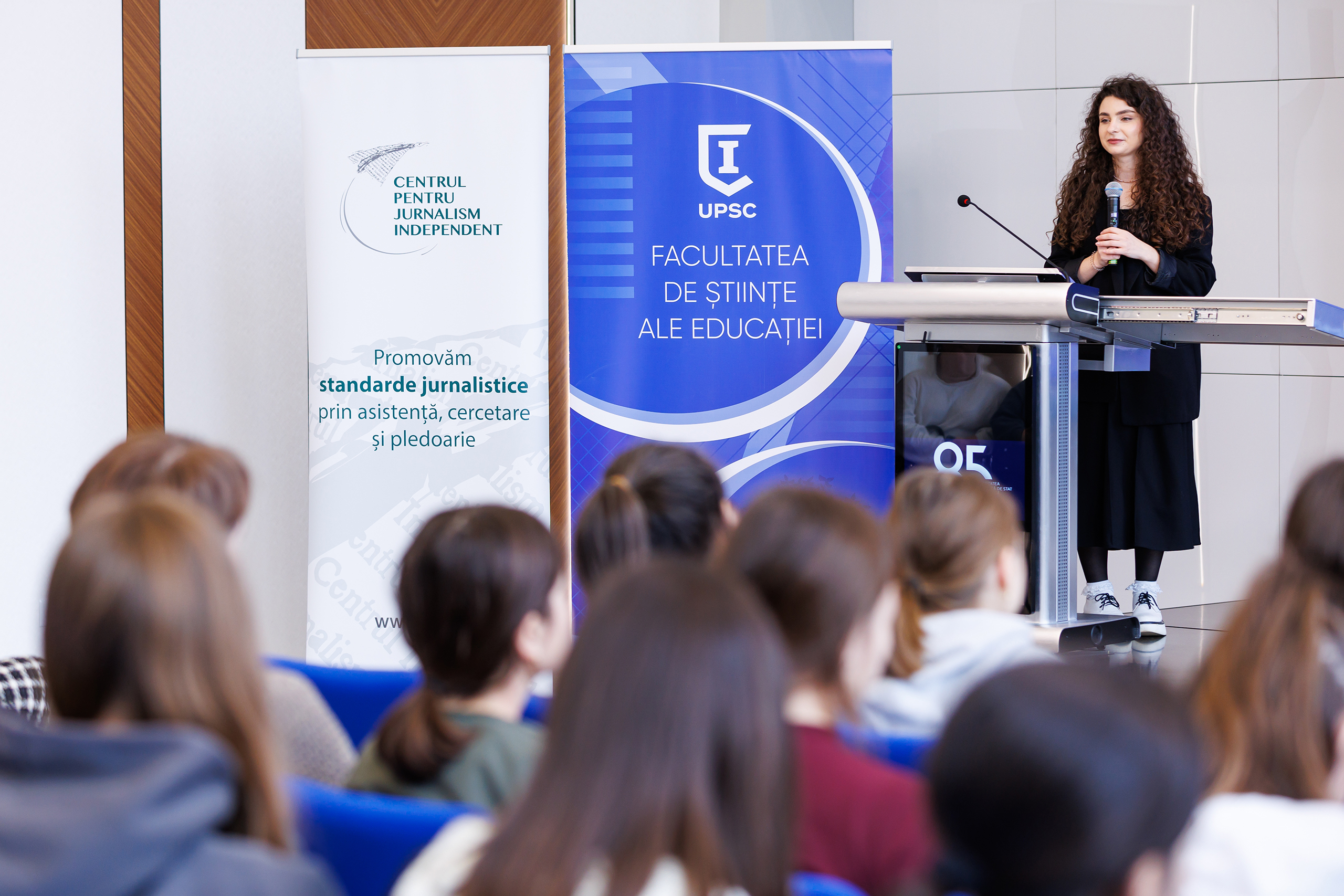
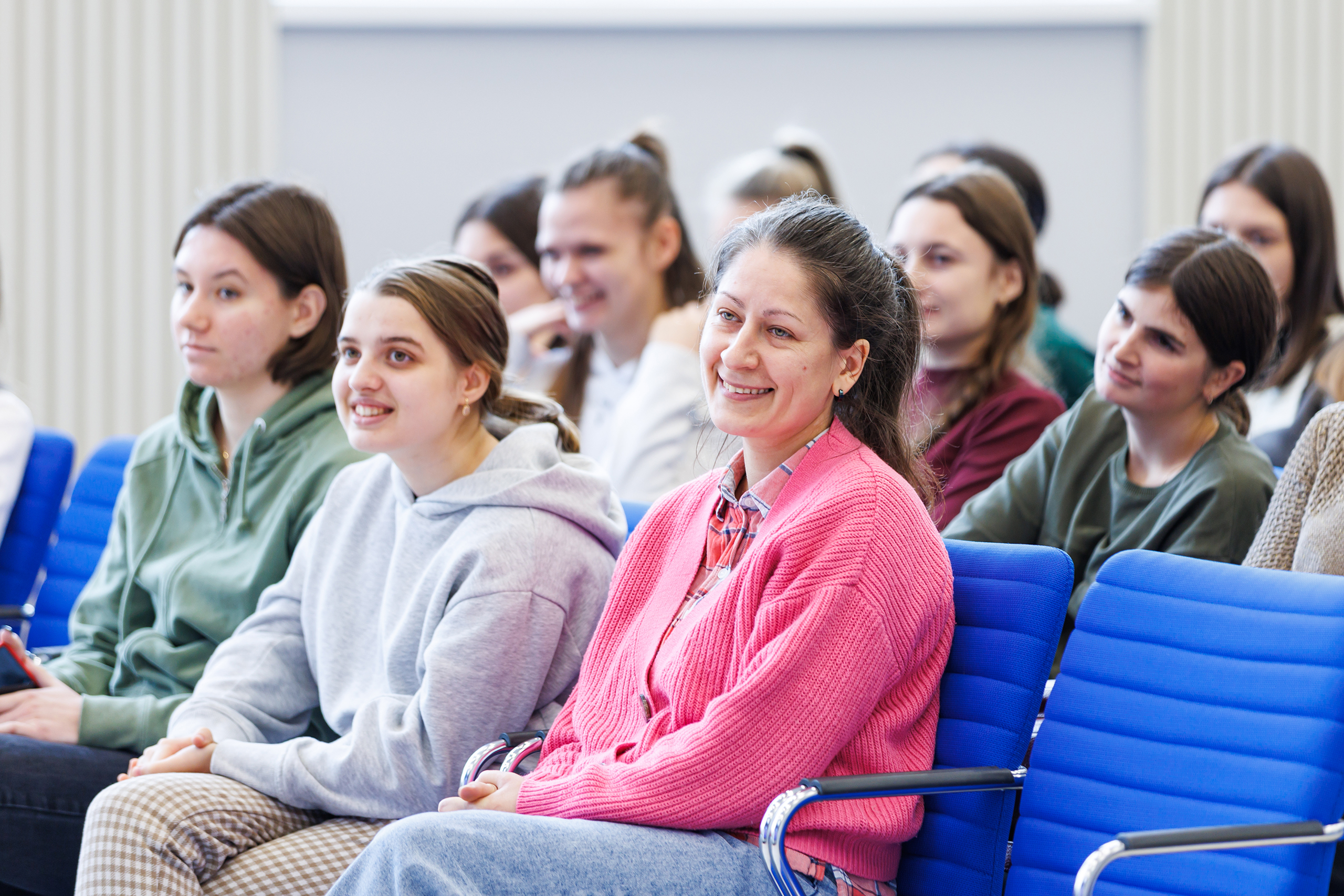
At the opening of the event, Lucia Cepraga, vice-rector for teaching at UPS “Ion Creangă,” emphasized the importance of the topics discussed in the workshop, which are highly relevant today. “We live in times when information abounds. As future teachers, professors, you need knowledge and skills to help you discern between truth and fake, identify sources that tend to misinform, and promote those that contribute to the development of universal human values. The school’s duty is to educate responsible, involved, and well-informed citizens,” said Lucia Cepraga.
“Media education is an area in which we invest a lot of time and effort because the enormous volume of information that surrounds us, fake news, and narratives that manipulate and misinform put us all in a position where we have to make quick but correct decisions,” said Victoria Tataru, program coordinator at the IJC, who provided general information about the IJC’s activities in this field.
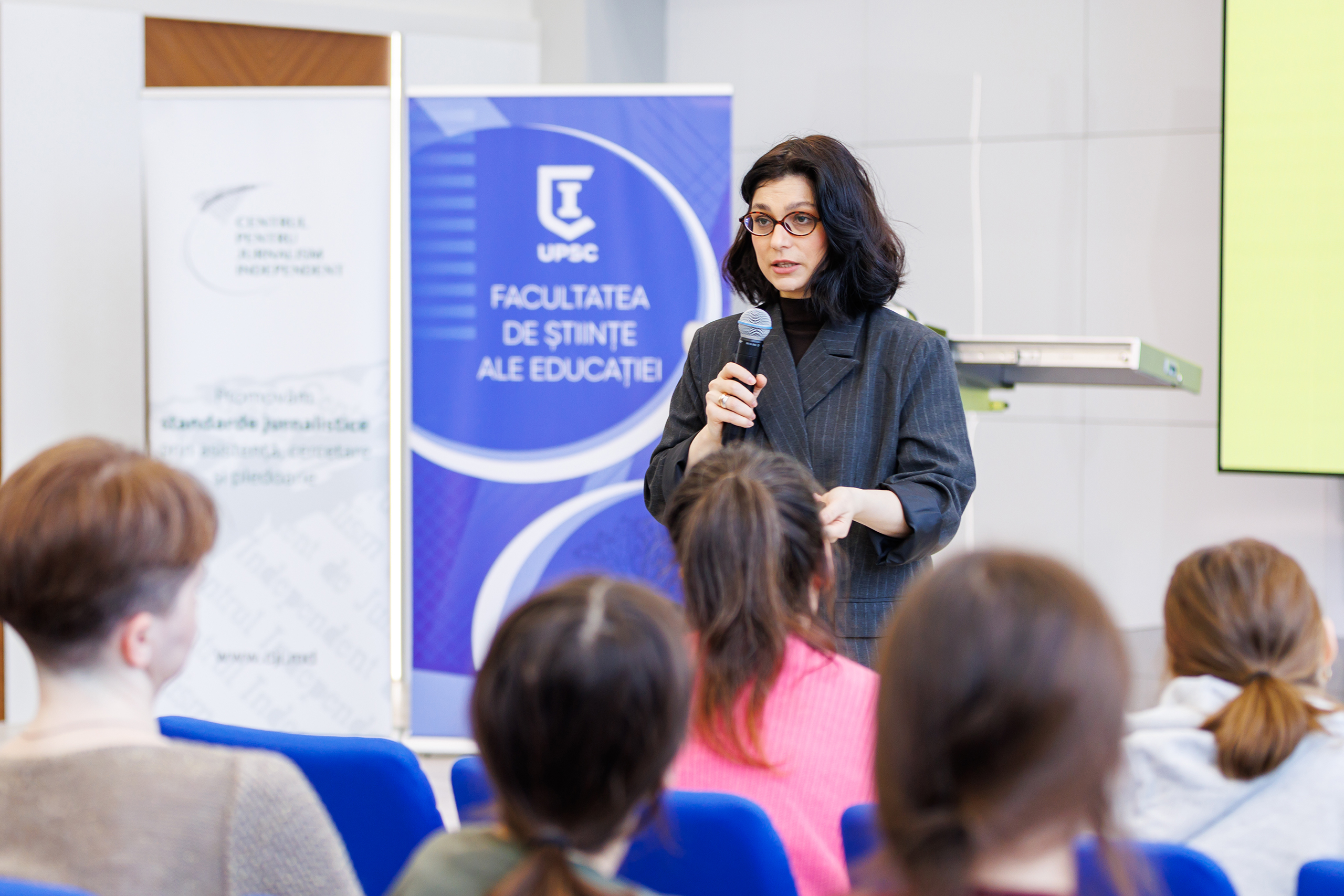
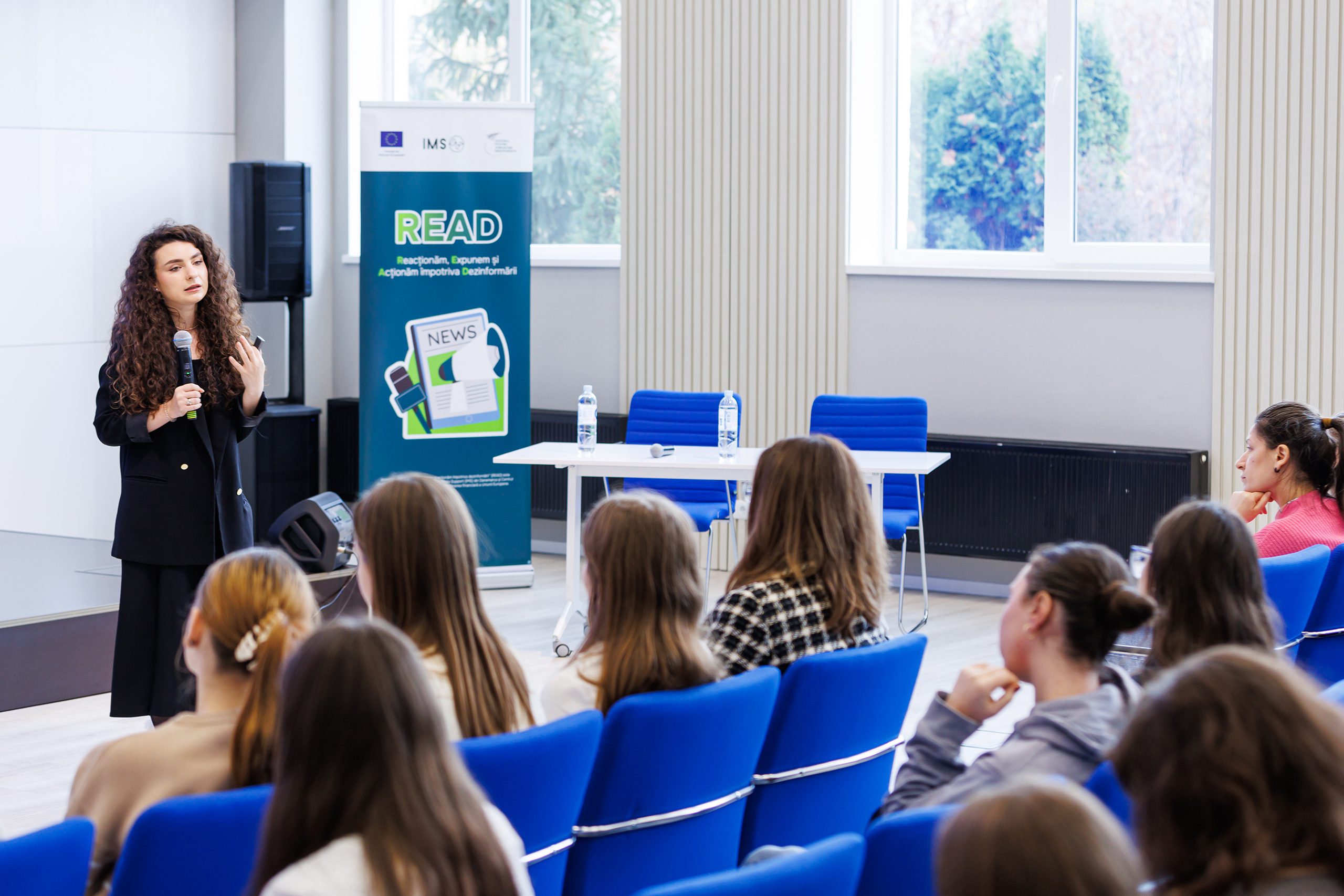
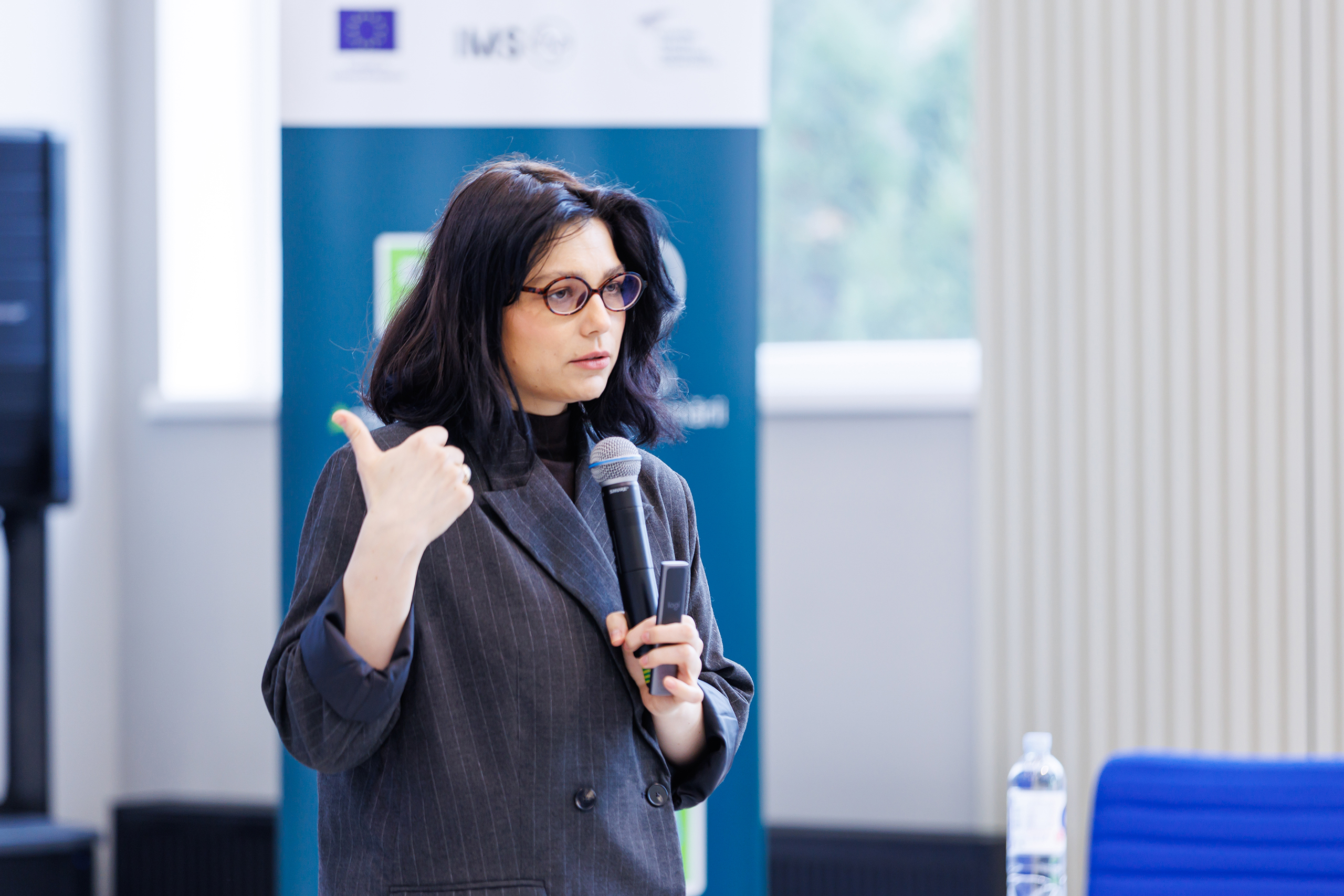
Journalists Valeria Batereanu (editor-in-chief of the news portal Diez.md) and Ana Sârbu (media expert) participated as trainers, proposing practical examples, case studies, and interactive sessions for discussion, which aimed to increase the participants’ level of knowledge and skills in the media field.
As a professor at the Faculty of Journalism and Communication Sciences (Moldova State University), Valeria Batereanu explained to the young people that the role of journalists is, in some ways, quite similar to that of teachers, which means that regardless of the field they will pursue, the ability to think critically, analyze and filter information, identify credible sources, and better understand how the media and social platforms work remains one of the most valuable skills today.
“We are the generation that is practically bombarded with information. Fake news spreads with a single click. But a single click can also help us stop this vicious cycle of false information. Media education matters, and you are the ones who will educate future generations,” said Valeria Batereanu. To provide greater clarity on fake news, clickbait information, and how to distinguish manipulation, including with the help of artificial intelligence, the journalist asked participants to watch several videos, which they then analyzed, drawing attention to the risks they can avoid in the future.
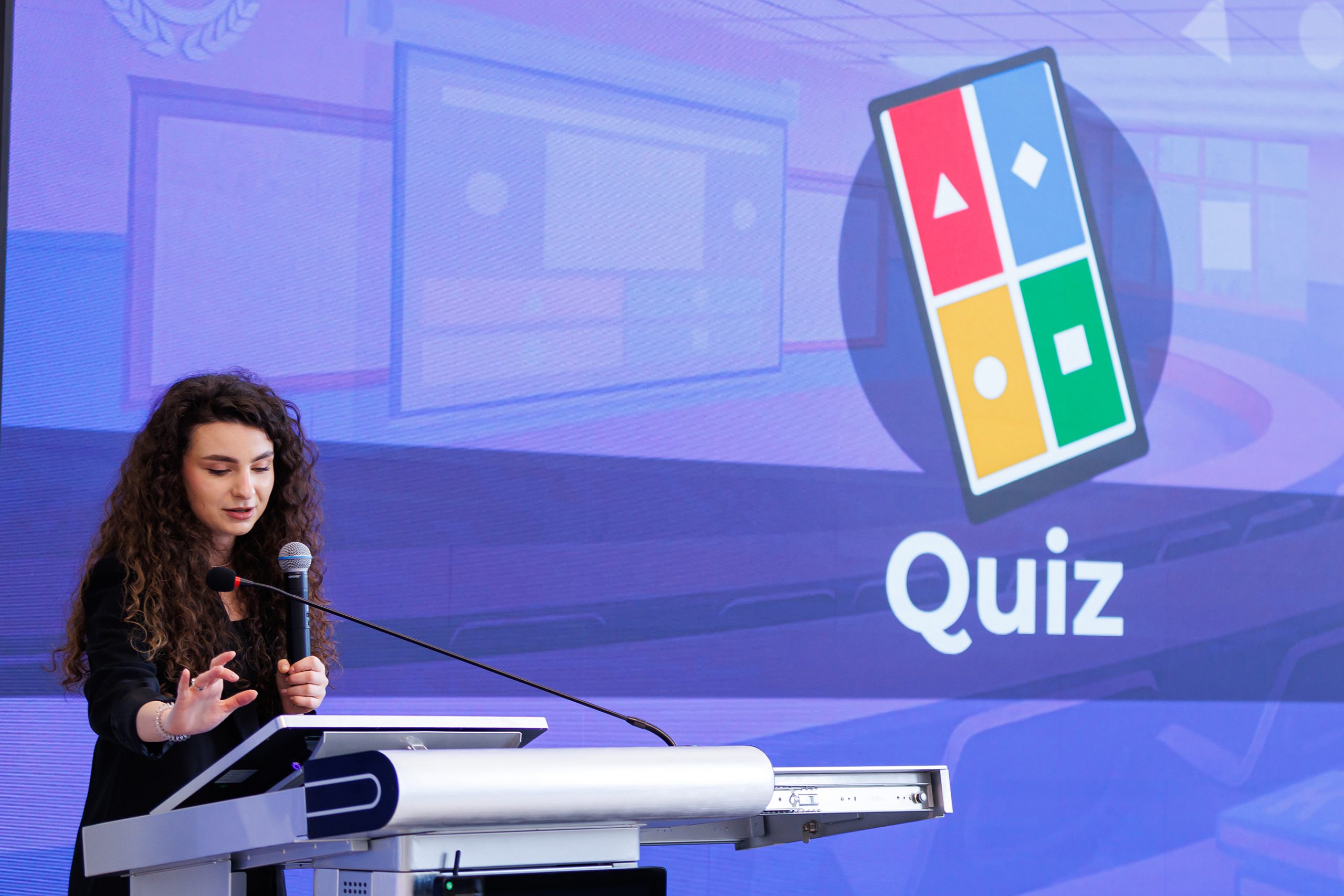
At the end of her presentation, the journalist asked the students to test their knowledge through the interactive game Kahoot. The young women who gave the best answers were rewarded.
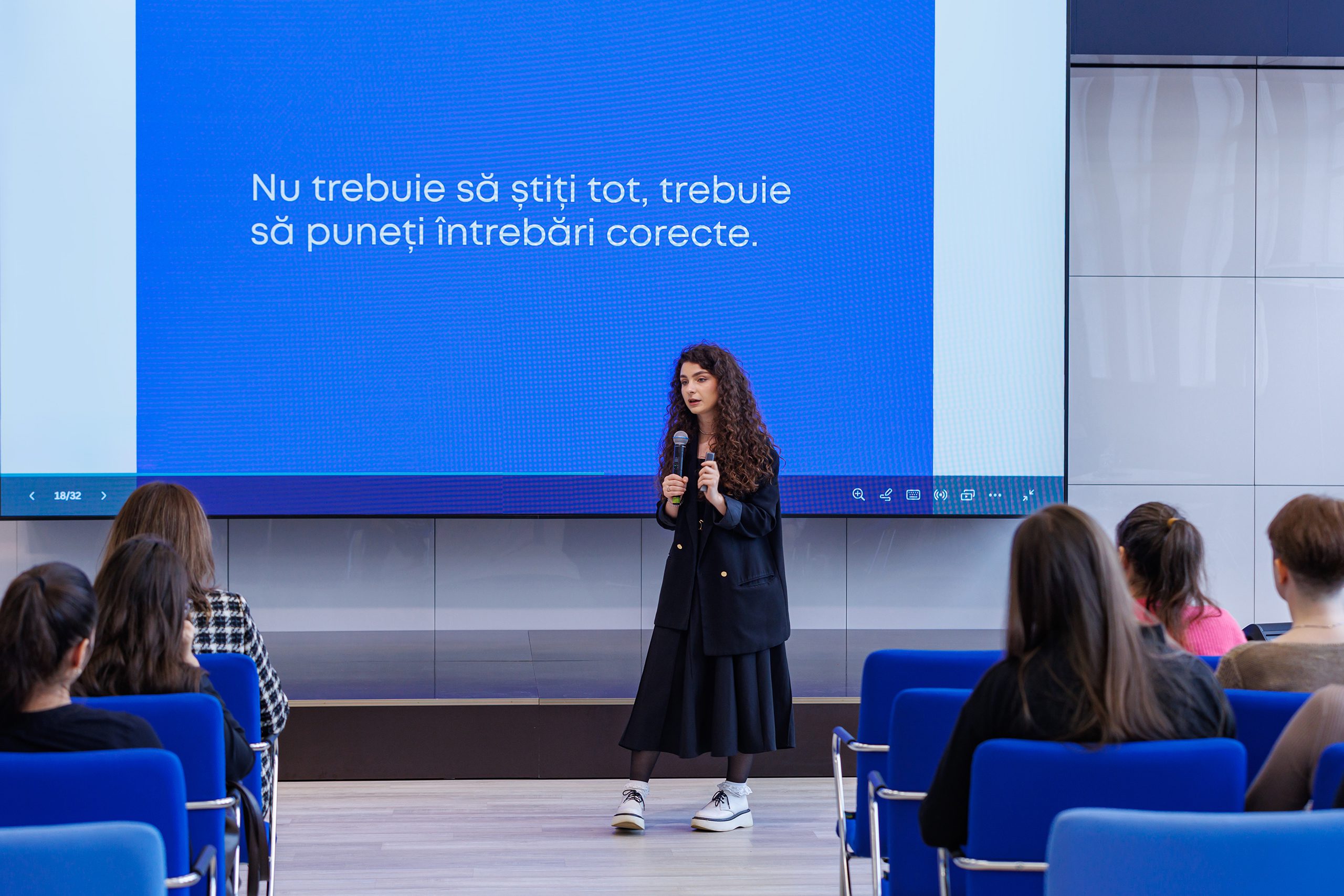
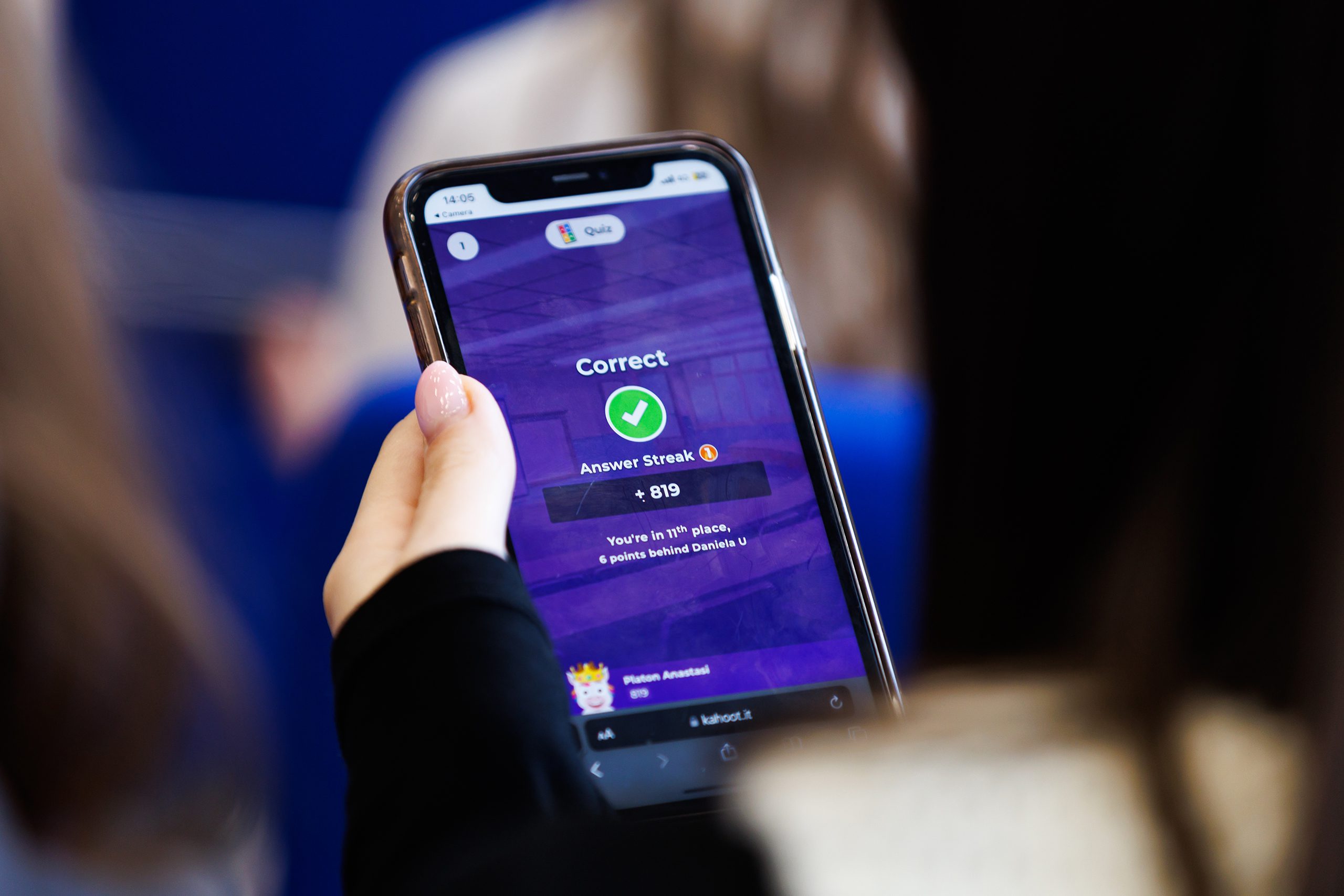
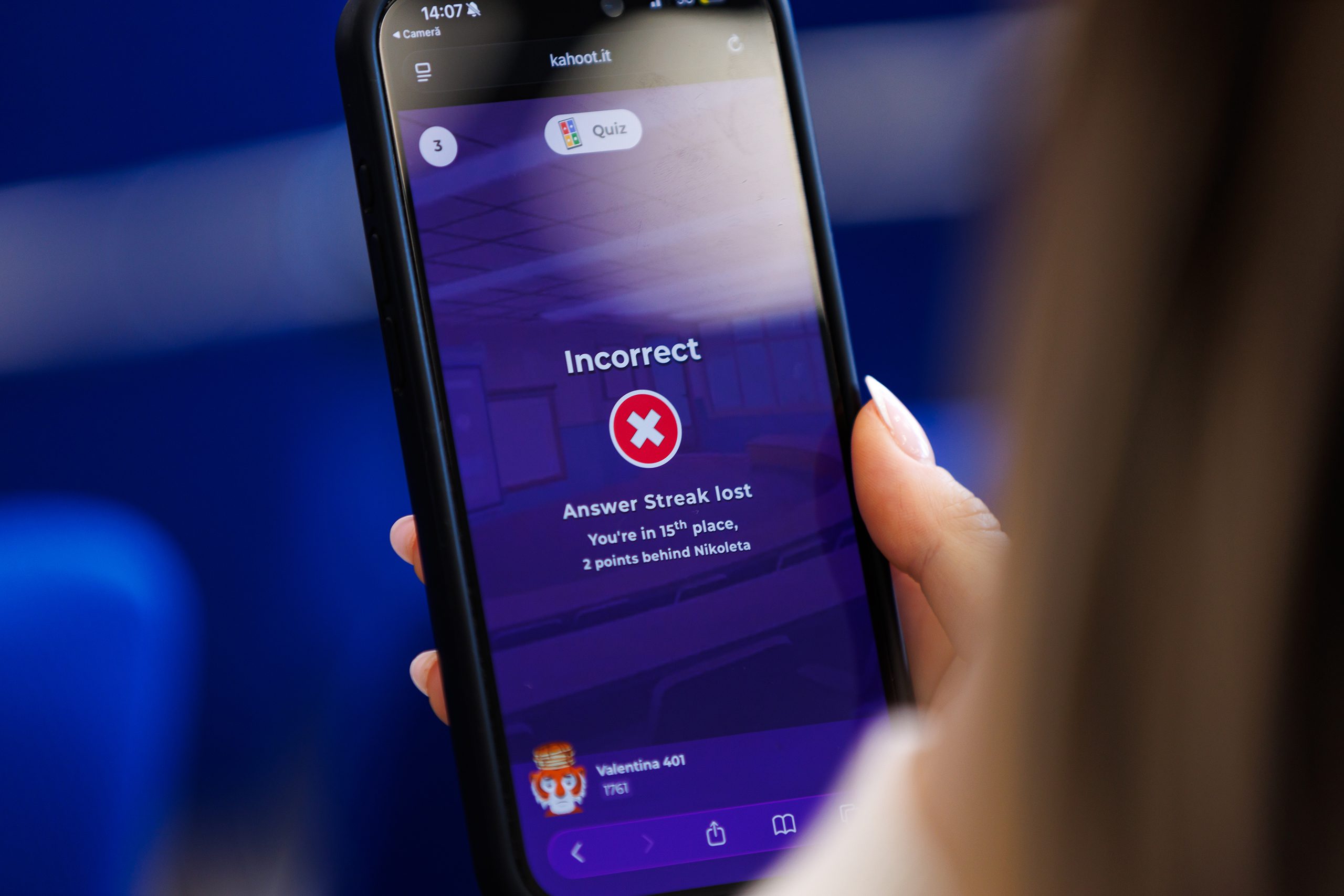
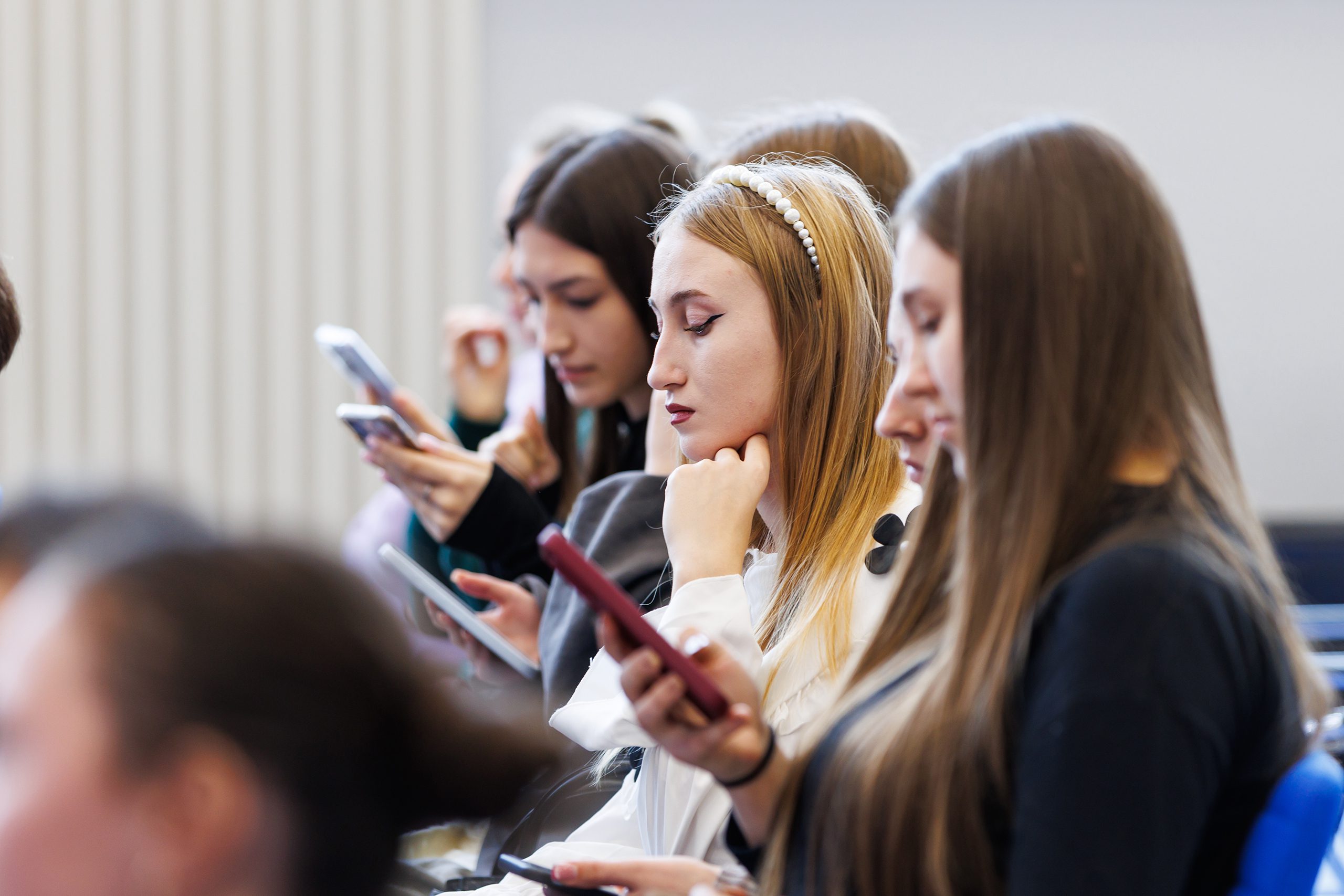
Trainer Ana Sârbu, a professor at Moldova State University, wanted to find out from participants where they get their information, what social media platforms they use, and what sources of information they are generally familiar with. Finding out that online media and digital platforms are the most preferred, the journalist urged them to ask questions every time they choose an information channel, to check the sources of the materials and to analyze everything patiently, because there is a lot of false information circulating online, which can manipulate and misinform. In this context, Ana Sârbu presented five short videos, which the young people were asked to watch and determine whether they were false or true, arguing their answer. Although at first glance it seemed like a simple exercise, during the workshop all the videos were watched several times, with the audience dividing into two groups each time, which showed that it is quite complicated to distinguish between what is true and what is false.
“The internet offers us opportunities, but also great challenges. I have shown you these videos so that you can understand how easily you can be lied to, manipulated, and led in the wrong direction. When you scroll, you can’t tell if a video is real or fake. Some old videos are processed by artificial intelligence or other applications to improve their quality. And these are real videos. But there are also fake videos created quite realistically with the help of AI. Our eyes can hardly tell the difference, or you have to watch them several times to notice the smallest details—how they were created, with what applications, how they were edited, etc. Obviously, not everyone does this, and that’s why it’s complicated,” added Ana Sârbu.
The experts warned participants to always think about who has an interest in producing false information and manipulating the public. “Every time we think about fake news, we have to ask ourselves – why would someone write a fake news story, for what purpose and for what benefit. Most of the time, fake news seems attractive, garners thousands of comments and tens of thousands of shares, so people start to believe it. It is quite difficult to argue that such information is not true. Usually, there is nothing behind these materials, and after reading falsehoods, we are guided by fear, anxiety, anger, etc.,” Valeria Batereanu added.
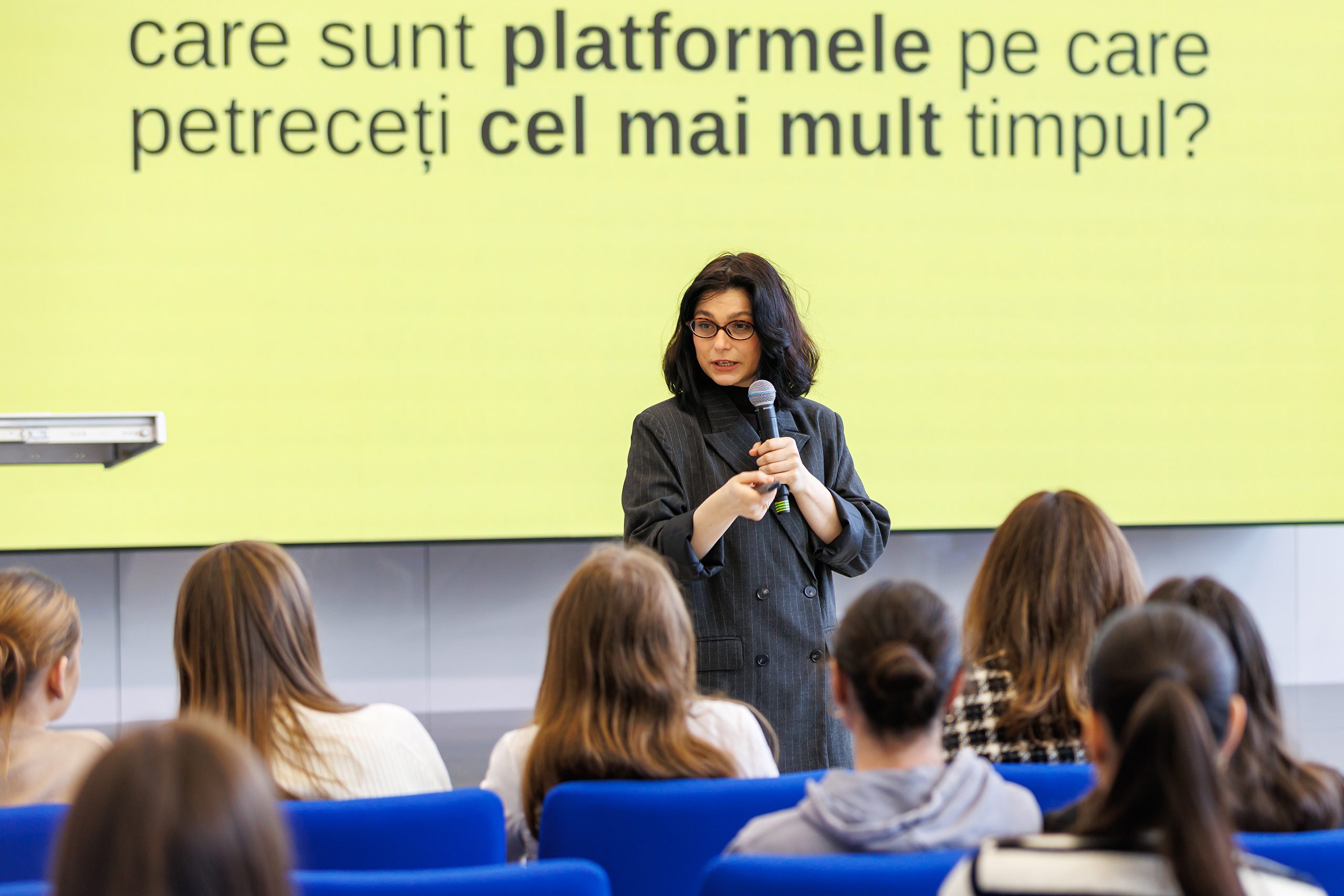
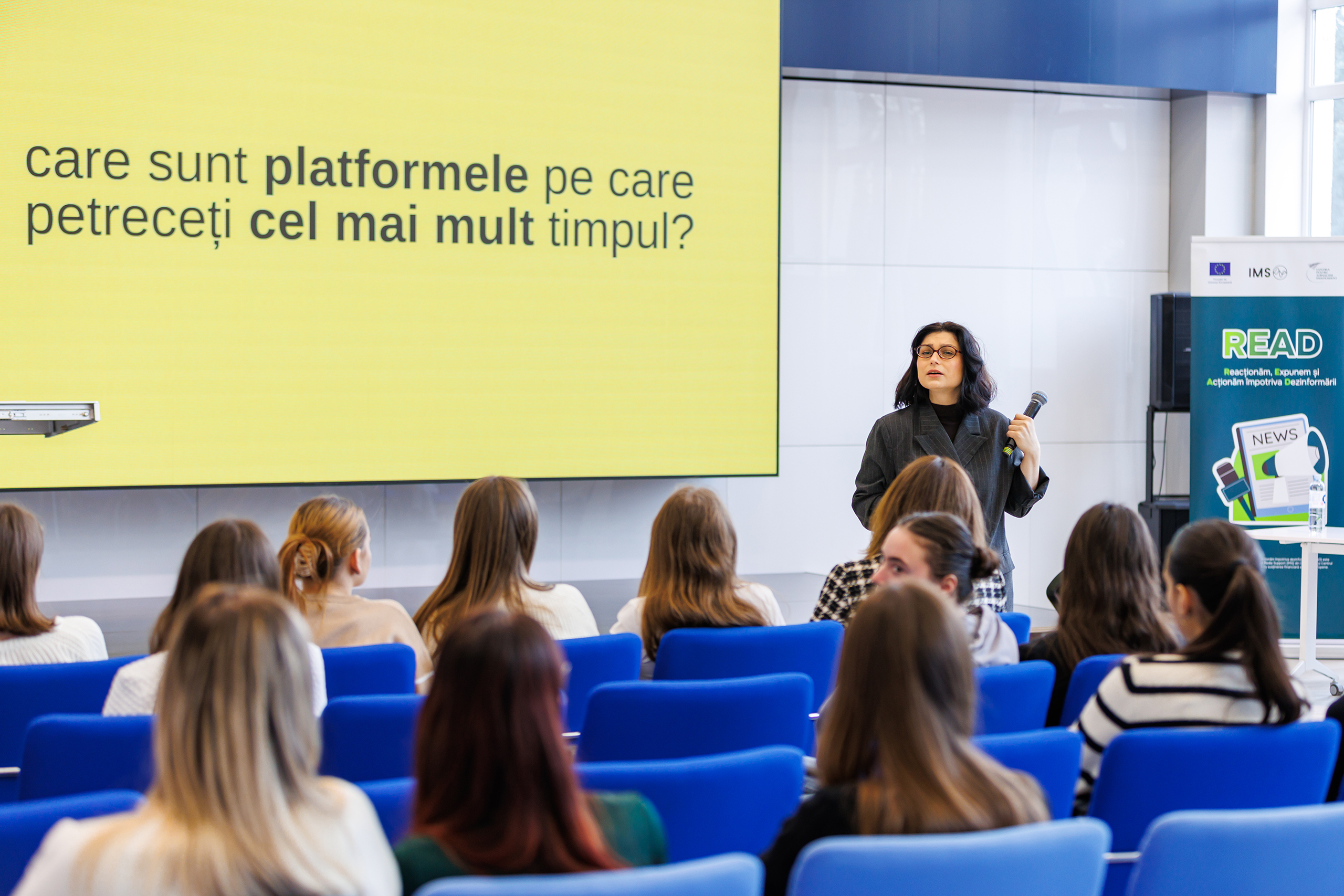
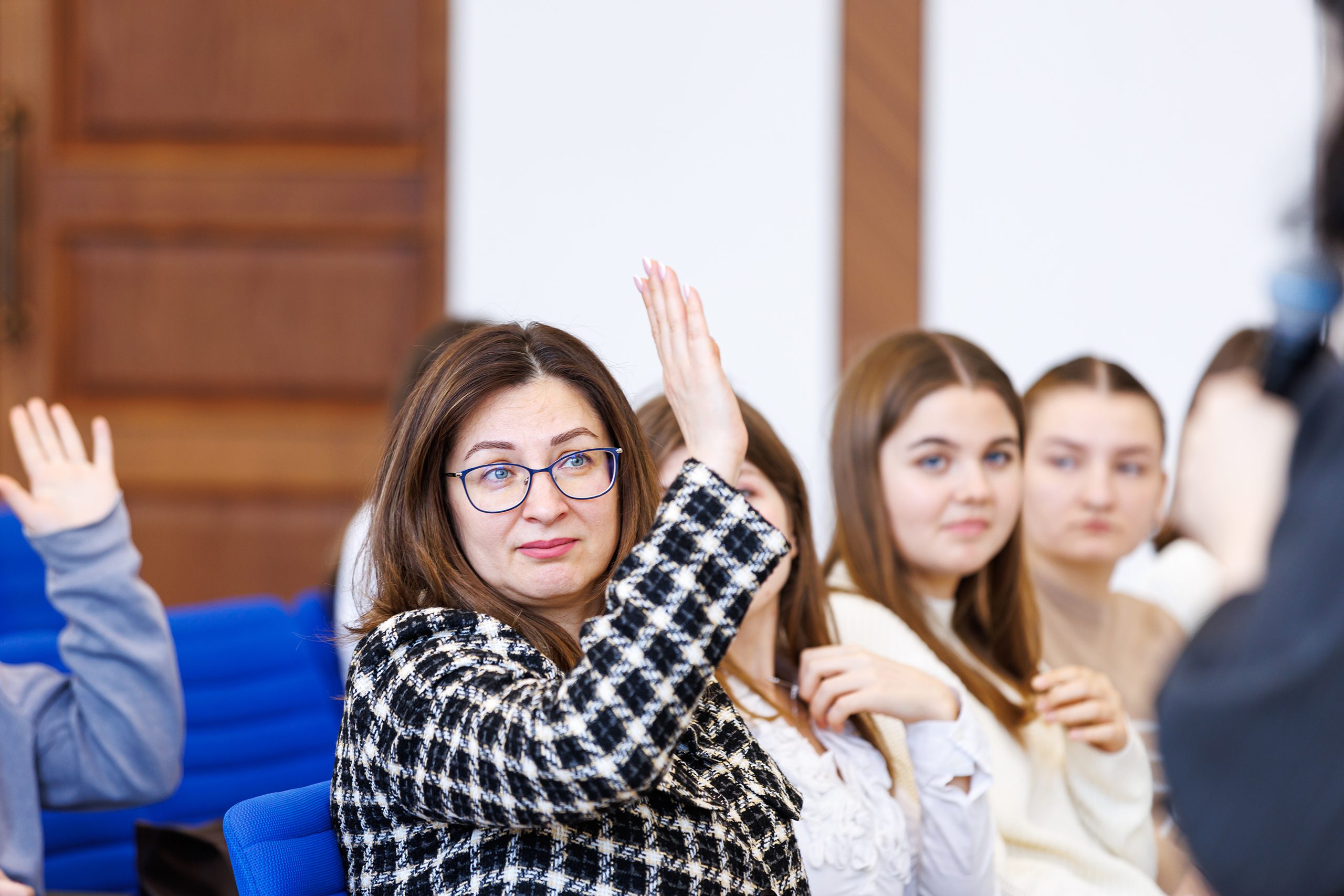
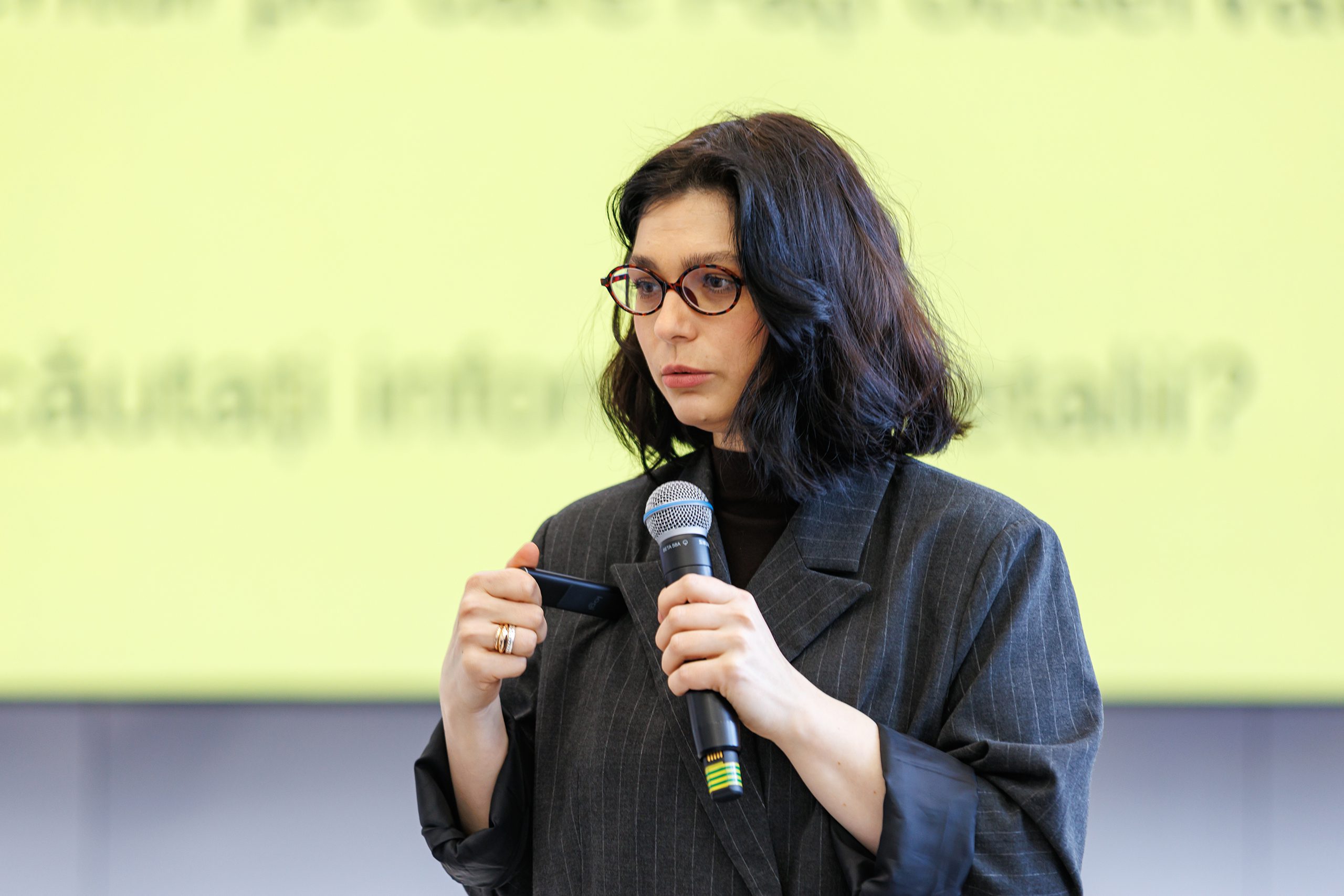

At the end of the activity, the participants highlighted the important role that media education plays in developing critical and responsible thinking among young people. The participants noted that the discussions gave them a complex perspective on how to analyze sources and filter information.
Maria Tecluță, first-year student, UPS “Ion Creangă”
“I am glad I participated in this workshop, which I consider useful and unique for me. I believe that after such an activity, I will be able to more easily differentiate between truthful and manipulative news. It is important to inform ourselves as well as possible in this area, because nowadays it is very easy to be fooled by anyone. We must learn to be resilient to misinformation.”
Daniela Urâtu, first-year student, UPS “Ion Creangă”
“We, the young people, are the future of the country, and that makes me think deeply about everything that happens in the information space. I admit that the information we interact influences our choices and the goals we set for ourselves. We must be well prepared as a society to face the challenges of our time.”
Cătălina Tricolici, fourth-year student, UPS “Ion Creangă”
“Although I studied certain topics related to media education at university, what I learned at the workshop is much more comprehensive, and I already see everything from a different perspective. As a consumer of information, I will analyze more critically what I watch, read, the sources I use to inform myself, and whether or not it is worth sharing.”
The media education workshop brought together a total of over 170 people (47 in person and 129 online).
MIL workshop was organised within the “Responding, Expanding and Acting on Disinformation” project (READ), implemented jointly by International Media Support (IMS) from Denmark and the Independent Journalism Center (IJC), with the financial support of the European Union.
